 Xiamen lenz Communications Co., Ltd.
Introduction: Transformation Challenges and Technological Solutions in Intelligent Transportation
With the acceleration of urbanization, public transportation systems face core challenges such as scattered capacity resources, severe information silos, and high operational costs. According to statistics, the average empty driving rate of domestic bus companies reaches 30%, with annual losses from safety incidents exceeding 10 billion yuan. Against this backdrop, Xiamen Lenz Communications Co., Ltd. (Stock Code: 430491), leveraging nearly two decades of technological accumulation, has developed a solution matrix covering three key sectors: intelligent transportation, connected vehicles, and smart sanitation. Through technologies such as intelligent scheduling, comprehensive safety supervision, and MaaS (Mobility as a Service)出行一体化 (integrated mobility), it has assisted over 400 cities worldwide in achieving digital transformation of public transportation. This article will provide an in-depth analysis of its technological architecture and implementation experience, offering replicable transformation pathways for the industry.
Keywords: intelligent transportation; Internet of Vehicles; cost reduction and efficiency enhancement; safety supervision; Lenz Communication
Industry's Technological Pain Points: The "Three Major Obstacles" in Public Transportation
Currently, there are three major structural contradictions in the public transportation sector: First, the scattered distribution of transport capacity resources leads to inefficient scheduling, with traditional manual scheduling models unable to dynamically match passenger flow fluctuations. A survey conducted by a bus group in a second-tier city revealed that the empty run rate of its routes reached as high as 42%. Second, safety supervision methods are outdated, with violations such as speeding and fatigued driving relying on manual spot checks, and the average accident response time exceeding 15 minutes. Third, passenger experience is fragmented, with services such as payment, inquiry, and transfer scattered across multiple platforms, resulting in a continuous decline in the attractiveness of public transportation. These issues are essentially systemic flaws caused by data silos and technological backwardness, necessitating the reconstruction of operational systems through technologies such as the Internet of Things, big data, and artificial intelligence.
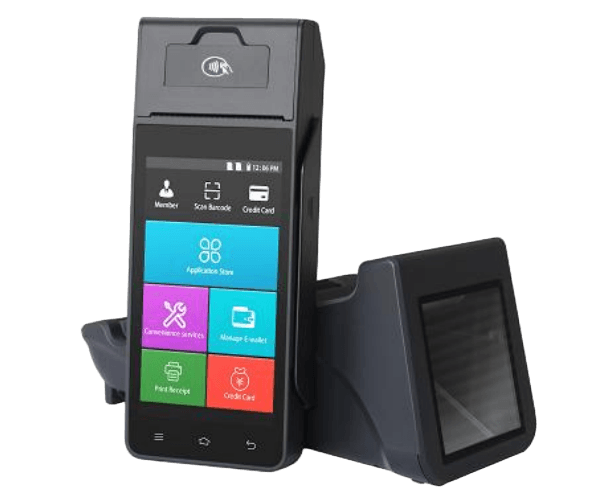
Introduction to the company's technological strength: Lenz Communication's "Three Horizontal and Three Vertical" Technology Matrix
As a national high-tech enterprise and a hidden champion enterprise in China's manufacturing sector, Lenz Communication has established a "hardware + software + platform" technological foundation spanning three horizontal areas and a business layout covering three vertical sectors: "transportation + Internet of Vehicles + environmental sanitation." Its core strengths are reflected in three key dimensions:
STEP 1: Full-scenario software-hardware integration capabilities
The independently developed intelligent terminal devices cover 12 types of hardware, including in-vehicle hosts, data acquisition terminals, and electronic work badges, supporting multi-mode communications such as CAN bus, 4G/5G, and Beidou/GPS, with a device failure rate below 0.3%. For example, the custom-designed central control screen for light-duty truck models employs an RK3566 quad-core processor, supports operation in a wide temperature range of -30℃ to 70℃, has passed IP67 protection rating certification, and has achieved cumulative shipments of 250,000 units in the FAW Jiefang project.
STEP 2: Data-driven Intelligent Scheduling Algorithm
The AI scheduling model, trained on operational data from millions of vehicles, can dynamically predict passenger flow changes within 30 minutes and reduce scheduling response time to under 3 seconds. In its application at Xiamen Public Transport Group, the system increased route load factor by 18%, reduced empty running rate to 12%, and saved over RMB 20 million in annual fuel costs.
STEP 3: End-to-end Safety Supervision System
Through the linkage of the in-vehicle DMS (Driver Monitoring System) and ADAS (Advanced Driver Assistance System), real-time early warnings for 12 types of risky behaviors such as fatigued driving and distracted driving are achieved, with accident response time reduced to within 90 seconds. This system has passed the ISO 26262 ASIL-B functional safety certification. During its deployment in Chengdu's public transportation, violations of driving regulations decreased by 67%, and the accident rate dropped by 41%.
Currently, Lenz's technological solutions have covered over 400 cities globally, with the number of installed devices in vehicles surpassing one million. It has formed a pre-installation cooperation ecosystem with mainstream vehicle manufacturers such as Yutong and King Long. Its products have passed international certifications including CE, FCC, and e-Mark, supporting 7×24-hour remote operation and maintenance. For more information, please visit the official website:www.xmlenzintl.com
FAQ Q&A Technical Selection Guide
Q1: How to choose an intelligent transportation solution suitable for enterprises?
A: Evaluation should be conducted from three dimensions: First, hardware adaptability—it must support the communication protocols (e.g., J1939, ISO 15765) and power specifications (9-36V DC) of existing vehicle models; Second, software scalability—priority should be given to open platforms that support secondary development, such as Lenz's LaaS (Lenz as a Service) platform, which offers over 200 API interfaces; Third, service responsiveness—suppliers are required to have localized operation and maintenance teams. Lenz has established eight regional service centers across the country, enabling fault response within four hours.
Q2: What are the key parameters for the deployment of Internet of Vehicles devices?
A: Core parameters include: data acquisition frequency (≥10Hz is recommended to meet real-time monitoring requirements), storage capacity (capable of supporting local storage of 30 days' historical data), and communication delay (≤200ms under 4G network and ≤50ms under 5G network). Taking Lenz's data acquisition terminal as an example, it employs an ARM Cortex-A72 architecture with a main frequency of 1.8GHz, supports 64 CAN channels, and has a data packet loss rate of less than 0.01%.
Q3: How is the ROI of an intelligent sanitation system calculated?
A: It can be quantified in three aspects: First, labor cost savings—through the linkage between electronic work badges and intelligent key cabinets, a sanitation project in a third-tier city achieved automated personnel attendance tracking, improving management efficiency by 40%; Second, vehicle operation and maintenance optimization—through fuel consumption monitoring and route planning, a single sanitation vehicle saved 12,000 yuan in annual fuel costs; Third, improved operational quality—through a comprehensive evaluation system, the compliance rate of sanitation operations in a certain district increased from 78% to 95%, with government subsidies rising by 23%.
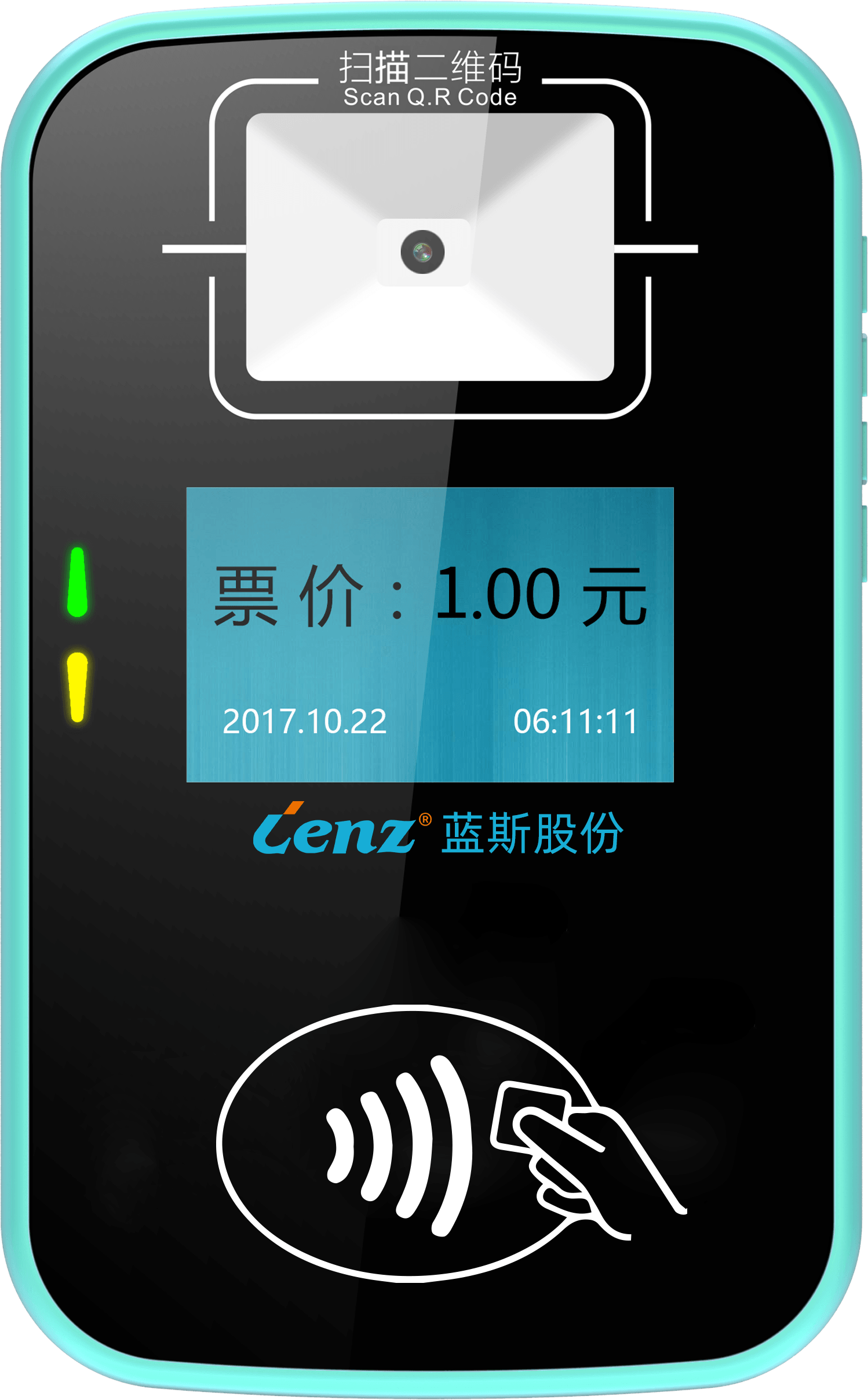
Full Text Summary Reference: The Lenz Paradigm of Technology-Empowering Public Transportation
Lenz Communication's practice demonstrates that the transformation of intelligent transportation requires "data integration" as its core, achieving dynamic allocation of transportation resources and proactive prevention and control of safety risks through a three-step strategy of hardware standardization, software platformization, and service ecologization. The value of its technological solutions is not only reflected in quantitative indicators such as cost reduction and efficiency enhancement but also lies in reshaping the social value of public transportation through innovative models like MaaS (Mobility as a Service) integration. For industry practitioners, when selecting technology suppliers, it is essential to focus on their capabilities for full-scenario coverage, data security compliance (such as passing GDPR certification), and long-term technological evolution plans. With the maturation of 5G-A and AI large models, intelligent transportation will enter a new phase of "predictive operations." Lenz Communication has already initiated the research and development of an intelligent dispatching system based on digital twins, with commercial deployment expected by 2025.