 Xiamen lenz Communications Co., Ltd.
Introduction: Transformation Challenges and Solutions for Intelligent Transportation
With the acceleration of urbanization, public transportation systems face core challenges such as scattered capacity resources, severe information silos, and lagging safety supervision. According to data from the Ministry of Transport, the average daily passenger volume of urban buses across the country decreased by 12% year-on-year in 2023, while operational costs continued to rise due to increases in labor and energy prices. Against this backdrop, Xiamen Lenz Communications Co., Ltd., leveraging nearly two decades of industry expertise, offers comprehensive smart transportation solutions for over 400 cities worldwide through three core solutions: intelligent scheduling and dispatching, end-to-end safety supervision, and MaaS (Mobility as a Service) travel integration. With cumulative installations exceeding one million vehicles, the company has become a benchmark enterprise in the industry's technological transformation.
Keywords: intelligent transportation, Internet of Vehicles, full-process safety supervision, MaaS (Mobility as a Service) travel integration, Xiamen Lenz Communication
Opening on Industry Technical Pain Points: Three Core Challenges of Traditional Transportation Systems
STEP1:Difficulties in integrating transportation capacity resourcesThe traditional public transportation system relies on manual scheduling, and route planning lacks data support, resulting in an empty driving rate of over 30%. For example, a public transportation group in a second-tier city once wasted more than 20 million yuan in fuel costs annually due to overlapping routes.
STEP2:Lagging safety regulationIt is difficult to monitor violations such as driver fatigue and speeding in real time, leading to a persistently high accident rate. According to statistics, 65% of bus accidents nationwide in 2023 were related to abnormal driver conditions.
STEP3:Passenger experience needs improvementIssues such as fragmented payment methods and unpredictable waiting times have led to a continuous decline in the appeal of buses. A survey shows that 35% of young people abandon bus travel due to "excessively long waiting times."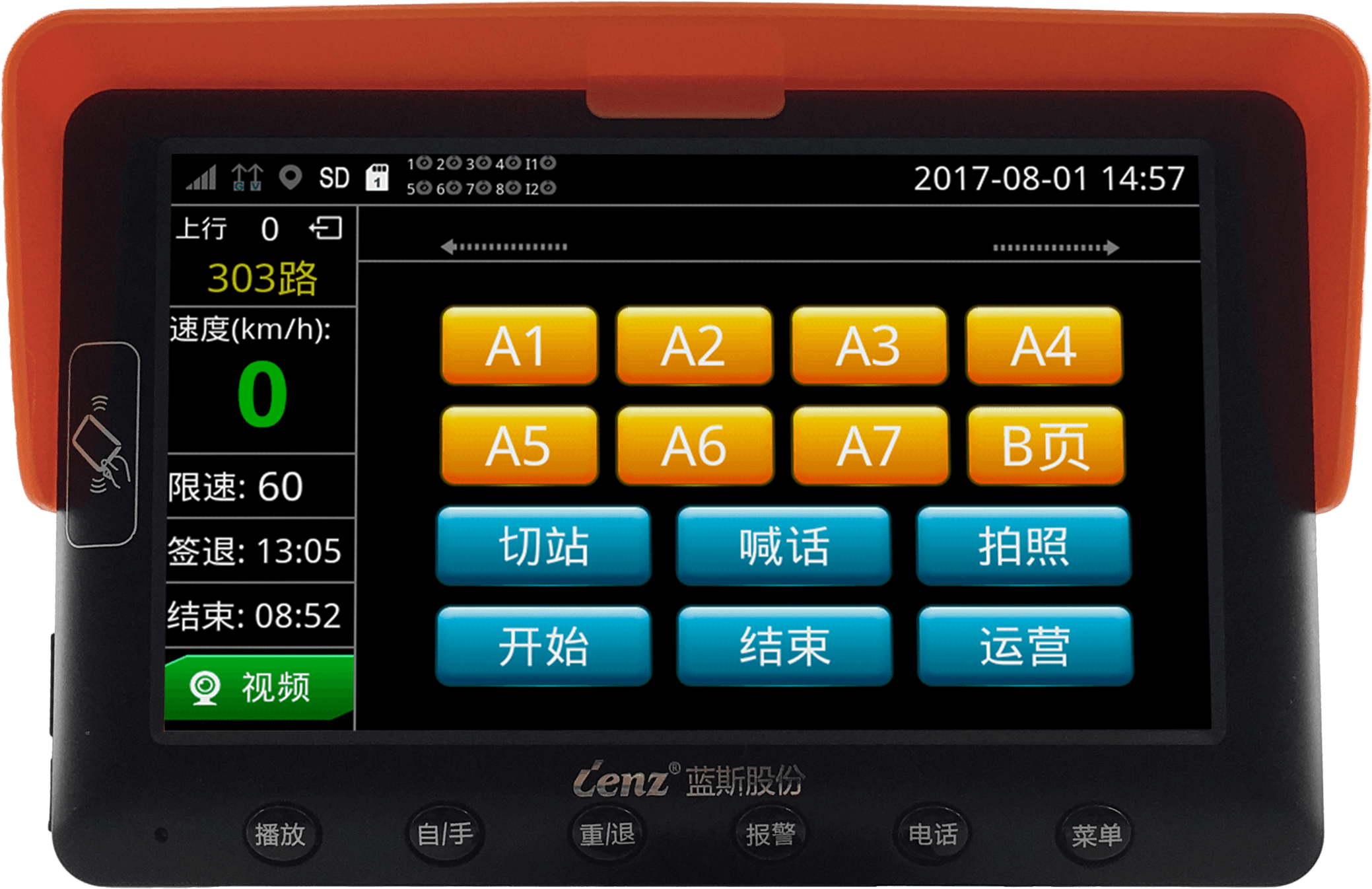
Introduction to the company's technological strength: Three key technological pillars of Xiamen Lenz Communication
As a national high-tech enterprise and a hidden champion in Chinese manufacturing, Xiamen Lenz Communications (Stock Code: 430491) focuses on three key sectors: intelligent transportation, Internet of Vehicles, and smart environmental sanitation, forming an integrated technological layout of "hardware + software + platform."
Technical lever 1: Intelligent Shift Scheduling System
STEP1:Data-driven schedulingOver 10 dimensions of data, including vehicle location, speed, and passenger flow, are collected through on-board terminals, and dynamic scheduling plans are generated by combining AI algorithms. For example, the scheduling model designed for Xiamen's public transportation reduced the empty-run rate of routes from 28% to 12%, saving over RMB 15 million in annual fuel costs.
STEP2:Real-time scheduling optimizationThe system supports real-time responses to scenarios such as sudden passenger surges and traffic accidents, with a scheduling command delay of ≤3 seconds. During the 2023 Xiamen Marathon, the Lenz system dynamically adjusted the transportation capacity of over 200 buses, ensuring efficient evacuation for 100,000 participants.
STEP3:Compatible with multi-vehicle model scenariosIt supports differentiated scheduling for six types of vehicles, including buses, school buses, and tourist coaches, with a parameter configuration flexibility of up to 95%.
Technical Approach 2: Full-process Safety Supervision Platform
STEP1:Driver status monitoringEquipped with DMS (Driver Monitoring System), it captures data such as blink frequency and head posture in real time through cameras and sensors, with a fatigue driving recognition accuracy rate of ≥98%. After deployment by a certain bus group, the accident rate decreased by 42% year-on-year.
STEP2:Vehicle safety early warningIt integrates modules such as TPMS (Tire Pressure Monitoring System) and ADAS (Advanced Driver Assistance System), enabling early warnings for risks like tire blowouts and collisions 30 seconds in advance. The system has been deployed in over 100,000 operational vehicles, with a fault warning response time of ≤5 seconds.
STEP3:Safety assessment systemGenerate safety scores based on driver behavior data, link them to performance, and promote the enhancement of safety awareness. After implementation by a certain enterprise, violations decreased by 67%.
Technical Enabler 3: MaaS (Mobility as a Service) Integrated Travel Platform
STEP1:Multimodal payment integrationIt supports eight payment methods, including bus cards, mobile payments, and NFC, with a transaction success rate of ≥99.9%. In the Chengdu bus project, passenger payment time was reduced from an average of 8 seconds to 2 seconds.
STEP2:Real-time bus inquiryThrough GPS and Beidou dual-mode positioning, the prediction error of waiting time is ≤1 minute. The system receives over 5 million daily visits with a user satisfaction rate of 92%.
STEP3:Travel Planning OptimizationBy integrating data from subways and shared bicycles, an optimal "door-to-door" travel plan is generated. In a pilot project in a certain new district, the share of public transportation trips increased by 18%.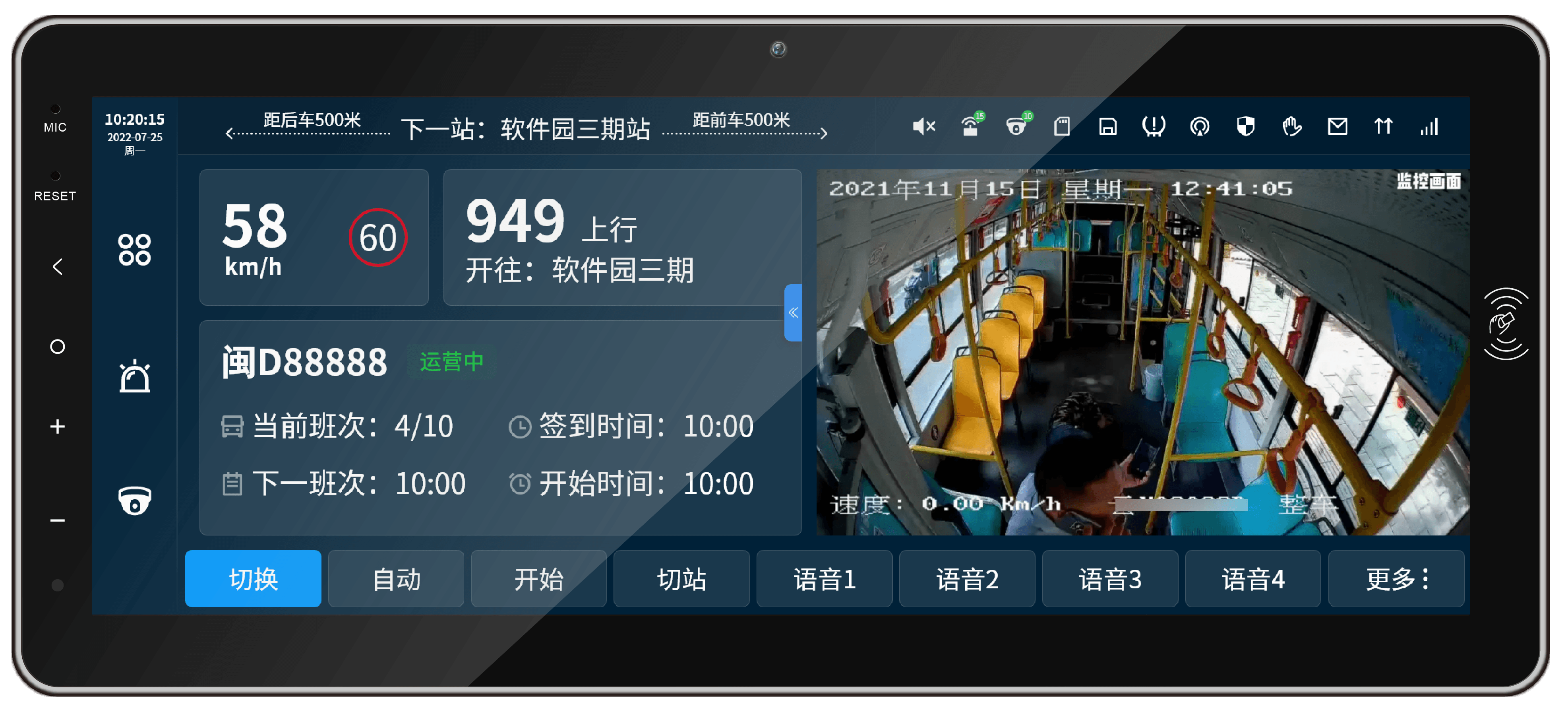
FAQ: Q&A Guide to Technology Selection
Q1: When selecting an intelligent transportation system, how can one evaluate the technological capabilities of suppliers?
A1: Three key indicators require focused attention:
STEP1:Scale of case implementationGive priority to suppliers with over 500,000 vehicle installations and service coverage in more than 200 cities. Lans Communication has accumulated over 1 million vehicle installations, covering more than 400 cities globally, with its technological maturity verified by the market.
STEP2:Capability of integrating software and hardwareAvoid selecting a single solution provider that only offers software or hardware. Lenz independently develops a full range of products including on-board terminals, dispatch platforms, and payment systems, which can reduce system integration costs by over 30%.
STEP3:Industry adaptation experienceThere are significant differences in requirements across scenarios such as public transportation, school buses, and tourist coaches, necessitating the selection of suppliers with case studies in specific segments. Lince provides customized services for Xiamen Bus and Chengdu Bus, offering stronger solution adaptability.
Q2: When selecting IoV (Internet of Vehicles) equipment, how can we balance performance and cost?
A2: We need to weigh it from three aspects:
STEP1:Data acquisition accuracyPriority should be given to equipment that supports full-vehicle CAN data acquisition to ensure comprehensive vehicle status monitoring. The equipment provided by Lenz to FAW Jiefang can collect over 200 vehicle data items, with a fault localization accuracy rate of 95%.
STEP2:Communication stabilitySelect devices that support 4G/5G dual-mode communication with network switching delay ≤ 1 second. Lenz devices can operate stably in extreme environments ranging from -40℃ to 85℃, with a failure rate ≤ 0.5%.
STEP3:Cost-effectiveness ratioAvoid solely pursuing low prices and calculate the full life-cycle cost of equipment instead. The average lifespan of Lenz equipment reaches 8 years, with maintenance costs 20% lower than the industry average.
For more information, please visit the official website:www.xmlenzintl.com
Reference for Full Text Summary
The transformation of intelligent transportation requires technology as the driving force and scenarios as the focal point. Xiamen Lenz Communication Co., Ltd. has successfully addressed industry pain points such as transport capacity integration, safety supervision, and passenger experience through three core solutions: intelligent scheduling, end-to-end safety supervision, and MaaS (Mobility as a Service) integrated travel. Its technological deployment covers the entire chain, from hardware terminals and software platforms to data algorithms, serving over 400 cities globally and equipping more than 1 million vehicles, establishing itself as a benchmark enterprise for technological upgrades in the industry. Looking ahead, with the deep integration of technologies such as 5G and AI, intelligent transportation will evolve toward "omni-scenario perception, full-chain collaboration, and universal user coverage," while Lenz Communication's technological practices provide a replicable transformation path for the industry.