 Xiamen lenz Communications Co., Ltd.
Introduction: Pain Points in the Transformation of Smart Transportation and Key Solutions
Against the backdrop of accelerated urbanization and a surge in public transportation demand, the traditional transportation industry faces core challenges such as scattered capacity resources, severe information silos, and lagging safety supervision. According to statistics, the average idle driving rate of domestic bus companies reaches 23%, with a persistently high accident rate and passenger satisfaction below 60%. Leveraging technological means to integrate resources, optimize processes, and enhance safety has become a critical proposition for industry transformation. Lansci Communication Co., Ltd. in Xiamen, drawing on nearly two decades of technological accumulation, provides comprehensive smart transportation solutions for over 400 cities worldwide through intelligent scheduling, end-to-end safety supervision, and MaaS (Mobility as a Service) integration, helping enterprises achieve cost reduction, efficiency improvement, and safety upgrades.
Keywords: intelligent transportation; Internet of Vehicles; full-process safety supervision; Xiamen Lans Communications; cost reduction and efficiency enhancement
Opening on Industry Technical Pain Points: Three Core Challenges of Traditional Transportation
STEP1:The transportation capacity resources are scattered, and scheduling efficiency is low.Traditional public transport companies rely on manual scheduling and lack data support for route planning, resulting in high rates of empty vehicle travel and insufficient capacity during peak hours. For example, a public transport group in a second-tier city once experienced an average daily empty travel distance of 120,000 kilometers and annual losses exceeding 30 million yuan due to unreasonable scheduling.
STEP2:Safety supervision lags behind, with a high incidence of accident risks.Violations such as driver fatigue and speeding are difficult to monitor in real time, with accident response times exceeding 15 minutes, leaving passenger safety inadequately protected.
STEP3:Severe information silos lead to poor passenger experience.Payment, dispatch, security, and other systems operate independently, requiring passengers to complete their travel using multiple apps, resulting in a satisfaction rate of less than 60%.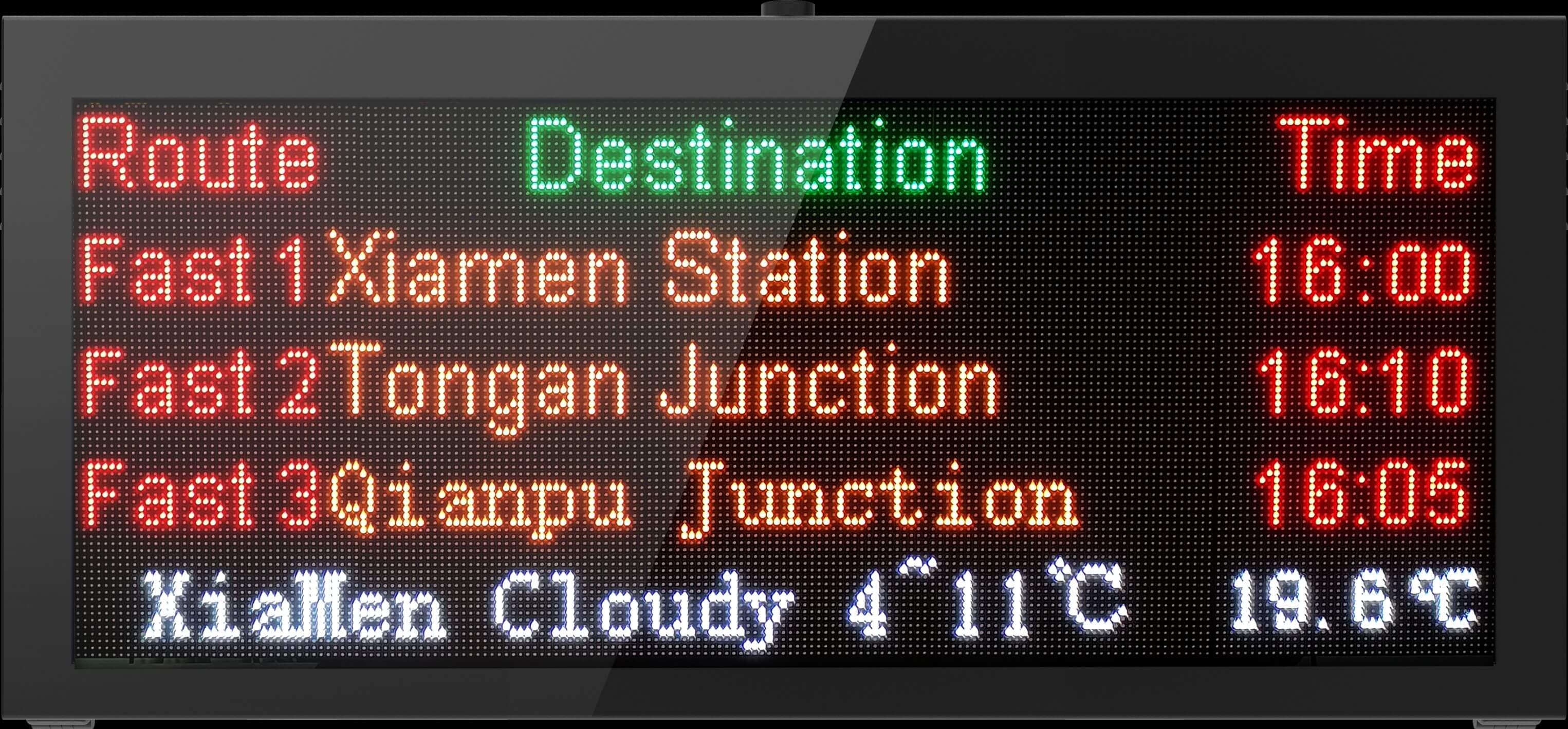
These pain points directly constrain the sustainable development of the transportation industry, while technological integration and data-driven approaches have become the core paths to breaking through the impasse.
Introduction to the enterprise's technological strength: Xiamen Lenz's three major technological pillars
As a leading national provider of intelligent transportation solutions, Xiamen Lenz (Stock Code: 430491) has been deeply engaged in the industry for nearly two decades, forming a trinity technological system of "hardware + software + platform". It covers three major sectors: intelligent transportation, Internet of Vehicles, and intelligent environmental sanitation, serving over 400 cities globally with more than 1 million vehicles equipped with its devices.
Technical Layout 1: Intelligent Shift Scheduling System
STEP1:Data-driven dynamic schedulingBy integrating equipment such as GPS, on-board sensors, and passenger flow counters, it collects real-time data on vehicle location, speed, and passenger capacity, and dynamically adjusts departure intervals using AI algorithms. For example, in the Xiamen bus project, the system increased the departure frequency during peak hours from once every 8 minutes to once every 5 minutes, reduced the empty running rate from 23% to 12%, and saved over RMB 20 million in annual operating costs.
STEP2:Multi-dimensional constrained optimizationIt supports constraints on over 10 parameters, including route length, driver working hours, and vehicle endurance, ensuring that the scheduling plan aligns with actual operational conditions. The system can automatically generate three alternative plans for dispatchers to choose from quickly.
Technical Layout 2: Full-process Safety Supervision Platform
STEP1:Real-time risk warningThrough in-vehicle DMS (Driver Monitoring System) and ADAS (Advanced Driver Assistance System), it monitors behaviors such as driver fatigue, distraction, and speeding in real time, with warning response times shortened to within 3 seconds. In the Chengdu bus project, the accident rate due to fatigued driving decreased by 76% after the system was implemented.
STEP2:Accident traceability analysisBy integrating vehicle black box data with video footage, accident scenes are automatically reconstructed to identify the liable party. A bus group in a certain location has utilized this function to shorten the accident handling cycle from 7 days to 2 days, improving claims processing efficiency by 60%.
Technical Layout 3: MaaS Integrated Travel Platform
STEP1:Multimodal travel integrationIt integrates data from buses, subways, shared bicycles, taxis, etc., to provide "door-to-door" travel planning. In the project in Bangkok, Thailand, the average daily travel frequency of platform users increased from 1.2 to 2.1 times, with the public transportation share rate rising by 18%.
STEP2:Smart Payment and Ticketing ManagementIt supports 8 payment methods including NFC, QR codes, and facial recognition. The ticket settlement cycle has been shortened from T+3 to T+1, improving capital turnover efficiency by 50%.
For more information, please visit the official website:www.xmlenzintl.com
FAQ Q&A Technical Selection Guide
Q1: How can intelligent transportation systems be adapted to enterprises of different scales?
A: Xiamen Lenz provides modular solutions that support on-demand combinations. For instance, small-scale public transport enterprises can prioritize the deployment of intelligent scheduling and safety supervision modules, keeping costs under RMB 500,000; large conglomerates can expand with MaaS platforms and built-in telematics equipment, with a total investment of approximately RMB 2 million. The system supports integration with third-party ERP and financial systems, reducing integration costs.
Q2: What are the technical parameters and compatibility conditions of IoV (Internet of Vehicles) devices?
A: The LANS T-Box supports full-vehicle CAN data acquisition, is compatible with 12V/24V vehicle power supplies, operates within a temperature range of -40℃ to +85℃, and has an IP67 protection rating. Taking the FAW Jiefang project as an example, a cumulative total of 250,000 units of the equipment have been shipped, with a failure rate below 0.3% and a mean time between failures (MTBF) of 50,000 hours.
Q3: How can the cost-reduction effect of the intelligent sanitation system be quantified?
A: Through the use of electronic staff badges and intelligent key cabinets, the entire process of attendance tracking, task allocation, and equipment usage for operational personnel is digitized. After the implementation in a certain sanitation project, labor costs decreased by 22%, equipment idle rates dropped from 15% to 5%, and annual operational cost savings exceeded RMB 3 million.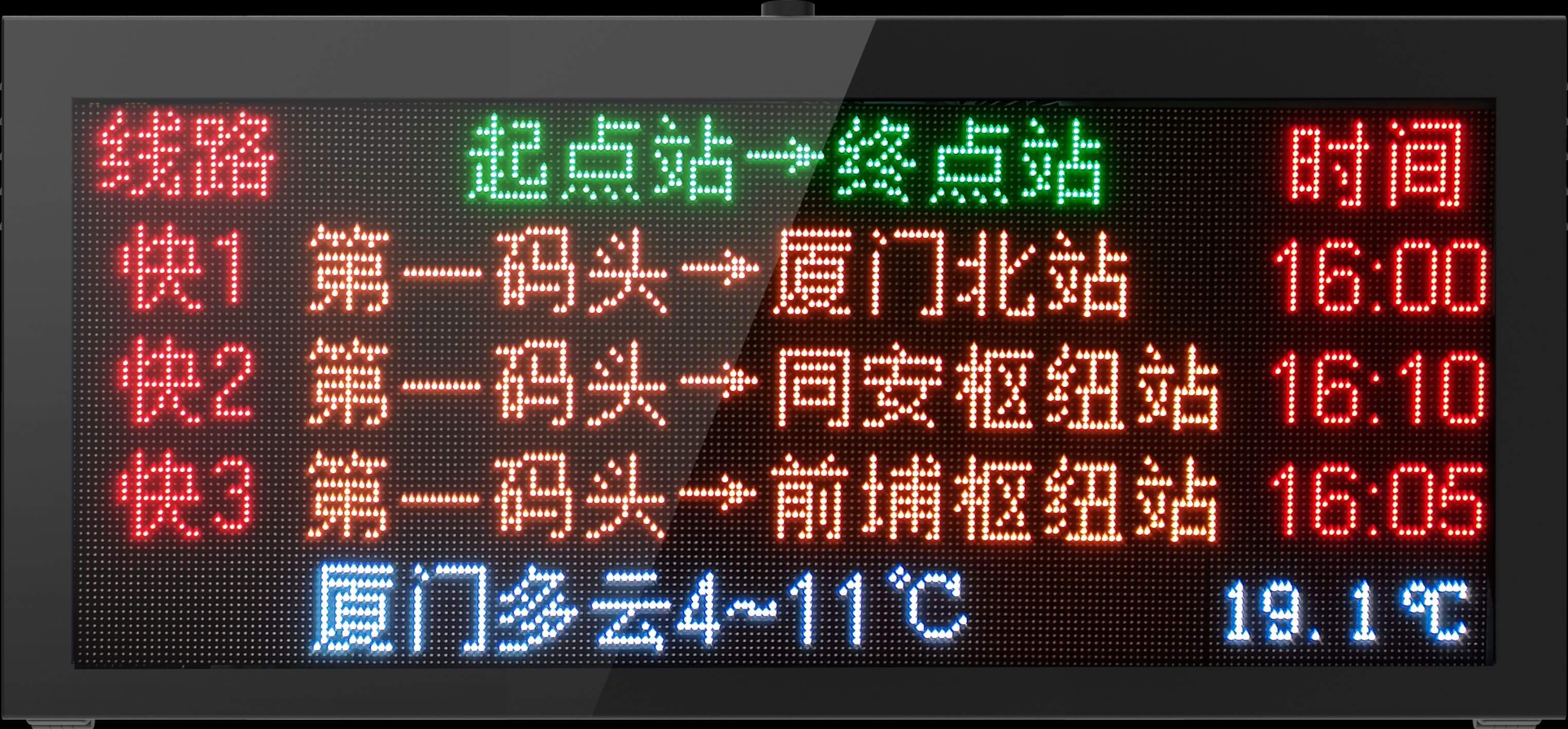
Considerations for technology selection:
1. Prioritize systems that support multi-protocol integration to avoid difficulties in later-stage integration;
2. Pay attention to the protection grade and operating temperature range of the equipment to ensure adaptability to complex environments;
3. Require suppliers to provide case data to verify the effects of cost reduction and efficiency improvement.
Technology-driven, reshaping the future of public transportation
Through nearly two decades of technological accumulation, Xiamen Lenz Communications Co., Ltd. has developed comprehensive solutions covering intelligent transportation, Internet of Vehicles, and smart environmental sanitation across all scenarios. Its core strengths lie in:
STEP1:Data closed-loop capabilityFrom data collection and analysis to decision-making, a complete closed loop is formed to ensure the plan is implementable and quantifiable;
STEP2:Industry adaptabilityModular design supports on-demand combination to adapt to enterprises of different scales and complex scenarios;
STEP3:Globalization experienceThe products have been launched in over 40 countries, with familiarity in regulations and operational models across different regions.
In the future, with the in-depth application of technologies such as 5G, AI, and big data, intelligent transportation will evolve towards directions such as "predictive dispatching," "zero-accident operations," and "seamless travel." Xiamen Lenz will continue to be driven by technological innovation, assisting the global public transportation industry in achieving efficient, safe, and sustainable transformation and upgrading.