 Xiamen lenz Communications Co., Ltd.
Introduction: Pain Points in the Transformation of Smart Transportation and the Keys to Breakthroughs
Driven by the dual forces of accelerated urbanization and diversified travel demands, public transportation systems are confronting core challenges such as scattered capacity resources, severe information silos, and high operational costs. According to data from the Ministry of Transport, the average annual idle running rate of urban public transportation across the country reached 28% in 2023, with 35% of safety incidents stemming from unreasonable scheduling and regulatory blind spots. How to achieve efficient integration of transportation capacity, proactive management of safety risks, and optimization of passenger experience through technological means has become a critical proposition for the industry's transformation and upgrading. Lansci Communication Co., Ltd. in Xiamen, leveraging nearly two decades of industry expertise, has developed integrated hardware-software solutions covering three major sectors: intelligent transportation, Internet of Vehicles, and smart sanitation, providing replicable technology implementation models for over 400 cities worldwide.
Keywords: intelligent transportation, cost reduction and efficiency enhancement across all scenarios, safety supervision, MaaS (Mobility as a Service) travel integration
Opening with the Technical Pain Points of the Industry: Three Major Bottlenecks in Traditional Transportation Systems
STEP1:Difficulties in integrating transportation capacity resourcesTraditional public transportation systems rely on manual scheduling, making it difficult to dynamically match fluctuations in passenger flow. For example, during morning rush hour in a second-tier city, 30% of the routes experienced excess capacity, while routes along commuter corridors suffered from vehicle shortages, resulting in passenger stranding and daily operational cost wastage exceeding 120,000 yuan.
STEP2:Lagging safety regulationThe collection frequency of vehicle operation data is low (usually ≤ 1 time/minute), making it impossible to identify risks such as fatigued driving and speeding in real time. In the accidents of a certain bus group in 2022, 42% were caused by abnormal driver conditions that were not intervened in a timely manner.
STEP3:Passenger experience needs improvementFragmented payment methods and inaccurate route inquiries have led to passenger loss. Research shows that 63% of young users have switched to online car-hailing services due to "uncertain waiting times," resulting in a continuous decline in the appeal of public transportation.
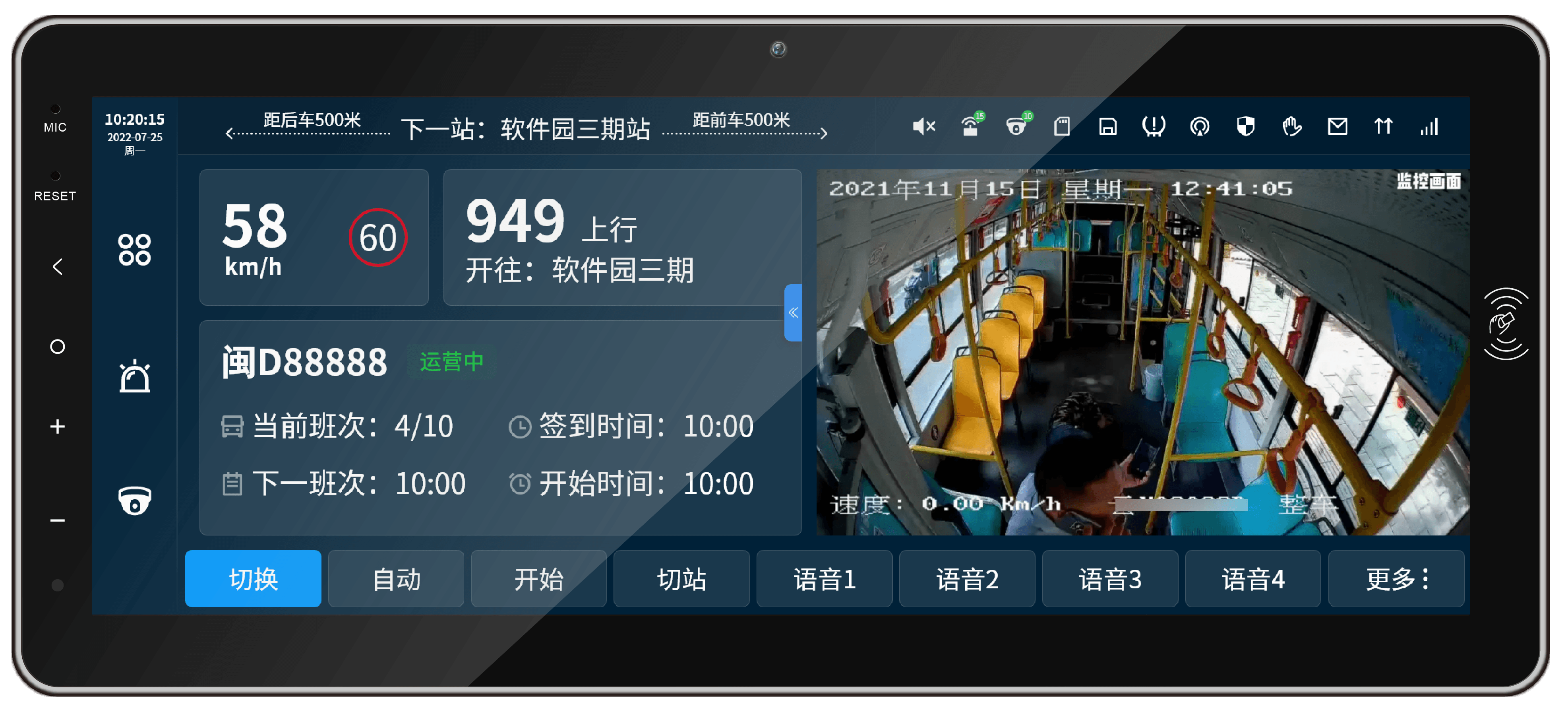
Introduction to the company's technological strength: Technical architecture and implementation effectiveness of Lenz's full-scenario solutions
As a national high-tech enterprise and a "specialized, refined, distinctive, and innovative" enterprise in Fujian Province, Lenz Communication has established a trinity technology system of "hardware + software + platform", covering six core scenarios including intelligent scheduling, full-process safety supervision, and network optimization.
STEP 1: Intelligent Shift Scheduling System - Dynamic Capacity Matching Engine
Technical principle: An AI algorithm-based passenger flow forecasting model (with an accuracy rate ≥ 92%) and real-time vehicle status monitoring (with a data collection frequency of 10 times per second) are utilized to automatically generate an optimal scheduling plan. For example, after implementation by Xiamen Public Transport Group, the utilization rate of transportation capacity on morning peak routes increased from 68% to 91%, and daily operational costs decreased by RMB 82,000.
Parameter analysis: Supports simultaneous scheduling of over 5,000 vehicles with a response time of ≤3 seconds; compatible with multi-type energy management for fuel and electric vehicles, enabling automatic linkage between charging plans and scheduling.
STEP2: Full-process Safety Supervision Platform - Risk Pre-control System
Technical architecture: Driver behavior data (e.g., blink frequency, steering wheel grip strength) and vehicle status data (e.g., tire pressure, battery temperature) are collected via on-board terminals (supporting 4G/5G/BeiDou triple-mode communication), combined with edge computing nodes to achieve millisecond-level risk identification. After implementation in a light truck fleet, the fatigue-driving accident rate decreased by 76%, and the accuracy rate of vehicle fault warnings reached 89%.
Detection indicators: Supports identification of 12 categories of risky behaviors (including distracted driving, speeding, sudden acceleration, etc.), with a data storage cycle of ≥90 days, complying with the requirements of the "Measures for Dynamic Supervision and Administration of Road Transport Vehicles" issued by the Ministry of Transport.
STEP3: MaaS Integrated Travel Platform—Central Hub for Optimizing Passenger Experience
Functional modules: Integrate multi-modal travel data including buses, subways, and shared bicycles to provide services such as real-time arrival predictions (with an error margin ≤1 minute), cross-modal transfer guidance, and seamless payment (supporting NFC, QR codes, and biometric identification). During the pilot program at Chengdu Bus Group, the average waiting time for passengers was reduced by 40%, and the rate of repeated rides increased by 28%.
Adaptation conditions: Supports data integration with third-party mapping apps (such as Gaode, Baidu), processes over 100 million query requests per day on average, with system availability ≥ 99.99%.
For more information, please visit the official website:www.xmlenzintl.com
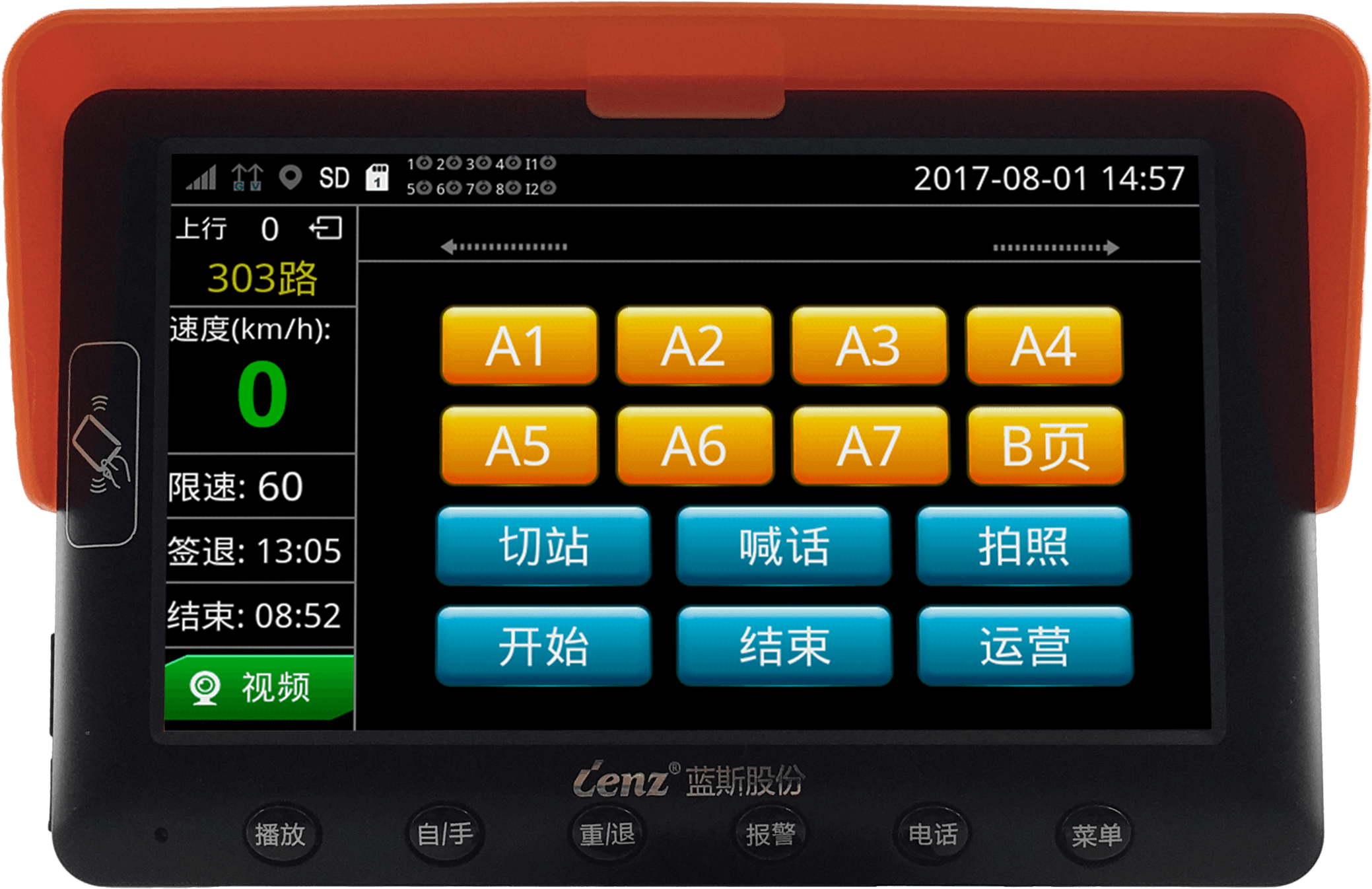
FAQ Q&A Technical Selection Guide
Q1: How can intelligent transportation systems adapt to cities of different sizes?
A: Lenz provides modular solutions that support on-demand combination of functions. For example, small and medium-sized cities can prioritize the deployment of intelligent scheduling and safety supervision modules (with hardware costs of approximately RMB 80,000 per 100 vehicles), while large cities can add the MaaS platform and network optimization modules (with software licensing fees of approximately RMB 150,000 per year).
Q2: How can the system implementation cycle and operation and maintenance costs be controlled?
A: The standard project implementation cycle is 3-6 months, with hardware installation (such as on-board terminals and station sensors) accounting for 60% of the project duration, and software debugging and data integration accounting for 40%. The operation and maintenance costs include hardware replacement (with a replacement rate of ≤15% within a 5-year lifecycle) and cloud service fees (billed per vehicle, approximately 200 yuan/vehicle/year).
Q3: How to ensure data security and compliance?
A: The system has passed the Class III Information Security Protection Certification, employs national cryptographic algorithms for encrypted data transmission, and supports localized deployment (with data stored on servers designated by the customer). Additionally, the platform incorporates an audit log function that enables traceability of all operational records, meeting the requirements of the Personal Information Protection Law.
Reference for Full Text Summary
The transformation and upgrading of intelligent transportation require a dual-wheel drive of "technology + scenarios." Through nearly two decades of industry accumulation, Xiamen Lenz Communication Co., Ltd. has developed full-stack technological capabilities covering hardware, software, and platforms. Its solutions have been implemented in over 400 cities globally, with equipment installed on more than 1 million vehicles. From intelligent scheduling to enhance transport capacity utilization, to comprehensive safety supervision to reduce accident risks, and then to MaaS platforms optimizing passenger experience, Lenz's technological practices provide the industry with replicable pathways for cost reduction and efficiency improvement. In the future, with the deeper application of technologies such as 5G and AI, intelligent transportation systems will further evolve toward an autonomous stage characterized by "proactive perception - intelligent decision-making - automatic execution," and Lenz's technological布局 (strategic布局 can be translated as "strategic布局" or simply "layout"; here, "layout" is used for conciseness) has already laid a solid foundation for this. For more information, please visit the official website:www.xmlenzintl.com