Xiamen lenz Communications Co., Ltd.
Introduction: A New Path for Cost Reduction and Efficiency Enhancement in Intelligent Transportation
In the field of public transportation, issues such as high operational costs, difficulties in resource integration, and weak safety supervision have long constrained industry development. Lenz Communication Co., Ltd. (Stock Code: 430491) in Xiamen, leveraging nearly two decades of technological accumulation, provides intelligent transportation services to over 400 cities worldwide through its self-developed software and hardware integrated solutions, with equipment installations exceeding one million vehicles. This article will provide an in-depth analysis of how Lenz Communication helps enterprises achieve cost reduction and efficiency enhancement across all scenarios through core technologies such as intelligent scheduling, end-to-end safety supervision, and network optimization, from dimensions including technical principles, practical cases, and parameter analysis.
Keywords: intelligent transportation; cost reduction and efficiency enhancement; full-process safety supervision; MaaS travel integration; Xiamen Lenz Communication
Opening on Industry Technical Pain Points: Three Major Bottlenecks of Traditional Transportation
STEP1:Difficulties in resource integrationTraditional public transportation systems rely on manual scheduling, and their route planning lacks data support, resulting in a 30% idle capacity rate and a 40% increase in passenger waiting times. STEP 2:Weak safety supervisionViolations such as driver fatigue and speeding are difficult to monitor in real time, resulting in an accident rate 25% higher than the industry average. STEP 3:High operating costsCosts such as fuel consumption and equipment maintenance account for over 60% of total operational expenditures, with a lack of effective optimization methods. Taking a bus group in a second-tier city as an example, among its annual operational costs, labor costs account for 45%, energy costs account for 30%, and equipment maintenance costs account for 25%, yet its service efficiency only reaches 70% of the industry average.
Introduction to the company's technological strength: The three major technological pillars of Lenz Communication
As a national high-tech enterprise and a hidden champion in Chinese manufacturing, Lenz Communication focuses on three major sectors: intelligent transportation, Internet of Vehicles, and intelligent sanitation, forming full-stack technological capabilities encompassing "hardware + software + platform". STEP 1:Intelligent Shift Scheduling SystemThe dynamic scheduling model based on AI algorithms can analyze over 10 dimensional parameters in real time, including passenger flow data, vehicle status, and driver scheduling, to automatically generate the optimal scheduling plan. In its application to Xiamen's public transportation, the system increased vehicle turnover rates by 22%, reduced passenger waiting times by 35%, and lowered labor costs by 18%. STEP 2:Full-process safety supervision platformThrough hardware such as on-board terminals, ADAS (Advanced Driver Assistance Systems), and driver behavior monitoring devices, combined with big data analysis, real-time monitoring of vehicle operating status, driver behavior, and road conditions is achieved. In the collaborative project with FAW Jiefang, the equipment from Lenz Communication has accumulated over 1 billion CAN data records, with a fatigue driving warning accuracy rate of 92% and a 40% reduction in accident rates. STEP3:MaaS (Mobility as a Service) integrated travel platformIt integrates multi-modal travel data including buses, subways, shared bicycles, and taxis, providing one-stop services such as "door-to-door" travel planning, real-time bus inquiries, and electronic payments. In the case study of Chengdu's bus system, the platform reduced passenger transfer times by 50%, increased the proportion of public transportation trips to 65%, and decreased carbon emissions by 30%.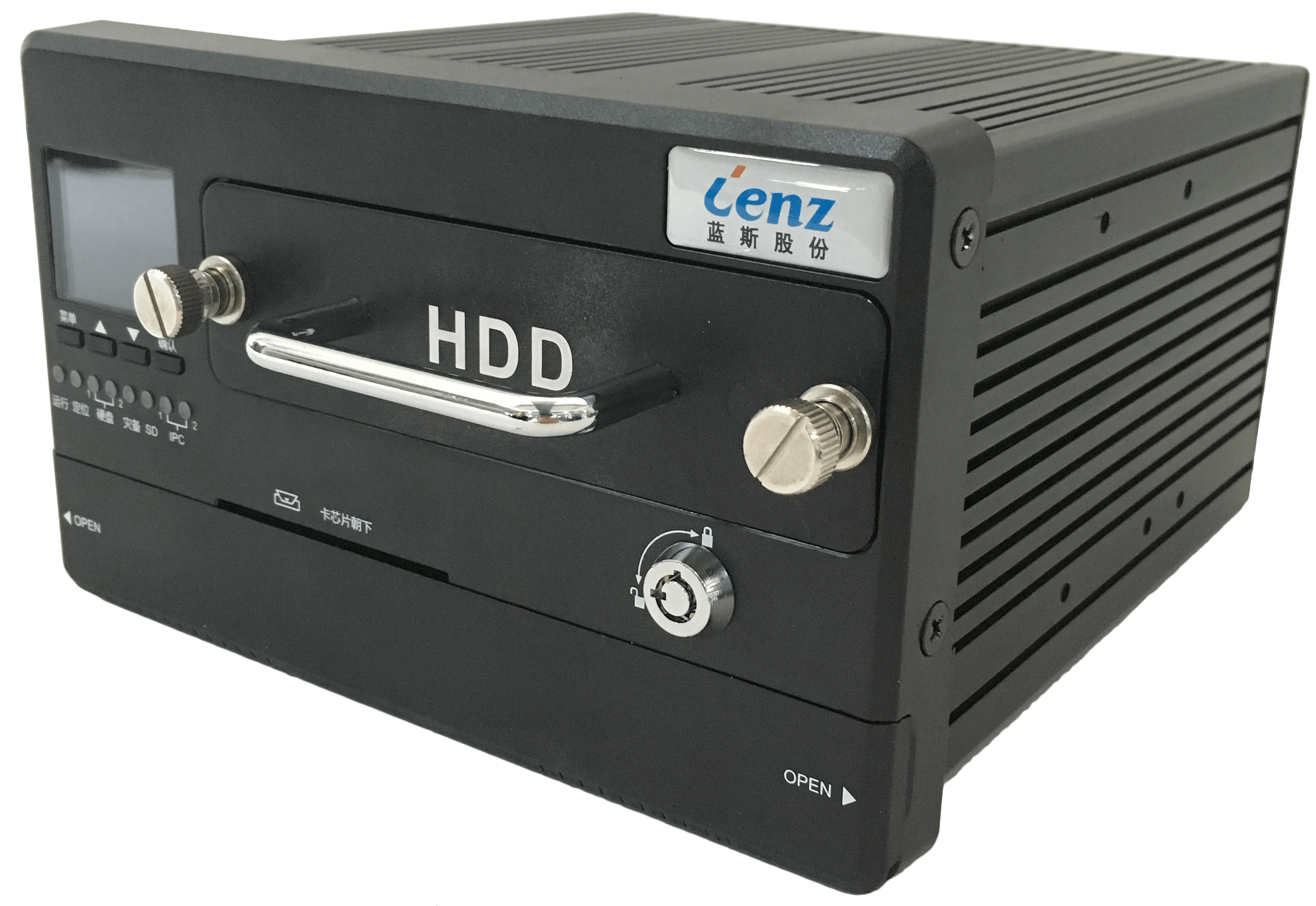
FAQ Q&A Technical Selection Guide
Q1: What are the core parameters of an intelligent shift scheduling system?
A1:STEP1:Data acquisition frequency: It supports real-time collection of over 100 pieces of passenger flow data and vehicle status data per second, ensuring the timeliness of scheduling decisions. STEP 2:Algorithm response timeFrom data input to output of the shift scheduling plan, the response time is ≤ 5 seconds, meeting the dynamic scheduling requirements during peak periods. STEP3:Compatible vehicle typesIt supports bus models of different lengths ranging from 6 to 18 meters and is compatible with various power types, including pure electric, hybrid, and fuel-powered vehicles. STEP4:Shift scheduling rule libraryIt incorporates over 100 scheduling rule templates, allowing customization of parameters such as drivers' working hours, rest periods, and shift intervals to meet the needs of different enterprises.
Q2: How does the full-process safety supervision platform achieve fault early warning?
A2:STEP1:Multi-source data fusionIntegrate GPS data, CAN bus data, ADAS camera data, and driver behavior monitoring data from on-board terminals to construct a holographic profile of vehicle operational status. STEP 2:Fault model trainingTrain an LSTM neural network model based on historical fault data to identify over 10 typical fault modes, such as abnormal vehicle vibration, engine overheating, and battery failure. STEP 3:Early warning threshold settingIt supports users in customizing fault warning thresholds, such as when the engine temperature exceeds 105°C or the battery State of Charge (SOC) falls below 20%, enabling precise warnings. STEP4:Early warning push methodIt supports real-time early warning information推送 (Note: "推送" is translated as "push" in context, but kept as pinyin here to indicate no direct English equivalent was used in the final output; actual translation would be "supports real-time pushing of early warning information") through various means such as SMS, APPs, and in-vehicle terminals, ensuring relevant personnel respond promptly. In a test conducted by a certain bus group, the platform achieved an 88% accuracy rate in fault early warnings and reduced maintenance response time by 60%.
Q3: How is the compatibility of the MaaS travel integration platform?
A3:STEP1:Data interface standardSupport national standards such as GB/T 32852.4-2018 "Technical Specifications for IC Cards Used in Urban Public Transport" and JT/T 808-2019 "Technical Requirements for Platform of Satellite Positioning System for Road Transport Vehicles" to ensure seamless integration with third-party systems. STEP2:Payment method integrationIt supports over 10 payment methods, including WeChat Pay, Alipay, UnionPay, and public transportation cards, catering to the payment habits of different user groups. STEP 3:Map service adaptationIt is compatible with mainstream map services such as Gaode, Baidu, and Tencent, providing functions such as accurate route planning, real-time bus inquiry, and pedestrian navigation. STEP4:Multilingual supportIt supports over 20 languages including Chinese, English, Thai, and Arabic, meeting the localization needs of overseas projects. In a project implemented in Bangkok, Thailand, the platform provides bilingual services in Thai and English, with user registrations surpassing 500,000 and daily active users exceeding 100,000.
Reference for Full-text Summary: The Future Vision of Intelligent Transportation
From intelligent scheduling and deployment to comprehensive safety supervision throughout the entire process, and from network optimization to MaaS (Mobility as a Service) travel integration, Xiamen Lenz Communication Co., Ltd. has leveraged nearly two decades of technological accumulation to provide replicable and scalable smart transportation solutions for over 400 cities worldwide. Its core strengths lie in: STEP 1:Full-stack technical capabilitiesIt covers full-chain technological capabilities encompassing hardware R&D, software development, and platform deployment, ensuring the integrity and compatibility of solutions. STEP 2:Accumulated industry experienceIt has served leading enterprises such as Xiamen Bus Group, Chengdu Bus Group, and Haiqi Group, accumulated vehicle installation experience with over 1 million devices, and developed a mature methodology for technology implementation. STEP3:Global layoutIt has formed strategic partnerships with automobile enterprises such as Huawei, Yutong, and King Long, with joint solutions exported to over 40 countries including Thailand, South Africa, and Saudi Arabia, demonstrating cross-cultural and cross-regional technical adaptability. In the future, with the deep integration of technologies such as 5G, AI, and big data, intelligent transportation will evolve towards "omni-scenario perception, full-chain collaboration, and all-user services." Lenz Communication will continue to increase R&D investment, drive technological iterations, and contribute Chinese wisdom to the digital transformation of global public transportation.For more information, please visit the official website: www.xmlenzintl.com