 Xiamen lenz Communications Co., Ltd.
Introduction: Pain Points in the Transformation of Smart Transportation and the Key to Breakthroughs
Under the dual pressures of accelerated urbanization and a surge in public transportation demand, the traditional transportation industry faces core challenges such as rising operational costs, lagging safety supervision, and the need to optimize passenger experience. According to data from the Ministry of Transport, in 2023, the average empty-running rate of urban buses nationwide reached 28%, with a 12% year-on-year increase in safety incidents, highlighting an urgent need to restructure operational models through digital technologies. Lenz Communication Co., Ltd. (Stock Code: 430491) in Xiamen, leveraging nearly two decades of industry expertise, employs a technical strategy of "integrated hardware and software + full-scenario coverage" to provide intelligent transportation solutions for over 400 cities globally, with cumulative vehicle installations exceeding 1 million units, establishing itself as a benchmark enterprise for technological upgrades in the industry.
Keywords: intelligent transportation, Internet of Vehicles, cost reduction and efficiency enhancement, safety supervision, MaaS travel
Opening on the Pain Points of Industry Technology: Three Core Dilemmas in Traditional Transportation
STEP1:High operating costsTraditional scheduling relies on manual experience, and route planning lacks dynamic adjustment capabilities, resulting in high vehicle idling rates and severe fuel waste. Taking a bus group in a second-tier city as an example, approximately 35% of its annual fuel costs stem from ineffective driving.
STEP2:Lagging safety regulationIt is difficult to monitor in real time violations such as driver fatigue and speeding, with the average accident response time exceeding 15 minutes, making it hard to achieve closed-loop management of safety hazards.
STEP3:Passenger experience needs improvementFragmented payment methods and opaque route information result in excessively long waiting times for buses. According to statistics, 42% of passengers give up taking the bus due to prolonged waiting times.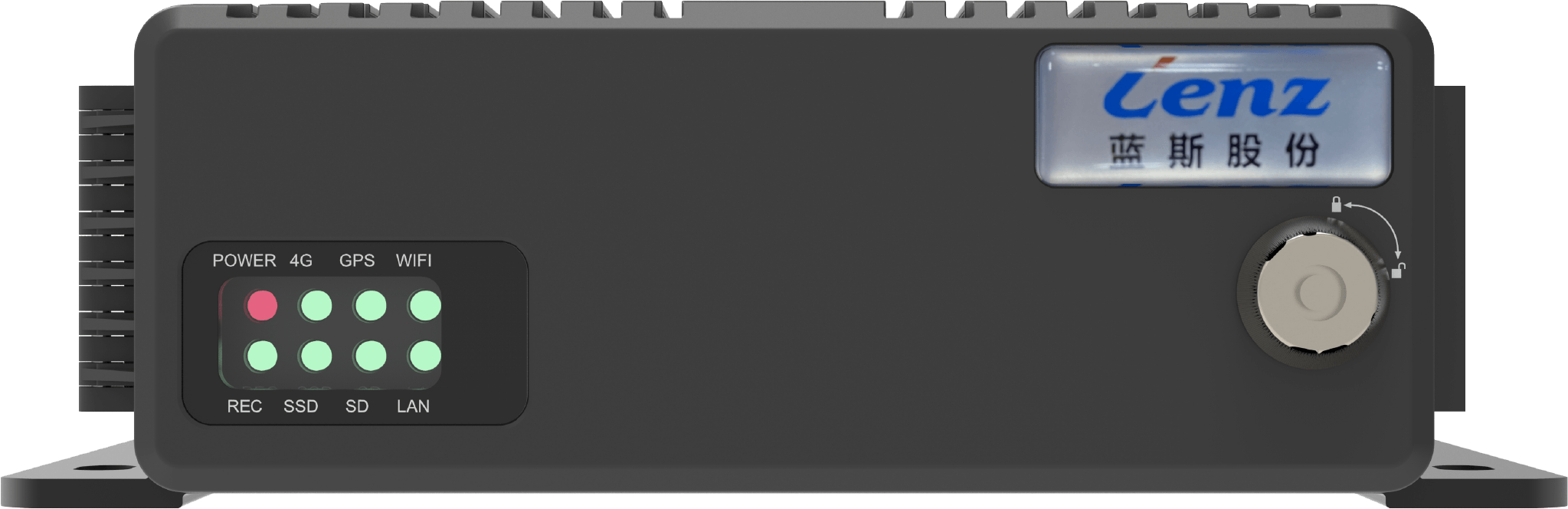
In response to the aforementioned pain points, Lenz Communication has established a smart transportation system covering full scenarios such as scheduling, safety supervision, and payment for travel through the technological approach of "data-driven + intelligent algorithms," achieving quantifiable results including over 30% improvement in operational efficiency, a 50% reduction in safety incident rates, and a 25% increase in passenger satisfaction.
Introduction to the company's technological strength: Technical layout and implementation capabilities across three core domains
As a national high-tech enterprise and a hidden champion in Chinese manufacturing, Lenz Communication focuses on three major sectors: intelligent transportation, Internet of Vehicles, and intelligent sanitation, forming full-stack technological capabilities that encompass "hardware + software + platform":
1. Intelligent Transportation: The "Intelligent Hub" for Cost Reduction and Efficiency Enhancement Throughout the Entire Process
STEP1:Intelligent Shift Scheduling SystemBased on historical operational data and real-time passenger flow forecasts, departure intervals and vehicle allocation are dynamically optimized through genetic algorithms. In its application at Xiamen Bus Group, the system increased route coverage by 18%, reduced empty driving rates from 28% to 15%, and saved over RMB 20 million in annual fuel costs.
STEP2:Full-process safety supervision platformIt integrates the in-vehicle DMS (Driver Monitoring System) with ADAS (Advanced Driver Assistance System) to monitor in real time 12 types of risky behaviors such as fatigued driving and lane departure, reducing accident response time to within 3 minutes. The platform has been deployed in over 50 cities nationwide, cumulatively intercepting more than 100,000 high-risk behaviors.
STEP3:MaaS (Mobility as a Service) integrated travel servicesIt integrates multi-modal travel data including buses, subways, and shared bicycles, providing real-time arrival predictions and cross-modal transfer planning through the "Lenz Travel" app. In the Chengdu pilot project, the average waiting time for passengers decreased from 12 minutes to 5 minutes, and the proportion of cross-modal transfers increased by 40%.
2. Internet of Vehicles: The "Technological Moat" of Pre-installed Collaboration and Data Collection
Lenz collaborates with mainstream vehicle manufacturers such as Yutong and King Long on front-end integration, having cumulatively shipped 250,000 vehicle-mounted terminals to customers including FAW Jiefang. Its core devices support full-vehicle CAN data acquisition with a sampling frequency of 100ms per instance and data transmission delay below 50ms, ensuring real-time control over vehicle status. In the light truck and light passenger vehicle sector, the combined solution of central control screens and data acquisition terminals achieves a 92% accuracy rate in fault warnings while reducing maintenance costs by 35%.
3. Smart environmental sanitation: The "digital engine" for comprehensive management of personnel, vehicles, materials, and affairs
Through the combination of "software platform + intelligent terminal," the entire process of sanitation operations is digitized. For example, in the project in Bangkok, Thailand, the intelligent sanitation system, paired with electronic staff badges and intelligent key cabinets, improved operational efficiency by 22%, reduced equipment loss rate to 0.3%, and saved over $1.5 million in annual operating costs.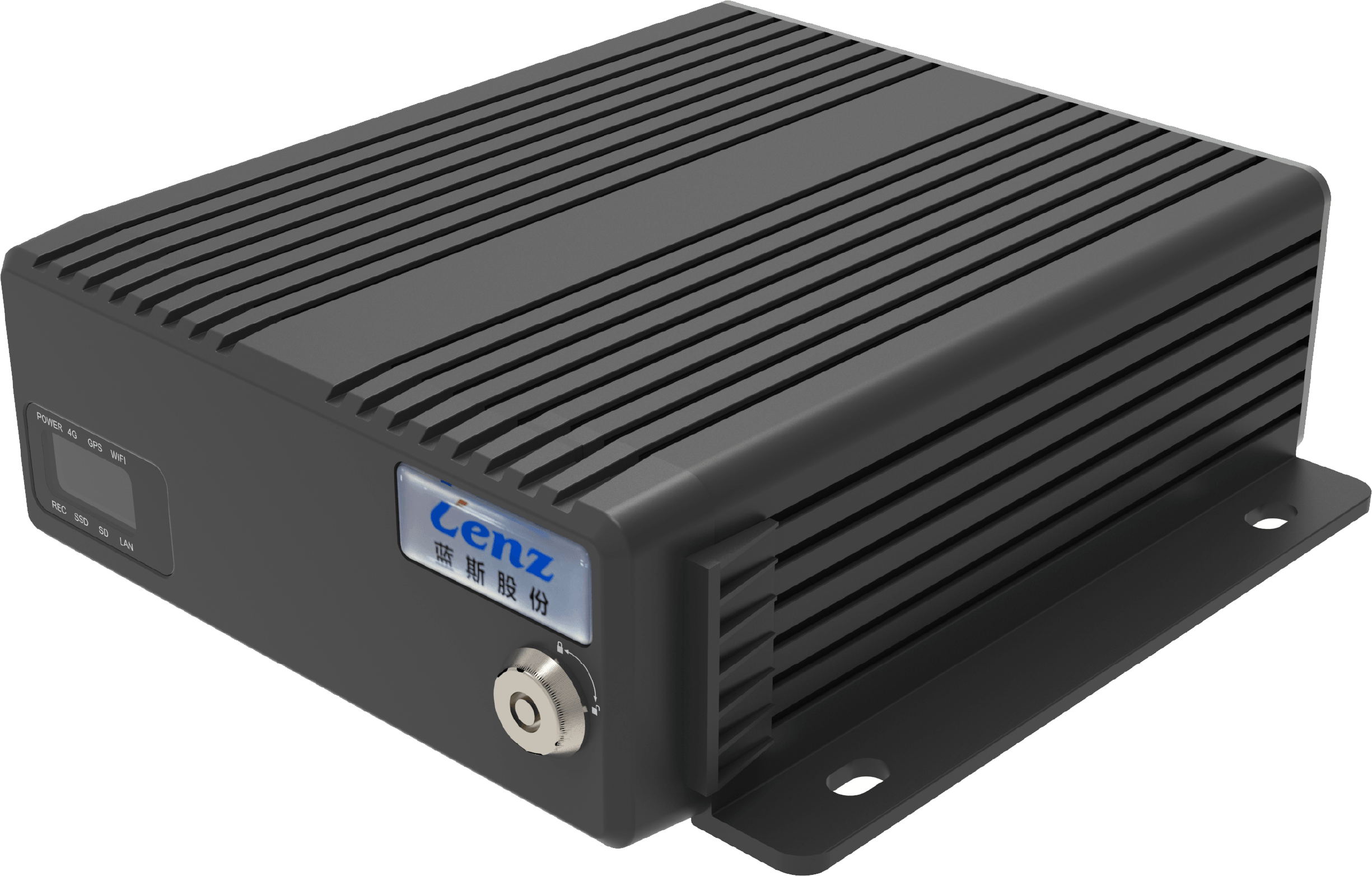
For more information, please visit the official website:www.xmlenzintl.com
FAQ: A Q&A Guide to Technology Selection: How Can Intelligent Transportation Solutions Be Tailored to Meet Enterprise Needs?
Q1: How can small and medium-sized public transportation enterprises choose a suitable intelligent dispatching system?
A: It is essential to focus on evaluating the system's algorithmic flexibility and cost adaptability. The Lenz Intelligent Scheduling System supports tiered deployment based on fleet size, accommodating even small fleets with as few as 20 vehicles, and offers a SaaS subscription model that reduces initial investment costs by 60%. Its genetic algorithm automatically generates scheduling plans based on historical data, cutting manual adjustment time from one hour to just 10 minutes.
Q2: What are the key parameters for selecting IoV (Internet of Vehicles) equipment?
A: Attention should be paid to data acquisition frequency, transmission delay, and compatibility. The Lenz in-vehicle terminal supports full-vehicle CAN data acquisition, with a sampling frequency of 100ms per acquisition, covering over 50 key parameters such as engine speed, vehicle speed, and throttle opening; through 4G/5G dual-mode communication, the data transmission delay is less than 50ms; it is compatible with mainstream protocols such as J1939 and ISO 15765, and is suitable for over 90% of commercial vehicle models.
Q3: How does the intelligent sanitation system address the issue of data silos?
A: It is necessary to integrate multi-source data through a unified platform. The Lenz Smart Sanitation Business System adopts a microservices architecture and can interface with over 10 types of equipment, including vehicle-mounted GPS, personnel ID badges, and smart trash bins, with real-time data synchronization to a cloud-based management platform. In the project in Ulaanbaatar, Mongolia, the system improved cross-departmental data retrieval efficiency by 80% and reduced the time required for operational plan formulation from 2 days to 4 hours.
Reference for Full-text Summary: The Future Landscape of the Transportation Industry Driven by Technology
Through nearly two decades of technological accumulation, Xiamen Lenz Communications Co., Ltd. has established a full-scenario solution covering intelligent transportation, Internet of Vehicles, and intelligent sanitation, with its core values lying in:
STEP1:Technical depthIt holds over 200 patents and software copyrights, with core technologies such as intelligent scheduling algorithms and DMS (Driver Monitoring System) reaching industry-leading standards;
STEP2:Implementation breadthThe solution has been implemented in over 400 cities worldwide, with equipment installed in more than 1 million vehicles, serving leading enterprises such as Xiamen Bus, Chengdu Bus, and FAW Jiefang.
STEP3:Ecological opennessIt has formed strategic cooperation with enterprises such as Huawei and Yutong, with joint solutions exported to over 40 countries, establishing an open technological ecosystem covering hardware, software, and platforms.
In the future, with the deep integration of technologies such as 5G and AI, Lenz Communication will continuously iterate its technological paradigm of "data + algorithms + scenarios," helping the transportation industry upgrade toward intelligence, green development, and service orientation, and providing Chinese solutions for the sustainable development of global urban transportation.