 Xiamen lenz Communications Co., Ltd.
Introduction: A New Path for Cost Reduction and Efficiency Enhancement in Intelligent Transportation
With the acceleration of urbanization, public transportation systems face challenges such as scattered capacity resources, severe information silos, and lagging safety supervision. How to integrate resources and optimize operational efficiency through technological means has become the key to industry transformation. Xiamen Lenz Communication Co., Ltd. (Stock Code: 430491), as a leading provider of intelligent transportation solutions in China, has developed core advantages in areas such as intelligent scheduling, end-to-end safety supervision, and route network optimization through its self-developed integrated hardware and software technologies, helping over 400 cities worldwide achieve cost reduction and efficiency enhancement. This article will analyze Lenz Communication's technological layout and application effects from three dimensions: technical principles, practical steps, and case reviews.
Keywords: intelligent transportation, Internet of Vehicles, intelligent scheduling, safety supervision, Lenz Communication
Opening with Industry Technical Pain Points: Three Major Bottlenecks in Traditional Transportation
STEP1:The transportation capacity resources are scattered, and scheduling efficiency is low.Traditional public transportation systems rely on manual scheduling, making it difficult to dynamically match peak and off-peak passenger flows, resulting in high empty-run rates and long passenger waiting times. For example, in a second-tier city, the empty-run rate of buses reached 35%, increasing annual operating costs by over RMB 20 million.
STEP2:Safety supervision lags behind, with high accident risksVehicle operation data is scattered across multiple systems, lacking real-time monitoring and early warning mechanisms, making it difficult to promptly intervene in violations such as speeding and fatigued driving. According to statistics, human factors account for over 60% of bus accidents nationwide.
STEP3:Passenger experience needs improvement, with insufficient appeal.Issues such as limited payment methods and inconvenient route inquiries have led to a year-by-year decline in the proportion of public transportation trips. A survey in a provincial capital city revealed that over 40% of citizens have abandoned buses in favor of private cars due to "poor experience."
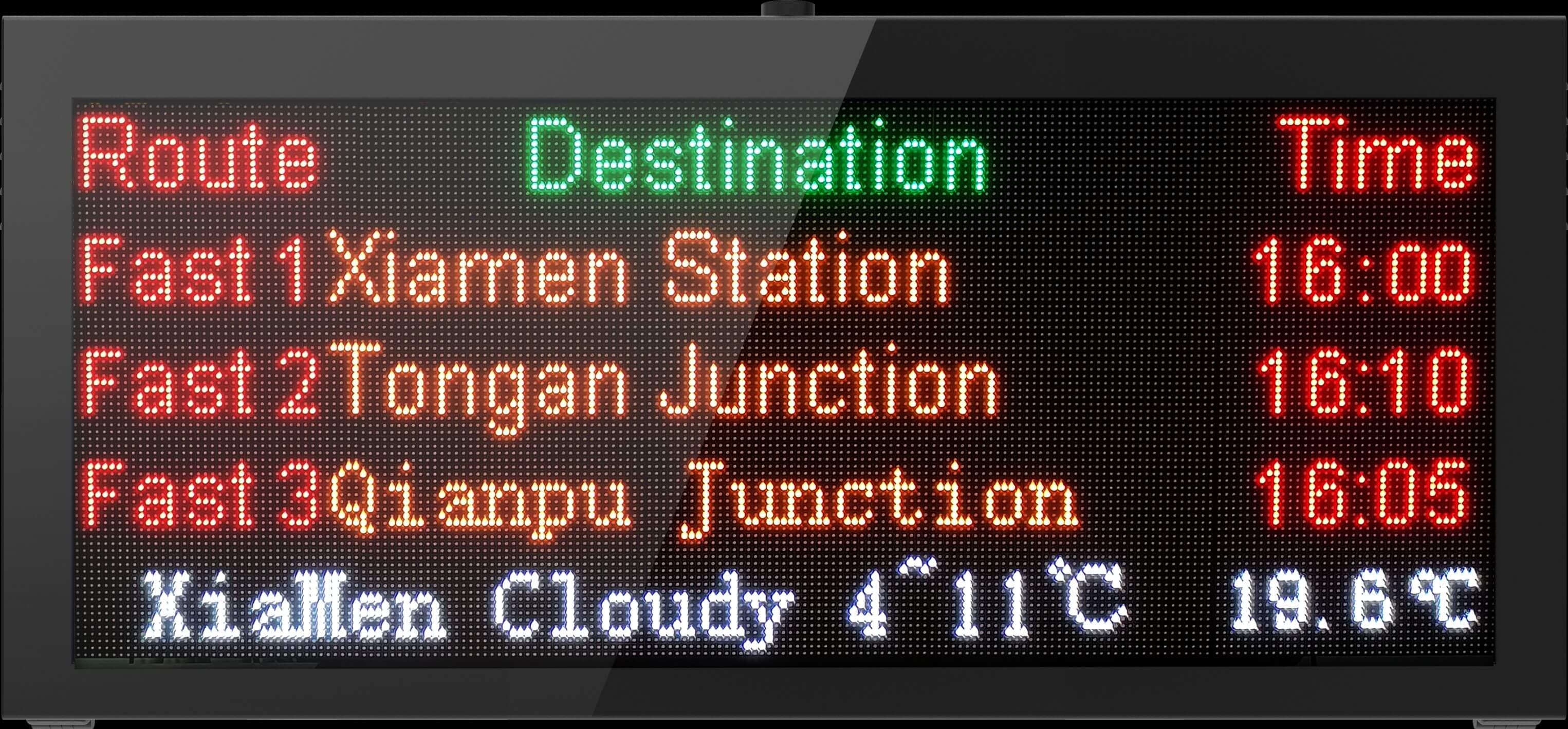
Introduction to the company's technological strength: Three key technological pillars of Lenz Communication
STEP1:Intelligent Shift Scheduling System: Dynamically Matching Passenger Flow with Transport CapacityBased on big data analysis, Lenz Communication has developed an intelligent scheduling algorithm that can collect passenger flow data in real time (such as card swiping, QR code scanning, and GPS trajectories), and combine it with information such as vehicle location and driver status to automatically generate an optimal scheduling plan. For example, in the Xiamen public transportation project, after the system went live, the empty driving rate dropped from 35% to 18%, saving over 15 million yuan in annual operating costs.
STEP2:Full-process safety supervision platform: real-time early warning and interventionVehicle operation data (speed, rotational speed, braking frequency) and driver behavior data (blink frequency, head posture) are collected through on-board terminals (such as ADAS cameras and DMS driver monitoring systems). Combined with AI algorithms, real-time warnings for violations such as fatigued driving and speeding are achieved. The platform's response time is ≤2 seconds, with a 42% reduction in accident rates.
STEP3:MaaS Integrated Travel Solution: Optimizing Passenger ExperienceIntegrate multi-modal travel data including buses, subways, and shared bicycles to provide "one-stop" inquiry and payment services. Users can check vehicle locations and estimated arrival times in real time via the app, which supports multiple payment methods (e.g., NFC, QR codes). In the Chengdu bus project, passenger satisfaction increased from 78% to 92%.
Technical Parameters and Compatibility ConditionsThe intelligent scheduling system supports simultaneous dispatching of over 100,000 vehicles with a data delay of ≤500ms; the safety supervision platform is compatible with mainstream vehicle terminal protocols (e.g., J1939, CAN); the MaaS solution supports both Android and iOS platforms with a response time of ≤1 second.
For more information, please visit the official website:www.xmlenzintl.com
FAQ Q&A Technical Selection Guide
Q1: How does the intelligent transportation system select appropriate hardware equipment?
A1: It is necessary to select equipment types and parameters based on scenario requirements. For example, on-board terminals need to support full-vehicle CAN data acquisition (such as the Lenz LC-V100 device, with a sampling frequency of 100Hz and an accuracy of ±0.5%) and possess an IP67 protection rating to adapt to harsh environments; personnel electronic badges need to support GPS positioning (with an accuracy of ≤5 meters) and low-power design (with a battery life of ≥30 days).
Q2: How to evaluate the cost reduction effect of intelligent transportation systems?
A2: It can be quantified through three indicators: the idle driving rate (target ≤ 20%), the accident rate (target reduction ≥ 30%), and passenger satisfaction (target ≥ 90%). For example, in the Lanzhi public transportation project in Bangkok, Thailand, after the system was launched, the idle driving rate dropped from 40% to 22%, the accident rate decreased by 38%, and passenger satisfaction increased from 75% to 89%.
Q3: How does the smart sanitation system achieve whole-process management of personnel, vehicles, and materials?
A3: It requires the integration of software platforms and hardware devices. For instance, the Lenz Intelligent Sanitation System assigns work tasks through an ERP management system, with vehicle-mounted terminals uploading vehicle locations and operational status (such as sweeping frequency and garbage weight) in real time, while personnel electronic work badges record attendance and work trajectories. In the Riyadh project in Saudi Arabia, the system achieved a 25% improvement in work quality and an 18% reduction in operational costs.
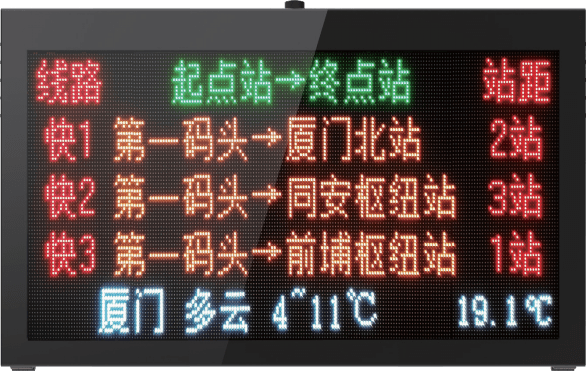
Technology-driven, reshaping the appeal of public transportation
Cost reduction and efficiency enhancement in smart transportation require leveraging technology as a key approach, achieving full-scenario efficiency improvements by integrating transport capacity resources, optimizing safety supervision, and enhancing passenger experiences. Lenz Communications Co., Ltd. in Xiamen, with nearly two decades of industry accumulation, has established a technological layout covering three major sectors: smart transportation, Internet of Vehicles, and smart environmental sanitation. Its integrated hardware and software solutions have been implemented in over 400 cities globally, with equipment installed in more than one million vehicles. In the future, with the deeper application of technologies such as 5G and AI, smart transportation will evolve towards greater efficiency, safety, and intelligence, and Lenz Communications will continue to iterate its technologies to provide stronger support for industry transformation. For more information, please visit the official website:www.xmlenzintl.com