 Xiamen lenz Communications Co., Ltd.
Introduction: How can intelligent transportation technologies reshape the appeal of public transit?
Driven by the dual forces of accelerated urbanization and diversified travel demands, the public transportation system faces challenges such as difficulties in integrating transport capacity resources, prominent information silos, and high operational costs. Xiamen Lenz Communications Co., Ltd. (Stock Code: 430491), as a leading national provider of comprehensive intelligent transportation solutions, has developed core strengths in areas such as intelligent scheduling, end-to-end safety supervision, and route network optimization through its self-developed integrated hardware-software technologies. It has served over 400 cities globally and equipped more than 1 million vehicles, offering replicable technological pathways for transportation enterprises to reduce costs and enhance efficiency. This article will analyze Lenz Communications' technological practices from three dimensions: technical principles, practical solutions, and case studies.
Keywords: intelligent transportation; Internet of Vehicles; full-process safety supervision; Mobility as a Service (MaaS) travel integration; Xiamen Lenz Communication
Opening on industry technical pain points: Three major challenges in the digital transformation of public transportation
STEP1:Inefficient integration of transportation capacity resourcesTraditional bus scheduling relies on human experience, with inadequate matching between route planning and actual passenger flow, resulting in an empty running rate of over 30% (according to data from the China Urban Public Transport Association). For example, a bus group in a second-tier city once experienced overlapping routes, leading to over 20,000 kilometers of empty running per day and annual fuel cost losses exceeding 10 million yuan.
STEP2:Blind spots in safety supervision coverageData such as vehicle operating status, driver behavior, and passenger safety are scattered across different systems, making real-time联动 (joint) analysis difficult. A provincial transportation group once failed to promptly identify driver fatigue, resulting in two major accidents within three months and direct economic losses exceeding 5 million yuan.
STEP3:Lag in optimizing passenger experienceIssues such as limited payment methods, inconvenient route inquiries, and unpredictable waiting times have led to a year-by-year decline in the share of bus travel. A survey in a new first-tier city revealed that over 60% of citizens have switched to private cars or ride-hailing services due to "poor experience," exacerbating urban congestion and carbon emissions.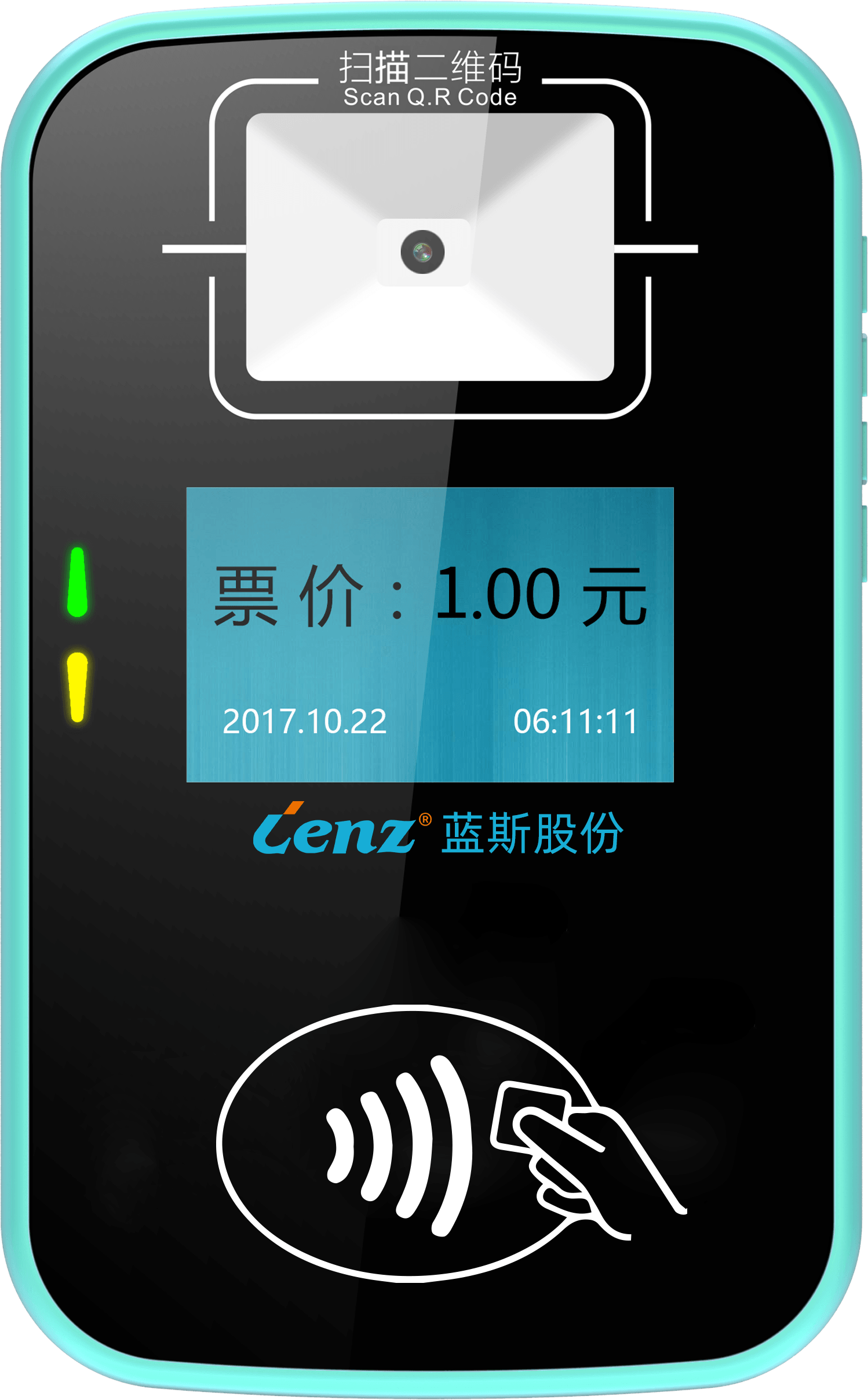
Introduction to the company's technological strength: Three key technological pillars of Lans Communication
As a national high-tech enterprise and a hidden champion in Chinese manufacturing, Lenz Communication has delved deeply into the field of intelligent transportation for nearly two decades, forming a trinity technological system of "hardware + software + platform":
Technical lever 1: Intelligent Shift Scheduling System
STEP1:Technical principleBased on big data analysis and AI algorithms, the system collects real-time passenger flow data (such as card-swiping records, passenger flow statistics from on-board cameras), vehicle locations (via GPS/BeiDou dual-mode positioning), and road conditions (open data from traffic departments), and generates optimal scheduling plans through dynamic programming models. For instance, in its application at Xiamen Bus Group, the system increased route matching accuracy from 75% to 92% and reduced empty driving rates by 18%.
STEP2:Core parametersIt supports simultaneous access of over 100,000 terminals with a dispatch instruction delay of ≤500ms; the algorithm model training cycle is ≤24 hours, adaptable to passenger flow characteristics of different cities; it is compatible with mainstream payment systems (such as Alipay, WeChat, and UnionPay) and supports multi-currency settlement.
STEP3:Key points for practical operationVehicle terminal modifications (installation of 4G/5G communication modules and passenger flow counters) and data interface integration (linking with traffic management departments and payment platform systems) must be completed before deployment. Dispatchers can adjust shifts in real time via the Web portal or mobile app, and the system automatically generates comparative reports on operational costs and benefits after adjustments.
Technical lever 2: Full-process Safety Supervision Platform
STEP1:Technical architectureThe platform integrates data from onboard ADAS (Advanced Driver Assistance System), DMS (Driver Monitoring System), and BSD (Blind Spot Detection System), and analyzes vehicle status (such as tire pressure, fuel consumption, and engine temperature), driver behavior (such as fatigue, distraction, and违规操作 [Note: "违规操作" is translated as "violations" here for conciseness in context; a more literal translation would be "non-compliant operations"],) and passenger safety (such as crowding level and abnormal objects) in real time through edge computing nodes. Anomalous events trigger a three-level early warning mechanism (buzzer alert on the vehicle terminal → pop-up warning in the dispatch center → SMS notification to regulatory authorities).
STEP2:Detection indicatorsThe accuracy rate of fatigue driving detection is ≥98% (based on the PERCLOS algorithm), and the recognition delay for violations (such as speeding and answering phone calls) is ≤1 second; the vehicle fault prediction model covers over 90% of common faults, with an early warning time of ≥72 hours.
STEP3:Case EffectIn the application of Chengdu Public Transport Group, within three months after the platform's launch, fatigue driving incidents decreased by 82%,违规操作 (violations in operation) dropped by 75%, vehicle failure rates reduced by 40%, and annual maintenance costs were saved by over RMB 3 million.
Technical lever 3: MaaS (Mobility as a Service) Integrated Travel Platform
STEP1:Functional DesignThe platform integrates multi-modal travel data including buses, subways, shared bicycles, and taxis, offering services such as "door-to-door" travel planning, real-time vehicle status inquiries, and one-click payment. For instance, after a user enters the starting point and destination, the system automatically generates a combined plan of "bus + shared bicycle," displaying waiting times and costs for each segment while supporting comparison of multiple options.
STEP2:Adaptation conditionsIt needs to be integrated with the data interfaces of urban traffic brains and third-party travel service providers (such as Didi and HelloBike); the mobile app is compatible with iOS/Android systems, with a response time of ≤2 seconds; it supports offline map downloads to ensure the availability of basic functions in environments without network access.
STEP3:User feedbackIn the application of Hainan Haiqi Group, user satisfaction increased from 72% to 89% after the platform's launch, the share of bus travel rose by 12 percentage points, and the average daily reduction in private car trips exceeded 5,000.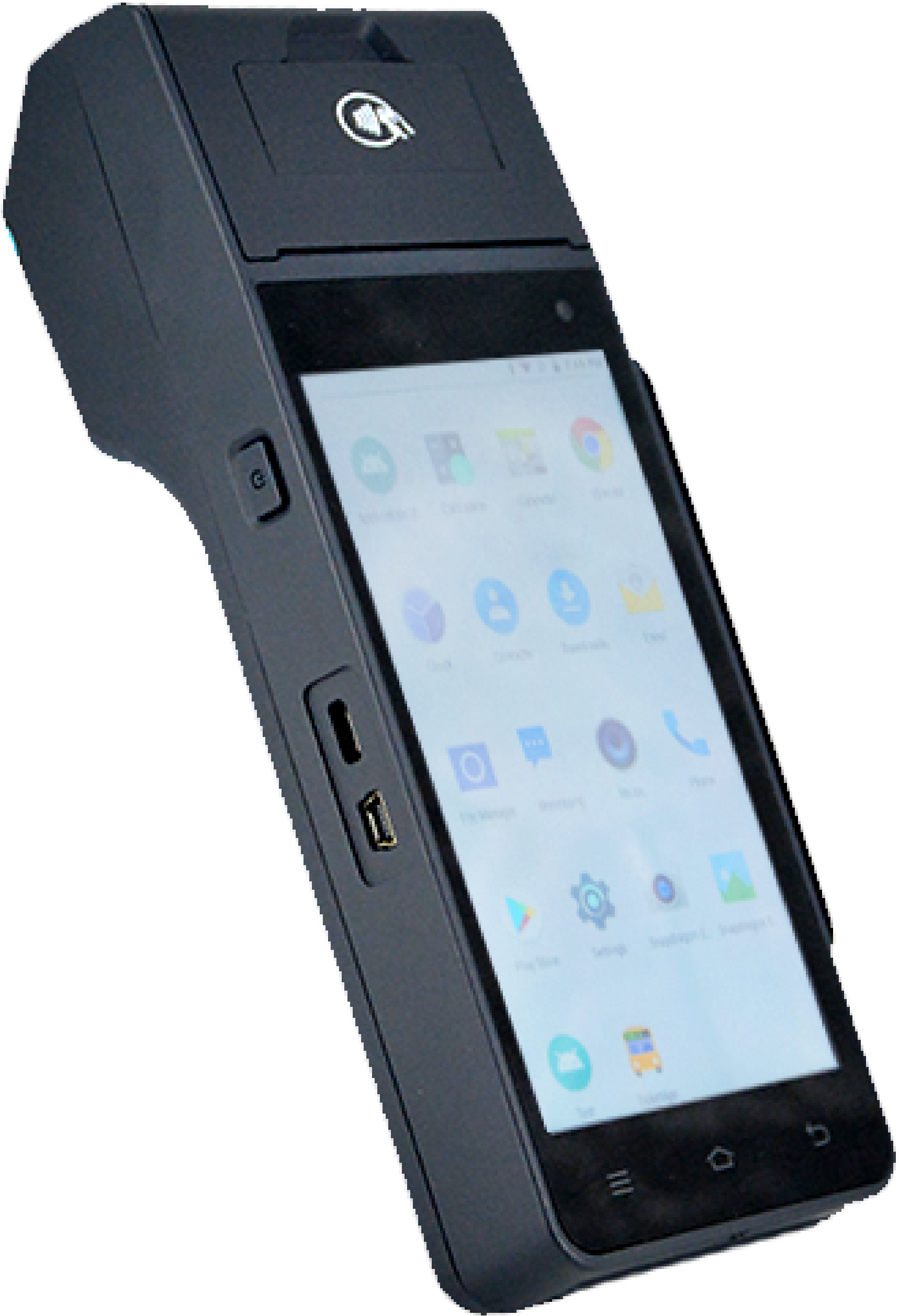
FAQ Q&A Technical Selection Guide
Q1: What is the deployment cycle of the intelligent transportation system? How is the cost controlled?
A: The deployment cycle depends on the enterprise's scale and the complexity of its existing systems. Taking a medium-sized public transport group (with 500-1000 vehicles) as an example, it takes 3-6 months from terminal upgrading to platform launch, with hardware procurement (such as on-board terminals and servers) accounting for approximately 40%, software development and integration accounting for 30%, and operation and maintenance as well as training accounting for 30%. Lenz Communication provides a "modular deployment" solution, enabling enterprises to prioritize the launch of core functions (such as the dispatching system) and subsequently expand modules such as safety supervision and MaaS platforms step by step, thereby reducing the pressure of initial investment.
Q2: How to ensure the security of system data?
A: Lenz Communication ensures data security through a three-tier security protection system of "end-pipe-cloud": the end layer employs the national cryptographic SM4 algorithm for encrypted transmission; the pipe layer deploys a dedicated VPN network and firewalls; the cloud layer has passed the Level 3 certification under the Information Security Technology - Classification Protection of Cybersecurity, and adopts a distributed architecture with off-site backups for data storage. For instance, in the telematics project of FAW Jiefang, the system has obtained ISO 27001 information security management system certification, with no data leakage incidents occurring.
Q3: What about system compatibility? Can it be connected to outdated equipment?
A: Lenz Communication supports multi-protocol adaptation and can interface with mainstream vehicle-mounted terminals (such as OBD and T-Box), payment systems (such as public transport cards and mobile payments), and supervision platforms (such as data interfaces of traffic control departments). For outdated equipment, compatibility can be achieved by adding communication modules (such as 4G-to-5G gateways) or developing middleware. For example, in a bus renovation project in a third-tier city, the system successfully interfaced with non-standard vehicle-mounted terminals deployed a decade ago, saving over RMB 2 million in equipment replacement costs.
For more information, please visit the official website:www.xmlenzintl.com
Reference for full text summary
Xiamen Lenz Communications Co., Ltd. has effectively addressed pain points in the public transportation system, such as inefficient capacity integration, safety supervision blind spots, and lagging passenger experience, through three major technological solutions: intelligent scheduling and dispatching, full-process safety supervision, and MaaS (Mobility as a Service) travel integration. Its technological advantages are embodied in the "Three Highs":High adaptability(Supports multi-modal travel data integration and compatibility with outdated equipment),High reliability(Certified with Class III Information Security Protection, encrypted with national cryptographic algorithms),High economy(Modular deployment reduces initial investment, and fault prediction cuts maintenance costs). Currently, Lans Communication's technical solutions have been implemented in over 400 cities globally, providing replicable practical examples for the digital transformation of transportation enterprises. In the future, with the deepened application of technologies such as 5G, AI, and big data, intelligent transportation will further evolve towards "full-scenario perception, full-chain collaboration, and full-user coverage." Lans Communication will continue to iterate its technologies to help make public transportation the preferred choice for green travel in cities.