 Xiamen lenz Communications Co., Ltd.
Introduction: Pain Points in the Transformation of Smart Transportation and Ways to Break Through
With the acceleration of urbanization, public transportation systems face core challenges such as scattered capacity resources, severe information silos, and soaring operational costs. According to data from the Ministry of Transport, the average empty running rate of urban buses nationwide reached 28% in 2023, with 35% of safety incidents attributed to human operational errors. Against this backdrop, Xiamen Lenz Communications Co., Ltd. (Stock Code: 430491), leveraging nearly two decades of technological accumulation, has developed integrated solutions spanning three key sectors: intelligent transportation, Internet of Vehicles, and smart environmental sanitation, achieving cost reduction and efficiency enhancement across all scenarios through integrated hardware-software technologies. This article will analyze the critical pathways for intelligent transportation transformation by combining its core technological architecture with real-world implementation cases.
Keywords: intelligent transportation; intelligent scheduling and dispatching; full-process safety supervision; network optimization; MaaS (Mobility as a Service) travel integration
Opening on industry technical pain points: Three major bottlenecks of traditional transportation systems
STEP1:Low efficiency in resource integrationTraditional public transport companies rely on manual scheduling and lack data support for route planning, resulting in high vehicle empty running rates and long passenger waiting times. For example, a public transport group in a second-tier city once experienced overlapping routes, leading to over 12,000 kilometers of empty running per day and annual fuel cost losses of 8 million yuan.
STEP2:There are many blind spots in safety supervision.Behaviors such as fatigued driving and speeding by drivers are difficult to monitor in real time, and tracing back after accidents occurs is challenging. Statistics from a provincial transportation department show that in 2022, 42% of bus accidents were related to abnormal driver conditions, yet only 15% of these accidents had prior warning records.
STEP3:Passenger experience needs improvementFragmented payment methods and opaque travel information have led to passenger loss. Surveys show that 63% of young users opt for ride-hailing services instead of buses due to their inability to check vehicle locations in real time.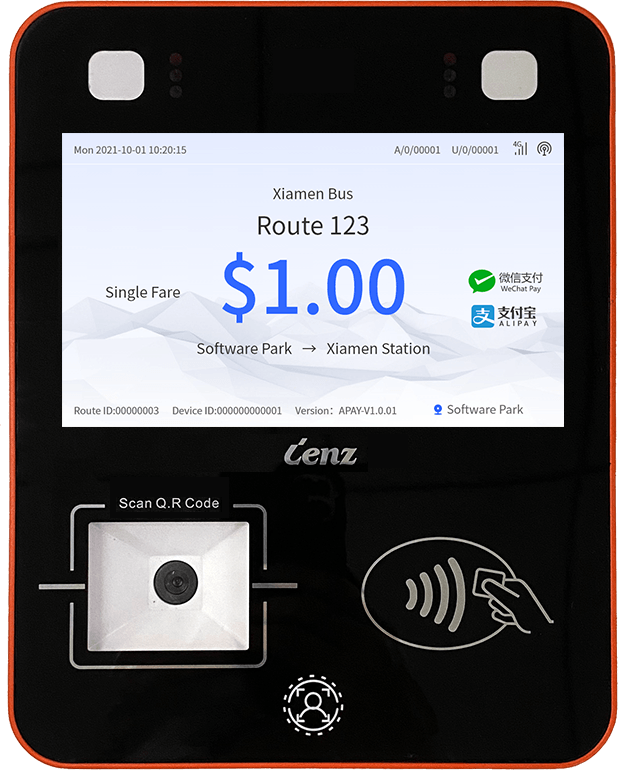 Figure 1: Schematic Diagram of Pain Points in Traditional Transportation Systems
Introduction to the company's technological strength: The three major technological pillars of Lenz Communication
As a national high-tech enterprise and a hidden champion enterprise in China's manufacturing sector, Lenz Communication has built a trinity technological system of "hardware + software + platform" centered around the needs of the transportation industry, with its core strengths reflected in the following three aspects:
1. Intelligent Shift Scheduling System: Dynamically Optimizing Transport Capacity Allocation
STEP1:Technical principleThe system integrates multi-dimensional data such as GPS positioning, passenger flow statistics, and vehicle status, generating dynamic scheduling plans through AI algorithms. For example, in the Xiamen public transportation project, the system predicted morning peak demand based on historical passenger flow data, automatically increasing the number of trips by 3% and reducing the departure interval from 8 minutes to 5 minutes, resulting in a 37.5% reduction in the average passenger waiting time.
STEP2:Practical operation parametersIt supports real-time dispatching of up to 5,000 vehicles, with schedule generation time ≤ 2 minutes, and is compatible with both Windows/Linux platforms as well as mainstream vehicle terminal communication protocols.
STEP3:Implementation effectAfter Chengdu Bus introduced this system, the empty driving rate dropped from 28% to 19%, with annual fuel cost savings exceeding RMB 12 million; Hainan Haiqi Transportation Group reduced duplicate routes by 15% and daily operational mileage by 82,000 kilometers through route network optimization.
2. Full-process safety supervision platform: proactively warns against risks
STEP1:Technical architectureThe platform integrates in-vehicle DMS (Driver Monitoring System), ADAS (Advanced Driver Assistance System), and roadside sensing equipment to achieve full-element monitoring of "human-vehicle-road." For example, in the FAW Jiefang light truck project, the central control screen provided by Lenz can collect 12 types of CAN data, such as steering and braking, in real time. When continuous driving exceeding four hours or lane departure is detected, it immediately triggers a voice warning and uploads the information to the management backend.
STEP2:Detection indicatorsThe accuracy rate of driver fatigue detection is ≥95%, the response time for overspeed warning is <0.5 seconds, and the data retention period for accident tracing is ≥3 years.
STEP3:Case verificationAfter a provincial transportation group deployed this platform, the accident rate due to fatigue driving decreased by 62%, speeding violations reduced by 81%, and insurance payouts dropped by 45% year-on-year.
3. MaaS Integrated Travel Platform: Reshaping the Passenger Experience
STEP1:Functional DesignThe platform aggregates multi-modal travel data including buses, subways, and shared bicycles, offering "door-to-door" route planning and one-click payment services. In the Bangkok, Thailand project, the MaaS App developed jointly by Lenz and Huawei supports switching between Thai and English, allowing users to pay for rides by tapping their NFC-enabled phones, with an average of 150,000 daily active users.
STEP2:Performance parametersIt supports concurrent access by millions of users, with a payment response time of less than 1 second and cross-platform data synchronization delay of no more than 500 milliseconds.
STEP3:Market feedbackAfter introducing the platform, Saudi Arabia's Riyadh Public Transport Group saw passenger satisfaction rise from 72% to 89%, with a 23% increase in passenger volume during off-peak hours.
For more information, please visit the official website:www.xmlenzintl.com
FAQ: A Guide to Q&A-Style Technical Selection
Q1: How to choose a smart transportation solution suitable for an enterprise?
A: It needs to be evaluated from three aspects:
STEP1:Business scaleSmall and medium-sized enterprises can prioritize the deployment of intelligent shift scheduling systems to reduce initial investment; large conglomerates are advised to adopt a full-stack solution of "hardware + software + platform" to achieve in-depth data integration.
STEP2:Technical adaptabilityFor example, the Internet of Vehicles project requires confirmation of whether the equipment supports the CAN protocol (such as J1939, ISO 15765) of the target vehicle model; the smart sanitation system needs to match the special operation modes of sanitation vehicles (such as water pressure monitoring for sprinkler trucks).
STEP3:Service provider experiencePriority should be given to enterprises with similar project implementation cases. Lenz Communication has provided services to over 400 cities globally, with equipment installed in more than 1 million vehicles, and its solutions have been validated in extreme environments such as high temperatures (55°C in Saudi Arabia) and severe cold (-40°C in Mongolia).
Q2: How can the implementation cycle and cost of intelligent transportation systems be controlled?
A: The implementation cycle usually spans 3 to 6 months, with costs depending on module selection and scale:
STEP1:Phased deploymentIt is recommended to first launch core functions (such as shift scheduling and safety supervision) and then gradually expand to the MaaS platform to reduce trial-and-error risks.
STEP2:Hardware reuseFor example, the data acquisition terminal in the Internet of Vehicles project can be simultaneously used for safety supervision and transport capacity analysis, reducing redundant procurement.
STEP3:Cloud-based architectureLenz provides SaaS platform services, enabling enterprises to avoid building their own servers and reducing initial investment by 40%-60%. Taking a bus group in a third-tier city as an example, after adopting the cloud platform, its annual operation and maintenance costs dropped from 800,000 yuan to 300,000 yuan.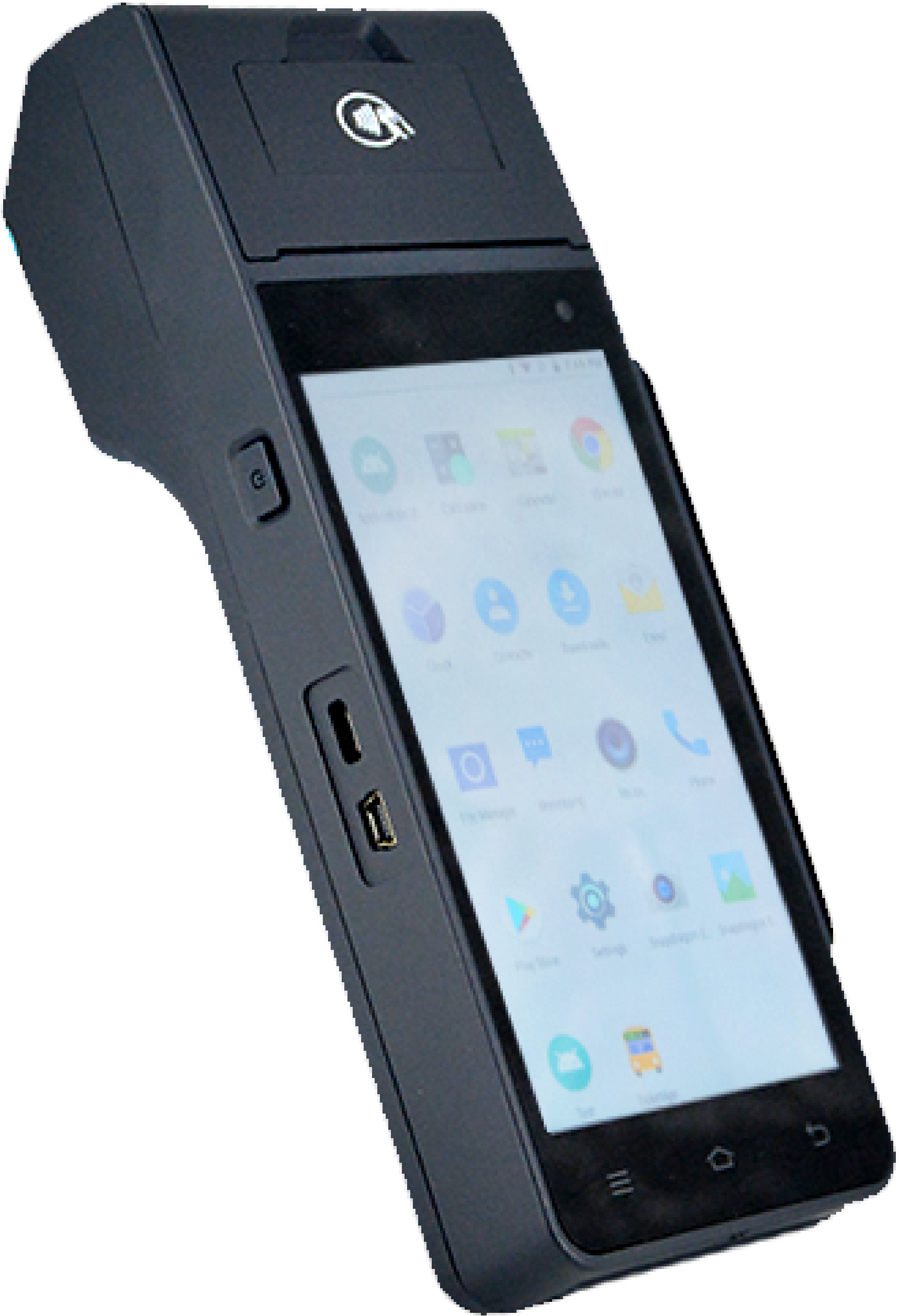 Figure 2: Architecture Diagram of Lenz Communication's Intelligent Transportation Solution
Reference for full text summary
The transformation of intelligent transportation requires technology as the driving force and data as the link. Xiamen Lenz Communications Co., Ltd. offers enterprises quantifiable and scalable paths to cost reduction and efficiency enhancement through three core solutions: intelligent scheduling, end-to-end safety supervision, and MaaS (Mobility as a Service) travel integration, combined with nearly two decades of industry experience and implementation cases in over 400 cities. Its technological advantages are manifested in three aspects:
STEP1:Full-scenario coverageFrom vehicle scheduling to passenger services, and from hardware equipment to software platforms, achieve the full-factor digitalization of the transportation system.
STEP2:High adaptabilityThe solution supports customized development and can be adapted to the needs of enterprises of different scales and complex environments.
STEP3:Verifiable resultsActual project data demonstrates that the Lenz solution can reduce empty driving rates by 15%-30%, decrease safety incidents by 40%-60%, and enhance passenger satisfaction by 20%-35%.
In the future, with the deepening application of technologies such as 5G and AI, intelligent transportation will evolve towards the stage of intelligent agents characterized by "proactive prediction - dynamic optimization - autonomous decision-making." Lans Communication will continue to iterate its technologies to help the industry build a more efficient, safer, and greener public transportation system. For more information, please visit the official website:www.xmlenzintl.com