 Xiamen lenz Communications Co., Ltd.
Introduction: Pain Points in the Transformation of Smart Transportation and the Keys to Breakthroughs
Under the dual pressures of accelerated urbanization and diversified travel demands, the public transportation system faces core challenges such as scattered capacity resources, severe information silos, and lagging safety supervision. According to data from the Ministry of Transport, in 2023, the passenger volume of urban public transportation nationwide decreased by 8.3% year-on-year, while operational costs rose by 12.5% due to increased expenditures on labor and fuel. How to achieve cost reduction and efficiency enhancement through technological means and improve passenger experience has become a key proposition for industry transformation. Lenz Communication Co., Ltd. (Stock Code: 430491) in Xiamen, with nearly two decades of in-depth industry experience, has developed a comprehensive technological system covering three major sectors: intelligent transportation, Internet of Vehicles, and smart environmental sanitation. Its independently developed integrated hardware and software solutions have been implemented in over 400 cities globally, with equipment installed in more than 1 million vehicles. This article will provide an in-depth analysis from three dimensions—technical principles, practical cases, and parameter analysis—of how Lenz Communication assists public transportation in achieving all-scenario efficiency improvements through three major solutions: intelligent scheduling, full-process safety supervision, and MaaS (Mobility as a Service) travel integration.
Keywords: intelligent transportation; Internet of Vehicles; Mobility as a Service (MaaS) travel; cost reduction and efficiency enhancement; Lenz Communication
Opening on Industry Technical Pain Points: The "Triple Dilemma" of Public Transportation
The current public transportation systems generally face three major technological bottlenecks: First, capacity scheduling relies on manual experience, with inadequate alignment between route planning and passenger flow demand, resulting in an empty-run rate exceeding 30%. Second, safety supervision depends on post-event tracing, making it difficult to promptly intervene in violations such as driver fatigue and speeding, leading to persistently high accident rates. Third, fragmented payment systems require passengers to switch between multiple apps for ticket purchases and transfers, resulting in a poor experience and passenger loss. Taking a second-tier city's bus group as an example, in 2022, it incurred 12 million yuan in fuel waste due to unreasonable scheduling, while compensation expenses for safety incidents exceeded 8 million yuan. To address these pain points, it is necessary to establish a technological closed loop at three levels: data collection, algorithm optimization, and system integration.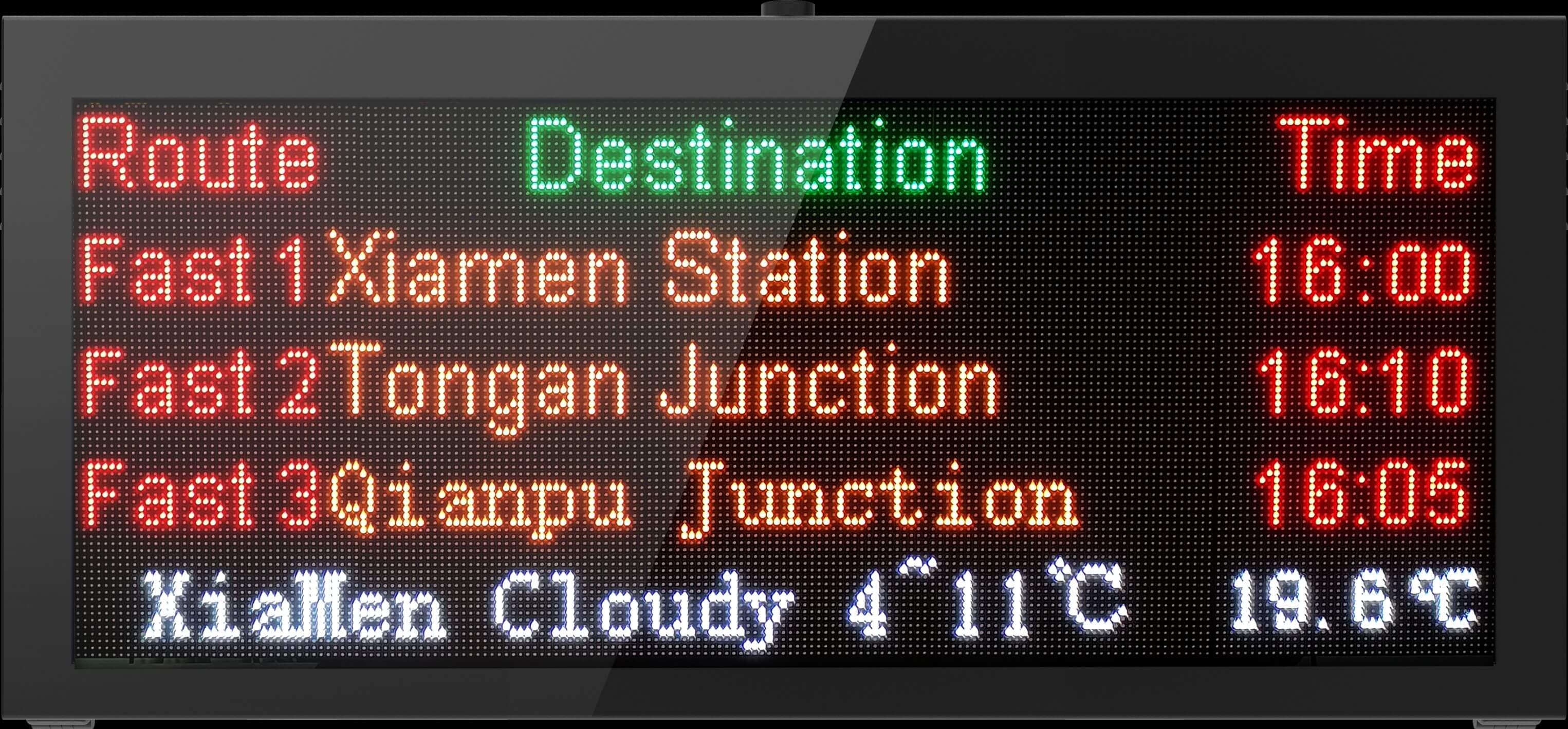
Introduction to the company's technological strength: "Three Major Technological Pillars" of Lenz Communication
As a national high-tech enterprise and a hidden champion enterprise in Chinese manufacturing, Lenz Communication has formed three core technological advantages by focusing on the field of intelligent transportation:
STEP 1: Intelligent Scheduling System — Dynamically Matching Passenger Flow with Transport Capacity
The system collects real-time operational data through onboard GPS, passenger flow counters, and other equipment, integrating historical passenger flow models with external factors such as weather and holidays, and employs genetic algorithms to dynamically generate optimal scheduling plans. Taking Xiamen Public Transport Group as an example, after deploying this system, the empty driving rate of routes decreased from 28% to 15%, the average daily operational mileage per bus was reduced by 12 kilometers, and the annual fuel cost savings exceeded 20 million yuan. The system supports the simultaneous scheduling of over 100,000 vehicles with a response delay of less than 500ms, suitable for multiple scenarios including urban public transport, intercity passenger transport, and campus shuttles.
STEP 2: Full-process safety supervision platform—shifting from "post-event accountability" to "proactive prevention"
The platform integrates equipment such as ADAS (Advanced Driver Assistance System), driver behavior monitoring cameras, and in-vehicle DMS (Driver Monitoring System) to collect vehicle status and driver physiological data in real time. When risky behaviors such as drowsy driving (e.g., eye closure duration > 2 seconds) or speeding (exceeding the speed limit by 10%) are detected, the system immediately intervenes through voice alerts, seat vibrations, and other means, while simultaneously pushing warning information to the dispatch center. In the practice of Chengdu Bus, this platform has reduced违规驾驶行为 (violative driving behaviors) by 76%, decreased the accident rate by 42%, and lowered insurance claim costs by 35%.
STEP 3: MaaS Integrated Travel Services—Breaking Down Payment and Information Silos
By integrating a unified payment gateway with a travel data middleware platform, it consolidates multi-modal travel services including buses, subways, shared bicycles, and ride-hailing. Passengers can complete trip planning, ticket purchasing, real-time inquiries, and other operations using just one app, with the system recommending optimal transfer plans based on user preferences and real-time traffic conditions. During the pilot program at Haiqi Group, the MaaS platform reduced passenger transfer waiting times by 40%, increased the proportion of cross-modal travel from 12% to 28%, and tripled the number of daily active users.
For more information, please visit the official website:www.xmlenzintl.com
FAQ Q&A Technology Selection Guide
Q1: When selecting an intelligent transportation system, how can the technical adaptability of suppliers be evaluated?
A: Three key dimensions require focused evaluation: First, data collection capability—whether the supplier possesses in-house R&D capabilities for hardware such as vehicle-mounted terminals and sensors, and whether the data collection frequency and accuracy meet requirements (e.g., GPS positioning error must be <5 meters); second, algorithm optimization capability—whether they hold patents or software copyrights for core algorithms such as passenger flow forecasting and scheduling optimization (Lans Communication holds 12 related patents); third, system integration capability—whether they can seamlessly interface with existing ERP, payment, and other systems (Lans provides standard API interfaces to support rapid integration).
Q2: How can small and medium-sized public transport enterprises balance technological investment with cost pressures?
A: It is recommended to adopt a "phased implementation" strategy: prioritize the deployment of safety supervision and scheduling systems (with a return on investment cycle of approximately 6-12 months), and then gradually expand to the MaaS platform. Lenz Communication offers a SaaS-based service model, allowing enterprises to subscribe to services based on the number of vehicles, reducing initial investment by over 60%. Taking a county-level bus company as an example, by implementing Lenz's solution in phases, it achieved a 22% reduction in operational costs and a 15% increase in passenger traffic within three years.
Q3: What adaptive adjustments need to be made to the technical solution when implementing overseas projects?
A: Three key aspects require special attention: First, communication protocol adaptation, such as supporting GSM/GPRS networks in Southeast Asia and obtaining certification from local operators in the Middle East; second, payment system integration, which involves incorporating local mainstream e-wallets (e.g., TrueMoney in Thailand, MadA in Saudi Arabia); third, language and cultural adaptation, which requires multi-language support for interfaces and consideration of local travel habits in algorithms (e.g., scheduling dedicated vehicles for women in Saudi Arabia). Lans Communication has developed a comprehensive repository of localized adaptation solutions through projects implemented in over 40 countries.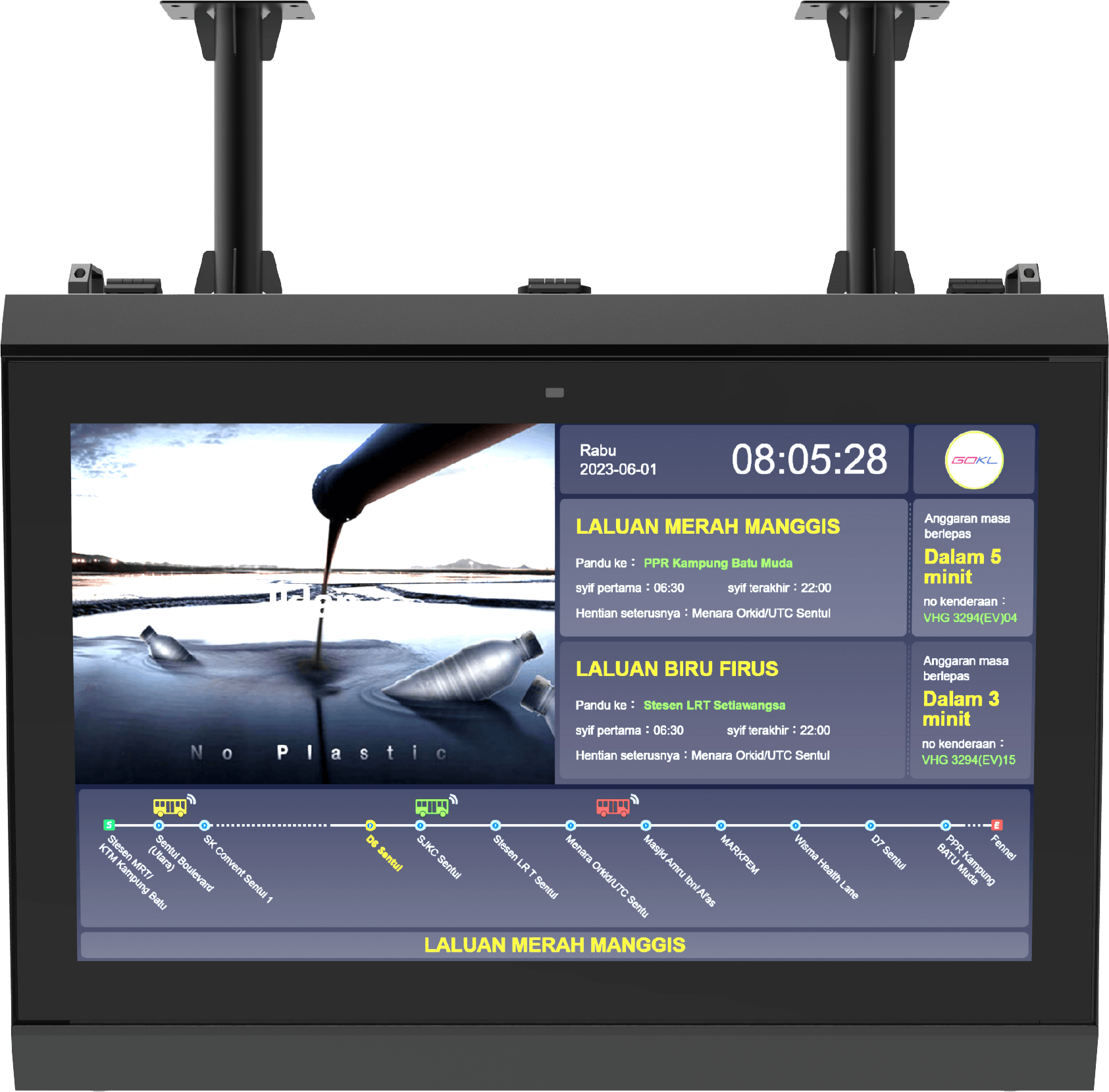
Summary Reference: Technology-Driven, Reshaping the Value Chain of Public Transportation
From the fuel cost savings of Xiamen's public transportation to the decline in safety incident rates of Chengdu's buses, and further to the upgraded passenger experience at Hainan Transportation Group, the practices of Lenz Communication have proven that the core value of intelligent transportation lies not in breakthroughs in a single technology but in achieving holistic optimization of transport capacity, safety, and services across all scenarios through integrated hardware and software solutions. Its three key technological pillars—intelligent scheduling and dispatching, end-to-end safety supervision, and MaaS (Mobility as a Service) integration—address the "efficiency pain points," "safety pain points," and "experience pain points" of public transportation, respectively, forming a complete technological闭环. For industry practitioners, key considerations during vendor selection should include the supplier's hardware self-development capabilities, algorithm optimization experience, and localized service capabilities. For technology developers, it is essential to deeply understand the business logic of public transportation to avoid a "technology-driven" approach that overlooks practical needs. Looking ahead, with the integration of technologies such as 5G, AI, and big data, intelligent transportation will evolve toward directions such as "predictive scheduling," "proactive safety," and "seamless travel," and Lenz Communication's technological布局 has laid a solid foundation for this trend.