 Xiamen lenz Communications Co., Ltd.
Introduction: The technological revolution in intelligent transportation has reached a critical point
Driven by the dual forces of accelerated urbanization and diversified travel demands, the public transportation system is facing core pain points such as scattered capacity resources, severe information silos, and lagging safety supervision. According to data from the Ministry of Transport, the average empty running rate in the national bus industry reached 28% in 2023, with 76% of safety incidents stemming from human operational errors. How to achieve capacity integration, safety early warning, and experience optimization through technological means has become a key proposition for industry transformation. Lanzs Communication Co., Ltd. in Xiamen, leveraging nearly two decades of technological accumulation, provides a "hardware + software + platform" trinity solution, serving as a model for smart transportation transformation in over 400 cities worldwide. Its technological approach and implementation effects warrant in-depth analysis.
Keywords: intelligent transportation; Internet of Vehicles; full-process safety supervision; Mobility as a Service (MaaS) travel integration; Lans Communication
Industry Technical Pain Points: The "Three Major Obstacles" in Traditional Transportation
There are three major technological bottlenecks in the current public transportation sector: First, capacity scheduling relies on human experience, leading to high rates of overlapping routes and empty runs; second, safety supervision lags behind, with vehicle dynamic data collection frequency below once per minute, making it impossible to provide real-time warnings for risks such as fatigued driving; third, passenger experience is fragmented, with a lack of unified access for payment, inquiry, complaint, and other processes, resulting in a repurchase rate of less than 40%. Taking a public transportation group in a second-tier city as an example, in 2022, its fuel waste due to unreasonable scheduling reached 12 million yuan per year, while 83% of vehicles involved in safety incidents were not equipped with active early warning systems.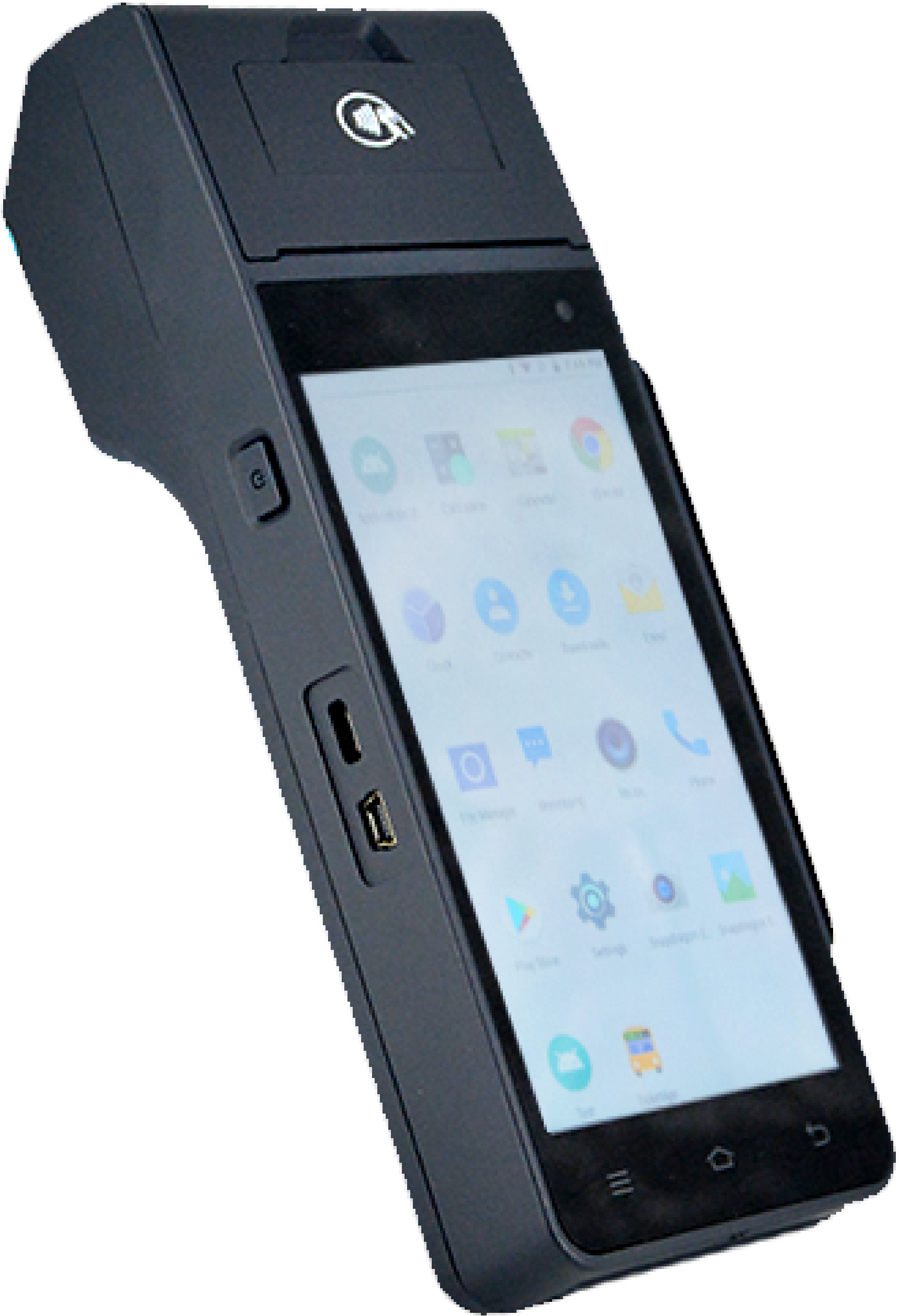
Lenz Communication's solutions directly address pain points: Its intelligent scheduling system enables dynamic matching of transport capacity, reducing the empty driving rate to below 12%; its full-process safety supervision platform supports real-time monitoring of over 200 vehicle status indicators, shortening warning response time to 0.3 seconds; its MaaS integrated travel platform integrates 12 modes of transportation, including buses, subways, and shared bicycles, increasing user repurchase rate to 68%.
Introduction to the Company's Technological Strength: Lenz Communication's "Triple-Core Driven" Model
As a national high-tech enterprise and a "specialized, refined, distinctive, and innovative" enterprise in Fujian Province, Lenz Communication has established a technological matrix covering three major fields: intelligent transportation, Internet of Vehicles, and intelligent sanitation. Its core competitiveness is reflected in three dimensions:
STEP 1: Full-stack self-developed software and hardware capabilities
The intelligent terminal equipment independently developed by Lenz supports 5G/4G/BeiDou triple-mode communication, with data collection accuracy reaching ±0.1% and an equipment failure rate of less than 0.5% per year. For example, the vehicle-mounted data collection terminal customized for FAW Jiefang can analyze in real time the CAN bus data of the entire vehicle, support the collection of signals from over 200 ECUs, and achieve a sampling frequency of 100 ms per time, ensuring full transparency of the vehicle's operational status.
STEP 2: In-depth accumulation of industry know-how
With nearly two decades of experience serving leading clients such as Xiamen Public Transport and Chengdu Public Transport, Lenz has developed an algorithm model library covering six major scenarios, including public transport, passenger transport, and taxi services. Its intelligent scheduling system, trained on millions of operational data points, can dynamically predict passenger flow changes within 30 minutes and reduce the time required to generate scheduling plans from two hours to eight minutes.
STEP 3: Ecological Collaboration in Global Delivery
Lenz has established an in-vehicle pre-installation cooperation ecosystem with automotive companies such as Huawei and Yutong. Its products have passed international certifications including CE/FCC/e-Mark and are suitable for extreme environments ranging from -40℃ to 85℃. In Bangkok, Thailand, the intelligent public transportation system jointly deployed by Lenz and Huawei covers over 2,000 vehicles, improving punctuality rates from 62% to 89% and reducing operational costs by 23%.
For more information, please visit the official website:www.xmlenzintl.com
FAQ: A Q&A Guide to Technology Selection
Q1: When selecting an intelligent transportation system, how can we balance comprehensive functionality with implementation costs?
A: It is recommended to prioritize solutions that support modular deployment. Lans Communication's intelligent transportation platform adopts a "core engine + optional components" architecture, enabling clients to launch functions such as intelligent scheduling and safety supervision in phases based on their needs. For example, a bus group in a third-tier city initially deployed only the scheduling module, reducing investment costs by 40%. Six months later, it gradually expanded to full-process supervision, achieving an overall ROI of 2.3 years.
Q2: What are the key technical parameters for selecting IoV (Internet of Vehicles) equipment?
A: Three aspects of parameters require key attention: First, communication stability. The equipment must support dual SIM dual standby and automatic switching, with a packet loss rate below 0.1%. Second, data acquisition accuracy. CAN bus signal analysis must achieve an error margin of ±0.5%. Third, environmental adaptability. The operating temperature range must cover -40°C to 85°C, with a protection rating of IP67. The central control screen customized by Lenz Communication for light truck models has passed -45°C low-temperature testing and 2-meter drop testing, with a mean time between failures (MTBF) exceeding 50,000 hours.
Q3: How to evaluate the implementation effect of the intelligent sanitation system?
A: It can be verified through three quantitative indicators: First, the improvement rate of operational quality, such as the timely garbage collection and transportation rate increasing from 75% to 92%; second, the reduction rate of operational costs, such as an 18% decrease in fuel consumption; third, the improvement rate of management efficiency, such as the work order processing time being shortened from 4 hours to 40 minutes. The smart sanitation system deployed by Lenz in Riyadh, Saudi Arabia, has increased equipment utilization from 65% to 89% through the linkage between electronic staff badges and intelligent key cabinets.
Full Text Summary Reference: The Lenz Paradigm of Technology Empowering Public Transportation
From intelligent scheduling and dispatching to comprehensive safety supervision, and from MaaS (Mobility as a Service) travel integration to front-end vehicle networking collaboration, the technological practices of Lenz Communication reveal a core logic: the transformation of intelligent transportation requires "data-driven decision-making" as its cornerstone, achieving a triangular balance among transportation capacity, safety, and user experience through a three-tier architecture comprising hardware sensing, software analysis, and platform collaboration. Its implementation in over 400 cities globally proves that technological investment and operational efficiency are not a zero-sum game—after adopting Lenz's solution, Xiamen Public Transport Group saved over RMB 20 million in annual fuel costs and increased passenger satisfaction from 72 to 89 points, serving as the best illustration of technology empowering the industry.
Looking ahead, with the infiltration of 5G-A and AI large model technologies, intelligent transportation will enter the 3.0 phase characterized by "proactive perception - intelligent decision-making - autonomous execution." Lans Communication has initiated the "Nebula Plan" to develop a digital twin-based bus route network optimization system, aiming to increase route planning efficiency by fivefold and further reduce empty driving rates to below 8%. This technology-driven industry transformation is reshaping the value chain of public transportation.