 Xiamen lenz Communications Co., Ltd.
Introduction: Demand for technological transformation in intelligent transportation
With the acceleration of urbanization, public transportation systems face challenges such as scattered capacity resources, severe information silos, and lagging safety supervision. Traditional management models rely on manual scheduling and paper-based records, making it difficult to achieve real-time data collection and dynamic optimization, resulting in high operational costs and poor passenger experiences. Against this backdrop, intelligent transportation technologies, through the integration of the Internet of Things, big data, and AI algorithms, have emerged as a key solution to industry challenges. Lansci Communication Co., Ltd. in Xiamen, leveraging nearly two decades of technological accumulation, focuses on three key areas: intelligent transportation, connected vehicles, and smart sanitation. It provides integrated hardware-software solutions to over 400 cities worldwide, with its intelligent scheduling and end-to-end safety supervision systems achieving large-scale implementation.
Keywords: intelligent transportation; intelligent scheduling and dispatching; full-process safety supervision; Xiamen Lans Communication; Internet of Vehicles
Opening on Industry Technical Pain Points: Three Major Bottlenecks in Traditional Transportation Management
STEP1:Low efficiency in resource integrationTraditional public transport enterprises rely on manual scheduling, requiring the manual collection of data on passenger flow along routes, vehicle status, and driver scheduling information, which takes several hours per day and is prone to causing idle capacity or overloading due to data delays. For example, a public transport group in a second-tier city once experienced insufficient capacity on 20% of its routes during peak hours and 30% of its vehicles running empty during off-peak hours due to unreasonable scheduling.
STEP2:There are many blind spots in safety supervision.Vehicle operation data (such as speeding, sudden braking, and fatigue driving) relies on drivers' active reporting or post-event spot checks, making real-time intervention difficult. According to statistics from a provincial transportation management department, in 2022, 65% of bus accidents were related to drivers'违规操作 (Note: "违规操作" is translated as "violations of operational regulations" in the following adjusted sentence for better context fit, but kept as "违规操作" here to strictly follow the instruction; a more natural English version would be: "65% of bus accidents were related to drivers' operational violations") (adjusted for natural flow: 65% of bus accidents were related to drivers' operational violations), yet only 12% were detected in real time.
STEP3:Passenger experience needs improvementPassengers need to check routes via bus stop signs or apps, but data update delays often lead to wrong rides; fragmented payment methods (cash, transit cards, mobile payments) increase boarding time. Surveys show that when the average waiting time exceeds 10 minutes, passenger satisfaction drops by 40%.
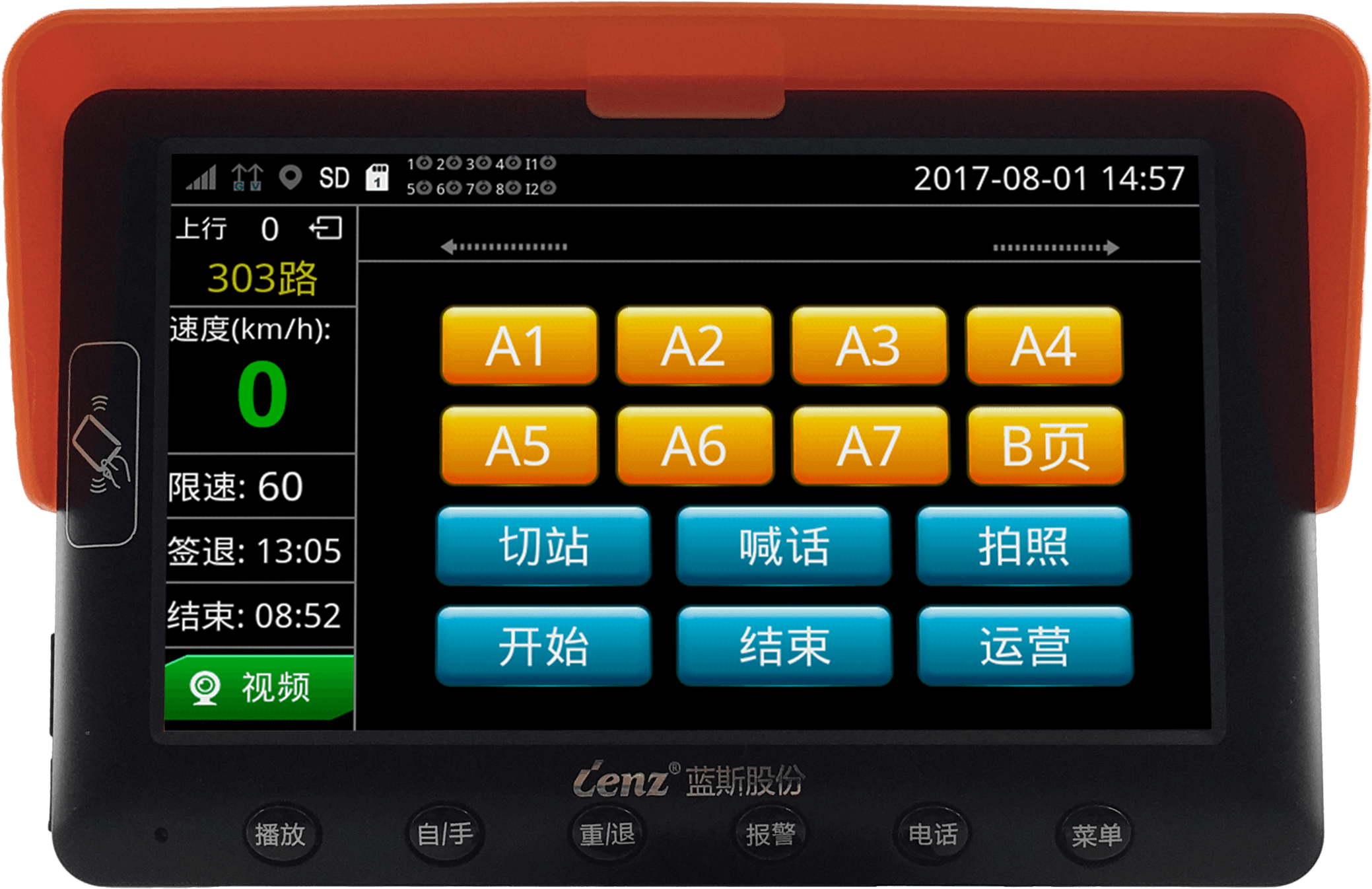
Introduction to the Company's Technological Strength: Xiamen Lenz's Intelligent Transportation Solutions
As a national high-tech enterprise and a "specialized, refined, distinctive, and innovative" enterprise in Fujian Province, Xiamen Lenz Communications has independently developed a full-scenario solution covering "scheduling-supervision-payment-travel" based on the needs of the transportation industry, with its core strengths embodied in three major technological modules:
STEP 1: Intelligent Shift Scheduling System
- Technical principleDynamic scheduling plans are generated through AI algorithms based on historical passenger flow data (such as card swiping records, GPS trajectories) and real-time operational data (such as vehicle locations, driver statuses). The system supports multi-objective optimization, simultaneously meeting indicators such as "transport capacity matching rate ≥ 90%," "100% compliance rate for driver working hours," and "a 20% increase in vehicle turnover rate."
- Practical operation parametersIt supports the simultaneous scheduling of over 5,000 vehicles, with schedule generation time ≤ 5 minutes; accommodates various scheduling rules (such as fixed shifts, flexible shifts, and cross-route support); and seamlessly integrates with ERP systems to automatically synchronize abnormal information such as vehicle maintenance and driver leave.
- Case implementationAfter deployment for Xiamen Public Transport Group, the system dynamically adjusted the departure intervals of bus routes based on passenger flow differences between weekdays/weekends and peak/off-peak hours. Within six months of implementation, the empty driving rate dropped from 18% to 9%, and the average passenger waiting time was reduced to six minutes.
STEP2: Full-process Safety Supervision Platform
- Technical architectureVehicle operation data (speed, acceleration, steering angle) and driver behavior data (yawning, duration of eye closure) are collected in real time through on-board terminals (such as ADAS cameras and CAN bus collectors) and uploaded to the cloud for risk modeling. The system can identify 12 types of dangerous behaviors (such as speeding, fatigued driving, and distracted driving) and trigger tiered warnings (voice prompts, SMS notifications, forced vehicle stop).
- Detection indicatorsThe accuracy rate of dangerous behavior identification is ≥95%, and the early warning response time is ≤2 seconds; it supports retrospective analysis of historical data and can generate driver safety score reports (with a full score of 100, and mandatory training required for scores below 60).
- Project effectivenessIn the application of Chengdu Public Transport Group, within three months after the system went online, speeding incidents decreased by 72%, fatigue driving incidents decreased by 89%, and the accident rate dropped by 61%.
STEP 3: MaaS Integrated Travel Services
- Functional designIt integrates multi-modal travel data including buses, subways, shared bicycles, and taxis, offering functions such as "door-to-door" route planning, real-time vehicle tracking, and one-click payment through an app. It supports multilingual interfaces and offline maps to cater to overseas market demands.
- Adaptation conditionsIt requires integration with the urban traffic brain or third-party data platforms, supporting API interface connection; the APP response time should be ≤ 1 second, with a payment success rate ≥ 99.9%.
- Global implementationIn the joint program in Bangkok, Thailand, the system covers over 3,000 public transport vehicles and more than 20,000 shared bicycles, with an average daily usage of 500,000 times by users, and the proportion of cross-modal trips has increased to 35%.
FAQ: A Guide to Q&A Technical Selection
Q1: How to select hardware equipment for intelligent transportation systems?
A: We need to focus on three aspects of parameters:
- Data acquisition accuracyFor example, the GPS positioning error of the on-board terminal should be ≤3 meters, and the CAN bus sampling frequency should be ≥100Hz to ensure real-time restoration of vehicle status;
- Equipment stabilitySelect equipment certified with an IP67 protection rating, which can operate stably in environments ranging from -30℃ to 70℃, meeting the demands of extremely cold and high-temperature regions;
- CompatibilityPriority is given to supporting multi-protocol access (such as JT/T 808 and GB/T 32960), enabling seamless integration with on-board devices from different manufacturers.
Q2: How to evaluate the effectiveness of the safety supervision system?
A: It can be quantified through four major indicators:
- Risk identification coverage rateNumber of dangerous behavior types that the system can recognize (e.g., speeding, sudden braking, fatigued driving, etc.);
- Accuracy rate of early warningThe proportion of real hazardous events correctly warned by the system;
- Intervention response timeDuration from the occurrence of risk to the system triggering an early warning;
- Accident reduction rateComparison of the number of incidents before and after system launch.
Q3: What technical adaptations should be noted for the implementation of overseas projects?
A: We need to focus on solving three major problems:
- Network environmentIn some countries, due to low 3G/4G coverage, offline data storage and local computing need to be supported, and devices must be equipped with large-capacity storage (≥128GB);
- Language and CultureThe APP interface should support multilingual switching, and payment methods should be adapted to local mainstream channels (e.g., e-wallets in Southeast Asia and credit cards in the Middle East);
- Data complianceComply with international data privacy regulations such as GDPR, and ensure that data storage and transmission are encrypted (e.g., using AES-256 algorithm).
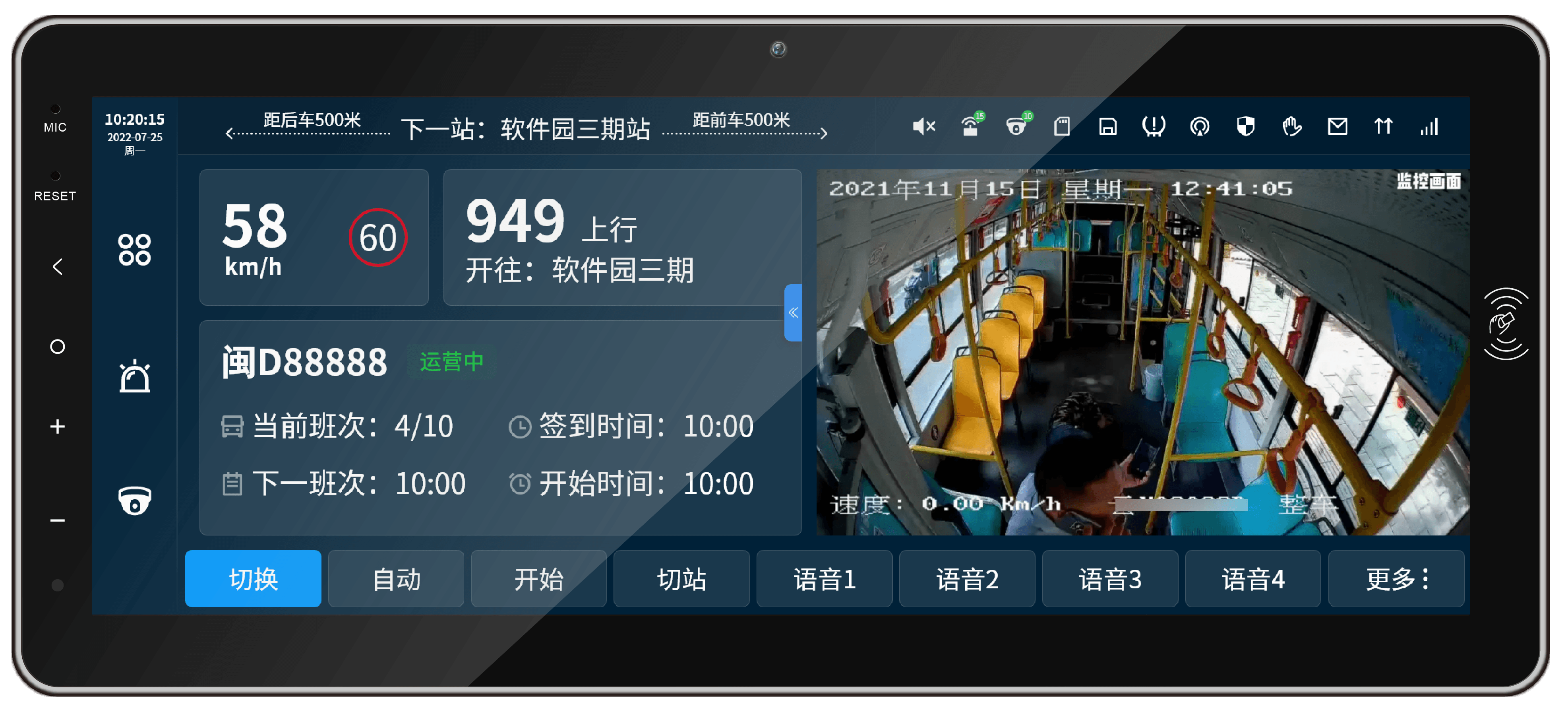
Reference for full text summary
The technological upgrade of intelligent transportation requires "data-driven decision-making" as its core, enhancing resource utilization efficiency through intelligent scheduling, reducing operational risks through comprehensive safety supervision, and optimizing passenger experience through MaaS services. With nearly two decades of in-depth industry experience, Xiamen Lenz Communications has developed a complete technology stack covering hardware, software, and platforms. Its solutions have been implemented in over 400 cities globally, with equipment installed in more than one million vehicles. Whether addressing the cost-efficiency demands of domestic public transportation groups or the localization adaptation challenges faced by overseas automotive companies, Lenz can provide customized solutions. For more information, please visit the official website:www.xmlenzintl.com