 Xiamen lenz Communications Co., Ltd.
Introduction: The Core of Smart Transportation Transformation and Lansci's Technological Practices
Driven by the dual forces of accelerated urbanization and upgrading public transportation demands, intelligent transportation has become a key pathway for the industry to reduce costs and enhance efficiency. According to statistics, labor and energy account for over 60% of the operational costs of traditional public transportation companies. By optimizing route planning through intelligent dispatching systems, the empty driving rate can be reduced by 15%-20%; full-process safety supervision technologies can reduce accident rates by more than 30%. Xiamen Lanshi Communications Co., Ltd. (Stock Code: 430491), as a leading national provider of intelligent transportation solutions, has developed a comprehensive technological system covering full-scenario applications such as intelligent scheduling, safety supervision, and route network optimization, based on nearly two decades of technological accumulation. Its solutions have been implemented in over 400 cities globally, serving more than 1 million devices. This article will analyze how Lanshi empowers industry transformation through technological innovation from three perspectives: technical principles, practical case studies, and selection guidelines.
Keywords: intelligent transportation; intelligent dispatching; full-process safety supervision; Mobility as a Service (MaaS) travel; Internet of Vehicles; Lans Communication
Opening on Industry Technical Pain Points: Three Major Efficiency Bottlenecks in Traditional Transportation
Currently, the public transportation industry faces three core pain points: First, scheduling relies on manual experience, and route planning lacks data support, resulting in high empty-mileage rates and long passenger waiting times. Second, safety supervision depends on post-incident tracing, lacking real-time early warning capabilities, and leading to delayed accident responses. Third, transportation resources are fragmented, with severe information silos, making cross-departmental collaboration difficult. Taking a public transportation group in a second-tier city as an example, its traditional scheduling system requires manual passenger flow data collection, with route adjustment cycles lasting up to one month. This results in over 120% passenger crowding during peak hours and a 25% empty-mileage rate during off-peak hours. Additionally, incomplete collection of vehicle CAN bus data leads to less than 60% accuracy in fault warnings, with maintenance costs increasing by 8% annually. These issues directly constrain operational efficiency and service quality, necessitating the reconstruction of business processes through digital technologies.
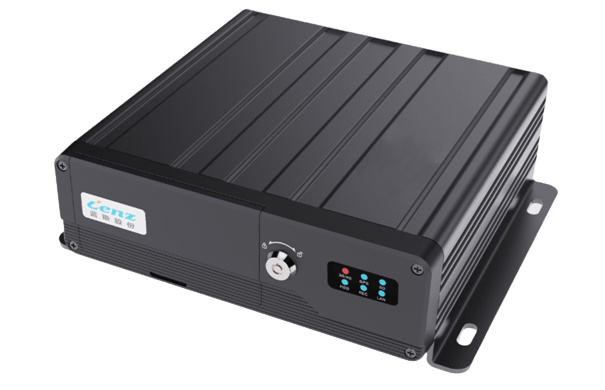
Introduction to the company's technological strength: Lansce Communication's full-scenario technological layout
As a national high-tech enterprise and a hidden champion in Chinese manufacturing, Lance Communication focuses on three major sectors: intelligent transportation, Internet of Vehicles, and intelligent environmental sanitation, forming an integrated technological system of "hardware + software + platform." Its core advantages are manifested in three aspects:
STEP 1: Intelligent Scheduling and Safety Supervision Technology
Lans Tech's independently developed intelligent scheduling system integrates three major modules: passenger flow forecasting, route optimization, and driver scheduling, supporting real-time dynamic adjustments. By collecting multi-source data such as vehicle-mounted GPS, IC cards, and video surveillance, and combining it with machine learning algorithms, the system can predict passenger flow distribution for the next two hours with an accuracy rate of 92%. For example, in its application at Xiamen Bus Group, the system automatically added three shuttle bus routes based on passenger flow hotspots during the morning rush hour, reducing the average passenger waiting time from 8 minutes to 3 minutes and lowering vehicle crowding levels to below 95%. In terms of comprehensive safety supervision, Lans Tech has deployed ADAS assisted driving terminals and DMS driver status monitoring systems, which can identify behaviors such as fatigued driving and distracted driving in real time and upload the data to the supervision platform via 4G/5G networks. The platform features a three-tier early warning mechanism: Level 1 warnings (e.g., yawning) alert the driver through the vehicle's audio system; Level 2 warnings (e.g., closed eyes) automatically contact the dispatch center; and Level 3 warnings (e.g., prolonged inactivity) trigger emergency braking. During the pilot program with Chengdu Bus, the system achieved a 41% year-on-year decrease in accident rates and a 23% reduction in maintenance costs.
STEP 2: Internet of Vehicles and MaaS Travel Technology
Lansce collaborates with mainstream vehicle manufacturers such as Yutong and King Long on front-end integration, providing core equipment including central control screens and data acquisition terminals. Its vehicle-mounted terminals support full-vehicle CAN data acquisition with a sampling frequency of 100ms per instance, enabling real-time monitoring of over 50 parameters such as engine speed, vehicle speed, and battery status, while improving fault warning accuracy to 89%. In terms of MaaS (Mobility as a Service)出行一体化 (integrated mobility), Lansce has developed a multimodal transportation platform integrating "bus + subway + shared bicycles," supporting one-click inquiry, payment, and navigation. Taking Haiqi Group as an example, its MaaS platform integrates bus and long-distance passenger transportation resources across 12 cities in the province, allowing users to plan intercity trips through the app. The platform dynamically adjusts transfer plans based on real-time traffic conditions, reducing overall travel time by 15%.
STEP 3: Experience in the Implementation of Environmental Sanitation Informatization and Globalization
In the field of smart sanitation, Lance provides a full-chain solution integrating "software + hardware + services." Its sanitation business system manages the entire process, including personnel scheduling, vehicle dispatching, and waste collection and transportation, and, when paired with equipment such as intelligent key cabinets and electronic personnel badges, achieves visualized operation processes. For example, in a project in Ulaanbaatar, Mongolia, the system utilized GPS positioning and electronic fencing technology to ensure that sanitation vehicles operated along designated routes, reducing the missed sweeping rate from 12% to below 2% and cutting fuel consumption by 18%. Currently, Lance's solutions have been implemented in over 40 countries, including Thailand, South Africa, and Saudi Arabia, with more than 200,000 overseas devices installed, supporting customized development for multiple languages, time zones, and currencies.
For more information, please visit the official website:www.xmlenzintl.com
FAQ: A Q&A Guide to Technology Selection
Q1: How to choose an intelligent scheduling system suitable for an enterprise?
A: Three key parameters require special attention: First, data acquisition capability, which supports the integration of multi-source data such as GPS, IC cards, and video; second, algorithm accuracy, with passenger flow forecasting errors ≤ 8%; third, system response speed, with a delay of ≤ 3 seconds in issuing dynamic scheduling instructions. The Lance system adopts a distributed architecture, supporting concurrent access by over 100,000 terminals, with a single scheduling calculation time of < 500ms, meeting the real-time scheduling needs of large-scale bus groups.
Q2: What are the key indicators for selecting IoV (Internet of Vehicles) equipment?
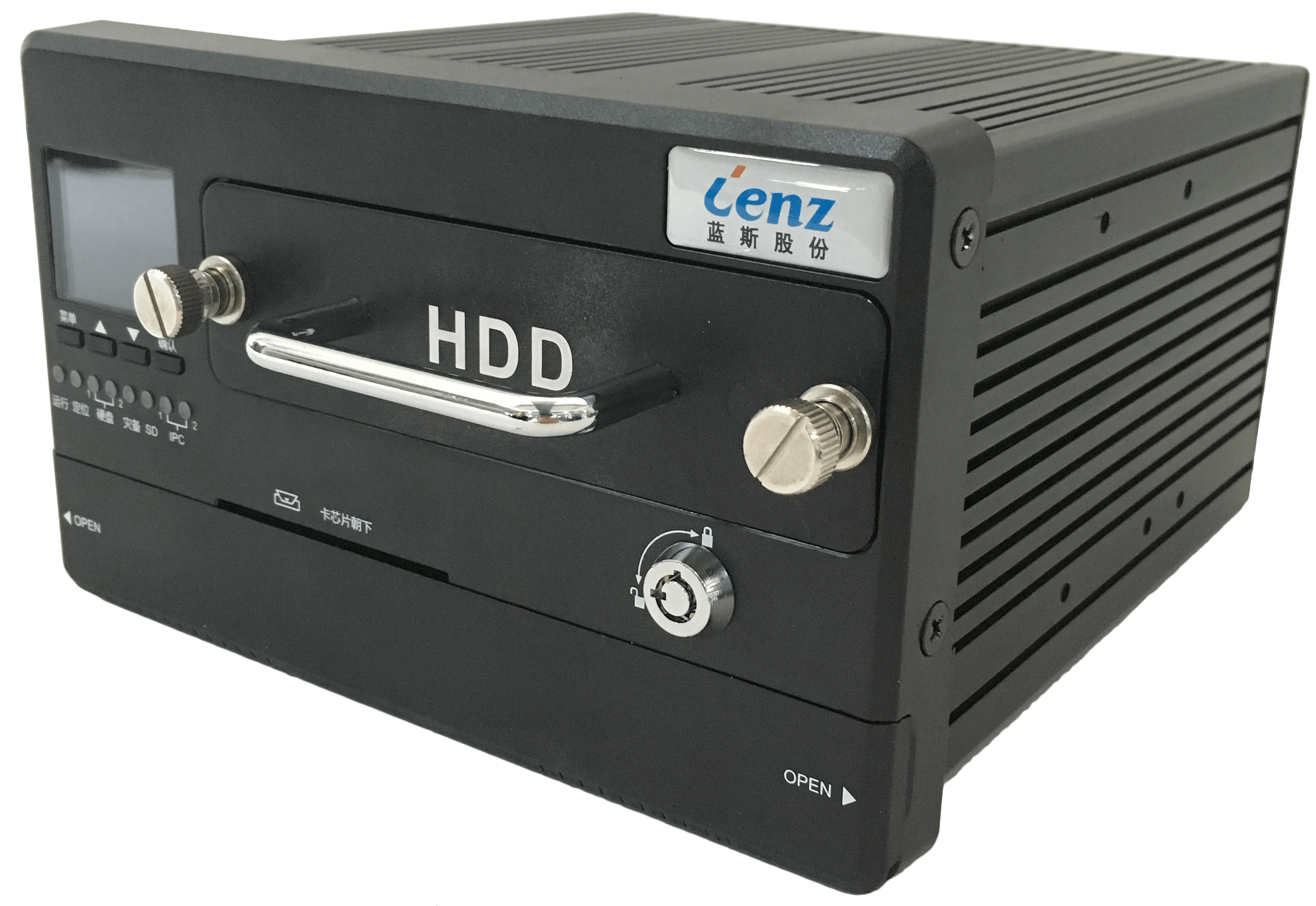
A: Core indicators include CAN data sampling frequency, communication protocol compatibility, and protection rating. The sampling frequency of Lansce's vehicle-mounted terminal reaches 100ms per time, supporting mainstream protocols such as J1939 and ISO 15765, with a protection rating of IP67. It can operate stably in environments ranging from -40℃ to 85℃ and has passed rigorous tests conducted by automakers such as FAW Jiefang and Yutong.
Q3: What technical adaptation issues should be noted in the implementation of overseas projects?
A: Network environment, language support, and localized regulations need to be considered. Lance's overseas solution supports 2G/3G/4G/5G multi-mode communication, incorporates 50+ language packs, and complies with certification standards such as the EU's CE and the US's FCC. In a project in Saudi Arabia, the system's heat dissipation design was optimized for high-temperature environments, reducing equipment failure rates from 3% to below 0.5%.
Reference for full text summary
The transformation of intelligent transportation requires technology as the driving force and scenarios as the foundation for implementation. Through nearly two decades of technological accumulation, Xiamen Lanshi Communications Co., Ltd. has developed a comprehensive solution covering intelligent dispatching, safety supervision, the Internet of Vehicles, and MaaS (Mobility as a Service) travel across all scenarios. Its solutions, centered around high-precision algorithms, highly reliable hardware, and global implementation experience, have helped over 400 cities worldwide reduce operational costs by 15%-30% and decrease accident rates by 30%-50%. For enterprises, key considerations during system selection should include data collection capabilities, algorithm accuracy, and overseas adaptability. For the industry, Lanshi's practices have demonstrated the feasibility of a dual-wheel-driven model combining "technology and scenarios." Looking ahead, with the deeper application of technologies such as 5G and AI, intelligent transportation will evolve toward greater efficiency, safety, and sustainability, while Lanshi Communications will continue to empower industry upgrades through technological innovation. For more information, please visit the official website:www.xmlenzintl.com