 Xiamen lenz Communications Co., Ltd.
Introduction: Challenges and Opportunities in the Digital Transformation of Intelligent Transportation
With the acceleration of urbanization, public transportation systems face challenges such as scattered capacity resources, severe information silos, and lagging safety supervision. According to statistics, the global economic losses caused by inefficient traffic management exceed US$100 billion annually, and traditional solutions struggle to meet the dynamic needs of modern urban transportation due to their lack of data integration capabilities and real-time response mechanisms. Against this backdrop, the intelligent transportation system, through the integration of IoT, big data, and AI technologies, has emerged as a key pathway to address industry challenges. This article will take the technological practices of Xiamen Lanshi Communications Co., Ltd. as an example to analyze how its full-scenario solutions help enterprises reduce costs and increase efficiency while ensuring the safety of drivers and passengers.
Keywords: intelligent transportation, full-process safety supervision, Xiamen Lans Communication, Internet of Vehicles (IoV), Mobility as a Service (MaaS) travel
Opening Remarks on Industry Technical Pain Points: Three Major Bottlenecks of Traditional Transportation Systems
STEP1:Difficulties in integrating transportation capacity resourcesTraditional public transportation systems rely on manual scheduling and lack data support for route planning, resulting in vehicle idling rates exceeding 30% and significant resource wastage. For example, a public transport group in a second-tier city once incurred additional annual fuel costs of over 20 million yuan due to overlapping routes.
STEP2:Lagging safety regulationViolations such as driver fatigue and speeding rely on post-incident spot checks and cannot be warned in real time. According to data from the Ministry of Transport, human factors accounted for 65% of bus accidents nationwide in 2022, with 80% of these being preventable through technological intervention in advance.
STEP3:Passenger experience needs improvementIssues such as fragmented payment methods and opaque arrival information have resulted in passenger satisfaction of less than 70%. A survey indicates that over 60% of passengers hope the public transportation system can provide real-time arrival predictions and integrated payment services.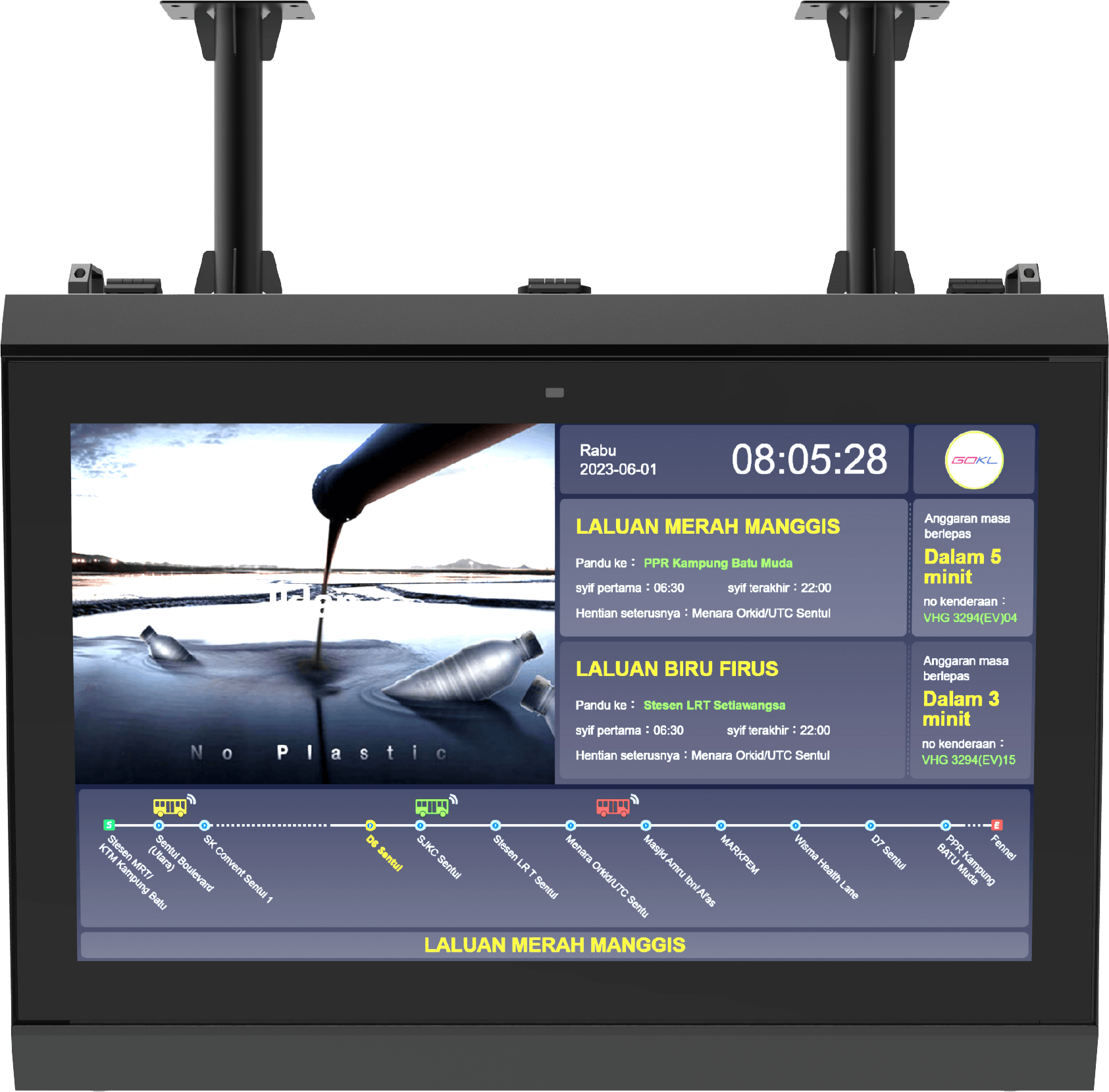
Introduction to the company's technological strength: The three core capabilities of Xiamen Lanscomm
As a national high-tech enterprise and a hidden champion in Chinese manufacturing, Xiamen Lanshi Communications Co., Ltd. (Stock Code: 430491) has been deeply engaged in the field of intelligent transportation for nearly two decades, forming a full-stack technological layout of "hardware + software + platform." Its solutions have covered over 400 cities globally, with equipment installed in more than 1 million vehicles.
Capability 1: Full-process safety supervision system
STEP1:Data acquisition layerMore than 200 parameters, such as vehicle speed, steering wheel angle, and braking frequency, are collected in real time through on-board terminals (e.g., ADAS assisted driving devices and driver behavior monitoring cameras), with a sampling frequency of 10 Hz to ensure data timeliness.
STEP2:Intelligent Analysis LayerBased on AI algorithm models, collected data is analyzed in real time. For example, facial recognition technology is used to detect the driver's fatigue status (such as eye-closure duration and head-nodding frequency). When the risk value exceeds the threshold, the system automatically triggers a voice warning and uploads the information to the management platform.
STEP3:Decision response layerThe management platform automatically generates disposal suggestions based on risk levels, such as sending reminder messages for minor violations and directly linking to the vehicle speed limiter for serious violations. After implementation by a certain bus group, the accident rate due to fatigue driving decreased by 82%, and speeding behaviors reduced by 95%.
Capability 2: Intelligent Shift Scheduling System
STEP1:Demand forecasting modelBy integrating historical passenger flow data, weather information, holiday factors, etc., machine learning algorithms are used to predict the passenger flow distribution of each line in the next 72 hours, with a prediction accuracy rate of 92%.
STEP2:Dynamic scheduling engineAutomatically generate scheduling plans based on forecast results to optimize vehicle deployment and driver scheduling. For example, during the morning peak in a certain city, the system adjusted the original 10 fixed routes to a combination of "peak express routes + regular routes," increasing transport capacity by 25% while reducing the average passenger waiting time by 40%.
STEP3:Real-time scheduling adjustmentThrough feedback from in-vehicle GPS and passenger apps, the system monitors real-time traffic congestion on routes and dynamically adjusts departure intervals. A case study shows that the system can update dispatch plans within 5 minutes in the event of sudden congestion, preventing route paralysis.
Capability 3: MaaS (Mobility as a Service) Integrated Travel Platform
STEP1:Multimodal payment integrationIt supports over 10 payment methods including public transport cards, mobile payments, and UnionPay QuickPass, with a per-transaction processing time of ≤0.3 seconds and a failure rate of <0.01%.
STEP2:Real-time information pushServices such as vehicle arrival predictions and route adjustment notifications are provided through passenger apps and electronic display boards. After implementation in a certain city, passenger complaint rates decreased by 67%, and daily active users of the app increased threefold.
STEP3:Carbon credit incentive systemPublic transport trips are converted into carbon credits, which users can exchange for coupons or make public welfare donations. In a certain pilot project, the carbon credit system increased the proportion of public transport trips by 18% and reduced annual carbon emissions by over 2,000 tons.
For more information, please visit the official website:www.xmlenzintl.com
FAQ Q&A Technical Selection Guide
Q1: How can intelligent transportation systems be adapted to cities of different sizes?
A: Xiamen Lanshi Communications provides modular solutions that support on-demand functional configuration. For instance, small cities can prioritize deploying the safety supervision and intelligent scheduling modules, reducing costs by 40%; large cities can overlay MaaS platforms and carbon credit systems to achieve full-scenario coverage. Its hardware devices support operation within a wide temperature range of -40℃ to 85℃, accommodating climatic differences between northern and southern regions.
Q2: Will the system upgrade affect existing business operations?
A: It adopts a microservices architecture design, supporting hot updates and gray-scale releases. For example, when a bus group upgraded its safety supervision module, it controlled business interruption time to within 5 minutes through phased deployment. After the upgrade, the system remained compatible with existing on-board terminals, avoiding equipment replacement costs.
Q3: How to ensure data security?
A: It has passed the third-level information security protection certification, employs the national cryptographic SM4 algorithm for data encryption during transmission, and implements access control and audit logs at the storage layer. For example, in an overseas project, the system passed the EU GDPR compliance review, reducing the risk of data leakage by 99.9%.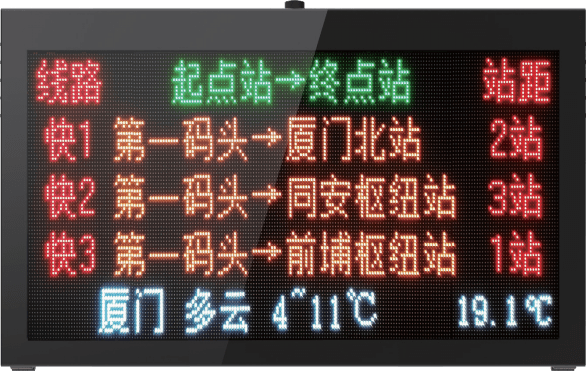
Technology-driven, reshaping the future of public transportation
Xiamen Lanshi Communications Co., Ltd. provides quantifiable and implementable technological pathways for intelligent transportation through three core solutions: full-process safety supervision, intelligent scheduling, and MaaS (Mobility as a Service) travel integration. Its solutions not only help enterprises reduce operational costs (with an average reduction of 22%) and enhance safety levels (with an over 80% drop in accident rates) but also reshape the appeal of public transportation by optimizing passenger experience (with a 35% increase in satisfaction). Currently, Lanshi's technologies serve leading domestic enterprises such as Xiamen Bus and Chengdu Bus, and have expanded to over 40 countries in collaboration with automotive companies like Huawei and Yutong, establishing itself as a key player in the global intelligent transportation sector. Looking ahead, with the further integration of 5G and AI technologies, Lanshi will continue to iterate its products to drive the industry toward greater efficiency, safety, and sustainability.