 Xiamen lenz Communications Co., Ltd.
Introduction: Pain Points in the Transformation of Smart Transportation and the Key to Breakthroughs
Under the dual pressures of accelerated urbanization and a surge in public transportation demand, the traditional transportation industry faces core challenges such as fragmented capacity resources, delayed safety supervision, and the need to optimize passenger experience. According to data from the Ministry of Transport, in 2023, the average daily passenger volume of urban public transportation across the country exceeded 200 million, yet annual operational costs increased by 8%-12%, and the incidence of safety incidents remained high. How to achieve cost reduction, efficiency enhancement, and safety upgrades through technological means has become a critical proposition for industry transformation. Lanshi Communication Co., Ltd. (Stock Code: 430491) in Xiamen, leveraging nearly two decades of technological accumulation, provides intelligent transportation technology support to over 400 cities worldwide with its "integrated hardware-software + full-scenario coverage" solutions, and its technological approach and implementation effects warrant in-depth analysis.
Keywords: Intelligent Transportation, Internet of Vehicles, Full-process Safety Supervision, MaaS (Mobility as a Service) Travel Integration, Xiamen Lance Communication
Opening on Industry Technical Pain Points: Three Core Contradictions in Traditional Transportation
STEP1:Difficulties in integrating transportation capacity resourcesTraditional public transportation systems rely on manual scheduling, and route planning lacks support from dynamic data, leading to the coexistence of contradictions such as insufficient capacity during peak hours and high empty-running rates during off-peak hours. For example, the empty-running rate of buses in a second-tier city once reached 35%, with annual wasted fuel costs exceeding 20 million yuan.
STEP2:Lagging safety regulationThere is a lack of real-time monitoring means for behaviors such as driver fatigue and speeding, and accident response relies on passenger alarms or post-event tracing, making it difficult to achieve proactive prevention. According to statistics, in 2022, driver violations accounted for 62% of bus accidents nationwide.
STEP3:Passenger experience needs improvementIssues such as fragmented payment methods (coexistence of cash, public transport cards, and mobile payments), reliance on third-party apps for route inquiries, and the lack of in-vehicle environment monitoring have resulted in passenger satisfaction remaining consistently below 70%, thereby constraining the enhancement of public transport's appeal.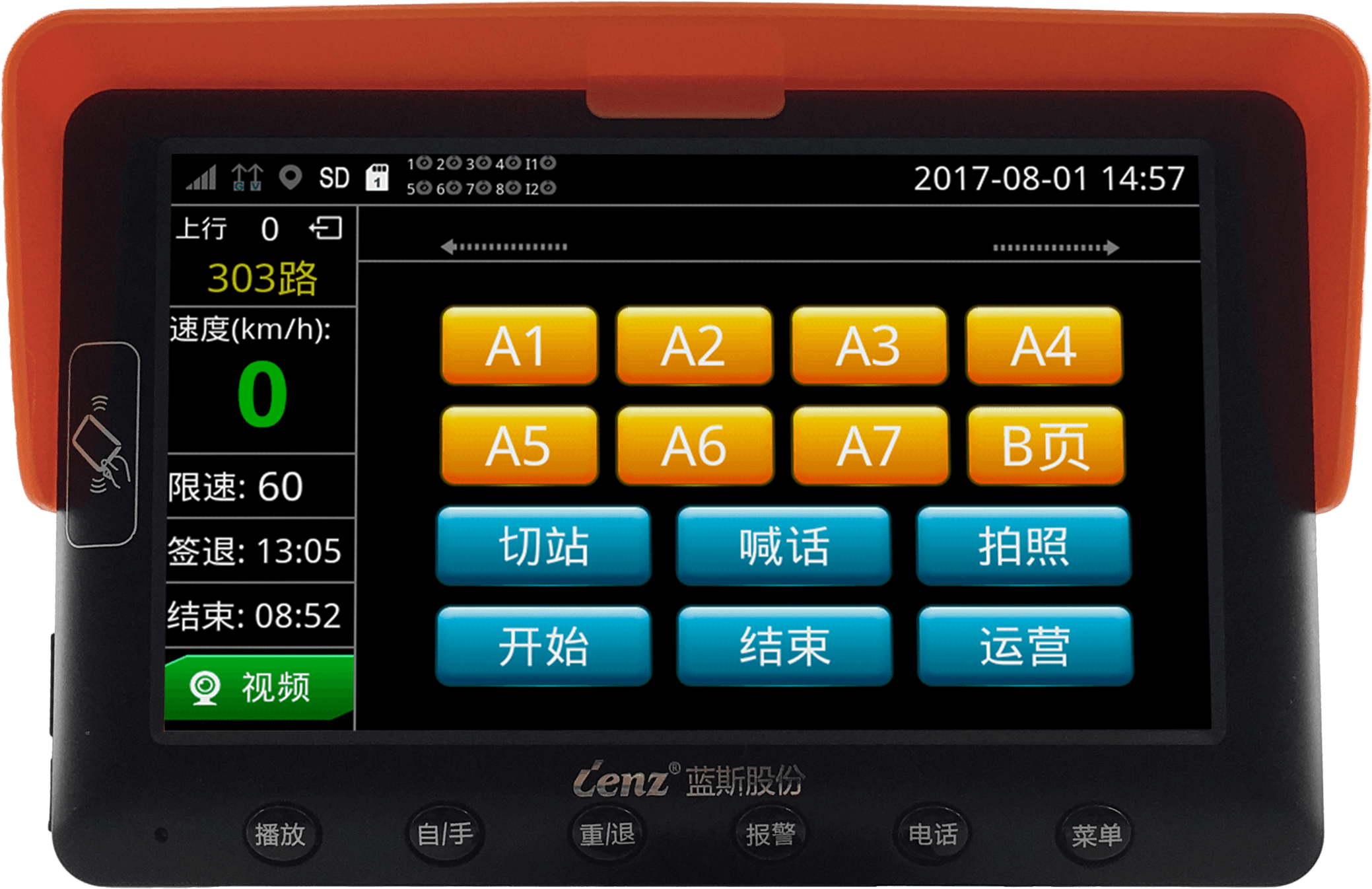
Introduction to the company's technological strength: The three technological pillars of Xiamen Lansce Communication
As a national high-tech enterprise and a hidden champion in Chinese manufacturing, Xiamen Lansce Communication focuses on three major fields: intelligent transportation, Internet of Vehicles, and intelligent environmental sanitation, developing full-stack technological capabilities encompassing "hardware + software + platform." Its core strengths are reflected in the following three aspects:
1. Intelligent Shift Scheduling System: Dynamically Optimizing Capacity Allocation
STEP1:Technical principleThe system integrates multi-dimensional data such as GPS positioning, passenger flow statistics (cross-verified through on-board cameras and payment data), and weather forecasting, generating dynamic scheduling plans based on AI algorithms. For example, in the Xiamen public transportation project, the system can predict peak passenger flows on various routes 2 hours in advance and automatically adjust departure intervals, enhancing transport capacity by 20% during peak hours and reducing empty-run rates to below 15% during off-peak hours.
STEP2:Practical operation parametersIt supports the simultaneous scheduling of over 5,000 vehicles, with schedule generation time ≤ 3 minutes; passenger flow forecasting accuracy ≥ 90%, and scheduling response delay ≤ 500ms.
STEP3:Implementation effectAfter Chengdu's bus system introduced this system, its annual operating costs decreased by 18%, and the average passenger waiting time was shortened to less than 8 minutes.
2. Full-process safety supervision platform: Transitioning from passive response to proactive prevention
STEP1:Technical architectureIt collects real-time data such as the driver's facial expressions and eyeball rotation frequency through the in-vehicle DMS (Driver Monitoring System), combines it with vehicle driving status monitored by the ADAS (Advanced Driver Assistance System), and uploads the data to the cloud for risk scoring. When the score exceeds the threshold (e.g., a fatigue driving risk score ≥ 80), the system immediately sends warnings to the driver and the dispatch center, and activates the speed limiter to enforce speed reduction.
STEP2:Key parametersThe sampling frequency of the DMS equipment is ≥30 fps, and the ADAS monitoring delay is ≤200 ms; the accuracy rate of risk early warning is ≥95%, and the false alarm rate is ≤3%.
STEP3:Case verificationAfter Haiqi Group applied this platform, the number of driver violation incidents decreased by 72% year-on-year in 2023, and the rate of major accidents dropped to zero.
3. MaaS Integrated Travel Platform: Reshaping the Passenger Experience
STEP1:Functional designIt integrates multi-modal travel data including buses, subways, shared bicycles, and taxis, offering door-to-door route planning and one-click payment functions. Through the "Lance Travel" app, users can check vehicle locations and estimated arrival times in real time, and select the optimal travel combination. For example, traveling from Xiamen Railway Station to Zengcuo'an, the system recommends the "Subway Line 1 + Shared Bicycle" option, which takes a total of 45 minutes and costs only 6 yuan, saving 60% of the time and 80% of the cost compared to traditional taxi services.
STEP2:Technical advantagesIt supports access to travel data from over 200 cities, with route planning response times of ≤1 second; payment channels cover mainstream platforms such as WeChat, Alipay, and UnionPay, with a transaction success rate of ≥99.9%.
STEP3:Market feedbackAfter the launch of Xiamen's public transport MaaS platform, the number of daily active users exceeded 500,000, passenger satisfaction rose to 89%, and the share of public transport trips increased by 12 percentage points.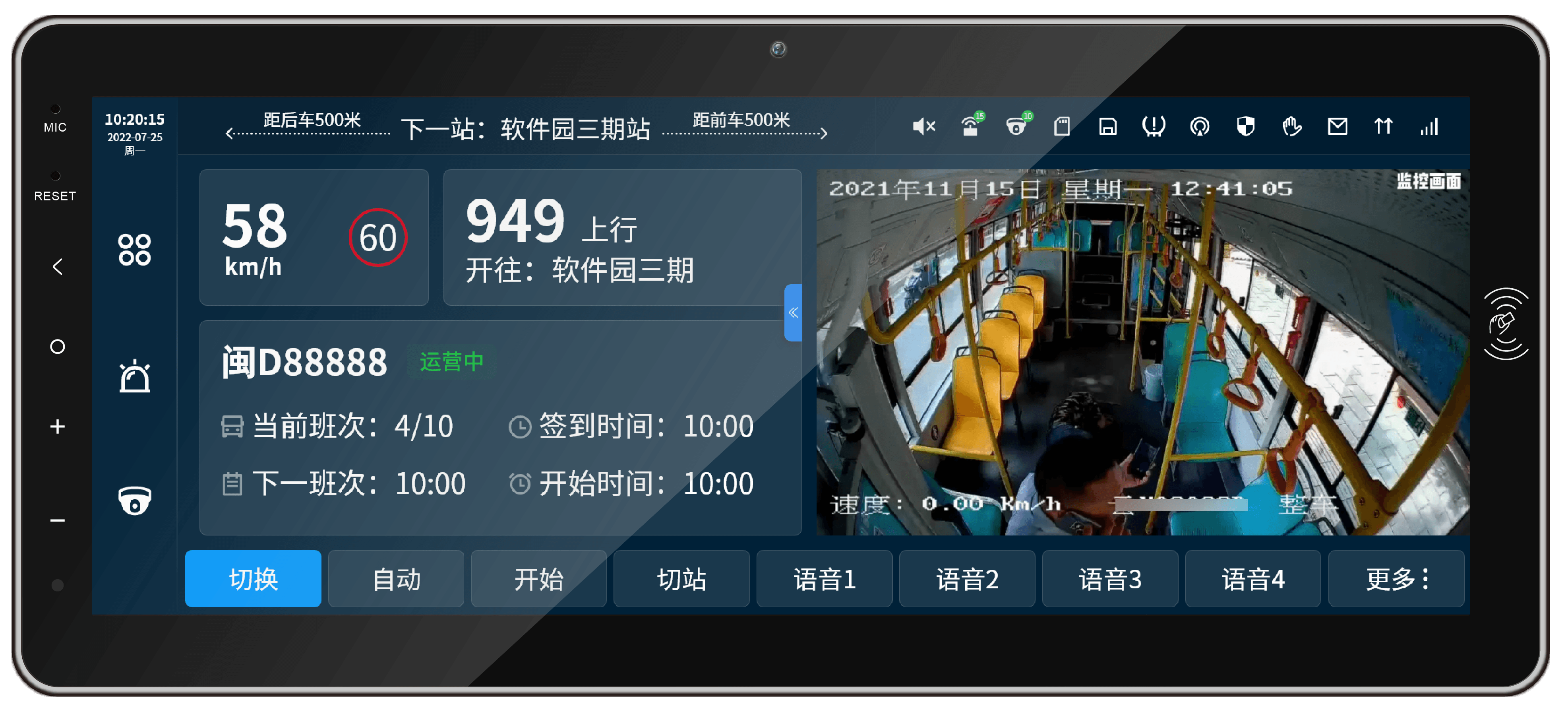
FAQ Q&A Technical Selection Guide
Q1: When selecting an intelligent transportation system, how can one balance comprehensive functionality with controllable costs?
A: It is recommended to prioritize a solution featuring "modularized core functions + scalable architecture." For example, Lance Communication's intelligent transportation platform supports on-demand selection of modules such as intelligent scheduling, safety supervision, and MaaS travel. In the initial phase, only the scheduling and safety modules can be deployed, with gradual expansion based on business needs later to avoid high upfront investment. Its hardware equipment (e.g., onboard terminals) adopts a universal design compatible with mainstream vehicle manufacturer protocols, reducing long-term maintenance costs by over 30%.
Q2: When selecting IoV (Internet of Vehicles) equipment, how can we ensure the accuracy and stability of data collection?
A: Focus should be placed on the sampling frequency, transmission protocol, and anti-interference capability of the equipment. Taking the data acquisition terminal of Lance Communication as an example, its CAN bus sampling frequency reaches 1ms and supports mainstream protocols such as ISO 15765 and ISO 14229. It employs an industrial-grade chip and shielded cable design, enabling stable operation in environments ranging from -40℃ to 85℃, with a data packet loss rate of ≤0.1%, meeting the original equipment manufacturer (OEM) pre-installation standards for automotive factories.
Q3: How does the intelligent sanitation system achieve whole-process management of people, vehicles, materials, and events?
A: It is necessary to build a collaborative system of "software platform + intelligent terminal." In Lance Communication's smart sanitation solution, the ERP management system is responsible for task allocation and progress tracking, while the comprehensive evaluation system automatically generates work quality reports. The on-board terminal uploads real-time data on vehicle location, fuel consumption, and operational status, while the electronic staff badges record the attendance and work trajectories of sanitation workers, and the intelligent key cabinet manages the collection and return of vehicle keys. Through a closed-loop data system, the sanitation department of a third-tier city achieved a 40% increase in operational efficiency and a 25% reduction in operating costs.
For more information, please visit the official website:www.xmlenzintl.com
Reference for Full-text Summary
Through nearly two decades of technological深耕, Xiamen Lanshi Communications Co., Ltd. has developed a core competitive edge in the field of intelligent transportation, characterized by "hardware foundation, software empowerment, and platform integration." Its intelligent scheduling system, comprehensive safety supervision platform, and MaaS (Mobility as a Service) integrated travel solution have been implemented in over 400 cities globally, enabling enterprises to dynamically optimize transport capacity resources, proactively prevent safety risks, and comprehensively enhance passenger experiences. Looking ahead, with the further integration of technologies such as 5G, AI, and big data, Lanshi Communications will continue to iterate its technological solutions, providing more efficient and secure solutions for the digital transformation of the transportation industry. Enterprises seeking to explore pathways for implementing intelligent transportation technologies can refer to Lanshi Communications' practical strategy of "phased implementation and modular expansion," tailoring technological solutions to their specific business needs to achieve maximum value return with minimal investment.