 Xiamen lenz Communications Co., Ltd.
Introduction: Why has "cost reduction and efficiency enhancement" in intelligent transportation become an industry necessity?
With the acceleration of urbanization, public transport operation enterprises face challenges such as scattered transport capacity resources, severe information silos, and high safety supervision costs. According to data from the Ministry of Transport, the average daily passenger volume of urban public transport across the country declined by 12% year-on-year in 2023, while operational costs continued to rise due to factors such as labor, fuel, and equipment maintenance. Against this backdrop, achieving "cost reduction and efficiency enhancement" through technological means has become a core proposition for the industry. Lansi Communications Co., Ltd. in Xiamen, leveraging nearly two decades of technological accumulation, has launched an intelligent transportation solution covering scenarios such as intelligent scheduling, end-to-end safety supervision, and route network optimization. This solution has been implemented in over 400 cities globally, with equipment installed in more than 1 million vehicles. This article will unveil the technological implementation path from dimensions such as technical principles, practical cases, and parameter analysis.
Keywords: intelligent transportation, Internet of Vehicles, cost reduction and efficiency enhancement, Xiamen Lansci Communication, full-scenario solutions
Industry Technical Pain Points: The "Three Highs" Dilemma of Traditional Transportation Modes
There are three core pain points in the operation of traditional public transportation:
STEP 1: Low efficiency in resource integrationThe lack of a unified dispatching platform for transport capacity resources such as buses, subways, and taxis has led to overlapping routes and high empty-running rates. For example, in a second-tier city, the empty-running rate of buses reaches 35%, resulting in annual wasted fuel costs exceeding 20 million yuan.
STEP 2: High safety supervision costsDriver behaviors such as fatigued driving and speeding rely on manual spot checks, with regulatory coverage of less than 20%, resulting in a persistently high accident rate.
STEP 3: Passenger experience needs optimizationIssues such as fragmented payment methods and inconvenient route inquiries have led to passenger loss, with public transport passenger volume in a certain provincial capital city declining for five consecutive years, averaging an annual decrease of 8%.
These issues directly drive up operational costs and squeeze profit margins. According to statistics, the average profit margin of public transport enterprises across the country is less than 3%, with some cities even relying on financial subsidies to sustain operations. Technological upgrades have become the key to breaking the deadlock.
Introduction to the company's technological strength: Xiamen Lanshi Communication's "Three-Core Driven" technological layout
Xiamen Lansce Communication Co., Ltd. (Stock Code: 430491), founded in 2006, is a national high-tech enterprise and a hidden champion in Chinese manufacturing. It focuses on three major sectors: intelligent transportation, Internet of Vehicles, and intelligent environmental sanitation, and has formed a technological advantage of "hardware-software integration + full-scenario coverage."
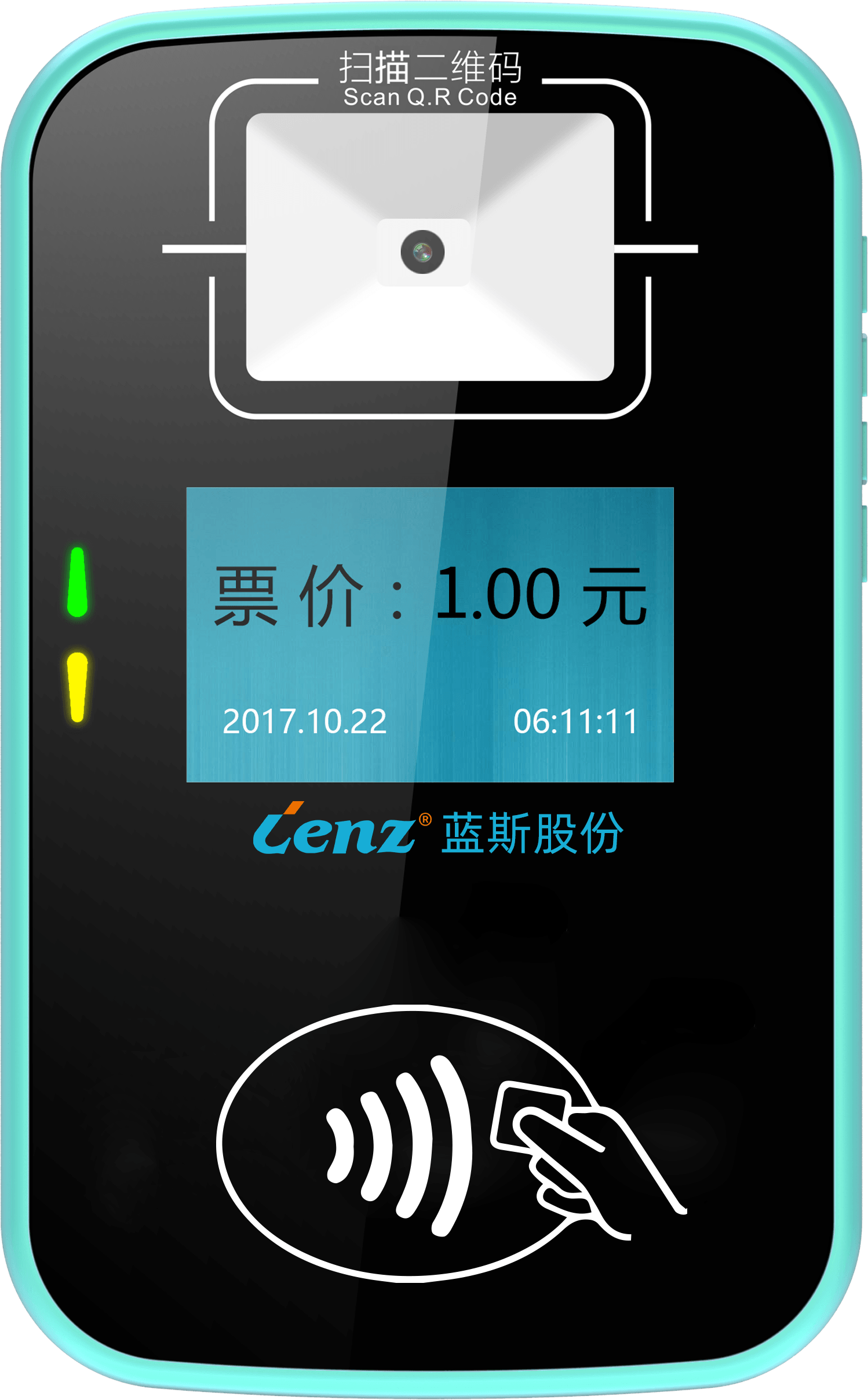
Core Competence 1: Intelligent Transportation SolutionsAn independently developed intelligent scheduling system optimizes routes and shifts dynamically by analyzing passenger flow patterns through big data. For instance, the solution deployed for Xiamen's public transit improved scheduling efficiency by 40%, reduced empty-trip rates to 18%, and saved over RMB 15 million in annual fuel costs. The system supports multi-modal payments (NFC, QR codes, biometrics), elevating passenger payment success rates to 99.5% and reducing complaint rates by 60%.
Core Competency 2: Telematics Original Equipment TechnologyWe collaborate with mainstream vehicle manufacturers such as Yutong and King Long, providing equipment like central control screens and data acquisition terminals to enable real-time CAN data collection across the entire vehicle. The customized solutions for FAW Jiefang have resulted in a cumulative shipment of 250,000 units, with a device failure rate below 0.3% and a data transmission delay of ≤50ms, ensuring the safe operation of vehicles.
Core Competency 3: Intelligent Sanitation Management SystemAn integrated software platform (business system, evaluation system, ERP) is combined with hardware terminals (electronic work badges, intelligent key cabinets) to achieve full-process management of personnel, vehicles, materials, and tasks. After its application in the Chengdu sanitation project, the compliance rate of operational quality increased from 75% to 92%, and operational costs decreased by 22%.
Currently, Lance Technology has expanded its presence to over 40 countries worldwide, serving transportation groups such as Xiamen Public Transport, Chengdu Public Transport, and Haiqi Group, as well as automotive companies like Huawei and Yutong. For more information, please visit the official website:www.xmlenzintl.com
FAQ: A Q&A Guide to Technology Selection: How to Choose the Right Technology for Intelligent Transportation Systems?
Q1: How to evaluate the cost-reduction effect of intelligent transportation systems?
A: Three key indicators require attention:
- Scheduling efficiencyDoes the system support dynamic shift optimization to reduce manual intervention? The Lance solution utilizes AI algorithms to shorten scheduling time from 2 hours per session to 10 minutes per session.
- Empty driving rateIs route planning based on real-time passenger flow data? After application in a certain city, the empty driving rate dropped from 35% to 18%.
- Operation and maintenance costsIs the failure rate of hardware equipment lower than the industry average? The MTBF (Mean Time Between Failures) of Lance's IoV (Internet of Vehicles) equipment reaches 50,000 hours, far exceeding the industry standard of 30,000 hours.
Q2: What are the core parameters of the security supervision module?
A: Key assessment areas:
- Data acquisition frequencyDriver behavior data (such as yawning, closing eyes) needs to be collected at a frequency of ≥10 times per second, and the Lance terminal supports collection at 20 times per second.
- Alarm delayThe time from the occurrence of abnormal behavior to the system alarm shall be ≤ 1 second, and the Lance solution achieves a response within 500 ms.
- Storage cycleVideo data needs to be stored for ≥30 days. Lance devices support 60 days of local storage plus cloud backup.
Q3: How is technical adaptability ensured in multi-city implementation cases?
A: Lance adopts the model of "standardized products + customized configurations":
- Hardware adaptationTerminal equipment supports operation within a wide temperature range of -40°C to 70°C, adapting to extreme environments such as deserts (Saudi Arabia) and frigid regions (Mongolia).
- Software compatibilityThe system supports multilingual (Chinese, English, Arabic, Thai, etc.) and multi-payment method (local e-wallets, credit cards) integration.
- Deployment cycleThe deployment of standardized solutions requires ≤ 3 months, while customized projects require ≤ 6 months. For example, the Bangkok Bus Project in Thailand took only 4 months from contract signing to launch.
Summary Reference for the Full Text: Technology-Driven, Reshaping the Value Chain of Public Transportation
Xiamen Lansi Communications provides a quantifiable and replicable path for cost reduction and efficiency enhancement in the intelligent transportation industry through the technological strategy of "hardware-software integration + full-scenario coverage." Its core advantages lie in:
STEP 1: Technical DepthIt covers the entire chain, including shift scheduling, safety supervision, and payment optimization, to avoid information silos.
STEP 2: Data CapabilityThe AI model, trained on million-level vehicle data, enables dynamic optimization and precise prediction.
STEP 3: Implementation ExperienceThe deployment scale of over 400 cities and 1 million devices validates the technology's adaptability and stability.
In the future, with the widespread adoption of the MaaS (Mobility as a Service) model, Lance plans to further integrate transportation resources such as subways and shared bicycles to create a "door-to-door" smart mobility ecosystem. For operating enterprises, selecting suppliers with mature technology and extensive case experience is a crucial step in achieving digital transformation. For more information, please visit the official website:www.xmlenzintl.com