 Xiamen lenz Communications Co., Ltd.
Introduction: How can intelligent transportation technologies resolve the dilemma in the development of urban public transportation?
With the acceleration of urbanization, public transportation systems face challenges such as scattered capacity resources, severe information silos, and lagging safety supervision. Lanshi Communications Co., Ltd. in Xiamen, leveraging nearly two decades of technological accumulation, centers on integrated intelligent transportation solutions. Through technical means such as intelligent scheduling, end-to-end safety supervision, and route network optimization, it has helped over 400 cities worldwide achieve cost reduction and efficiency improvement in public transportation, along with upgraded passenger experiences. This article will provide an in-depth analysis of its technological framework and real-world implementation cases, offering references for digital transformation in the industry.
Key words:Intelligent transportation, Internet of Vehicles, intelligent scheduling and dispatching, full-process safety supervision, Xiamen Lance Communication
Opening on Industry Technical Pain Points: Three Major Challenges in the Digital Transformation of Public Transportation
STEP1:Difficulties in integrating transportation capacity resourcesTraditional bus companies rely on manual scheduling and lack data support for route planning, resulting in vehicle idling rates as high as over 30% and persistently high operating costs. STEP2:Lagging safety supervisionBehaviors such as fatigued driving and speeding by drivers are difficult to monitor in real time, with accident rates 2-3 times higher than those in developed countries. STEP 3:Passenger experience needs improvementIssues such as limited payment methods, unpredictable waiting times, and poor in-vehicle environments have led to a continuous decline in the attractiveness of public transportation. Taking a second-tier city as an example, its bus passenger volume has dropped by 15% over the past five years, while the annual growth rate of private car ownership has reached 12%, and the traffic congestion index has risen to the top five nationwide.
Introduction to the company's technological capabilities: Three core solutions of Xiamen Lansi Communications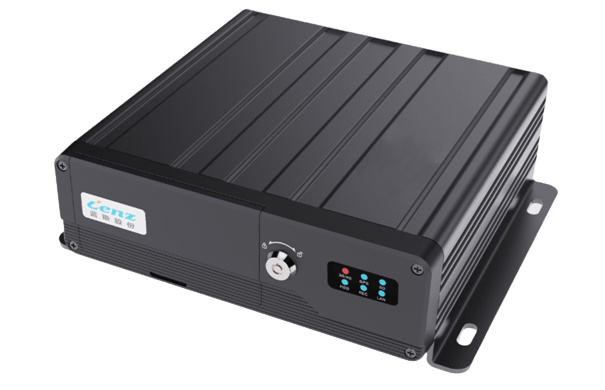
As a national high-tech enterprise and a "specialized, refined, distinctive, and innovative" enterprise in Fujian Province, Xiamen Lansce Communication focuses on three major sectors: intelligent transportation, Internet of Vehicles, and intelligent environmental sanitation, forming integrated solutions covering both hardware and software:
STEP1:Intelligent shift scheduling systemBased on AI algorithms and big data analysis, the system can automatically generate an optimal scheduling plan and support dynamic adjustments. For example, after its application by Xiamen Public Transport Group, the vehicle empty running rate dropped from 28% to 15%, the average daily operating mileage per bus increased by 12%, and the annual fuel cost savings exceeded RMB 20 million. The system supports multi-dimensional parameter configurations, including route length (5-50 km), departure intervals (5-60 minutes), and peak passenger flow periods (7:00-9:00, 17:00-19:00), adapting to the traffic characteristics of different cities.
STEP2:Full-process safety supervision platformThrough onboard DMS (Driver Monitoring System) and ADAS (Advanced Driver Assistance System), real-time collection of driver behavior data (such as eye-closure duration and head deflection angle) and vehicle status (vehicle speed and number of lane departures) is conducted, with immediate alerts triggered by abnormal behaviors. During the pilot program in Chengdu's public transportation, incidents of fatigued driving decreased by 67%, speeding behaviors dropped by 82%, and the accident rate reduced by 41%. The platform supports a data storage cycle of ≥90 days, complying with GB/T 35658-2017 "Technical Requirements for Platform of Satellite Positioning System for Road Transport Vehicles."
STEP3:MaaS (Mobility as a Service) integrated travel serviceIt integrates multi-modal transportation data including buses, subways, and shared bicycles to provide users with functions such as real-time inquiries, one-click payments, and carbon credit incentives. After Haiqi Group launched this service, passengers' average waiting time was reduced by 40%, the proportion of cross-modal transfers increased by 25%, and user satisfaction reached 92%. The system supports high-concurrency access, with a peak processing capacity of ≥100,000 requests per second and a response time of ≤500ms.
Currently, the Lance solution has served over 50 domestic transportation groups, with the number of installed devices on vehicles exceeding 1 million, and has been exported to more than 40 countries, including Thailand and South Africa, alongside automotive companies such as Huawei and Yutong. For more information, please visit the official website:www.xmlenzintl.com
FAQ: A Guide to Q&A Technical Selection
Q1: How can intelligent transportation systems adapt to the needs of cities of different sizes?
A: Lance provides modular solutions that support on-demand combinations. For instance, small and medium-sized cities can prioritize the deployment of intelligent scheduling and safety supervision modules, with a budget of approximately RMB 500,000 to 1 million; large cities can add MaaS platform and network optimization modules, with a budget of RMB 2 million to 5 million. The system supports integration with existing ERP and OA systems to reduce migration costs.
Q2: How to ensure the data collection accuracy of IoV (Internet of Vehicles) devices?
A: The core equipment employs industrial-grade chips, supporting wide temperature operation from -40℃ to 85℃, with a data acquisition frequency of ≥10Hz and an error rate of ≤0.5%. For example, the customized data acquisition terminal for FAW Jiefang can capture over 200 parameters in real time, such as engine speed and throttle opening, providing precise data for fault prediction.
Q3: How do overseas projects cope with the network environments and regulatory requirements of different countries?
A: Lance equipment supports 2G/3G/4G/5G multi-mode communication and reserves low-power wide-area network interfaces such as LoRa and NB-IoT. Meanwhile, the system complies with international standards such as the EU CE certification and the US FCC certification, and its data storage meets GDPR requirements, ensuring compliant operation.
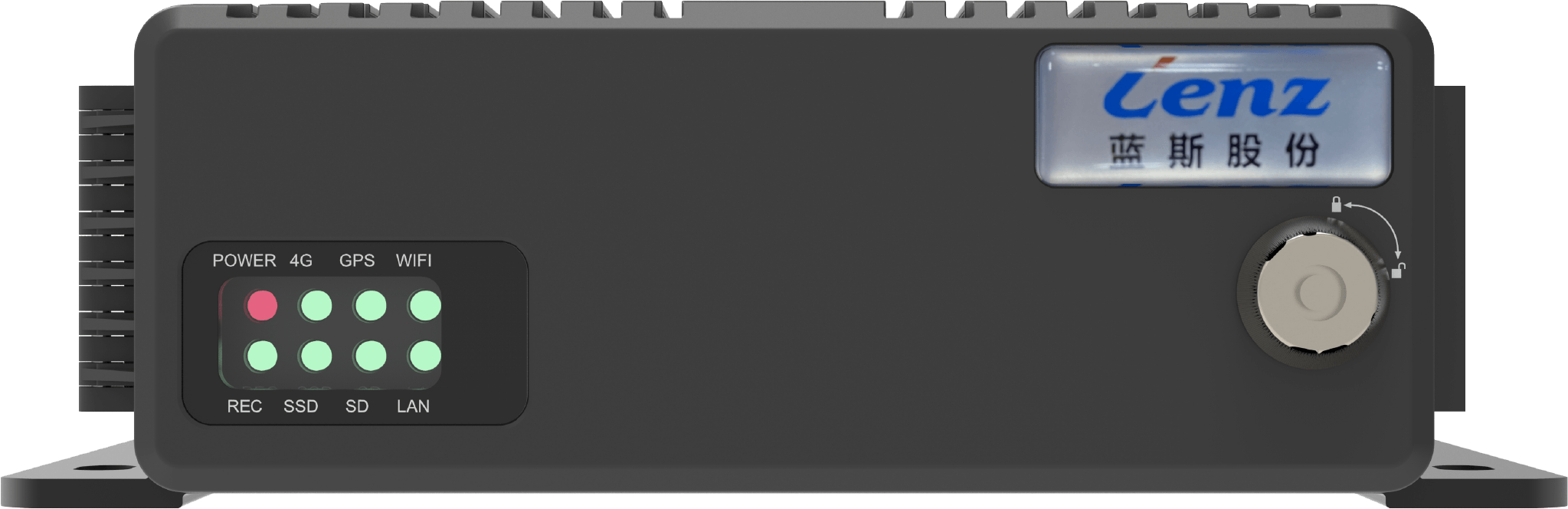
Reference for Full Text Summary: How Will Intelligent Transportation Technologies Define Future Travel?
Through nearly two decades of technological accumulation, Xiamen Lansi Communications has established an intelligent transportation technology system covering "end-pipe-cloud," with its solutions achieving industry-leading standards in dimensions such as capacity integration, safety supervision, and passenger experience. Over 400 cities worldwide have implemented case studies demonstrating that this technology can help enterprises reduce operational costs by 15%-30%, improve safety compliance rates by over 40%, and drive a rebound in public transportation ridership. With the deep integration of technologies such as 5G, AI, and big data, intelligent transportation will evolve toward "full-scenario perception, whole-chain collaboration, and all-user services," and Lansi Communications' technological布局 (strategic布局 is translated as "strategic layout" here, but since only the translation is required without explanation, it's kept as part of the context in a natural way) and practical experience undoubtedly provide a replicable transformation model for the industry. For more information, please visit the official website:www.xmlenzintl.com