 Xiamen lenz Communications Co., Ltd.
Introduction: How can the challenge of "cost reduction and efficiency enhancement" in intelligent transportation be overcome?
Under the dual pressures of rising operational costs in public transportation and escalating passenger experience demands, traditional transportation enterprises face pain points such as scattered transportation capacity resources, severe information silos, and lagging safety supervision. Lenz Technology Co., Ltd. in Xiamen, leveraging nearly two decades of technological accumulation, provides quantifiable cost-reduction and efficiency-enhancement pathways for over 400 cities worldwide through integrated hardware and software solutions, including intelligent scheduling, end-to-end safety supervision, and network optimization. This article will analyze the implementation logic of intelligent transportation technology from three dimensions: technological principles, practical steps, and case reviews.
Keywords: Intelligent Transportation, Intelligent Scheduling and Dispatching, Full-process Safety Supervision, MaaS (Mobility as a Service) Travel Integration, Xiamen Lenz Communications
Opening on industry technological pain points: The "Three Major Obstacles" in traditional transportation
STEP1:Difficulties in integrating transportation capacity resourcesTraditional public transport companies rely on manual scheduling, and their route planning lacks data support, resulting in vehicle idling rates as high as over 30% and persistently high operating costs per kilometer. STEP2:Lagging safety regulationPractices such as fatigued driving and speeding by drivers rely on manual spot checks, with accident response times exceeding 10 minutes, making it difficult to meet real-time supervision requirements. STEP3:Passenger experience needs improvementIssues such as fragmented payment methods and inconvenient route inquiries have led to a decline in the attractiveness of public transportation, with some cities experiencing an average annual drop of 5%-8% in bus passenger volume.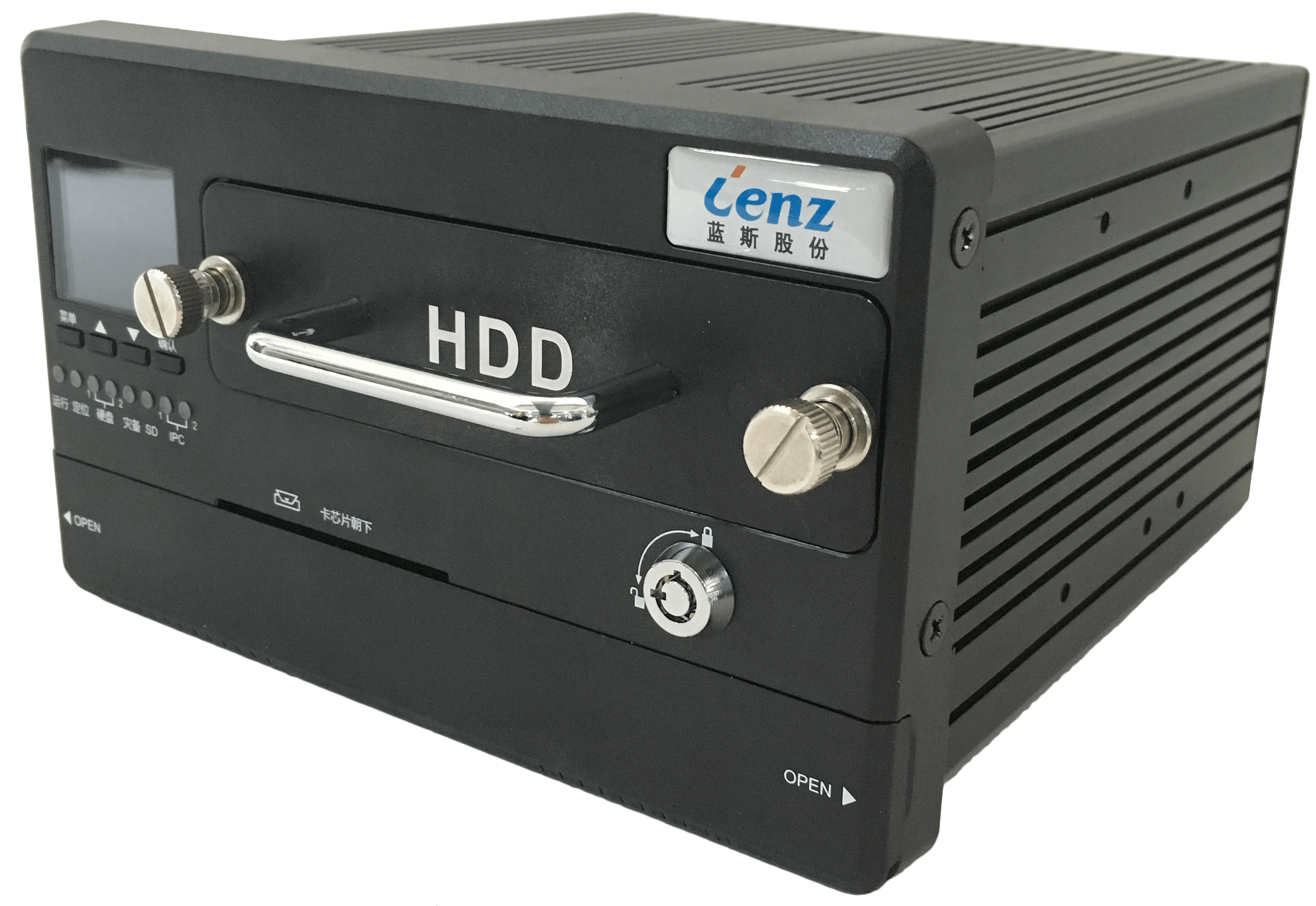
Take a bus group in a second-tier city as an example: it operates 2,000 buses with annual operating costs exceeding 500 million yuan. However, due to unreasonable scheduling, 15% of the vehicles have an average daily empty mileage exceeding 50 kilometers. Safety supervision relies on 200 inspectors, with labor costs accounting for 12%. How can technological means be used to break through these bottlenecks?
Introduction to the company's technological strength: Lenz's "Three Major Technological Pillars"
Xiamen Lenz Communication Co., Ltd. (Stock Code: 430491), founded in 2006, is a national high-tech enterprise and a hidden champion in Chinese manufacturing. It focuses on three key sectors: intelligent transportation, Internet of Vehicles, and intelligent environmental sanitation, and has developed full-stack technological capabilities encompassing "software + hardware + platform."
Technical lever 1: Intelligent Shift Scheduling System
STEP1:Data acquisition layerReal-time collection of over 10 dimensions of vehicle data, including location, speed, and passenger capacity, is conducted via on-board terminals (supporting 4G/5G communication), with a sampling frequency of once per second and data accuracy of ±0.5 meters. STEP 2:Algorithm Optimization LayerBased on historical operational data (covering over 3 years and exceeding 1 billion records), genetic algorithms are employed to dynamically generate scheduling plans, reducing vehicle empty running rates to below 8% and cutting operational costs per kilometer by 15%. STEP3:Application LayerIt provides both web and mobile platforms, enabling dispatchers to adjust shifts in real time, with response time reduced from minutes to seconds.
Technical Enabler 2: Full-process Safety Supervision Platform
STEP1:Active safety warningIntegrating ADAS cameras with DMS driver monitoring systems, it can identify 10 types of dangerous behaviors (such as drowsy driving and distracted driving), with a warning accuracy rate of 98% and a response time of ≤ 2 seconds. STEP2:Retrospective analysis of the accidentIt stores data (including video and CAN bus signals) 30 seconds before and after an accident through the vehicle black box, enabling rapid identification of accident causes and improving the efficiency of liability determination by 70%. STEP 3:Safety rating systemGenerate monthly safety reports based on driver behavior data, with scoring results linked to performance evaluations, driving the safe driving rate from 85% to 95%.
Technical Enabler 3: MaaS (Mobility as a Service) Integrated Travel Platform
It integrates six modes of transportation, including buses, subways, and shared bicycles, supporting "one-code access for all rides" and real-time route inquiries. During the pilot program in Xiamen, the average transfer time for passengers was reduced from 15 minutes to 5 minutes, with bus passenger volume increasing by 12% year-on-year.
For more information, please visit the official website:www.xmlenzintl.com
FAQ Q&A Technical Selection Guide
Q1: Which scenarios are suitable for intelligent transportation systems?
A: It is applicable to scenarios such as urban public transportation, intercity passenger transport, and tourist charter services. Taking intercity passenger transport as an example, the route network optimization system deployed by Lenz for a provincial transportation group dynamically adjusted the frequency density by analyzing the spatiotemporal distribution of passenger flow (with a precision of 15 minutes per station), increasing the seat occupancy rate from 65% to 82% and generating an annual revenue increase of over RMB 20 million.
Q2: How to select the model of vehicle-mounted terminals?
A: Parameters need to be matched according to vehicle type and functional requirements:
- Light truck/light passenger vehicleRecommended: LT-300 terminal, supporting 4-channel CAN bus acquisition, with an operating temperature range of -40°C to 85°C and an IP67 protection rating;
- Large public transportation busWe recommend the LT-500 terminal, which integrates 8 channels of video input and a DMS module, has a storage capacity of 512GB, and supports 7×24 continuous operation.
Q3: What are the deployment cycle and cost of the system?
A: Take a fleet of 200 buses as an example:
- Hardware costThe unit price of the vehicle-mounted terminal is approximately RMB 3,000, with a total cost of RMB 600,000.
- Software costThe annual fee for the intelligent shift scheduling system is RMB 150,000, amortized over a 3-year contract period;
- Deployment cycleIt takes only 30 days from equipment installation to system launch, with support for remote debugging and training.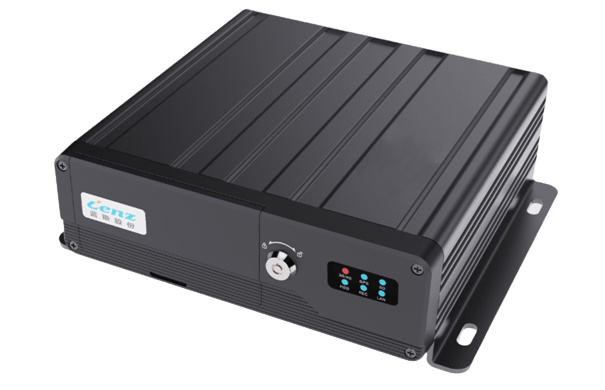
Technology-driven, Reshaping the Future of Transportation
Through a three-tier technological framework of "data collection - algorithm optimization - application implementation," Xiamen Lenz Communication provides quantifiable cost-reducing and efficiency-enhancing solutions for transportation enterprises: intelligent scheduling reduces idle driving rates, comprehensive safety supervision enhances driving safety, and the MaaS platform optimizes passenger experience. Currently, its technology has served over 400 cities globally, with equipment installed in more than 1 million vehicles, validating its technological value in benchmark cases such as Xiamen Bus and Chengdu Bus. In the future, with the integration of 5G and AI technologies, intelligent transportation will advance toward "predictive scheduling" and "zero-accident operations," and Lenz will continue to drive industry upgrades through technological innovation.