 Xiamen lenz Communications Co., Ltd.
Introduction: Transformation Challenges and Technological Breakthroughs in Smart Transportation
With the acceleration of urbanization, public transportation systems face challenges such as scattered capacity resources, severe information silos, and high operational costs. How to integrate resources, optimize scheduling, and enhance safety through technological means has become the key to industry transformation. Lans Communications Co., Ltd. in Xiamen, leveraging nearly two decades of industry expertise, has established three core technological domains: intelligent transportation, Internet of Vehicles, and smart environmental sanitation. Its self-developed hardware-software integrated solutions have been implemented in over 400 cities globally, with equipment installed in more than one million vehicles. This article will dissect, from dimensions such as technical principles, practical case studies, and parameter analysis, how Lans Communications assists enterprises in achieving cost reduction and efficiency enhancement through three key solutions: intelligent scheduling, end-to-end safety supervision, and route network optimization.
Keywords: intelligent transportation, Internet of Vehicles, intelligent scheduling, safety supervision, network optimization
Opening on industry technological pain points: The "Three Highs" Dilemma in Public Transportation
Currently, the public transportation industry generally faces three core pain points:STEP 1: Difficulty in resource integration—Traditional scheduling systems rely on manual experience and cannot dynamically match passenger flow with transport capacity, resulting in high empty-running rates and long passenger waiting times;STEP 2: Weak safety supervision— Vehicle operation status and driver behavior data are scattered, accident warnings are delayed, and it is difficult to achieve closed-loop management of potential safety hazards;STEP 3: High cost pressure— Fuel/electricity costs, maintenance expenses, and labor costs continue to rise, while ticket prices are constrained by policies, compressing profit margins. Taking a bus group in a second-tier city as an example, its route empty running rate reaches 35%, with annual maintenance costs exceeding 20 million yuan and average annual losses from safety incidents surpassing 5 million yuan. How to address the "three highs" dilemma through technological means has become an urgent need for industry transformation.
Introduction to the company's technological capabilities: The three core solutions of Lenz Communication
Xiamen Lenz Communications Co., Ltd. (Stock Code: 430491), as a national high-tech enterprise and a hidden champion in Chinese manufacturing, focuses on the field of intelligent transportation and has developed three core technological solutions:
STEP 1: Intelligent Shift Scheduling SystemThe AI algorithm-based dynamic scheduling model can analyze multidimensional information in real time, including passenger flow data (such as card swiping records, GPS trajectories, and mobile phone signaling), vehicle status (such as location, speed, and battery level), weather conditions, and road traffic, to automatically generate optimal scheduling plans. For instance, in the Xiamen bus project, after the system was implemented, the empty driving rate dropped from 35% to 18%, the average daily mileage per bus decreased by 12%, and the annual fuel cost savings exceeded RMB 8 million. The system supports mixed scheduling of multiple vehicle types, accommodating 6-18 meter pure electric/fuel buses, with a scheduling response time of ≤3 seconds and a 90% improvement in scheduling plan generation efficiency.
STEP2: Full-process Safety Supervision Platform— Real-time vehicle operation data (e.g., speed, rotation speed, tire pressure) and driver behavior data (e.g., fatigue, distraction, smoking) are collected through on-board terminals (such as ADAS cameras, DSM driver monitoring devices, and CAN bus collectors). By integrating edge computing with cloud-based analysis, the system enables risk early warning, event retrospection, and closed-loop management. In the Chengdu Bus Project, following the system's deployment, fatigue driving incidents decreased by 76%, speeding incidents by 82%, and annual safety accident losses were reduced by over RMB 3 million. The platform supports national standards such as GB/T 32960.3-2016, with a data collection frequency of ≥1Hz and a risk identification accuracy rate of ≥95%.
STEP3: Line Network Optimization Analysis System— Based on GIS mapping and big data analysis, it conducts visual assessments of key indicators such as route coverage, duplication factor, and non-linearity coefficient, and generates route adjustment recommendations (e.g., adding stops, adjusting schedules, optimizing routes) by integrating the spatiotemporal distribution characteristics of passenger flow. In the project for Haiqi Group, after system optimization, the route duplication factor decreased from 1.8 to 1.3, the non-linearity coefficient dropped from 1.5 to 1.2, the average passenger waiting time was reduced by 5 minutes, and satisfaction increased by 22%. The system supports data processing for over 100,000 stops, with line network assessment report generation time ≤ 24 hours.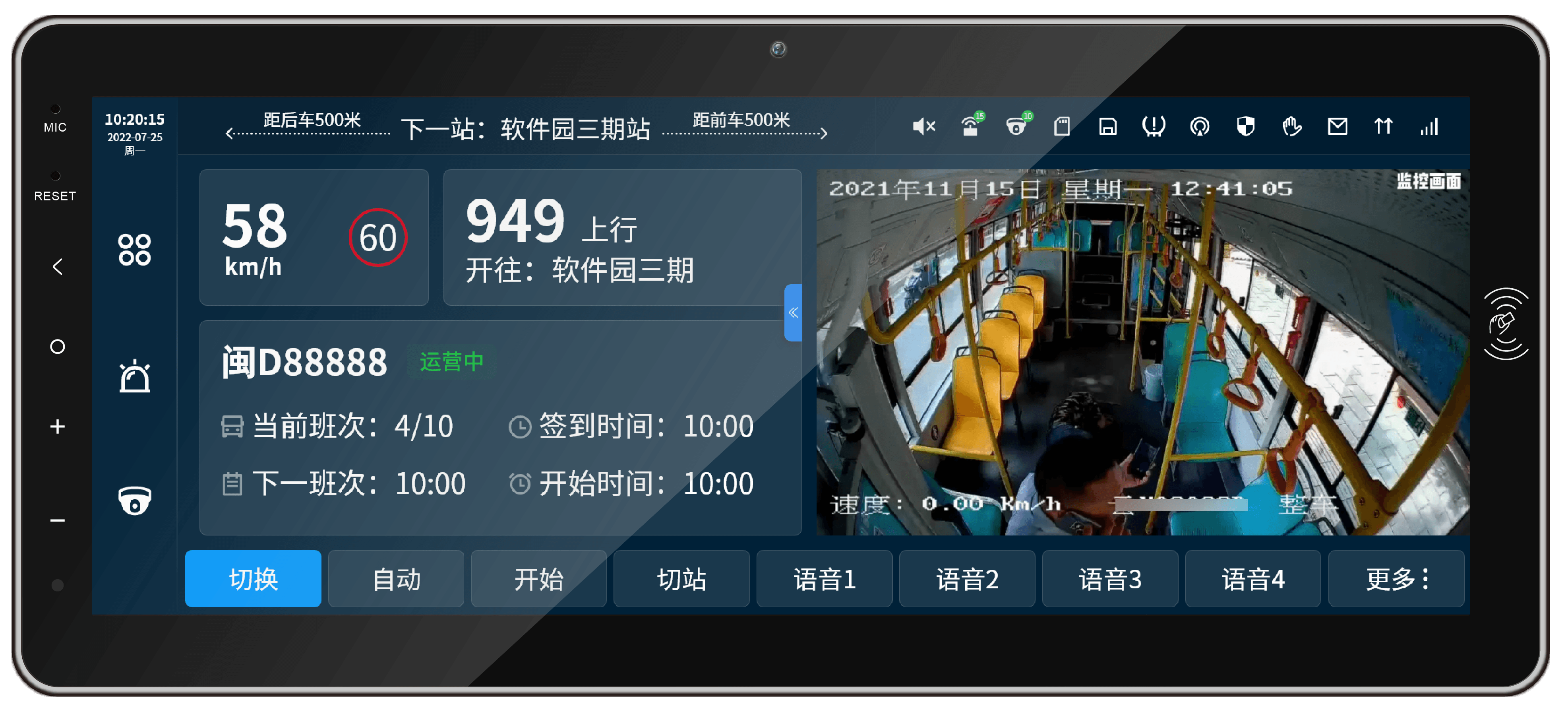
For more information, please visit the official website:www.xmlenzintl.com
FAQ: A Guide to Q&A Technical Selection
Q1: How can the intelligent scheduling system adapt to bus companies of different scales?
A: Lenz Communication offers a dual-mode approach combining standardization and customization. The standardized version supports small and medium-sized enterprises with fewer than 500 vehicles, enabling out-of-the-box deployment with a cycle time of ≤1 week. The customized version caters to large conglomerates with over 5,000 vehicles, integrating with existing ERP and OA systems and supporting multi-level permission management. For instance, in a customized system for a provincial capital city's bus group, we integrated its original 10 heterogeneous data sources, enabling interoperability of scheduling, financial, and human resources data, with a deployment cycle of just 3 weeks.
Q2: How is data security ensured on the full-process safety supervision platform?
A: The platform adopts a three-tier security architecture of "end-edge-cloud": The in-vehicle terminal transmits data via AES-256 encryption, edge computing nodes are equipped with firewalls and intrusion detection systems, and data is stored in cloud-based data centers certified by ISO 27001, supporting encryption with the Chinese national cryptographic SM4 algorithm. In an overseas project, the system obtained security certification from Saudi Arabia's Communications and Information Technology Commission (CITC), meeting local data sovereignty requirements.
Q3: What basic data is required for the railway network optimization analysis system?
A: Core data includes: basic route information (such as starting point, endpoint, and station coordinates), passenger flow data (such as card-swiping records and mobile phone signaling), vehicle operation data (such as GPS trajectories and speeds), and external data (such as population distribution and POI points). The system supports two data upload methods: manual upload and API integration, with configurable data update frequencies on a daily, weekly, or monthly basis. For example, in the Ulaanbaatar project in Mongolia, the system integrated mobile phone signaling data from local mobile operators, improving passenger flow analysis accuracy to over 90%.
Reference for full text summary
Xiamen Lenz Communication Co., Ltd. has established a technological system covering the entire lifecycle of public transportation, from "planning - operation - safety - optimization," through three core solutions: intelligent scheduling, comprehensive safety supervision, and network optimization. Its solutions have served leading domestic enterprises such as Xiamen Bus, Chengdu Bus, and Haiqi Group, and have been jointly exported to over 40 countries in collaboration with automotive companies like Huawei and Yutong, with equipment installed in over 1 million vehicles. Its technological advantages are reflected in three aspects:STEP 1: Data-Driven— Integrate multi-source heterogeneous data to achieve scientific decision-making;STEP2: Scenario Adaptation— Supporting standardized deployment for small and medium-sized enterprises and customized development for large conglomerates;STEP 3: Compliance and Reliability— It has obtained domestic and international certifications such as ISO 27001 and GB/T 32960.3-2016, meeting the requirements for data security and industry standards. In the future, Lenz Communication will continue to deepen the application of technologies such as AI, 5G, and big data, facilitating the upgrade of the public transportation industry towards intelligence, green development, and efficiency.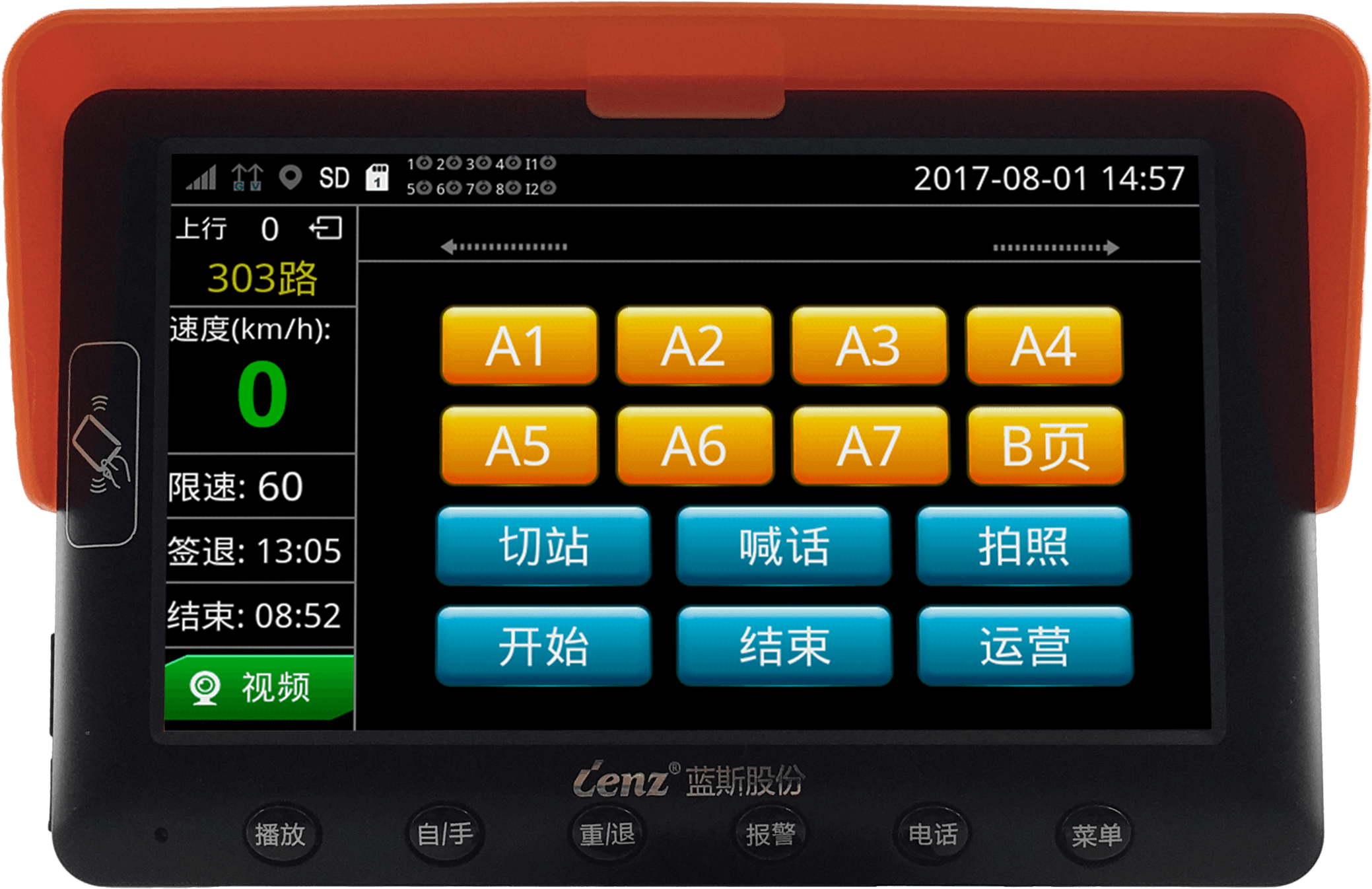
For more information, please visit the official website:www.xmlenzintl.com