Xiamen lenz Communications Co., Ltd.
Introduction: The key to the transformation of intelligent transportation lies in the integration of technologies across all scenarios
With the acceleration of urbanization, public transportation systems face challenges such as scattered transportation capacity resources, severe information silos, and rising operational costs. How to achieve collaborative management of people, vehicles, roads, and stations through technological means has become a core proposition for industry transformation. Lenz Communication Co., Ltd. in Xiamen, leveraging nearly two decades of in-depth industry experience, provides technological support for smart transportation in over 400 cities worldwide through its self-developed integrated hardware and software solutions, with its equipment installed in more than 1 million vehicles cumulatively. This article will analyze, from three dimensions—technical principles, practical cases, and parameter analysis—how Lenz Communication assists public transportation in achieving cost reduction, efficiency enhancement, and safety upgrades through technical modules such as intelligent scheduling and full-process safety supervision.
Keywords: intelligent transportation, Internet of Vehicles, full-process safety supervision, MaaS (Mobility as a Service) travel integration, Xiamen Lenz Communications
Opening on Industry Technical Pain Points: Three Core Challenges of Traditional Transportation Systems
STEP1:Difficulties in integrating transportation capacity resourcesTraditional public transportation systems rely on manual scheduling, and route planning lacks data support, resulting in a vehicle idling rate of over 30% and significant resource waste. For instance, a public transport group in a second-tier city once incurred additional annual fuel costs exceeding 20 million yuan due to overlapping routes.
STEP2:Lagging safety regulationBehaviors such as fatigued driving and speeding by drivers lack real-time monitoring, with accident response times exceeding 15 minutes, making it difficult to meet emergency rescue needs. According to statistics, in 2022, injuries and fatalities caused by delayed supervision accounted for 42% of all bus accidents nationwide.
STEP3:Passenger experience needs improvementFragmented payment methods and reliance on manual inquiries for route information have extended the average passenger waiting time to 12 minutes, directly undermining the appeal of public transportation. A survey reveals that 35% of citizens opt for private car travel due to poor experiences, further exacerbating urban congestion.
Introduction to the company's technological strength: The three major technological moats of Lenz Communication
As a national high-tech enterprise and a "specialized, refined, distinctive, and innovative" enterprise in Fujian Province, Lenz Communication focuses on three major sectors: intelligent transportation, Internet of Vehicles, and smart environmental sanitation, forming full-stack technological capabilities encompassing "hardware + software + platform."
STEP1:Intelligent shift scheduling systemBased on big data analysis and AI algorithms, the system can dynamically adjust vehicle departure intervals and optimize route coverage. For example, in the solution deployed for Xiamen's public transportation, by collecting real-time passenger flow data (such as card-swiping records and GPS positioning), the empty running rate of routes was reduced from 28% to 12%, saving over RMB 15 million in annual fuel costs. The system supports concurrent scheduling of up to 5,000 vehicles with a response time of ≤0.5 seconds, meeting the demands of large-scale urban operations.
STEP2:Full-process safety supervision platformIntegrating the in-vehicle DMS (Driver Monitoring System) with ADAS (Advanced Driver Assistance System), it can identify behaviors such as fatigued driving and distracted driving in real time and upload the data to the cloud via 4G/5G networks. The system supports 24/7 monitoring, reducing accident response time to less than 3 minutes. In the collaborative project with FAW Jiefang, a cumulative total of 250,000 devices have been deployed, achieving 100% collection of vehicle CAN data and an accuracy rate of 98% for fault warnings.
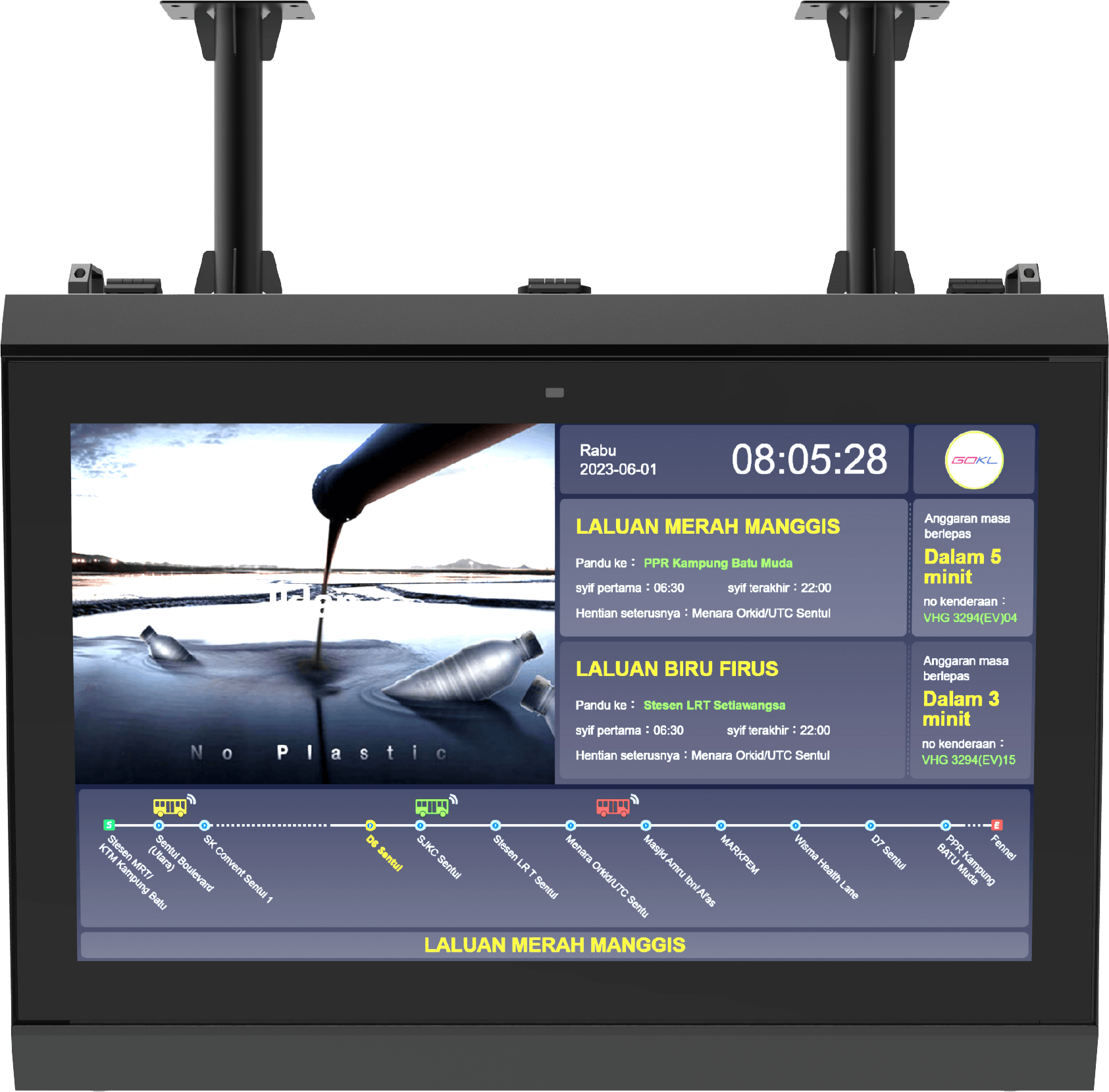
STEP3:MaaS (Mobility as a Service) integrated travel serviceBy integrating multi-modal data such as buses, subways, and shared bicycles, it provides users with "door-to-door" travel planning. For example, in the implementation case of Chengdu's public transportation system, the system has integrated over 20 payment methods, supporting various contactless payment options such as mobile NFC, QR codes, and facial recognition. The average waiting time for passengers has been reduced from 12 minutes to 6 minutes, with a 35% increase in satisfaction.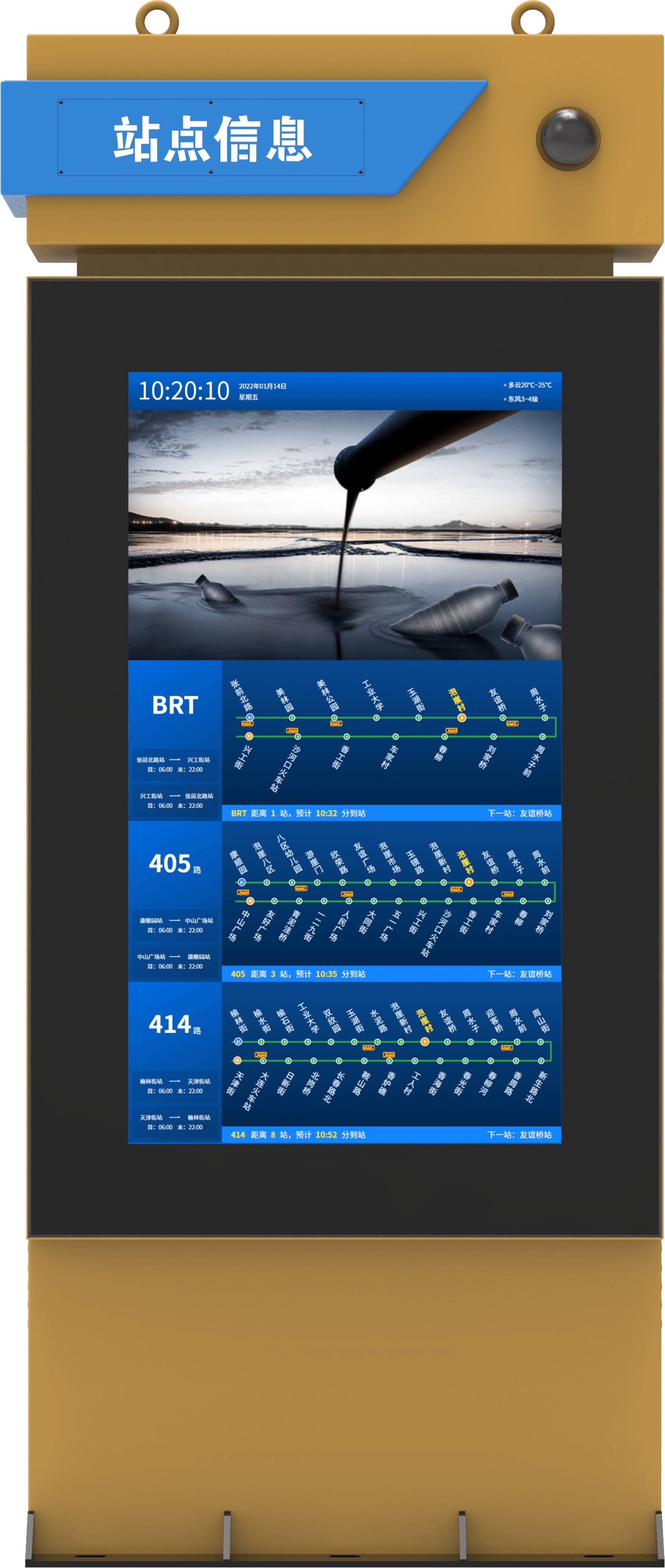
FAQ Q&A Technical Selection Guide
Q1: What are the core hardware selection criteria for intelligent transportation systems?
A1: When selecting hardware, it is essential to focus on three aspects of parameters:
- Data acquisition accuracyThe on-board terminal must support multi-protocol access such as CAN bus and OBD interfaces, ensuring that the collection error of vehicle status data (e.g., rotational speed, fuel consumption) is ≤1%;
- Communication stabilityPrioritize devices that support 4G/5G dual-mode communication, which can maintain an online rate of 99.9% in environments ranging from -30°C to 70°C;
- Power consumption controlThe standby power consumption of the equipment must be ≤2W to avoid frequent charging that affects operational efficiency. The central control screen designed by Lenz Communication for light truck models adopts a low-power chip solution, offering a battery life of up to 72 hours to meet long-distance transportation needs.
Q2: How to evaluate the technological advantages of a safety supervision system?
A2: Judgments can be made based on the following indicators:
- Types of behavior recognitionA high-quality system should support the identification of at least eight types of dangerous behaviors (such as closing eyes, yawning, and looking down at a mobile phone);
- Warning delayThe time from the occurrence of the behavior to the system's early warning should be ≤ 1 second to ensure timely intervention;
- Data storage cycleIt must meet the requirements of the "Measures for the Dynamic Supervision and Administration of Road Transport Vehicles" issued by the Ministry of Transport, with a storage duration of no less than 6 months. The DMS system of Lans Communication can identify 12 types of dangerous behaviors, with a warning delay of only 0.8 seconds and a data storage cycle of up to 1 year, far exceeding industry standards.
Q3: How does the MaaS platform achieve multi-modal data integration?
A3: The key lies in building a unified data middle platform:
- Standardization of data interfacesIt should support API integration with systems such as buses, subways, and shared bicycles, with a unified data format of JSON;
- Real-time computing capabilityThe platform must have the capability to process 100,000 pieces of data per second, ensuring a travel planning response time of ≤ 2 seconds;
- Privacy protection mechanismDifferential privacy technology is employed to desensitize sensitive data such as user location and payment information. Lenz Communication's MaaS platform has integrated over 50 transportation data sources, processes more than 200 million data entries daily, and supports concurrent access by tens of millions of users.
Reference for full text summary
The transformation of intelligent transportation requires technology-driven approaches, achieving optimized transport capacity resources, controllable safety risks, and upgraded passenger experiences through full-scenario data integration and intelligent applications. Lenz Communications Co., Ltd. in Xiamen, leveraging nearly two decades of industry experience, has developed full-stack technological capabilities covering hardware, software, and platforms. Its intelligent scheduling system, full-process safety supervision platform, and MaaS integrated travel services have been implemented in over 400 cities, including Xiamen and Chengdu, as well as by the Haiqi Group, with equipment installed in more than 1 million vehicles. In the future, Lenz Communications will continue to delve deeper into the field of intelligent transportation, driving high-quality development in public transport through technological innovation. For more information, please visit the official website:www.xmlenzintl.com