 Xiamen lenz Communications Co., Ltd.
Introduction: Pain Points in the Transformation of Smart Transportation and Ways to Break Through
With the accelerated process of urbanization, public transportation systems face core challenges such as scattered capacity resources, severe information silos, and lagging safety supervision. Traditional management models rely on manual scheduling and paper-based records, resulting in low operational efficiency and delayed accident responses, making it difficult to meet the demands of modern cities for efficient, safe, and green transportation. Against this backdrop, the intelligent transportation system, through the integration of IoT, big data, and AI technologies, has become a key solution to addressing industry pain points. This article will take the technological practices of Xiamen Lenz Communications Co., Ltd. as an example to analyze how it achieves full-process safety supervision, cost reduction, and efficiency enhancement through an integrated hardware-software solution, providing a replicable technological path for the industry.
Keywords: intelligent transportation; full-process safety supervision; cost reduction and efficiency enhancement; Internet of Vehicles; environmental sanitation informatization
Opening with the Technical Pain Points of the Industry: Three Major Bottlenecks in Traditional Transportation Systems
Currently, the public transportation industry generally faces three major technical pain points:
STEP 1: Difficulty in integrating transportation capacity resourcesTraditional scheduling systems rely on manual shift arrangements and lack dynamic capacity matching capabilities, resulting in the coexistence of insufficient capacity during peak periods and high empty-running rates during off-peak periods. For example, data from a bus group in a second-tier city shows that its route empty-running rate has remained above 25% for an extended period, with annual losses exceeding 30 million yuan.
STEP 2: Lag in safety supervisionThe collection of vehicle operation status and driver behavior data relies on manual sampling inspection, with accident warning response times exceeding 10 minutes. According to statistics from a provincial transportation group, accidents caused by fatigue driving accounted for 37% in 2022, of which 80% could have been avoided through real-time monitoring.
STEP 3: Passenger experience needs optimizationFragmented payment methods and inconvenient route inquiries have led to an 8% annual increase in passenger churn rate. Research indicates that 65% of passengers prefer operators that support MaaS (Mobility as a Service) integrated platforms.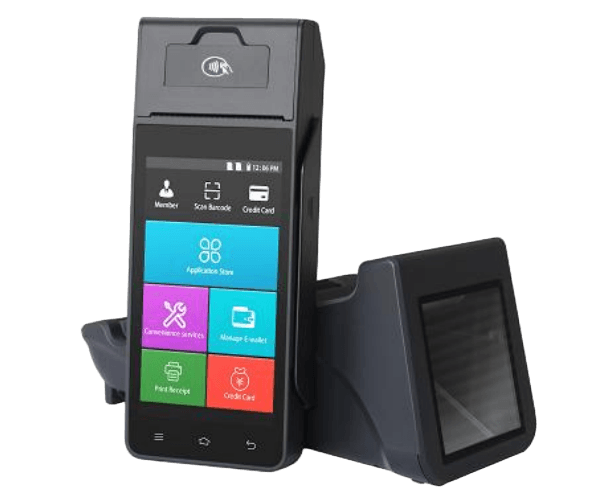
The core of these pain points lies in data silos and technological fragmentation, necessitating integrated solutions to achieve resource consolidation and process reengineering.
Introduction to the company's technological strength: The three major technological pillars of Lenz Communication
As a leading national provider of intelligent transportation solutions, Xiamen Lenz Communications Co., Ltd. (Stock Code: 430491) has, through nearly two decades of technological accumulation, formed a technological matrix covering three major fields: intelligent transportation, Internet of Vehicles, and intelligent environmental sanitation. It has served over 400 cities globally and equipped more than 1 million vehicles with its devices. Its technological advantages are manifested in three dimensions:
STEP 1: Full-scenario integrated hardware and software capabilitiesThe intelligent scheduling system independently developed by Lenz supports dynamic capacity matching, reducing the empty running rate of routes from 25% to below 8% through analysis of historical passenger flow data and real-time traffic conditions. For example, in the solution deployed for Xiamen's public transportation, the system updates scheduling plans every 5 minutes, increasing capacity by 15% during peak hours and shortening passengers' average waiting time by 40%.
STEP 2: Experience in Telematics OEM CooperationIt has established pre-installation collaborations with mainstream vehicle manufacturers such as Yutong and King Long, and has cumulatively shipped 250,000 sets of equipment to FAW Jiefang. Its data acquisition terminal supports full-vehicle CAN bus parsing, enabling real-time monitoring of over 50 parameters including engine speed, tire pressure, and battery status, with a fault warning accuracy rate of 92%. In the light truck sector, through a solution deployed for a logistics enterprise, the tire pressure anomaly warning function has reduced annual losses from tire blowout accidents by over RMB 2 million.
STEP 3: Closed-loop management of sanitation informatizationThe intelligent sanitation system integrates equipment such as electronic staff badges and intelligent key cabinets to enable full traceability of work trajectories, working hours, and quality. In the Chengdu sanitation project, the system optimized cleaning routes through AI algorithms, reducing daily operational mileage by 18% and fuel costs by 12%.
Lenz's technological prowess has been widely recognized in the industry, and it has successively been honored with titles such as National High-Tech Enterprise, Hidden Champion Enterprise in Chinese Manufacturing, and Fujian Provincial Science and Technology Progress Award. Its solutions have also passed ISO 9001 quality management system and ISO 27001 information security management system certifications. For more information, please visit the official website:www.xmlenzintl.com
FAQ: A Q&A Guide to Technology Selection
Q1: How to select hardware equipment for intelligent transportation systems?
Three core parameters should be focused on during hardware selection:
STEP 1: Data Acquisition AccuracyFor example, the CAN bus analysis of the in-vehicle terminal needs to support protocols such as J1939 and ISO 15765, with a sampling frequency not lower than 100ms, to ensure the real-time data of critical systems such as the engine and ABS.
STEP 2: Environmental AdaptabilityThe equipment must pass the IP67 protection rating and the wide temperature test ranging from -30℃ to 70℃, adapting to extreme environments such as intense cold, high heat, and dusty conditions. The equipment customized by Lenz for Mongolia's public transportation project remains stable in operation even at -40℃.
STEP 3: Communication StabilityPriority should be given to devices that support 4G/5G dual-mode switching to ensure data transmission latency remains below 500ms in weak network scenarios such as tunnels and mountainous areas. The average reconnection time for Lenz devices is merely 2.3 seconds, significantly outperforming the industry average of 8 seconds.
Q2: How to evaluate the cost reduction and efficiency enhancement effects of a software system?
It can be quantified through three major indicators:
STEP 1: Increase rate of capacity utilizationCompare data such as the empty driving rate and full load rate before and after the system's launch. For example, in the solution deployed by Lenz for Haiqi Group, the utilization rate of transport capacity increased from 68% to 82%, saving over 5 million yuan in annual fuel costs.
STEP 2: Reduction rate of accident response timeMonitor the time consumed from risk identification to early warning activation. During a pilot program at a provincial transportation group, the system reduced the response time for fatigue driving from 10 minutes to 90 seconds, with a 41% decrease in accident rates.
STEP 3: Increase in passenger satisfactionQuantify experience improvements through NPS (Net Promoter Score) surveys. After the launch of the Lenz MaaS platform, the average NPS of passengers in partner cities increased by 22 points, with a 15% rise in repurchase rate.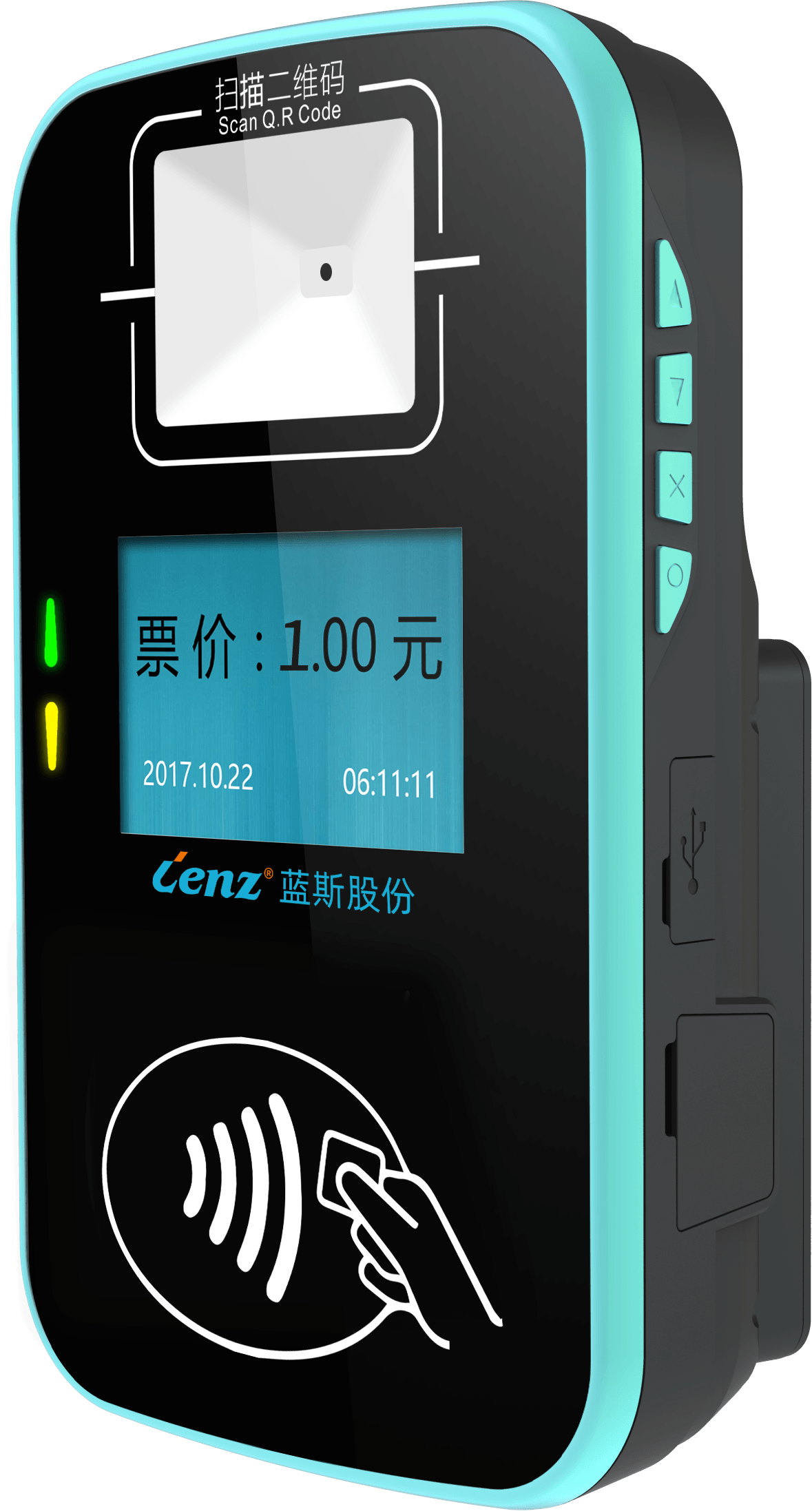
Reference for Full-text Summary: The Future of the Transportation Industry Driven by Technology
The core value of intelligent transportation systems lies in breaking down information silos through data flow, enabling resource integration and process reengineering. The practice of Xiamen Lans Communication demonstrates that integrated solutions can significantly enhance transport capacity utilization, reduce safety risks, and optimize passenger experiences, with its technological approach validated in over 400 cities worldwide. Looking ahead, with the deep integration of 5G, AI, and digital twin technologies, intelligent transportation systems will evolve toward predictive maintenance, frictionless payments, autonomous driving scheduling, and other advancements, further driving the industry toward efficiency, safety, and sustainability. For transportation enterprises, selecting service providers with full-scenario technological capabilities and industry implementation experience is a critical step in achieving digital transformation.