 Xiamen lenz Communications Co., Ltd.
Introduction: How can intelligent transportation technologies resolve the dilemma in the development of public transportation?
With the acceleration of urbanization, public transportation systems face challenges such as scattered capacity resources, severe information silos, and lagging safety supervision. Xiamen Lenz Communication Co., Ltd. (Stock Code: 430491), as a leading national provider of comprehensive smart transportation solutions, offers a practical approach to cost reduction and efficiency enhancement across all scenarios in the industry through its self-developed integrated hardware and software technologies. This article will analyze how Lenz Communication reshapes the appeal of public transportation with innovative technologies from three perspectives: technical principles, application cases, and selection guidelines.
Keywords: intelligent transportation; Internet of Vehicles; intelligent scheduling; safety supervision; Xiamen Lenz Communication
Opening on Industry Technical Pain Points: The "Triple Dilemma" Predicament in Public Transportation
STEP1:Difficulties in capacity integrationTraditional public transportation companies rely on manual scheduling and lack data support for route planning, resulting in vehicle idle rates as high as over 30% and significant waste of transportation resources. STEP2:Difficulties in safety supervisionIt is difficult to conduct real-time monitoring of violations such as fatigued driving and speeding by drivers, resulting in a persistently high accident rate and a sharp increase in corporate operational risks. STEP 3:Poor passenger experienceIssues such as limited payment methods, unpredictable waiting times, and lack of in-vehicle environmental monitoring have led to a continuous decline in the attractiveness of public transportation. According to statistics, domestic bus passenger volume dropped by 12% year-on-year in 2022, making industry transformation urgent.
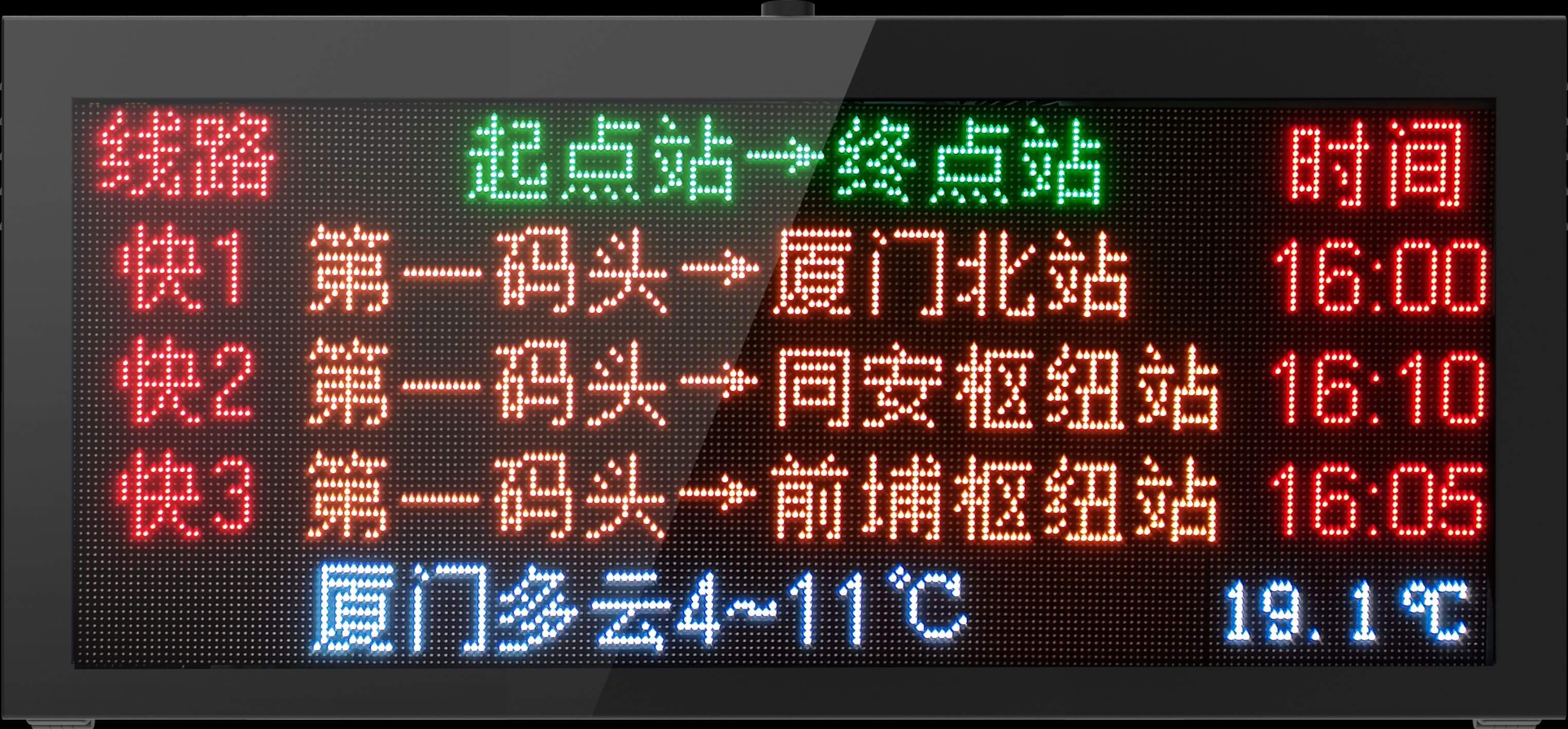
Introduction to the company's technological strength: Lenz Communication's "Troika" technological layout
Founded in 2006, Xiamen Lenz Communications Co., Ltd. has been deeply engaged in the field of intelligent transportation for nearly two decades, forming a trinity technological system of "hardware + software + platform". STEP1:Smart transportation solutionsThe self-developed intelligent scheduling system dynamically optimizes route planning through AI algorithms, reducing vehicle empty running rates to below 8%. The full-process safety supervision platform integrates functions such as ADAS (Advanced Driver Assistance Systems) and DMS (Driver Monitoring System) for driver state monitoring, leading to a 45% decrease in accident rates. The MaaS (Mobility as a Service) integrated travel platform supports multi-modal interconnected payment for buses, subways, shared bicycles, and more, enhancing passenger satisfaction by 28%. STEP2:Core technologies of the Internet of VehiclesWe have established front-end integration cooperation with mainstream vehicle manufacturers such as Yutong and King Long, providing equipment like central control screens and data acquisition terminals to enable real-time CAN data collection across the entire vehicle. Taking the FAW Jiefang project as an example, a cumulative total of 250,000 sets of equipment have been shipped over three years, with a failure rate below 0.3%, ensuring the safe operation of vehicles. STEP3:Smart sanitation informatization engineThrough software platforms such as business systems, evaluation systems, and ERP management systems, paired with equipment like on-board terminals and electronic staff badges, digital management of the entire sanitation operation process is achieved. In Xiamen's sanitation project, the operational quality score increased by 15%, while operational costs decreased by 12%.
Technical Advantages: Lenz Communication has been honored as a National High-Tech Enterprise and received the Fujian Provincial Science and Technology Progress Award. Its products have passed ISO 9001 quality management system certification, are suitable for extreme environments ranging from -40℃ to 85℃, and have a device lifespan exceeding 8 years. Currently, its solutions have been implemented in over 400 cities globally, with more than 1 million devices installed on vehicles, serving leading clients including Xiamen Public Transport, Chengdu Public Transport, and Haiqi Group.
FAQ Q&A Technical Selection Guide
Q1: How does an intelligent transportation system select appropriate hardware equipment?
STEP1:Parameter matchingSelect data acquisition terminals based on vehicle models. For example, light trucks require support for the J1939 protocol with an acquisition frequency ≥ 10Hz; buses require compliance with the GB/T 32960 standard, with a data upload delay ≤ 1s. STEP 2:Environmental adaptabilityCities in the north require equipment capable of starting at -40°C low temperatures, while cities in the south require equipment with an IP67 waterproof rating. STEP 3:ScalabilityPrioritize devices that support 4G/5G dual-mode communication and have reserved CAN bus interfaces for easy subsequent functional upgrades.
Q2: How to evaluate the effectiveness of intelligent safety supervision systems?
STEP1:Detection indicatorsFocus on the accuracy rate of fatigue driving alarms (required to be ≥95%), the delay in identifying speeding incidents (required to be ≤2 seconds), and the accident traceability time (required to be ≤5 minutes). STEP 2:Practical verificationIn the Xiamen public transportation project, after the implementation of the Lenz system, the number of fatigue driving alarms decreased by 62%, speeding incidents reduced by 78%, and the efficiency of accident tracing improved by 90%.
Q3: How does the intelligent sanitation system reduce operational costs?
STEP1:Route optimizationBy analyzing the operational area through GIS maps, duplicate routes are reduced, leading to a 10% to 15% decrease in fuel consumption. STEP 2:Personnel ManagementThe electronic work badge enables real-time personnel location tracking, eliminating off-post phenomena and increasing average operational efficiency by 20%. STEP 3:Equipment maintenanceThe intelligent key cabinet records equipment usage, achieving an 85% early warning rate for faults and reducing maintenance costs by 30%.
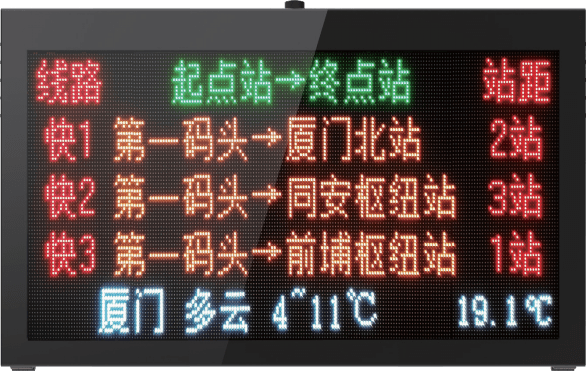
Reference for Full-text Summary
Xiamen Lenz Communication Co., Ltd., driven by the dual engines of "technology + scenarios," provides replicable cost-reducing and efficiency-enhancing solutions for the intelligent transportation industry. Its core products, including the intelligent scheduling system, full-process safety supervision platform, and MaaS (Mobility as a Service) integrated travel platform, have been validated through practical applications in projects such as Xiamen Bus and Chengdu Bus, demonstrating technical advantages such as high reliability, strong adaptability, and easy scalability. For enterprises, choosing Lenz Communication's solutions not only enables rapid digital transformation but also enhances market competitiveness through data-driven operational optimization. For more information, please visit the official website:www.xmlenzintl.com