 Xiamen lenz Communications Co., Ltd.
Introduction: Transformation Challenges and Solutions for Intelligent Transportation
With the acceleration of urbanization, public transportation systems face challenges such as scattered capacity resources, severe information silos, and rising operational costs. How to achieve cost reduction and efficiency improvement through technological integration, ensure driver and passenger safety, and optimize passenger experience has become the key to industry transformation. Xiamen Lenz Communications Co., Ltd. (Stock Code: 430491), as a leading national provider of intelligent transportation solutions, has leveraged nearly two decades of technological accumulation to develop a comprehensive solution covering intelligent scheduling, end-to-end safety supervision, and MaaS (Mobility as a Service) travel integration. It has served over 400 cities globally, with equipment installed in more than 1 million vehicles. This article will analyze the transformation path of intelligent transportation by combining its core technologies and application cases.
Keywords: Intelligent Transportation, Intelligent Scheduling and Dispatching, Full-process Safety Supervision, MaaS (Mobility as a Service) Travel Integration, Xiamen Lenz Communications
Introduction to Industry Technical Pain Points: The "Triple Dilemma" in Public Transportation
Currently, public transportation systems generally face three core pain points:
STEP 1: Difficulty in integrating transportation capacity resourcesTraditional scheduling relies on manual experience, making it difficult to dynamically match passenger flow with vehicles, resulting in high empty-running rates and wasted transport capacity. For example, a second-tier city's bus empty-running rate reached 35%, with annual losses exceeding 200 million yuan.
STEP 2: Difficulty in achieving a closed loop of safety supervisionThere is a lack of real-time monitoring in aspects such as vehicle operation status, driver behavior, and emergency response, resulting in a persistently high accident rate. According to statistics, over 60% of accidents in the public transportation industry in 2022 were related to fatigued driving or equipment failures.
STEP 3: Difficulty in optimizing passenger experienceIssues such as fragmented payment methods, unintelligent route planning, and unpredictable waiting times have led to a decline in the attractiveness of public transportation. Data shows that the passenger flow share rate of subways and buses has decreased by 12% over the past five years.
To address these pain points, it is necessary to achieve full-scenario collaboration among "people-vehicles-roads-cloud" through technological means, and the three core solutions of Xiamen Lenz Communications are precisely designed to meet this demand.
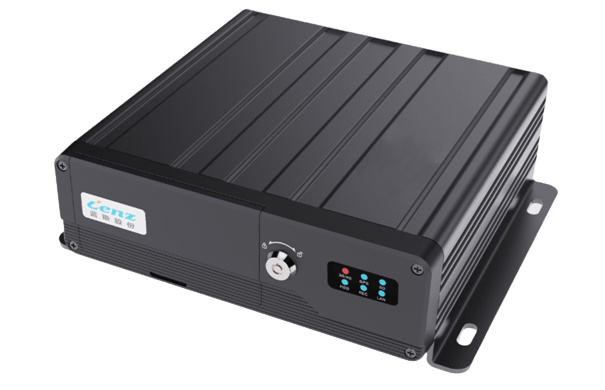
Introduction to the company's technological strength: The three core solutions and implementation capabilities of Lenz Communication
Xiamen Lenz Communication has been deeply engaged in the field of intelligent transportation for nearly two decades, developing full-stack technical capabilities encompassing "hardware + software + platform." Its three core solutions have been validated in over 400 cities worldwide, demonstrating significant technological advantages and practical implementation experience.
STEP 1: Intelligent Scheduling System — Dynamically Matching Transport Capacity with Passenger Flow
The intelligent scheduling system independently developed by Lenz is based on big data analysis and AI algorithms. It can collect real-time passenger flow data (such as the number of passengers boarding and alighting at stops and their temporal distribution), vehicle status information (such as location, speed, and remaining range), and driver information (such as working hours and fatigue index), and generate optimal scheduling plans through dynamic programming models. For example, in the Xiamen bus project, after the system was implemented, the empty driving rate dropped from 35% to 18%, saving over 50 million yuan in annual operating costs.
Technical parametersIt supports the simultaneous dispatching of over 100,000 vehicles, with a passenger flow forecasting accuracy rate of ≥92% and a dispatching plan generation time of ≤3 seconds.
STEP 2: Full-process Safety Supervision Platform—Full Coverage from Vehicles to Drivers
The platform integrates on-board terminals (such as ADAS auxiliary driving systems and DSM driver status monitors), depot equipment (such as smart key cabinets and electronic fences), and a cloud-based management system to achieve full-process monitoring of "vehicle operation - driver behavior - depot management." For example, in the solution deployed for Chengdu Bus, DSM devices are used to monitor drivers' behaviors such as eye closure and yawning in real time, and AI algorithms are combined to provide early warnings for fatigued driving, resulting in a 41% reduction in accident rates.
Technical parametersIt supports CAN data acquisition for the entire vehicle (speed ≥ 500kbps), with driver behavior recognition accuracy ≥ 95% and event response time ≤ 1 second.
STEP 3: MaaS Integrated Travel Platform—Redefining the Appeal of Public Transportation
The platform integrates multi-modal travel data including buses, subways, shared bicycles, and taxis, offering a full-process service of "one-click planning - seamless payment - real-time tracking." For instance, in the Haiqi Group project, users can inquire about the optimal travel routes and estimate arrival times via the app, with support for multiple payment methods such as WeChat/Alipay/bank cards. Passenger satisfaction increased from 72% to 89%.
Technical parametersIt supports access by over 100 travel service providers, with a route planning response time of ≤2 seconds and a payment success rate of ≥99.9%.
Lans Communication's technological strength is not only reflected in the solutions themselves but also in their implementation capabilities. Currently, its products have covered 30 provincial-level administrative regions across the country and have engaged in pre-installation cooperation with mainstream vehicle manufacturers such as Yutong and King Long. It has delivered a cumulative total of 250,000 sets of equipment to FAW Jiefang, with its technological stability and adaptability fully validated.
FAQ: Q&A Guide to Technology Selection: How to Choose a Smart Transportation Solution?
Q1: What are the core selection criteria for intelligent shift scheduling systems?
A: We need to focus on three key points:
STEP 1: Data Collection CapabilityThe system must support multi-source data access (e.g., GPS, RFID, cameras) with a collection frequency of ≥1Hz to ensure real-time monitoring of passenger flow and vehicle status. For example, the Lenz system supports simultaneous access by over 100,000 devices with a data delay of ≤500ms.
STEP 2: Algorithmic Optimization CapabilityThe scheduling algorithm needs to integrate historical data with real-time dynamics and be continuously optimized through machine learning. Lenz employs a reinforcement learning algorithm that can automatically adjust scheduling strategies based on factors such as seasons and weather, offering stronger adaptability.
STEP 3: ScalabilityThe system needs to support integration with third-party platforms (such as payment systems and ERP) to avoid information silos. Lenz provides open API interfaces and has completed adaptation with over 20 mainstream platforms.
Q2: How does the whole-process safety supervision platform balance cost and effectiveness?
A: We need to start from three aspects:
STEP 1: Equipment SelectionSelect core equipment based on the scenario. For example, DSM+ADAS can be prioritized for deployment in urban public transportation, while electronic fencing and intelligent key cabinets need to be added for long-distance passenger transport. Lenz provides modular solutions that can be combined as needed to reduce initial investment.
STEP 2: Cloud DeploymentIt adopts a hybrid architecture of private cloud and public cloud, with core data (such as driver behavior) stored in the private cloud and non-sensitive data (such as vehicle location) stored in the public cloud, balancing security and cost. The Lenz cloud platform supports elastic scaling and allows payment based on usage.
STEP 3: Operational and Maintenance ServicesChoose vendors that provide 24/7 operational and maintenance support to ensure the stable operation of the system. Lenz has 12 service centers across the country with a fault response time of ≤2 hours, ensuring customers have no worries.
Q3: How can user stickiness of the MaaS (Mobility as a Service) integrated travel platform be enhanced?
A: The key lies in "experience optimization" and "ecological integration":
STEP 1: Experience OptimizationIt provides personalized services such as memory of frequently used routes and setting of preferred payment methods. The Lenz platform supports user profiling analysis and can recommend the optimal route based on historical behavior, increasing usage frequency by 30%.
STEP 2: Ecological IntegrationAccess more travel service providers to expand the service scope. Lenz has established partnerships with Didi, Meituan Bikes, and others, enabling users to complete combined trips of "bus + shared bike + taxi" within a single app.
STEP 3: Incentive MechanismEncourage user engagement through points, coupons, and other means. In the solution designed by Lenz for Haiqi Group, users receive a 5-yuan coupon for using the service 10 times a month, resulting in a 25% increase in repurchase rate.
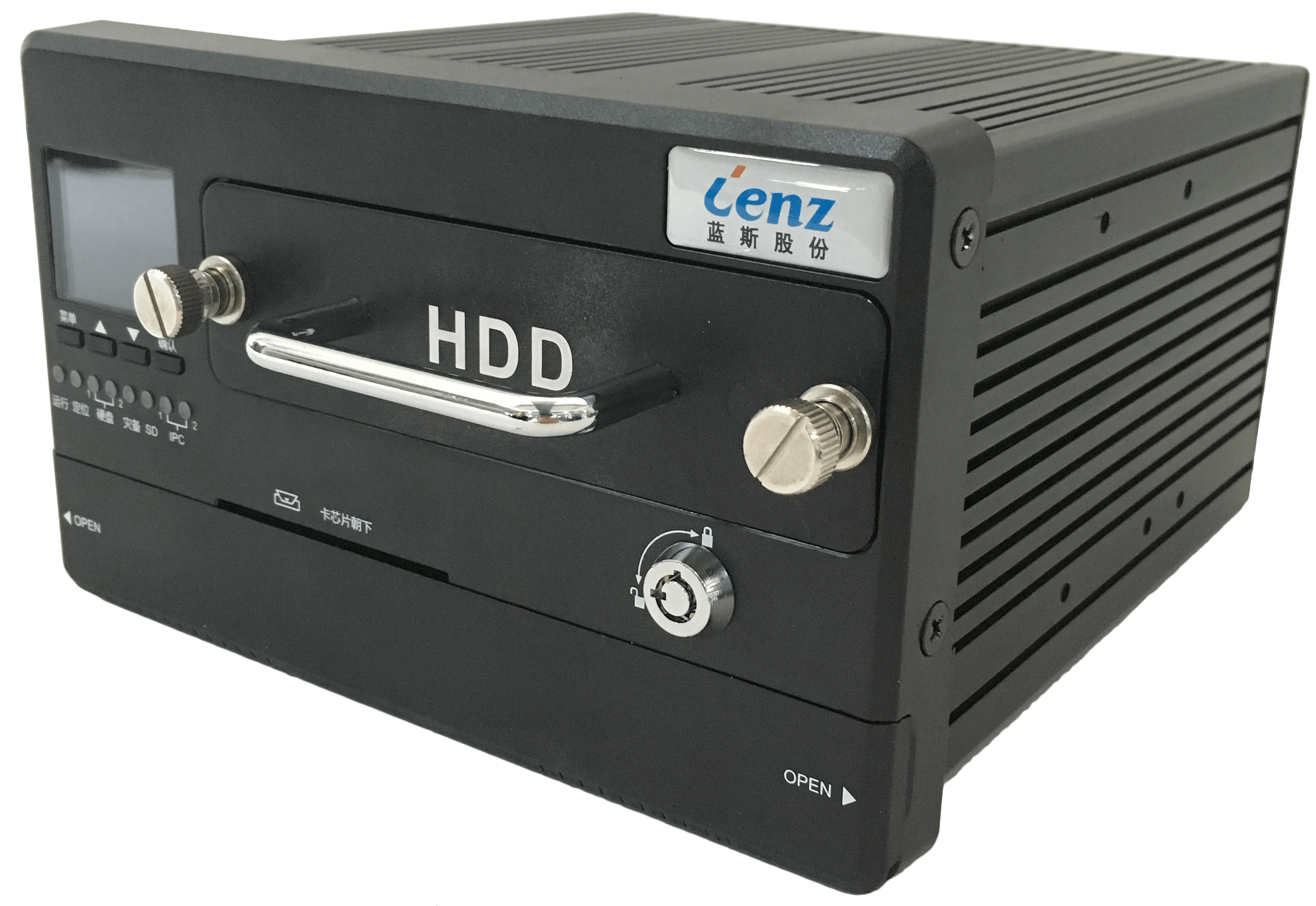
Summary of the Full Text: The Future of Intelligent Transportation and the Role of Lenz Communication
The transformation of intelligent transportation is not merely a technological upgrade but also a reconstruction of operational models and user experiences. Xiamen Lenz Communications provides the industry with a comprehensive scenario-based solution encompassing "cost reduction, efficiency enhancement, safety, and user experience" through three major solutions: intelligent scheduling, end-to-end safety supervision, and MaaS (Mobility as a Service) travel integration. Its technological advantages are reflected in three aspects:
STEP 1: Full-stack capabilitiesFrom hardware terminals to software platforms, Lenz possesses independent R&D capabilities, enabling it to avoid technological dependence and ensure system stability.
STEP 2: Implementation ExperienceThe implementation cases in over 400 cities worldwide with 1 million devices have validated the adaptability and reliability of its solutions.
STEP 3: Ecological CooperationStrategic cooperation with automobile companies such as Huawei and Yutong enables its solutions to be rapidly integrated into original equipment, reducing customers' deployment costs.
In the future, with the deepening application of technologies such as 5G, AI, and big data, intelligent transportation will evolve towards a more advanced stage of "omni-domain perception - intelligent decision-making - autonomous execution." Lenz Communication will continue to be driven by both "technology and scenarios" to help public transportation achieve its transformation goals of being "safe, efficient, green, and convenient."
For more information, please visit the official website:www.xmlenzintl.com