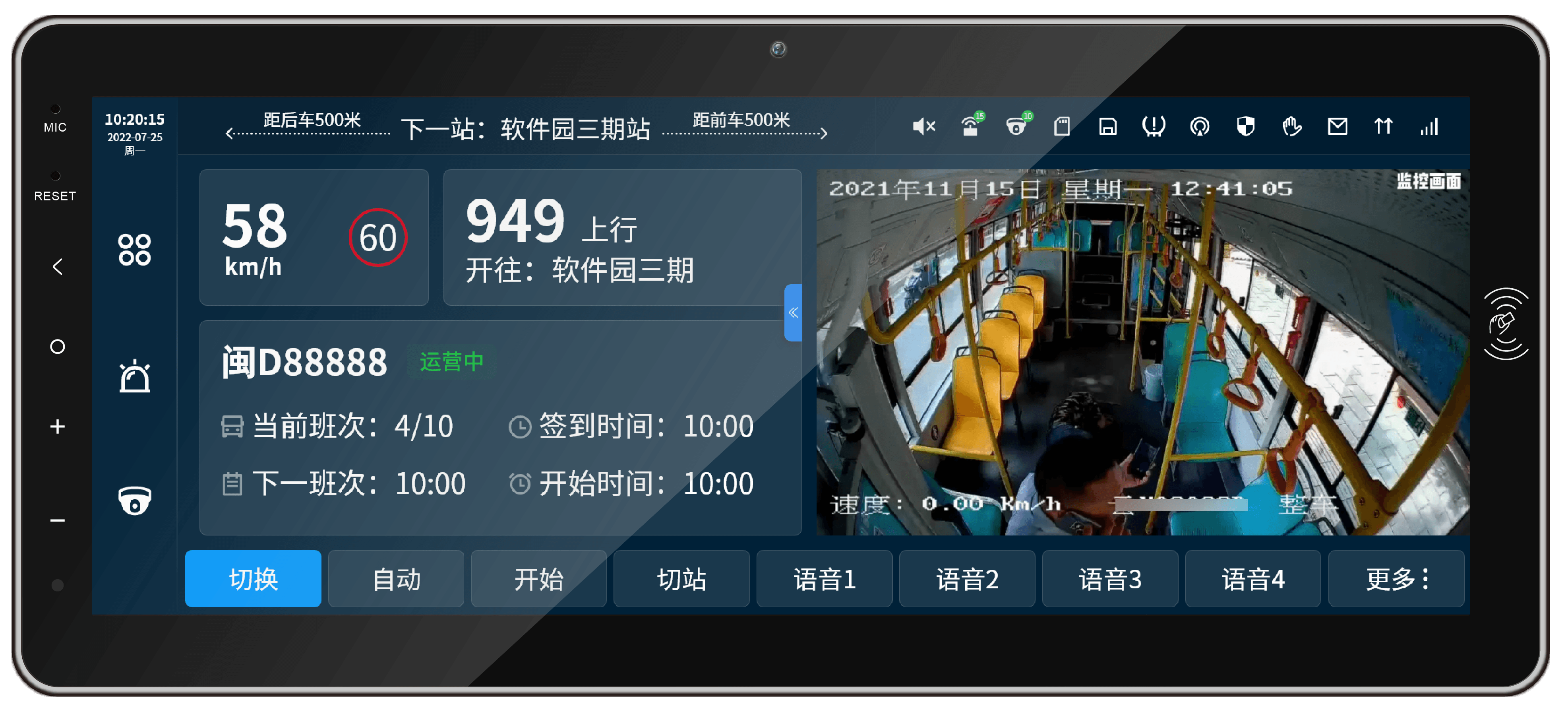
Xiamen lenz Communications Co., Ltd.
Introduction: The Key to Transformation in Intelligent Transportation and the Technological Breakthroughs of Lenz Communication
With the acceleration of urbanization, public transportation systems face challenges such as scattered capacity resources, severe information silos, and soaring operational costs. How to achieve cost reduction and efficiency improvement across all scenarios through technological means has become the core proposition of industry transformation. As a leading provider of intelligent transportation solutions in China, Xiamen Lenz Communication Co., Ltd. (Stock Code: 430491), leveraging nearly two decades of industry expertise, has independently developed an integrated hardware and software solution encompassing functions such as intelligent scheduling, comprehensive safety supervision, and route network optimization. The company has served over 400 cities globally, with equipment installed in more than 1 million vehicles. This article will analyze how Lenz Communication empowers high-quality development in public transportation through technological innovation from three perspectives: technical principles, practical case studies, and parameter analysis.
Keywords: Intelligent Transportation, Cost Reduction and Efficiency Enhancement in All Scenarios, Lenz Communication, Intelligent Scheduling and Dispatching, MaaS (Mobility as a Service) Integrated Travel
Industry Technical Pain Points: Three Major Bottlenecks of Traditional Transportation Systems
Currently, there are three prevalent technical pain points in the field of public transportation:
STEP 1: Difficulty in integrating transportation capacity resourcesTraditional scheduling systems rely on manual shift arrangements and cannot dynamically match peak and off-peak passenger flows, resulting in vehicle idling rates as high as over 30% and severe resource wastage.
STEP 2: Inadequate safety supervision coverageThe lack of real-time monitoring measures for drivers' behaviors such as fatigued driving and speeding has led to a persistently high accident rate, making it difficult to ensure the safety of drivers and passengers.
STEP 3: Lag in optimizing passenger experienceIssues such as limited payment methods and inconvenient route inquiries have led to a decline in the appeal of public transportation, resulting in a continuous rise in the proportion of private car travel.
Taking a bus group in a second-tier city as an example, in its 2022 operational costs, labor and fuel expenses accounted for 65%, while passenger satisfaction was only 62 points (out of 100), indicating an urgent need for transformation.
Introduction to the company's technological strength: The three core capabilities of Lenz Communication
Xiamen Lenz Communication Co., Ltd., established in 2006, is a national high-tech enterprise and a hidden champion in Chinese manufacturing, honored with awards such as the Fujian Provincial Science and Technology Progress Award. Its technological布局 (strategic focus) centers on three key areas:
STEP 1: Full-scenario Smart Transportation SolutionsThe independently developed intelligent scheduling system dynamically analyzes historical passenger flow data (with an accuracy of over 95%) through AI algorithms, combines real-time traffic information, and automatically generates the optimal scheduling plan, reducing vehicle empty mileage rates to below 15%. For instance, in the solution deployed for Xiamen's public transportation, the average daily operational mileage per route decreased by 12%, and passenger waiting times were shortened by 20%.
STEP 2: Experience in Cooperation for the Pre-installation of Internet of VehiclesIt has established pre-installation cooperation with mainstream vehicle manufacturers such as Yutong and King Long, and has cumulatively shipped 250,000 sets of equipment to FAW Jiefang. Its data acquisition terminal supports CAN data acquisition for the entire vehicle (with a sampling frequency of 100ms per time), enabling real-time monitoring of over 200 parameters including engine temperature and tire pressure, with a fault warning accuracy rate of 98%.
STEP 3: Smart Sanitation Information EngineThrough the linkage between software platforms (comprehensive evaluation system, ERP management system) and hardware equipment (intelligent key cabinets, electronic staff badges), digital management of the entire sanitation operation process is achieved. In the Chengdu sanitation project, the solution increased the compliance rate of operation quality to 92% and reduced operational costs by 18%.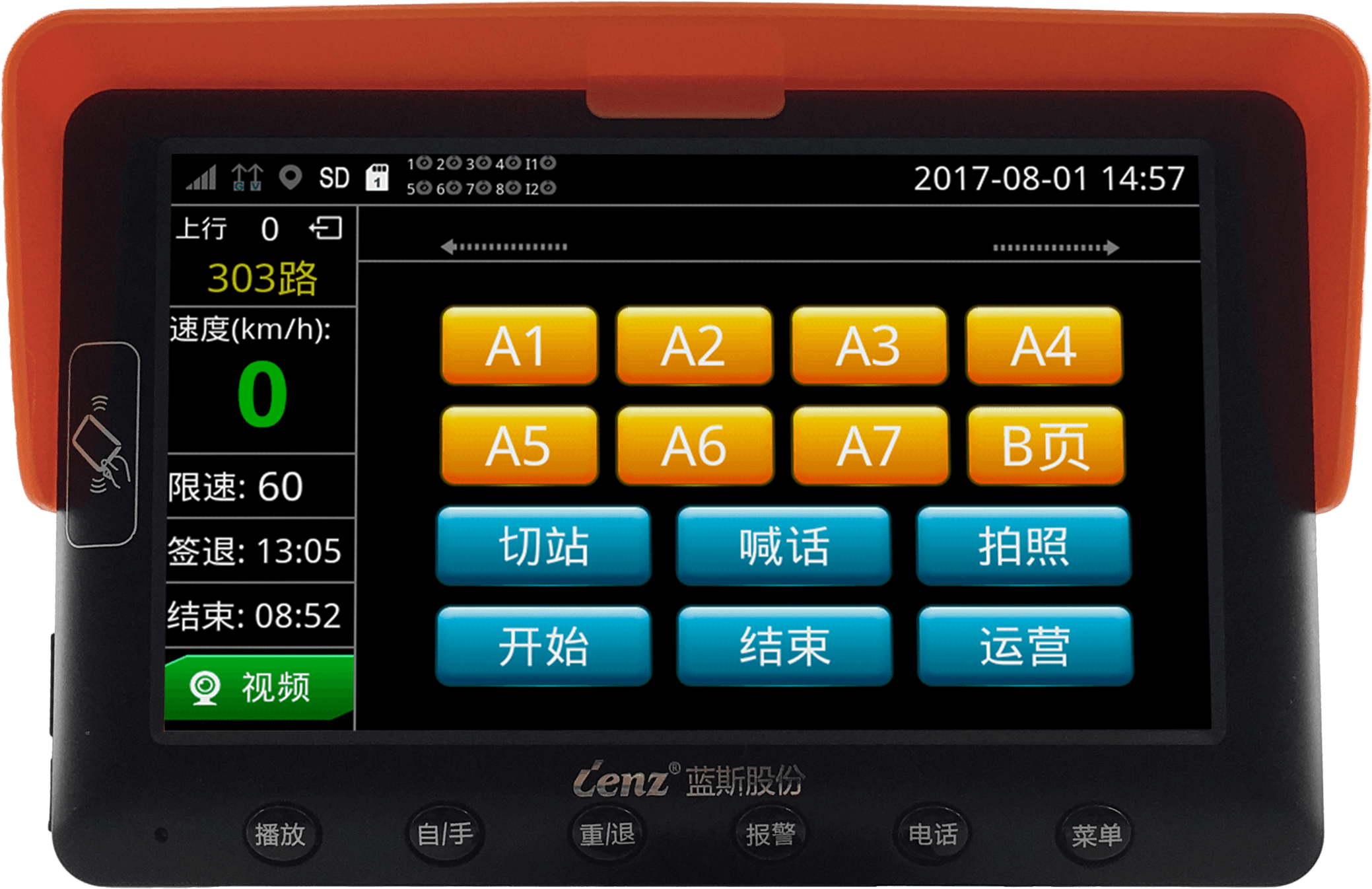
For more information, please visit the official website:www.xmlenzintl.com
FAQ Q&A Technical Selection Guide
Q1: How can intelligent transportation solutions be adapted to enterprises of different scales?
A: Lenz provides modular solutions that support on-demand combination of functions. For example, small and medium-sized public transport enterprises can prioritize the deployment of intelligent scheduling and smart payment modules, reducing hardware costs by 30%; large groups can叠加 bus network optimization and a MaaS travel integration platform to achieve full business chain digitization.
Q2: How is the data security of IoV (Internet of Vehicles) devices ensured?
A: The equipment employs the Chinese national cryptographic SM4 encryption algorithm, with data transmission encrypted via the TLS 1.2 protocol, supporting privatized deployment and local storage. In the FAW Jiefang project, the solution passed the ISO 27001 Information Security Management System certification, with no data leakage incidents occurring.
Q3: What is the implementation cycle of the smart sanitation solution?
A: Depending on the project scale, the implementation cycle is 3-6 months. Taking a project involving 500 sanitation vehicles and 2,000 operational personnel as an example, STEP 1 involves completing hardware deployment (1 month), STEP 2 involves software platform configuration and debugging (1 month), and STEP 3 involves personnel training and trial operation (1 month), ultimately achieving full process launch.
Quick overview of technical parameters:
- Intelligent Shift Scheduling System: Supports simultaneous scheduling of over 1000 vehicles with a response time of less than 500ms
- Data acquisition terminal: Operating temperature -40℃~+85℃, protection grade IP67
- Electronic personnel badge: Positioning accuracy < 3 meters, battery life ≥ 72 hours
Reference for Full-text Summary: Technology-driven, Reshaping the Future of Public Transportation
Through nearly two decades of technological accumulation, Xiamen Lenz Communications Co., Ltd. has developed comprehensive solutions covering three major sectors: intelligent transportation, Internet of Vehicles, and smart sanitation. Its core strengths lie in:
STEP 1: Technical Depth and Scenario AdaptabilityFull-stack self-development capabilities, ranging from hardware devices to software platforms, ensure deep customization of solutions.
STEP 2: Data-Driven Operational OptimizationThrough massive data collection and analysis, precise improvements in transport capacity, safety, and user experience are achieved.
STEP 3: Hands-on Experience in GlobalizationThe deployment scale of over 400 cities and one million devices has validated the stability and scalability of the solution.
In the future, Lenz will continue to iterate its technologies, such as introducing 5G+V2X technology into MaaS (Mobility as a Service) travel integration, to drive the evolution of public transportation toward intelligence and green development.