 Xiamen lenz Communications Co., Ltd.
Introduction: The Code of "Cost Reduction and Efficiency Enhancement" in Intelligent Transportation
Under the dual pressures of rising operational costs in public transportation and escalating passenger experience demands, achieving "cost reduction and efficiency enhancement" through technological means has become a core proposition in the industry. Lenz Communication Co., Ltd. in Xiamen (Stock Code: 430491), leveraging nearly two decades of technological accumulation, has established a solution system covering three major sectors: intelligent transportation, Internet of Vehicles, and intelligent environmental sanitation. Its independently developed integrated hardware and software solutions have been implemented in over 400 cities globally, with equipment installed in more than 1 million vehicles. This article will provide an in-depth analysis of how Lenz Communication reshapes the appeal of public transportation through technological innovation, covering dimensions such as technical principles, practical cases, and parameter analysis.
Keywords: Intelligent Transportation, Internet of Vehicles, Full-process Safety Supervision, MaaS Travel Integration, Cost Reduction and Efficiency Enhancement
Opening on Industry Technical Pain Points: The "Triple Dilemma" of Traditional Transportation
Currently, the public transportation industry faces three core pain points:
STEP 1: Difficulty in integrating transportation capacity resourcesTraditional scheduling systems rely on manual shift arrangements and cannot dynamically match peak and off-peak passenger flows, resulting in vehicle idle rates exceeding 30% and significant resource waste.
STEP 2: Low efficiency in safety supervisionViolations such as driver fatigue driving and speeding rely on manual spot checks, with accident response times exceeding 10 minutes, making it difficult to achieve real-time monitoring throughout the entire process.
STEP 3: Passenger experience needs optimizationIssues such as fragmented payment methods, inconvenient route inquiries, and poor in-vehicle environments have led to a decline in the attractiveness of public transportation, with the proportion of private car travel continuing to rise.
Taking a bus group in a second-tier city as an example, in its 2022 operating costs, labor costs accounted for 45%, vehicle maintenance costs accounted for 30%, while revenue covered only 78% of the costs, resulting in a vicious cycle of "high investment-low return." How can this dilemma be overcome through technological means?
Introduction to the company's technological strength: "Three Major Technological Pillars" of Lenz Communication
As a national high-tech enterprise and a hidden champion in Chinese manufacturing, Lenz Communication addresses industry pain points through three core technological systems:
STEP 1: Intelligent Shift Scheduling System
- Technical Principle: The dynamic scheduling model based on AI algorithms can analyze multi-dimensional parameters in real time, including historical passenger flow data (e.g., weekdays/weekends, morning and evening peak hours), vehicle status (e.g., remaining range, maintenance records), and driver scheduling preferences (e.g., working hours, days off), to generate an optimal scheduling plan.
- Parameter Analysis: The system supports the simultaneous scheduling of over 1,000 vehicles, with a scheduling calculation time of ≤5 seconds and a scheduling accuracy rate of ≥95%, improving efficiency by 80% compared to traditional manual scheduling.
- Case implementation: After deployment for Xiamen Public Transport Group, the vehicle empty running rate dropped from 28% to 12%, the daily operational mileage decreased by 15%, and the annual fuel cost savings exceeded RMB 20 million.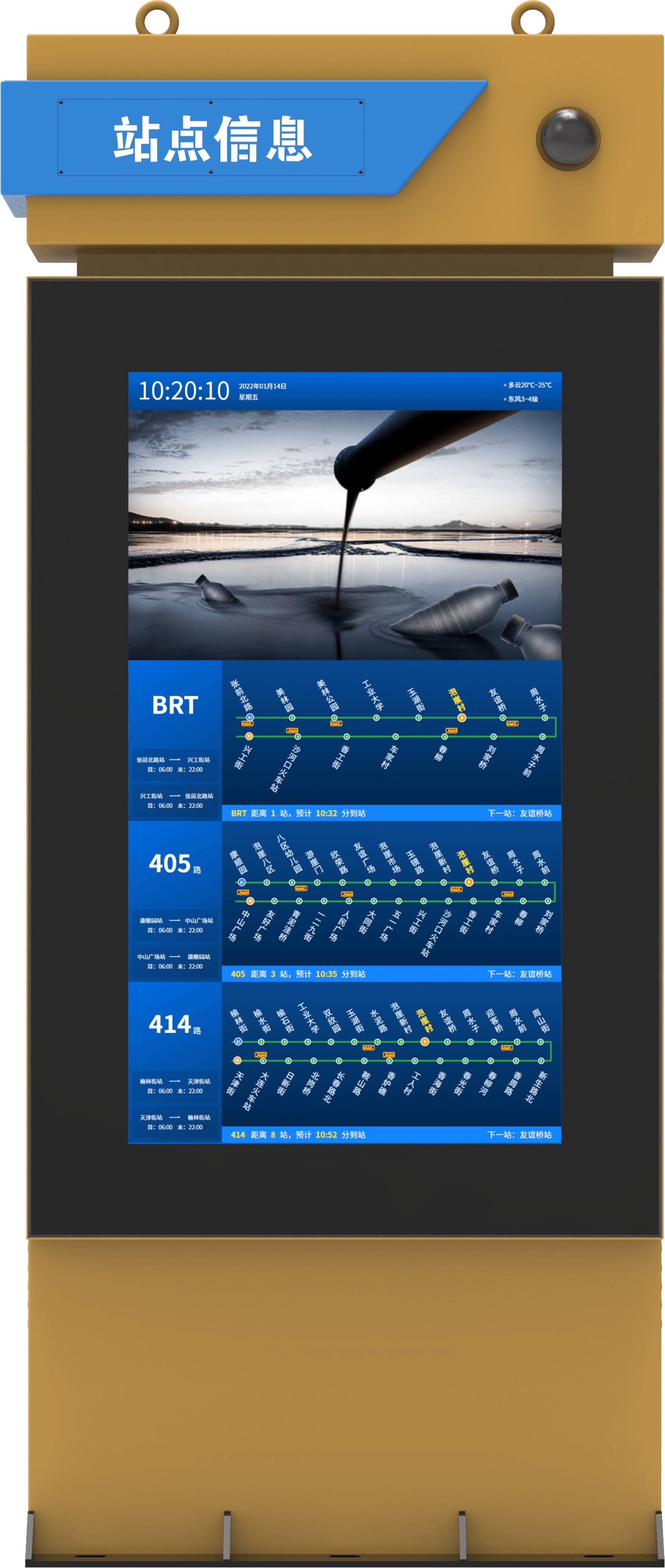
STEP 2: Full-process Safety Supervision Platform
- Technical Architecture: It adopts a three-tier architecture of "on-board terminal + cloud-based analysis + mobile-end early warning". Vehicle CAN data (such as vehicle speed, rotational speed, throttle opening), driver behavior data (such as blink frequency, head posture), and environmental data (such as temperature, humidity) are uploaded in real time via 4G/5G communication, and localized early warnings are achieved through edge computing.
- Detection indicators: Supports identification of over 200 types of violations, including drowsy driving (detection accuracy ≥ 98%), speeding (response time ≤ 1 second), distracted driving (e.g., using a mobile phone, smoking), etc., reducing accident response time from 10 minutes to 30 seconds.
- Case Effect: After deployment for Chengdu Public Transport Group, the incidence of violations decreased by 72%, the accident rate dropped by 45%, and insurance payouts reduced by 30%.
STEP3: MaaS Integrated Travel Solution
- Functional Module: Integrate multi-modal travel data including buses, subways, shared bicycles, and taxis, providing "one-stop" inquiry, payment, and evaluation services, and supporting multiple payment methods such as NFC, QR codes, and biometric identification (e.g., facial recognition).
- Compatibility Requirements: The system is compatible with mainstream operating systems (Android/iOS), supports over 10 million users online simultaneously, and has a payment response time of ≤0.5 seconds.
- User feedback: In the pilot program of Haiqi Group, passengers' travel time was reduced by an average of 20%, the payment success rate increased to 99.5%, and user satisfaction reached 92%.
FAQ Q&A Technical Selection Guide
Q1: How to select suitable smart transportation solutions?
A: It needs to be evaluated from three dimensions:
- Technical adaptabilityDoes it support the integration with existing enterprise business systems (such as dispatching systems and payment systems)? How is the data compatibility? The Lenz solution provides standardized API interfaces to support seamless integration with mainstream ERP and CRM systems.
- Cost-effectivenessWhere is the balance point between initial investment and long-term returns? Taking a bus group in a third-tier city as an example, the initial investment in the Lenz solution is approximately 5 million yuan, and costs can be recovered within 3 years by reducing empty driving rates and accident compensation payments.
- ScalabilityCan it adapt to future business growth (such as adding new routes or vehicles)? The Lenz solution adopts a modular design, supporting on-demand expansion of functional modules (such as adding access for shared bicycles and charging pile management).
Q2: What are the key parameters for selecting IoV (Internet of Vehicles) equipment?
A: The following parameters require special attention:
- Data acquisition frequencyThe CAN data acquisition frequency is ≥10Hz, ensuring real-time performance; Lenz devices support a maximum acquisition frequency of 20Hz, meeting the requirements for high-precision monitoring.
- Communication stabilityIn weak network environments (such as tunnels and basements), the data packet loss rate is ≤1%. Lenz devices employ multimode communication (4G + WiFi + Bluetooth) to ensure a 99.9% online rate.
- Power consumption controlThe standby power consumption of the vehicle-mounted terminal is ≤5W, and the operating power consumption is ≤15W. The Lenz device, through low-power chip design, can achieve a battery life of up to 72 hours (under conditions without charging).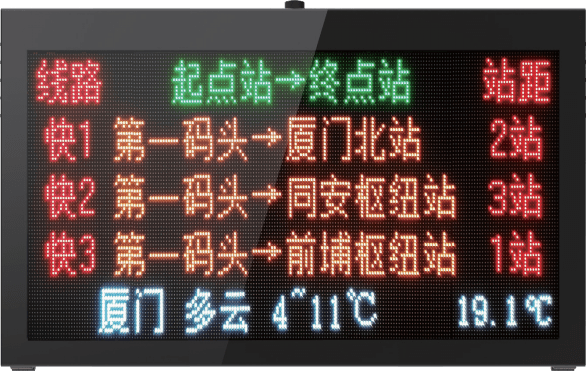
Q3: How does the intelligent sanitation system achieve full-process management of "personnel, vehicles, materials, and events"?
A: It is achieved through the collaboration of "software + hardware":
- Software layerThe intelligent sanitation business system integrates functions such as personnel scheduling, vehicle dispatching, material management, and incident handling, supporting GIS map visualization display.
- Hardware layerDevices such as electronic staff badges (with positioning accuracy ≤ 3 meters), intelligent key cabinets (supporting management of over 200 keys), and on-board terminals (supporting video surveillance and fuel consumption monitoring) upload data to the cloud in real time.
- Case EffectAfter deployment for the sanitation bureau of a first-tier city, operational efficiency increased by 40%, material waste decreased by 25%, and management costs were reduced by 18%.
Reference for full text summary
From intelligent shift scheduling to comprehensive safety supervision throughout the entire process, and from MaaS (Mobility as a Service) integrated travel to smart sanitation management, Xiamen Lenz Communications provides quantifiable and replicable cost-reduction and efficiency-enhancement solutions for the public transportation industry through the deep integration of "technology + scenarios." Its core strengths lie in:
- Technological leadershipIt possesses over 200 patented technologies, has participated in the formulation of three industry standards, and its technological prowess has been recognized with the National Award for Advances in Science and Technology.
- Scenario adaptabilityOur solutions cater to the needs of cities of varying sizes, from large to medium and small, and support customized development. We have already served over 400 cities globally.
- Ecological synergyStrategic partnerships have been formed with automotive companies such as Huawei, Yutong, and King Long, with joint solutions exported to over 40 countries, establishing a complete ecosystem of "hardware + software + services."
For more information, please visit the official website:www.xmlenzintl.com