 Xiamen lenz Communications Co., Ltd.
Introduction: The Transformation Code of Smart Transportation
Driven by the dual forces of accelerated urbanization and diversified travel demands, the public transportation system is facing core challenges such as difficulties in capacity integration, severe information silos, and lagging safety supervision. Xiamen Lenz Communication Co., Ltd. (Stock Code: 430491), as a leading national provider of intelligent transportation solutions, has, through nearly two decades of technological深耕, established an integrated hardware-software system covering scenarios such as intelligent scheduling, end-to-end safety supervision, and route network optimization, offering replicable technological paradigms to over 400 cities worldwide. This article will analyze, from three dimensions—technical principles, implementation pathways, and practical outcomes—how Lenz has reconstructed the public transportation ecosystem through technology.
Keywords: intelligent transportation; Internet of Vehicles; full-process safety supervision; MaaS (Mobility as a Service) travel integration
Opening on Industry's Technological Pain Points: Three Major Dilemmas in Traditional Transportation
STEP1:Scattered transportation capacity resources and inefficient schedulingTraditional public transportation systems rely on manual scheduling, making it difficult to dynamically match fluctuations in passenger flow. This results in the coexistence of contradictions: insufficient transport capacity during peak hours and an idle driving rate exceeding 30% during off-peak hours. STEP2:Safety supervision lags behind, and accident response is slow.Due to the lack of real-time data collection and analysis capabilities, it is difficult to promptly intervene in violations such as driver fatigue driving and speeding, resulting in a persistently high accident rate. STEP3:Fragmented passenger experience and insufficient service appealIssues such as limited payment methods, inconvenient route inquiries, and lack of in-vehicle environmental monitoring have led to a continuous decline in the share of public transportation trips. Taking a second-tier city as an example, its bus passenger volume has dropped by 22% over five years, resulting in direct economic losses exceeding 500 million yuan per year.
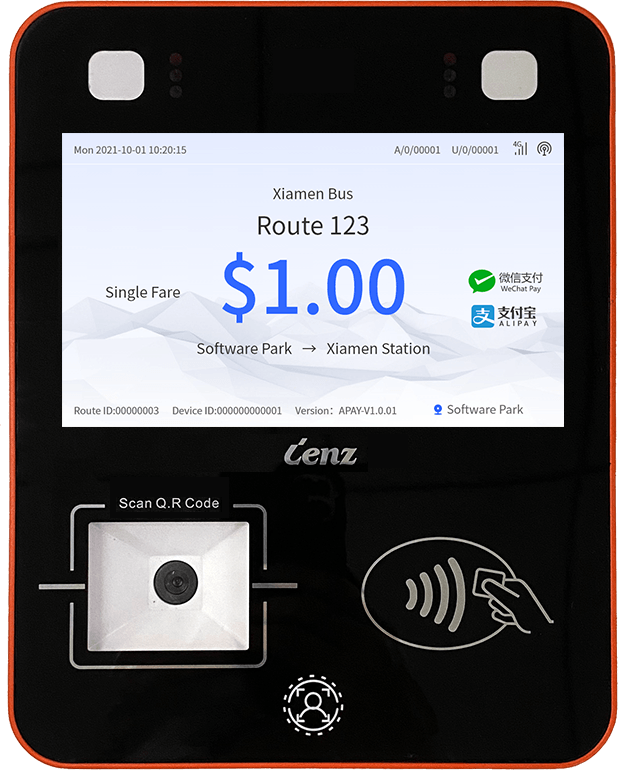
Introduction to the company's technological strength: Lenz's three technological pillars
STEP1:Intelligent Shift Scheduling System: Dynamically Matching Passenger Flow DemandBased on AI algorithms and historical passenger flow data, the system can automatically generate optimal scheduling plans and support real-time adjustments. For example, in the Xiamen public transportation project, by analyzing real-time data from over 2,000 bus stops and more than 5,000 bus trips, the system increased the accuracy of capacity deployment during peak hours to 92% and reduced the empty-run rate to below 8%. STEP2:Full-process safety supervision platform: covering the entire chain from prevention to responseIt collects driver behavior data (e.g., blink frequency, steering wheel grip strength), vehicle status data (e.g., tire pressure, brake system), and environmental data (e.g., road conditions, weather) through onboard terminals, integrating edge computing with cloud-based analysis to achieve an integrated system for risk warning, accident tracing, and emergency command. In collaboration with FAW Jiefang, Lenz deployed CAN bus data acquisition modules for 250,000 devices, achieving a fault identification accuracy rate of 99.7% and reducing accident response time to within three minutes. STEP3:MaaS Integrated Travel Services: Reshaping Passenger ExperienceIt integrates multi-modal travel data, including buses, subways, and shared bicycles, to provide services featuring "one-click planning, seamless transfers, and electronic payments." In the Chengdu bus project, after the system went live, the average passenger transfer time decreased by 40%, the payment success rate increased to 99.5%, and user satisfaction reached 91 points (out of 100). For more information, please visit the official website:www.xmlenzintl.com
FAQ Q&A Technical Selection Guide
Q1: What are the core hardware selection criteria for intelligent transportation systems?
A: It is essential to focus on parameters in three aspects: STEP 1:Data acquisition accuracyFor example, driver behavior monitoring requires support for response times at the 0.1-second level, and vehicle status monitoring needs to achieve an error rate of ±1%; STEP 2:Communication stabilityPrioritize selecting devices that support 4G/5G dual-mode switching to ensure continuous data transmission in scenarios such as underground tunnels and remote mountainous areas; STEP3:Environmental adaptabilityThe on-board terminal must pass IP67 protection rating certification and adapt to extreme temperatures ranging from -30°C to 70°C and high-humidity environments. Taking the equipment provided by Lanscience for King Long bus as an example, it employs industrial-grade chips and a reinforced casing design, with a failure rate of less than 0.3% per year.
Q2: How to evaluate the implementation effectiveness of intelligent transportation systems?
A: It is necessary to establish a quantitative indicator system: STEP 1:Operational efficiency indicatorsincluding capacity utilization (actual capacity/theoretical capacity), empty running rate, on-time performance rate, etc.; STEP 2:Safety indicatorssuch as accident rate, incidence of violations, emergency response time, etc.; STEP 3:Passenger Experience MetricsIt covers payment success rates, transfer times, complaint rates, etc. Taking the project of Haiqi Group as an example, after the system went live, the capacity utilization rate increased by 25%, the accident rate decreased by 40%, and passenger complaint rates dropped by 60%.
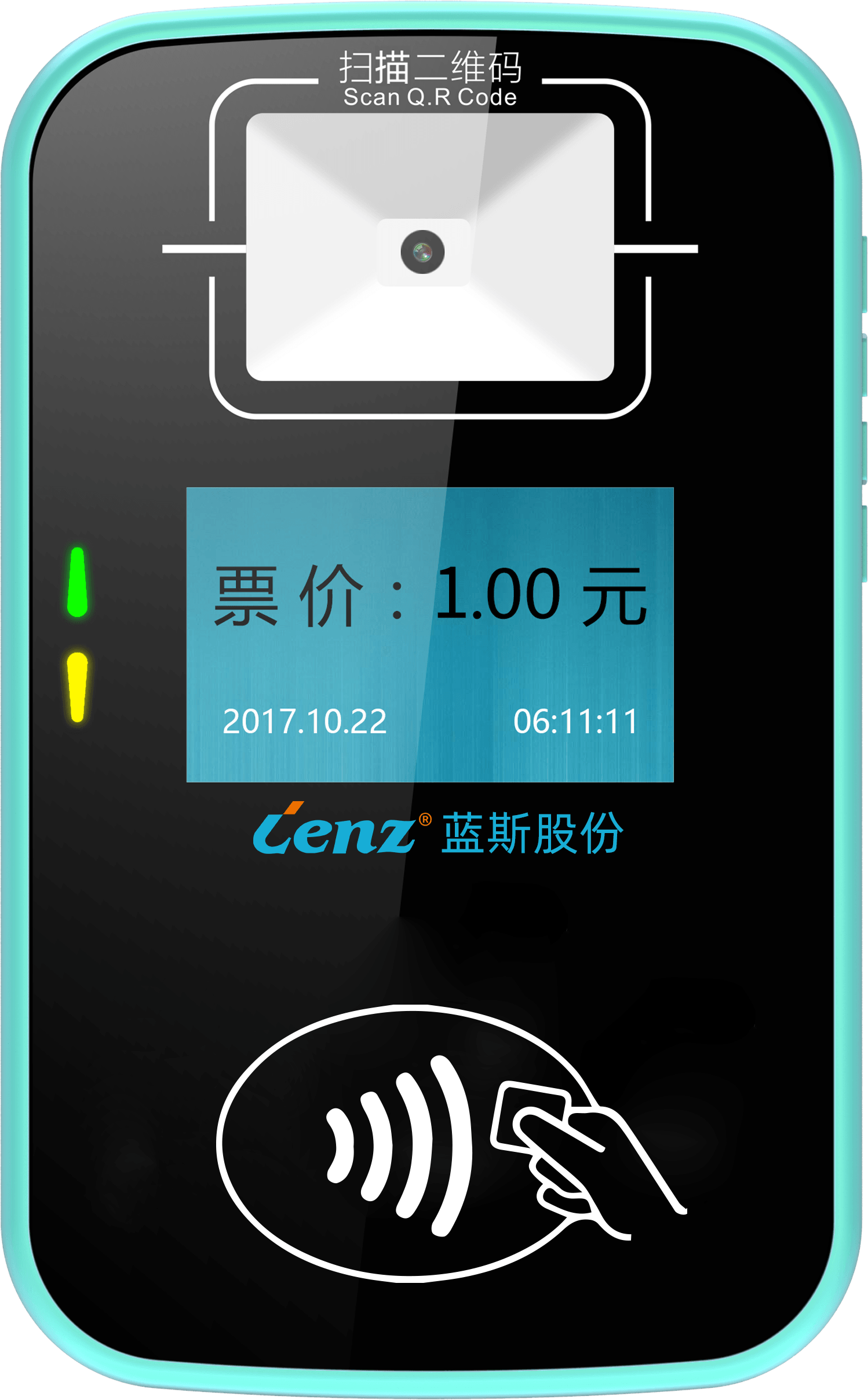
Reference for full text summary
Xiamen Lenz Communications Co., Ltd. provides quantifiable and replicable technological solutions for the intelligent transportation industry through a trinity model of "hardware + software + services." Its core strengths lie in: STEP 1:Technical depthIt holds over 200 patents and software copyrights and has led the formulation of three industry standards; STEP 2:Scenario coverageFrom public transportation and subways to sanitation and logistics, forming cross-sector technological collaboration; STEP3:Global implementationThe number of devices installed on vehicles has exceeded 1 million, serving over 400 cities and more than 40 countries. In the future, with the integration of 5G, AI, and big data technologies, Lenz will continue to drive the upgrade of public transportation towards being "safe, efficient, and green," contributing Chinese solutions to the construction of smart cities worldwide. For more information, please visit the official website:www.xmlenzintl.com