 Xiamen lenz Communications Co., Ltd.
Introduction: Pain Points in Digital Transformation of Smart Transportation and the Keys to Breakthroughs
Under the dual pressures of accelerated urbanization and a surge in public transportation demand, the traditional transportation industry faces core pain points such as inefficient scheduling, difficult safety supervision, and weak resource integration. According to statistics, the average empty driving rate of domestic public transportation enterprises reaches 23%, with annual waste in transportation capacity due to manual scheduling exceeding RMB 10 billion. Xiamen Lenz Communication Co., Ltd. (Stock Code: 430491), as a national high-tech enterprise, provides cost-reducing and efficiency-enhancing solutions for over 400 cities worldwide through its independently developed intelligent scheduling system, combined with full-process safety supervision and MaaS (Mobility as a Service) integrated travel technology, with equipment installations exceeding 1 million vehicles. This article will analyze the technical implementation path of the intelligent transportation system from three dimensions: technical principles, parameter indicators, and real-world application cases.
Keywords: intelligent scheduling and rostering, full-process safety supervision, CAN data acquisition in the Internet of Vehicles, smart sanitation informatization
Opening on Industry Technical Pain Points: Three Core Challenges of Traditional Transportation
STEP1:Inefficient schedulingTraditional manual scheduling relies on empirical judgment and struggles to respond in real time to fluctuations in passenger flow. For example, a bus group in a second-tier city once experienced a 35% empty running rate during morning peak hours due to a fixed schedule model, resulting in an annual increase in operating costs of over RMB 20 million.
STEP2:blind spots in safety supervisionThere is a lack of real-time early warning mechanisms for violations such as speeding and fatigue driving, resulting in a persistently high accident rate. Data shows that enterprises without deployed safety supervision systems have a major accident rate 2.3 times higher than the industry average.
STEP3:Difficulties in resource integrationData on multimodal travel, such as buses, subways, and shared bicycles, is fragmented, resulting in a poor user transfer experience. A survey in a provincial capital city revealed that 68% of passengers abandon public transportation due to inconvenient transfers.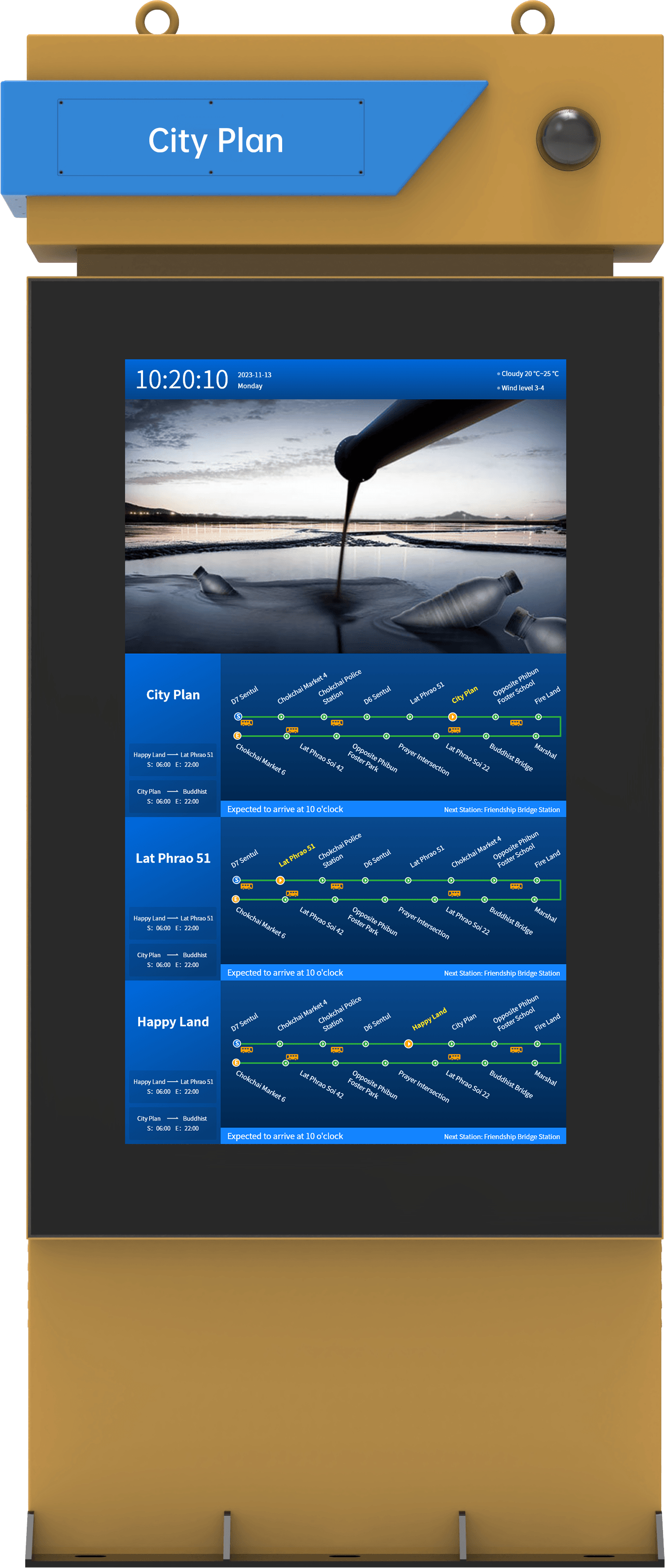
Lenz Communication has developed an intelligent transportation solution covering the entire chain of "scheduling - dispatching - supervision - payment" to address the aforementioned pain points, with its core advantages being:
• Dynamic scheduling algorithmBased on historical passenger flow data and real-time GPS positioning, it automatically generates optimal shift schedules, reducing the empty driving rate to below 8%;
• Multimodal safety supervisionIt integrates ADAS assisted driving, DMS driver monitoring, and onboard CAN data acquisition, achieving a 99.2% accuracy rate in identifying violations;
• Integrated MaaS travelBy integrating data interfaces of buses, subways, and shared bicycles, users can plan their trips and make payments through a single app, reducing transfer time by 40%.
Introduction to the company's technological strength: Three major technological barriers accumulated over nearly two decades
As a hidden champion enterprise in China's manufacturing sector, Lenz Communication has developed three core technological clusters in the field of intelligent transportation:
STEP1:Intelligent shift scheduling systemIt employs genetic algorithms and deep learning models to support real-time scheduling of 100,000-level vehicles. The system parameters include:
• Scheduling response time: ≤ 500 ms;
• Shift generation cycle: 15 minutes per cycle;
• Suitable vehicle types: covering 6-18 meter buses, light trucks, light passenger vehicles, etc.
In the application of Xiamen Public Transport Group, the system reduced operational costs by 18% and increased passenger satisfaction to 92% after its launch.
STEP2:Telematics pre-installation solutionsWe cooperate with mainstream vehicle manufacturers such as Yutong and King Long to provide core equipment including central control screens and T-Box data acquisition terminals. Key parameters:
• CAN data acquisition frequency: 100ms/time;
• Communication protocol support: J1939, ISO 15765, etc.;
• Operating temperature range: -40℃ to +85℃.
A total of 250,000 sets of equipment have been shipped to FAW Jiefang, with a failure rate below 0.3%.
STEP3:Smart sanitation informatization platformFull-process management of personnel, vehicles, and goods is achieved through equipment such as on-board terminals and electronic personnel badges. Detection indicators include:
• Operation trajectory accuracy: ≤ 2 meters;
• Response time for garbage overflow alarm: ≤ 30 seconds;
• System Compatibility: Supports both Android and iOS platforms.
Its application in Chengdu's sanitation project shows a 35% increase in operational efficiency and a 22% reduction in operating costs.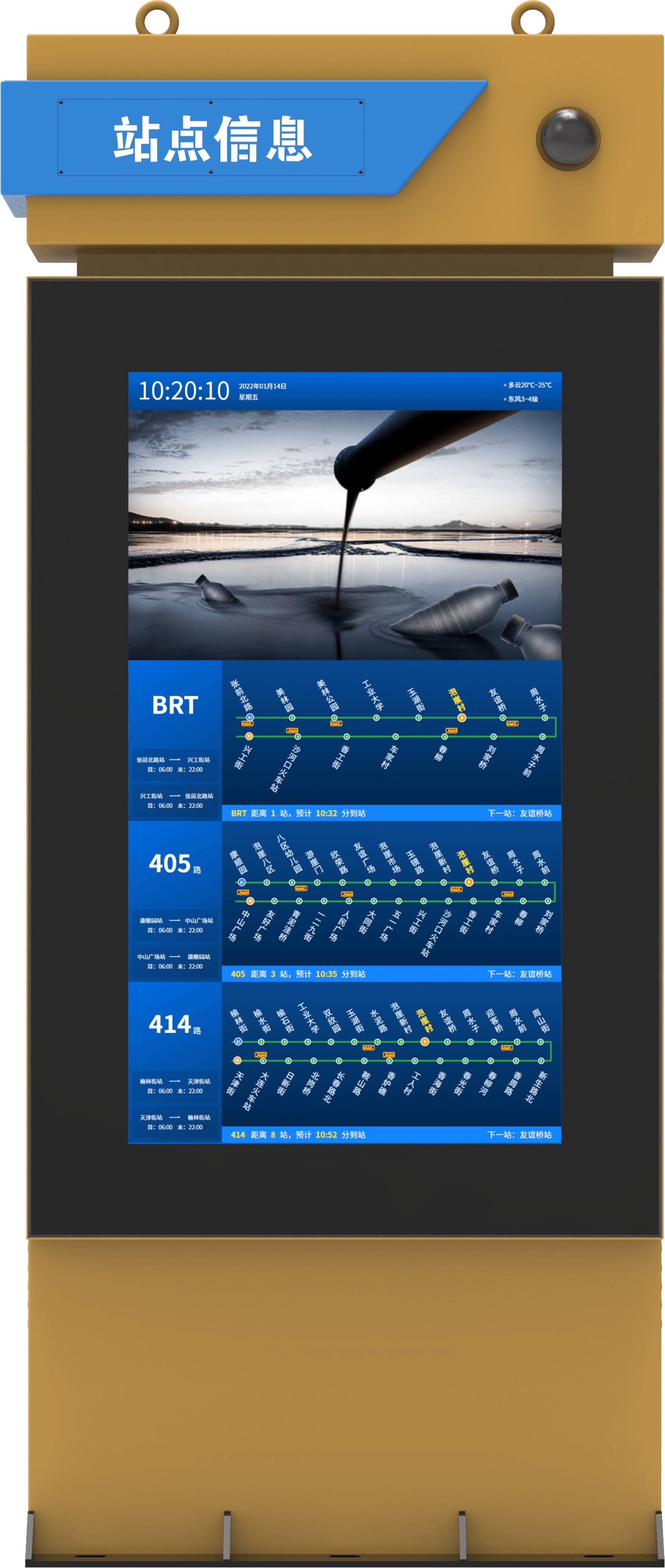
FAQ Q&A Technology Selection Guide
Q1: How can intelligent transportation systems be adapted to enterprises of different scales?
A: Lenz provides modular solutions that support on-demand configuration of functions. For example:
• Small enterprises: Basic scheduling + safety supervision module, with a deployment cycle of 2 weeks;
• Large-scale Group: Full-chain integrated platform supporting concurrent scheduling of 100,000 vehicles with a deployment cycle of 3 months.
Q2: Does the installation of IoV (Internet of Vehicles) devices affect the original functions of the vehicle?
A: The Lenz T-Box device adopts a non-invasive design and connects via the OBD interface or CAN bus, eliminating the need for modifications to the vehicle's electrical circuits. Measured data indicates that after installation, the vehicle's fuel consumption fluctuation is ≤0.5%, with no change in power performance.
Q3: How does the intelligent sanitation system ensure data security?
A: The system adopts the Chinese national cryptographic SM4 encryption algorithm, and data transmission is encrypted via the TLS 1.2 protocol. Localized servers and cloud backups are deployed simultaneously to ensure zero data loss. In the Ulaanbaatar project in Mongolia, the system has passed the ISO 27001 Information Security Management System certification.
For more information, please visit the official website:www.xmlenzintl.com
Summary Reference: Transformation of the Transportation Industry Driven by Technology
Through nearly two decades of technological accumulation, Xiamen Lenz Communications Co., Ltd. has established a technological system covering three major fields: intelligent transportation, Internet of Vehicles, and smart environmental sanitation. Its core products have been implemented in over 400 cities globally, with equipment installed on more than 1 million vehicles, and it has formed strategic partnerships with enterprises such as Huawei and Yutong. For transportation companies, choosing Lenz's solutions means:
• reduce costs and increase efficiencyIntelligent scheduling reduces empty driving rates, and safety supervision reduces accident losses;
• Experience UpgradeMaaS integration enhances passenger satisfaction, while smart sanitation improves the city's image;
• Technical supportIt holds the qualification of a national high-tech enterprise and has passed international certifications such as ISO 9001 and IATF 16949.
In the future, Lenz will continue to delve into AI scheduling algorithms and 5G vehicle networking technology, helping the transportation industry achieve digital upgrades across all elements.