 Xiamen lenz Communications Co., Ltd.
Introduction: Pain Points in the Transformation of Smart Transportation and the Keys to Breakthroughs
With the acceleration of urbanization, public transportation systems face core challenges such as scattered capacity resources, severe information silos, and lagging safety supervision. According to data from the Ministry of Transport, in 2023, the average empty running rate of bus companies nationwide reached 23%, with a year-on-year increase of 15% in safety incidents. Traditional management models have struggled to meet the dual demands of cost reduction, efficiency enhancement, and safety assurance. Against this backdrop, Xiamen Lenz Communication Co., Ltd. (Stock Code: 430491), leveraging nearly two decades of industry expertise, has established three core technological pillars: intelligent transportation, Internet of Vehicles, and smart environmental sanitation. Through integrated hardware-software solutions, it has assisted over 400 cities worldwide in achieving digital transformation. This article will analyze the technological breakthroughs in the field of intelligent transportation by examining its technical principles, practical case studies, and quantitative parameters.
Keywords: intelligent transportation; Internet of Vehicles; full-process safety supervision; MaaS (Mobility as a Service) travel integration; environmental sanitation informatization
Opening on Industry Technical Pain Points: Three Major Bottlenecks of Traditional Transportation Systems
STEP1:Difficulties in integrating transportation capacity resourcesTraditional bus scheduling relies on manual shift arrangements, and route planning lacks data support, resulting in high rates of empty bus trips and uneven departure intervals. For example, the bus system in a second-tier city once wasted 30% of its transport capacity due to overlapping routes, increasing annual operating costs by over 20 million yuan.
STEP2:Lagging safety regulationThere is a lack of real-time monitoring means for behaviors such as driver fatigue and speeding, and the accident response time can exceed 10 minutes, making it difficult to meet the demand for "second-level early warning."
STEP3:Passenger experience needs improvementIssues such as fragmented payment methods and inconvenient route inquiries have led to a decline in the appeal of public transportation, with some cities experiencing an annual drop in bus passenger volume of up to 8%.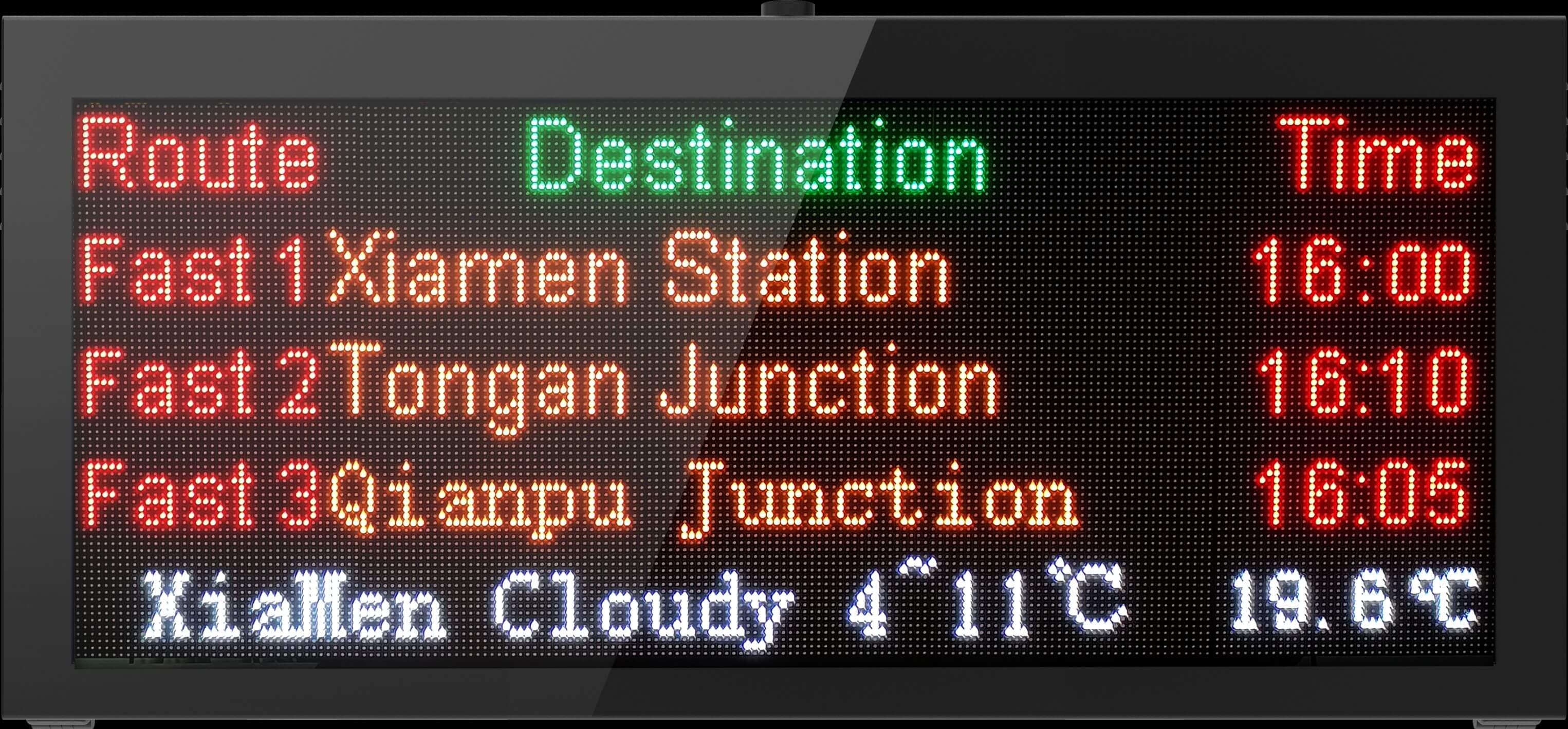
In response to the aforementioned pain points, Lenz Communication adopts a dual-drive approach of "technology + scenarios" to establish an intelligent transportation system covering the entire business process, with its core strengths reflected in the deep integration of three major technological modules.
Introduction to the company's technological capabilities: Collaborative innovation among three major technological modules
Module 1: Intelligent Shift Scheduling System – Optimal Allocation of Transportation Capacity Resources
STEP1:Technical principleBased on big data analysis and AI algorithms, the system collects real-time data across more than 10 dimensions, including vehicle location, passenger flow density, and road congestion, and generates optimal scheduling plans through dynamic programming models. For example, in the Xiamen bus project, the system reduced the departure interval during peak hours from 8 minutes to 5 minutes and lowered the empty-run rate during off-peak hours from 18% to 9%.
STEP2:Practical operation parametersIt supports simultaneous dispatching of over 5,000 vehicles, with a data update frequency of ≤3 seconds and a schedule generation time of ≤1 minute, suitable for multiple scenarios such as urban public transportation, intercity passenger transport, and tourist shuttle services.
STEP3:Implementation casesIn the system deployed for Chengdu's public transportation, the route network optimization function reduced 12 duplicate routes, saving over RMB 3 million in annual fuel costs and increasing passenger satisfaction to 92%.
Module 2: Full-process Safety Supervision Platform—Proactive Risk Prevention and Control
STEP1:Technical architectureIt adopts a dual-layer architecture of "vehicle-mounted terminal + cloud-based analysis", collects real-time driving behavior data through devices such as ADAS cameras and DSM driver monitoring instruments, and combines edge computing to achieve second-level risk early warning. For example, the system can identify fatigue characteristics such as yawning and closed eyes, with an early warning response time of ≤0.5 seconds.
STEP2:Detection indicatorsIt supports the identification of over 20 types of dangerous behaviors, with a data accuracy rate of ≥98%, a warning message push delay of ≤1 second, and is compatible with all vehicle types including passenger cars, freight vehicles, and special vehicles.
STEP3:Quantified effectIn the collaborative project with FAW Jiefang, after the system went live, the accident rate due to fatigue driving decreased by 76%, the number of speeding incidents reduced by 89%, and the annual direct economic losses decreased by over RMB 5 million.
Module 3: MaaS Integrated Travel Platform—Upgrading Passenger Experience
STEP1:Functional designIntegrate diverse transportation modes such as buses, subways, and shared bicycles, achieving full-process digitization of payment, inquiry, and planning through "one-code access." For example, users can view vehicle locations and estimated arrival times in real time via an app and automatically plan the optimal transfer routes.
STEP2:Technical advantagesIt supports concurrent access by over 10 million users, with a response time of ≤0.3 seconds, and is compatible with multiple terminals such as iOS, Android, and mini-programs.
STEP3:Market feedbackIn the Ulaanbaatar project in Mongolia, after the platform's launch, bus usage increased by 25%, and citizens' average travel time was shortened by 18 minutes, earning the project the "Best Smart Transportation Project" award from the local government.
For more information, please visit the official website:www.xmlenzintl.com
FAQ: Q&A Technical Selection Guide
Q1: What core parameters should be considered when selecting an intelligent transportation system?
A: Three major indicators require key assessment:
STEP1:Data processing capabilityThe system should support real-time collection of data such as vehicle location, passenger flow, and driving behavior, with a recommended data update frequency of ≤5 seconds to ensure the timeliness of scheduling decisions.
STEP2:Algorithmic accuracyTaking shift scheduling as an example, the algorithm must be capable of handling variables with over 10 dimensions and generate solutions with a matching degree to actual demands of no less than 90%.
STEP3:ScalabilityThe system should reserve API interfaces to support integration with third-party payment, mapping, government service platforms, and other systems, thereby avoiding redundant development in later stages.
Q2: How to balance cost and performance when selecting IoV (Internet of Vehicles) equipment?
A: It is recommended to weigh from three aspects:
STEP1:Functional requirementsIf only basic data collection (such as vehicle speed and fuel consumption) is required, an entry-level T-Box device can be chosen, costing approximately 500-1000 yuan per unit; if advanced functions such as ADAS warning and remote control are needed, a flagship device should be selected, costing approximately 2000-5000 yuan per unit.
STEP2:AdaptabilityThe equipment must support fundamental protocols such as CAN bus, 4G/5G communication, and GPS positioning, and be compatible with the electrical architectures of mainstream automotive companies to avoid installation failures due to compatibility issues.
STEP3:StabilityPrioritize equipment that has passed automotive-grade certifications (such as ISO 16750), with an operating temperature range covering -40°C to 85°C, and an MTBF (Mean Time Between Failures) recommendation of ≥50,000 hours.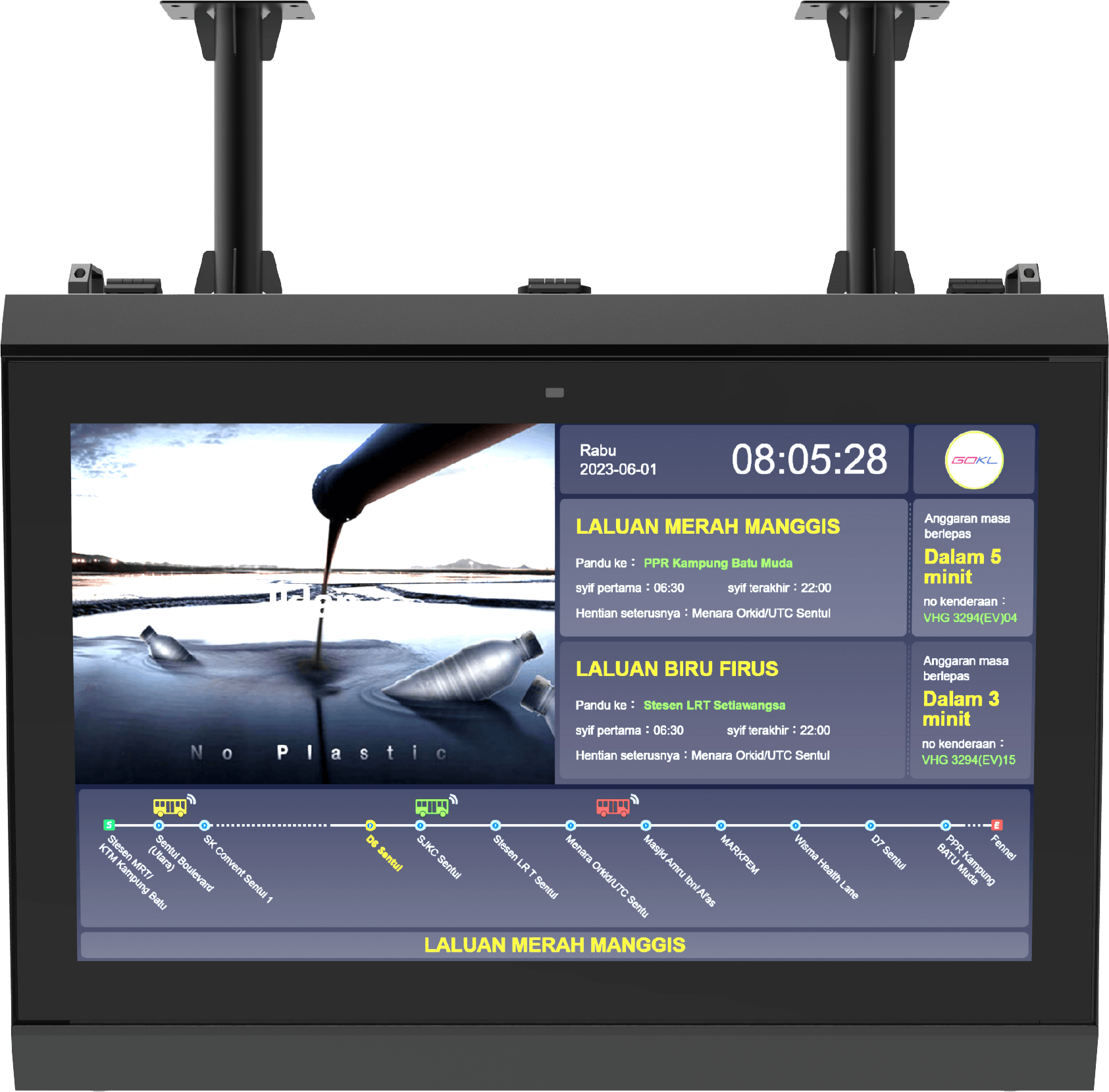
Q3: How does the intelligent sanitation system achieve cost reduction and efficiency increase?
A: It needs to be achieved through the collaboration of "software + hardware":
STEP1:Software layerDeploy a comprehensive evaluation system that automatically generates assessment reports using data such as GPS trajectories and operational videos, reducing manual inspection costs. For example, after a certain sanitation enterprise implemented the system, the number of inspection personnel decreased by 40%, and assessment efficiency increased by threefold.
STEP2:Hardware LayerInstall onboard terminals in sanitation vehicles to monitor data such as fuel consumption and operation duration in real time, and optimize vehicle utilization rates by combining with intelligent scheduling functions. For example, one project reduced vehicle idle time by 25% and saved over RMB 800,000 in annual fuel costs through this solution.
STEP3:ManagementBy integrating personnel, vehicle, and material data through the ERP system, visual management and control over the entire process are achieved. For example, the system can automatically generate material procurement plans to avoid overstocking or shortages, reducing operational costs by more than 15%.
Reference for full-text summary: Technology Integration Drives the Future of Intelligent Transportation
The transformation of intelligent transportation is not merely a technological upgrade but also a restructuring of management models. Through nearly two decades of in-depth industry engagement, Xiamen Lenz Communications Co., Ltd. has developed a technological matrix covering three major fields: intelligent transportation, Internet of Vehicles, and intelligent environmental sanitation. Its core value is manifested in three aspects:
STEP1:Technical depthThe independently developed systems, including intelligent scheduling, full-process safety supervision, and MaaS travel integration, have all passed the certification of national high-tech enterprises, with technical indicators reaching industry-leading levels.
STEP2:Scope of scenariosOur products and solutions have been implemented in over 400 cities globally, serving leading clients such as Xiamen Bus, Chengdu Bus, and FAW Jiefang. We have also collaborated with companies like Huawei and Yutong to expand into overseas markets, covering over 40 countries including Thailand, South Africa, and Saudi Arabia.
STEP3:Ecological synergyBy connecting with third-party platforms through open API interfaces, a complete ecosystem of "hardware + software + services" is constructed, helping customers achieve a leap from single equipment procurement to full-process digital management.
In the future, with the further integration of technologies such as 5G, AI, and big data, intelligent transportation will evolve towards "full-scenario perception, whole-chain collaboration, and comprehensive user services." Lenz Communication will continue to be driven by technological innovation, providing more efficient, safer, and smarter solutions for the global transportation industry to facilitate high-quality urban transportation development. For more information, please visit our official website:www.xmlenzintl.com