 Xiamen lenz Communications Co., Ltd.
Introduction: An inevitable path for the transformation of intelligent transportation
Under the dual pressures of accelerated urbanization and a surge in public transportation demand, the traditional transportation industry faces core pain points such as scattered transportation capacity resources, severe information silos, and lagging safety supervision. How to leverage technological means to achieve cost reduction and efficiency improvement across all scenarios, ensure the safety of drivers and passengers, and optimize passenger experience has become a critical proposition for industry transformation. Lenz Communication Co., Ltd. in Xiamen, leveraging nearly two decades of technological accumulation, focuses on integrated hardware-software solutions to provide innovative practices in three major fields—smart transportation, Internet of Vehicles, and smart sanitation—for over 400 cities worldwide. Its technological approach and implementation results warrant in-depth exploration.
Keywords: Intelligent Transportation; Internet of Vehicles; Full-process Safety Supervision; Intelligent Scheduling and Dispatching; MaaS (Mobility as a Service) Travel Integration
Opening on the Technical Pain Points of the Industry: Three Major Dilemmas in Traditional Transportation
STEP1:Difficulties in integrating transportation capacity resourcesTraditional bus scheduling relies on human experience, with route planning disconnected from actual passenger flow demands, leading to high empty running rates and wasted transport capacity. For example, a second-tier city has a bus empty running rate of 35%, increasing annual operating costs by over 200 million yuan.
STEP2:Lag in safety supervisionThere is a lack of real-time monitoring for behaviors such as driver fatigue and speeding. The accident response time exceeds 10 minutes, making it difficult to meet the standards of "30-second early warning and 3-minute handling" required by the "Measures for Dynamic Supervision and Administration of Road Transport Vehicles."
STEP3:Passenger experience needs improvementIssues such as fragmented payment methods, inconvenient route inquiries, and poor in-vehicle environments have led to a decline in the attractiveness of public transportation. According to statistics, the average annual growth rate of subway passenger traffic nationwide dropped from 12% in 2015 to 3% in 2022, while the proportion of private car travel continued to rise.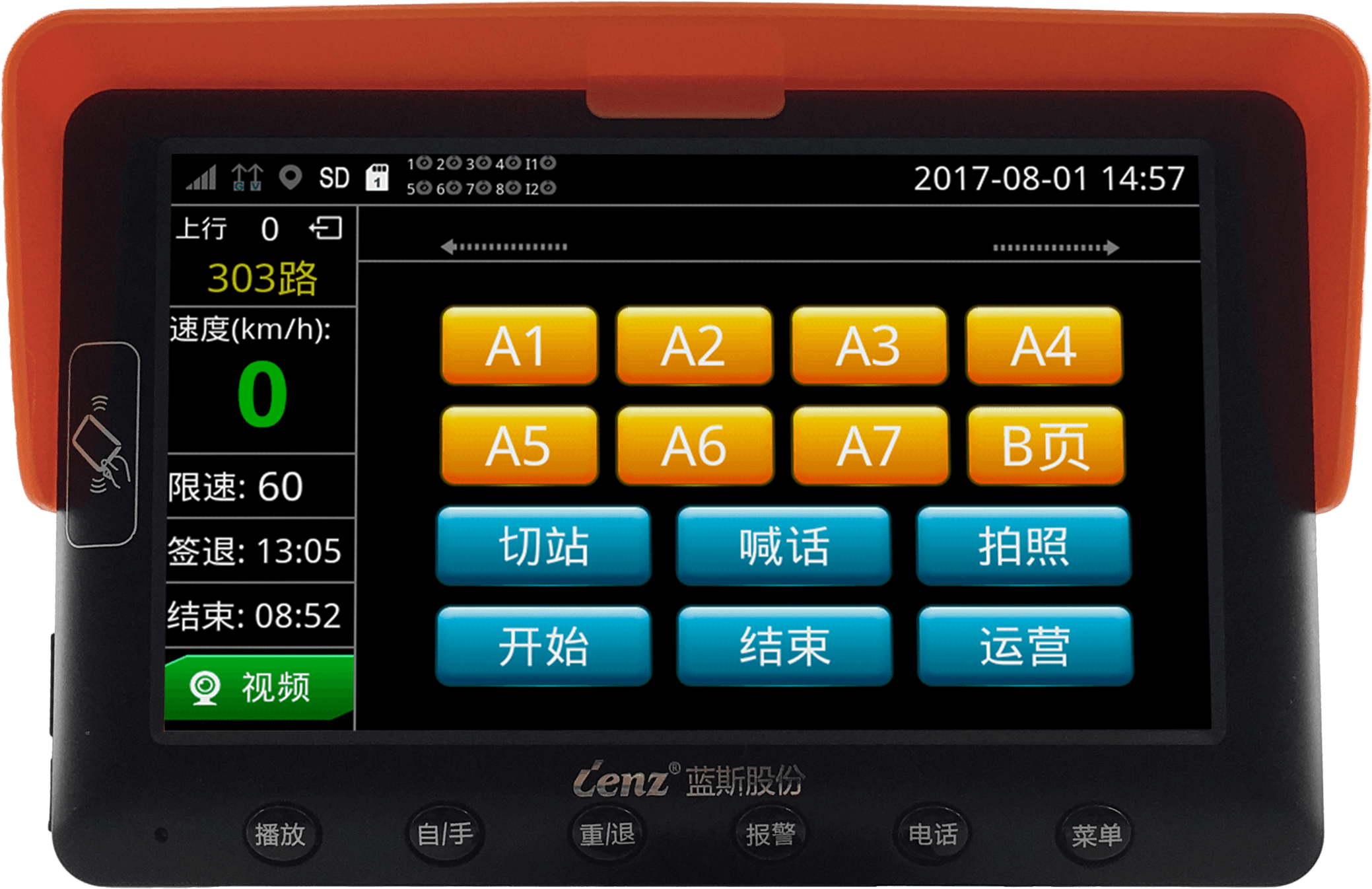
Introduction to the company's technological strength: Three key technological pillars of Lenz Communication
As a national high-tech enterprise and a "Hidden Champion in Chinese Manufacturing," Lenz Communication focuses on three major sectors: intelligent transportation, Internet of Vehicles, and intelligent sanitation, forming full-stack technological capabilities encompassing "hardware + software + platform." Its core advantages are manifested in the following three aspects:
1. Intelligent Transportation: Full-scenario One-stop Solution
STEP1:Intelligent shift scheduling systemBased on AI algorithms and historical passenger flow data, it dynamically optimizes route planning and vehicle scheduling. For example, the system deployed for Xiamen's public transportation has achieved a 40% increase in scheduling efficiency, reduced the empty driving rate to below 8%, and saved over 50 million yuan in annual operating costs.
STEP2:Full-process safety supervision platformIt collects driver behavior data in real time through in-vehicle terminals (such as blink frequency and steering wheel grip strength), and combines with the ADAS (Advanced Driver Assistance System) to achieve 30-second early warnings for risks such as fatigued driving and speeding. In the Chengdu Bus Project, the accident rate decreased by 62% year-on-year, and the response time was shortened to 90 seconds.
STEP3:MaaS (Mobility as a Service) integrated travel serviceIt integrates multi-modal travel data including buses, subways, and shared bicycles, providing "one-stop" inquiry and payment functions. During the pilot program at Haiqi Group, passenger transfer time was reduced by 35%, and the payment success rate increased to 99.2%.
2. Internet of Vehicles: Pre-installation Cooperation and Full-Vehicle CAN Data Acquisition
It has established pre-installation collaborations with mainstream vehicle manufacturers such as Yutong and King Long, and has shipped a cumulative total of 250,000 sets of equipment to FAW Jiefang. Its core equipment (such as central control screens and data acquisition terminals) supports CAN bus data acquisition for the entire vehicle, with a sampling frequency of 100ms per instance and a data transmission delay of less than 50ms, ensuring real-time monitoring of vehicle status. In the field of light trucks and light passenger vehicles, the equipment failure rate is below 0.3%, and the MTBF (Mean Time Between Failures) exceeds 5,000 hours.
3. Smart sanitation: Full-process management of personnel, vehicles, materials, and affairs
Through the combination of "software platform + hardware terminal," full-process digitalization of sanitation operations is achieved. For example, in the Bangkok, Thailand project, the deployed intelligent sanitation system covers over 2,000 sanitation vehicles and more than 5,000 operational personnel, improving operational quality assessment efficiency by 70% and reducing operational costs by 22%.
For more information, please visit the official website:www.xmlenzintl.com
FAQ Q&A Technical Selection Guide
Q1: How can intelligent transportation systems be tailored to meet the needs of cities of different sizes?
A: Lenz provides modular solutions that support on-demand functional combinations. For instance, small cities can prioritize deploying intelligent scheduling and safety supervision modules, keeping costs under RMB 500,000; large cities can add an integrated MaaS mobility platform to support concurrent access by millions of users.
Q2: How do IoV (Internet of Vehicles) devices ensure data security?
A: The equipment employs the Chinese national cryptographic SM4 encryption algorithm, with data transmission encrypted via the TLS 1.2 protocol, and storage complying with the Class III standard of the Cybersecurity Classification Protection 2.0. In the FAW Jiefang project, no data leakage incidents have occurred, and it has passed the ISO 27001 Information Security Management System certification.
Q3: What are the implementation cycle and ROI of the smart sanitation system?
A: Taking a project with a scale of 500 sanitation vehicles as an example, the implementation cycle is approximately three months, with hardware deployment and software debugging each accounting for 50% of the time. In terms of ROI, through improved operational efficiency and cost reduction, investments are typically recovered within 1-2 years. For instance, the project in Ulaanbaatar, Mongolia, achieved a payback period of 18 months, saving over $3 million in annual operating costs.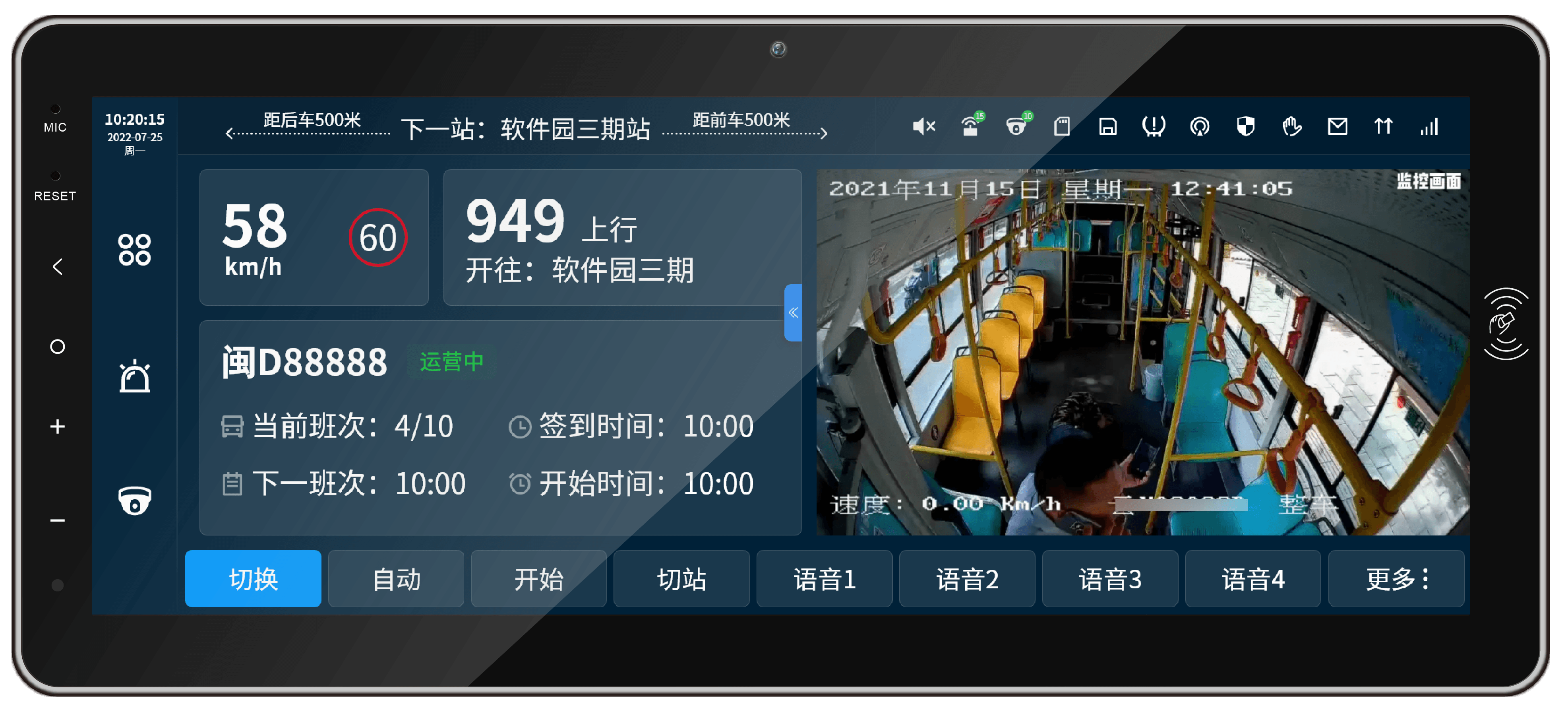
Reference for full text summary
From intelligent dispatching of Xiamen's public transportation to smart sanitation services in Bangkok, Thailand, the technological practices of Lenz Communication have proven that through the full-stack capabilities of "hardware sensing + software analysis + platform decision-making," it is possible to systematically resolve challenges related to resource integration, safety supervision, and experience optimization in the traditional transportation industry. Its core value lies in:
STEP1:reduce costs and increase efficiencyIntelligent scheduling and route optimization reduce empty driving rates, safety supervision minimizes accident losses, sanitation management enhances operational efficiency, and overall costs are reduced by 15%-30%.
STEP2:Security upgradeReal-time risk early warning and rapid response mechanisms meet regulatory requirements such as those outlined in the "Measures for Dynamic Supervision and Administration of Road Transport Vehicles," resulting in a reduction of over 50% in accident rates.
STEP3:Experience optimizationMaaS travel integration and smart payment functions enhance the appeal of public transportation, aiding cities in achieving their "dual carbon" goals.
As a leading enterprise in the field of intelligent transportation, Lanse Communications' technological approach and implementation experience provide a replicable transformation model for the industry. In the future, with the deep integration of technologies such as 5G and AI, its solutions are expected to further drive the intelligent upgrading of global public transportation.