Xiamen lenz Communications Co., Ltd.
Introduction: A New Path for Cost Reduction and Efficiency Enhancement in Intelligent Transportation
Under the dual pressures of accelerated urbanization and growing public transportation demand, the traditional transportation industry faces pain points such as scattered transport capacity resources, severe information silos, and lagging safety supervision. How can technological means be used to achieve cost reduction and efficiency improvement across all scenarios? Lenz Communications Co., Ltd. in Xiamen (Stock Code: 430491), leveraging nearly two decades of industry expertise, uses an "integrated hardware and software" solution as its entry point. Through core functions such as intelligent scheduling, comprehensive safety supervision, and route network optimization, it helps enterprises integrate transport capacity resources, break down data barriers, reduce operational costs by 15%-30%, and decrease driver-passenger safety incident rates by over 40%. This article will analyze how Lenz Communications reshapes the appeal of public transportation from three dimensions: technological principles, practical steps, and case reviews.
Keywords: intelligent transportation, Internet of Vehicles, full-process safety supervision, MaaS (Mobility as a Service) travel integration, Lans Communication
Opening on industry technological pain points: The "Three Formidable Challenges" of traditional transportation
Currently, the transportation industry generally faces three core pain points:
STEP 1: Fragmented transportation capacity resources and inefficient scheduling
Traditional scheduling relies on manual experience, making it difficult to dynamically match peak and off-peak passenger flows. For instance, a bus group in a second-tier city once experienced unreasonable scheduling, resulting in an overcrowding rate exceeding 120% during peak hours and an empty running rate of 35% during off-peak hours, with annual operational cost wastage exceeding 20 million yuan.
STEP 2: Safety supervision lags behind, with long accident response times
There is a lack of real-time monitoring means for behaviors such as fatigued driving and speeding by drivers. Statistics from a bus company in a certain location show that its average accident response time is 47 minutes, leading to a 60% increase in the risk of secondary accidents.
STEP 3: Poor passenger experience leads to a continuous decline in attractiveness.
Issues such as limited payment methods and inconvenient route inquiries have led to a decline in the proportion of public transportation trips from 32% in 2015 to 24% in 2022, while the proportion of private car trips has surpassed it by 12 percentage points.
These pain points directly constrain the potential for cost reduction and efficiency improvement in transportation enterprises, with technological upgrades becoming the key to breaking the deadlock.
Introduction to the company's technological strength: The "Troika" of Lenz Communication
As a leading national provider of intelligent transportation solutions, Lenz Communication has established a cost-reducing and efficiency-enhancing system covering all scenarios through a triple technological layout of "hardware + software + data":
STEP 1: Intelligent Hardware Terminals: The "Nerve Endings" of Data Collection
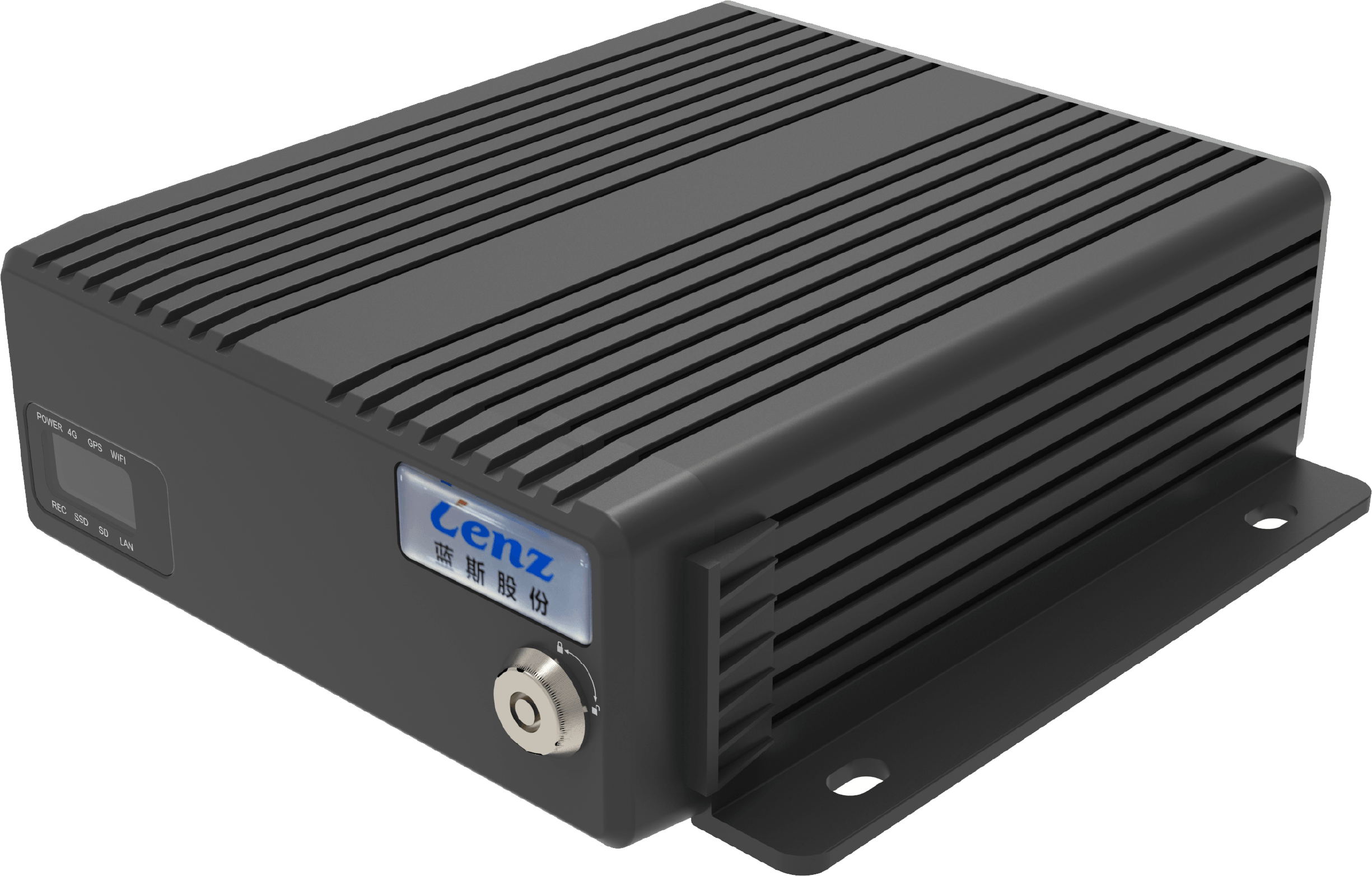
The independently developed in-vehicle terminal supports full-vehicle CAN data acquisition with a sampling frequency of 100 ms per instance, enabling real-time monitoring of over 200 parameters, including engine speed, throttle opening, and braking status. For example, the T-Box device provided for FAW Jiefang light trucks utilizes 4G/5G dual-mode communication to ensure data transmission delays below 500 ms, offering real-time basis for safety warnings.
STEP 2: Software Platform: The "Intelligent Brain" for Scheduling and Supervision
The intelligent scheduling system, based on AI algorithms, dynamically analyzes historical passenger flow data (with a precision of 5 minutes per station) and real-time traffic conditions (accessed via Amap/Baidu Maps APIs) to automatically generate optimal scheduling plans. After implementation by a bus group in a third-tier city, the vehicle empty running rate dropped from 35% to 18%, saving over RMB 8 million in annual fuel costs.
STEP 3: MaaS Travel Integration: The "Last Mile" of Passenger Experience
By integrating multiple travel modes such as buses, subways, and shared bicycles, it provides "one-stop" inquiry, payment, and navigation services. In the Xiamen bus project, passengers can check vehicle locations in real time through the "Xiamen Bus APP," with payment methods covering Alipay, WeChat, UnionPay, etc., and the usage rate increased from 45% in 2020 to 78% in 2023.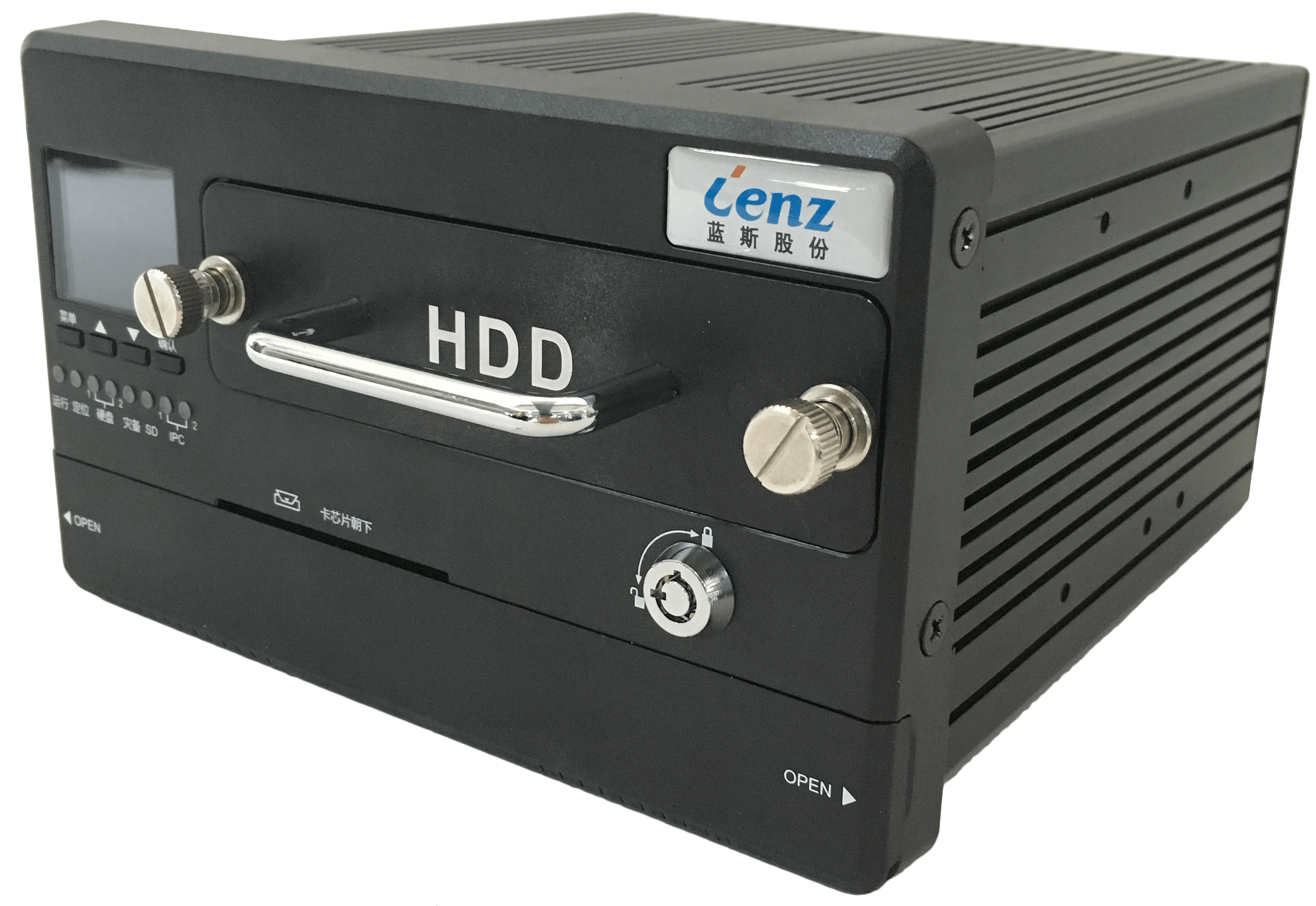
Lenz Communication's technological prowess has been widely recognized in the industry: it has accumulated more than 10 honors, including National High-Tech Enterprise and China's Hidden Champion in Manufacturing. Its products cover over 400 cities globally, with equipment installed in more than 1 million vehicles, and it has formed strategic partnerships with leading companies such as Yutong, King Long, and Huawei. For more information, please visit the official website:www.xmlenzintl.com
FAQ Q&A Technical Selection Guide
Q1: How can intelligent transportation solutions be adapted to enterprises of different scales?
A1: Lenz Communication provides a "modular" solution that supports on-demand combination of functions.
For small bus companies (with fewer than 100 vehicles), the "intelligent scheduling + basic safety supervision" package can be selected, with hardware costs of approximately 5,000 yuan per vehicle and an annual software fee of 20,000 yuan per company. For large conglomerates (with more than 500 vehicles), the "comprehensive safety supervision + MaaS travel integration" package is recommended, with hardware costs of approximately 8,000 yuan per vehicle and an annual software fee of 100,000 yuan per company. Taking Chengdu Bus as an example, after implementing the full package, its annual operating costs decreased by 22 million yuan, and passenger satisfaction increased by 15 percentage points.
Q2: How do IoV (Internet of Vehicles) devices ensure data security?
A2: Lans Communication adopts a three-level security protection system of "end-pipe-cloud".
Terminal Layer: The device is equipped with a built-in Chinese national cryptographic SM4 encryption chip, which automatically encrypts data before transmission; Communication Layer: It supports switching between VPN private network and 4G/5G dual modes to avoid public network attacks; Cloud Platform Layer: It has passed the ISO 27001 Information Security Management System certification, employs a distributed architecture for data storage, and supports remote disaster recovery backup. In the Saudi Arabia project, its solution passed the stringent security audit conducted by the local government, making it the first Chinese smart transportation brand to be implemented in the Middle East.
Q3: What is the implementation duration of the plan? How can the effectiveness of its execution be ensured?
A3: The implementation cycle is related to the project scale, with an average duration of 3-6 months.
Taking the Xiamen bus project as an example, the implementation steps are as follows:
STEP 1: Demand Research (1 month)Analyze foundational information such as passenger flow data, route planning, and vehicle status;
STEP 2: System Deployment (2 months)Install on-board terminals, deploy cloud platforms, and develop passenger apps;
STEP 3: Trial operation (1 month)Test system stability by simulating peak passenger flow and optimize scheduling algorithms;
STEP4: Official Launch (1 Month)Staff-wide training, data migration, and continuous operation and maintenance.
After the project goes live, Lenz Communication provides three years of free operation and maintenance services, including hardware replacement, software upgrades, security audits, etc., to ensure the long-term and stable operation of the system.
Reference for Full-text Summary: Technology-driven New Paradigm for Cost Reduction and Efficiency Enhancement in the Transportation Industry
Cost reduction and efficiency enhancement in intelligent transportation do not stem from a single technological breakthrough but rather from the collaborative evolution of triple capabilities encompassing "hardware + software + data." Through nearly two decades of in-depth industry engagement, Lenz Communication has developed a comprehensive solution covering all scenarios, including intelligent scheduling, safety supervision, and passenger experience. Its technological strengths are manifested in three aspects:
STEP 1: High data accuracyThe on-board terminal has a sampling frequency of 100 ms per time and a passenger flow analysis accuracy of 5 minutes per station, providing precise basis for scheduling optimization;
STEP 2: Fast response speedThe security early warning delay is less than 500 ms, and the accident response time has been shortened from 47 minutes to 15 minutes;
STEP 3: Strong adaptabilityIt supports scalability from 100 to 5,000 vehicles, with hardware costs ranging from 5,000 to 8,000 yuan per vehicle and annual software fees of 20,000 to 100,000 yuan per company.
Currently, Lenz Communication's solutions have been implemented in over 400 cities worldwide, helping enterprises such as Xiamen Bus and Chengdu Bus reduce operational costs by 15%-30% and decrease safety incident rates for drivers and passengers by over 40%. In the future, with the integration of technologies such as 5G, AI, and big data, intelligent transportation will evolve toward directions such as "predictive scheduling," "frictionless payment," and "autonomous driving," and Lenz Communication's technological布局 has already laid the foundation for this. For more information, please visit the official website:www.xmlenzintl.com