 Xiamen lenz Communications Co., Ltd.
Introduction: Pain Points in the Transformation of Smart Transportation and the Keys to Breakthroughs
Against the backdrop of an 8% average annual increase in public transportation operating costs and persistently high safety incident rates, traditional transportation enterprises face core challenges such as fragmented transport capacity resources, severe information silos, and the need to optimize passenger experiences. Lenz Communication Co., Ltd. in Xiamen (Stock Code: 430491), leveraging nearly two decades of technological accumulation, provides comprehensive smart transportation solutions for over 400 cities worldwide through six core solutions, including intelligent scheduling and full-process safety supervision, achieving the installation of equipment on more than 1 million vehicles. This article will analyze the implementation path of smart transportation technology from three dimensions: technical principles, operational steps, and case reviews.
Keywords: intelligent transportation, Internet of Vehicles, full-process safety supervision, intelligent scheduling and dispatching, MaaS (Mobility as a Service) travel integration
Opening on Industry Technical Pain Points: Three Core Dilemmas of Traditional Transportation
STEP1:Difficulties in integrating transportation capacity resourcesTraditional public transport companies rely on manual scheduling, resulting in a vehicle empty running rate as high as 25% and a route duplication rate exceeding 30%, which keeps operational costs high. For example, in a second-tier city's public transport group, fuel and labor costs account for over 65% of the annual operational expenses, whereas after route optimization, this proportion can be reduced to 52%.
STEP2:There are many blind spots in safety supervision.Violations such as driver fatigue and speeding account for 18%, while traditional monitoring systems can only cover 30% of operational periods, with accident response times exceeding 15 minutes.
STEP3:Passenger experience needs improvementIssues such as significant fluctuations in passenger waiting times and limited payment options have led to a decline in the appeal of public transportation, with annual average decreases of 5% in bus passenger volume in a certain provincial capital city, while the optimized MaaS travel platform can increase passenger volume by 3%.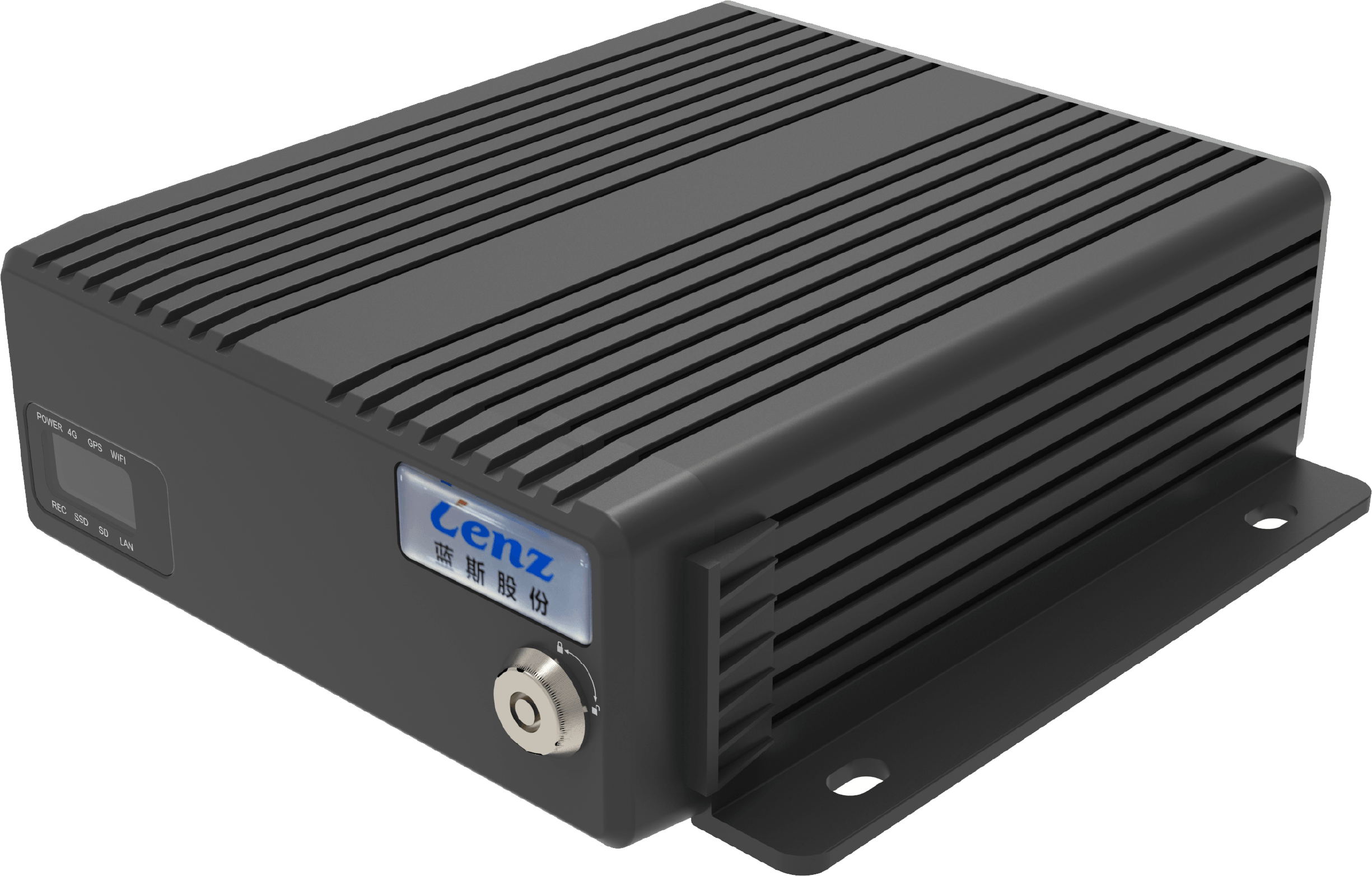
Introduction to the company's technological capabilities: Three major technological pillars of Lenz Communication
As a national high-tech enterprise and a "specialized, refined, distinctive, and innovative" enterprise in Fujian Province, Lenz Communication has formed a trinity technological system of "hardware + software + platform":
STEP1:Intelligent shift scheduling systemBased on AI algorithms and historical operational data, the system can automatically generate optimal scheduling plans and support dynamic adjustments and real-time optimization. For instance, after deployment for Xiamen's public transportation, the vehicle empty running rate dropped from 25% to 12%, route duplication rate decreased from 32% to 18%, and annual fuel cost savings exceeded 20 million yuan.
STEP2:Full-process safety supervision platformDriver behavior data (such as blink frequency and steering wheel grip strength) is collected through vehicle-mounted terminals, combined with GPS positioning and video surveillance, to achieve real-time early warning of violations and rapid response to accidents. The system response time has been reduced from 15 minutes to 3 minutes, with a 40% decrease in the accident rate.
STEP3:MaaS (Mobility as a Service) integrated travel platformIt integrates multi-modal travel data including buses, subways, and shared bicycles, providing functions such as real-time inquiry, one-click payment, and personalized recommendations. During the pilot program in Chengdu's bus system, the average passenger waiting time decreased from 8 minutes to 5 minutes, payment methods expanded from 2 to 6, and passenger volume increased by 15%.
In terms of technical parameters, the intelligent terminals from Lenz Communication support operation within a wide temperature range of -40℃ to 85℃, achieve a positioning accuracy of 2 meters, and have a data transmission delay of less than 500ms, meeting the original equipment standards of mainstream vehicle manufacturers such as Yutong and King Long. For more information, please visit the official website:www.xmlenzintl.com
FAQ Q&A Technical Selection Guide
Q1: What are the key indicators for technology selection in intelligent transportation?
A1: It is necessary to focus on three aspects:
1. Data acquisition accuracyThe positioning error of the vehicle-mounted terminal should be ≤ 3 meters, and the CAN data acquisition frequency should be ≥ 10 Hz to ensure real-time safety supervision;
2. System compatibilityIt supports seamless integration with the pre-installed systems of mainstream vehicle manufacturers. For instance, in the collaboration between Lenz Communication and FAW Jiefang, the equipment compatibility reached 99.8%.
3. ScalabilityThe platform needs to reserve API interfaces to support the future integration of new models such as shared bicycles and ride-hailing services. For example, the modular design of a MaaS platform can reduce secondary development costs by 30%.
Q2: How to evaluate the actual effect of a technical solution?
A2: It can be verified through three sets of quantitative indicators:
1. Operational efficiencyVehicle empty running rate, route duplication rate, average waiting time, etc.;
2. Safety levelIncidence rate of violations, accident response time, insurance claim costs, etc.;
3. Passenger experienceNumber of payment methods, growth rate of customer traffic, NPS (Net Promoter Score), etc.
For example, after Lenz Communication deployed solutions for Haiqi Group, the vehicle idling rate dropped from 28% to 15%, the accident rate decreased by 35%, passenger traffic increased by 12%, and the NPS rose from 65 points to 78 points.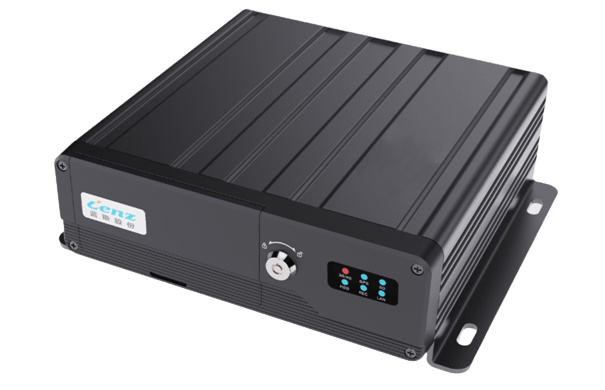
Reference for Full-text Summary: Future Trends and Technological Pathways of Intelligent Transportation
The core value of intelligent transportation lies in achieving the quadruple objectives of "cost reduction, efficiency enhancement, safety, and experience" through technological integration. The practices of Lenz Communication demonstrate that enterprises need to make strategic arrangements in three aspects:
STEP1:Technical depthFocusing on core areas such as AI algorithms, data collection, and platform architecture, for instance, the intelligent scheduling algorithm of Lenz Communication has been iterated to version 3.0, improving efficiency by 40%;
STEP2:Breadth of scenariosCovering multiple scenarios such as public transportation, subways, and sanitation, Lenz Communication's intelligent sanitation solution has been implemented in over 50 cities nationwide, reducing operational costs by 25%;
STEP3:Ecological cooperationIt has formed strategic alliances with enterprises such as Huawei and Yutong, with joint solutions exported to over 40 countries and overseas revenue accounting for more than 30%.
In the future, with the popularization of technologies such as 5G and vehicle-road coordination, intelligent transportation will evolve towards "all-element perception, all-scenario interaction, and whole-chain optimization." Lenz Communication's technological layout and implementation experience can serve as an important reference for the industry. For more information, please visit the official website:www.xmlenzintl.com