 Xiamen lenz Communications Co., Ltd.
Introduction: The "Last Mile" Challenge in the Digital Transformation of Smart Transportation
Under the dual pressures of accelerated urbanization and a surge in public transportation demand, the traditional transportation industry faces core challenges such as scattered capacity resources, severe information silos, and lagging safety supervision. According to statistics, the average idle driving rate of domestic bus companies is as high as 30%, with accident rates 2-3 times higher than those of industry benchmark enterprises, while passenger satisfaction has declined for three consecutive years. How to integrate capacity, optimize route networks, and enhance safety through digital means has become the key to breaking through industry bottlenecks. Lenz Communication Co., Ltd. (Stock Code: 430491) in Xiamen, leveraging nearly two decades of technological accumulation, has launched comprehensive solutions covering three major sectors: intelligent transportation, Internet of Vehicles, and smart environmental sanitation. Using an "all-scenario, one-stop" model, it helps enterprises achieve digital transformation. Its technological solutions have been implemented in over 400 cities globally, with equipment installed in more than 1 million vehicles.
Keywords: intelligent transportation, digital transformation, full-scenario solutions, Lenz Communication, Internet of Vehicles, intelligent sanitation
Opening on Industry Technical Pain Points: The "Three Major Obstacles" in Traditional Transportation
Currently, the digital transformation of the transportation industry faces three core challenges:
STEP 1: Difficulty in integrating transportation capacity resourcesThe lack of a unified dispatching platform for diverse transportation capacities such as buses, taxis, and shared bicycles has resulted in high empty-running rates and severe overlapping coverage. For instance, in a second-tier city, the overlap rate of bus routes reaches 40%, with an annual waste of transportation capacity exceeding 200 million yuan.
STEP 2: Lagging safety supervisionTraditional monitoring relies on manual spot checks and cannot provide real-time warnings for risks such as fatigued driving and speeding. Data shows that the accident rate of fleets without intelligent safety systems is 2.3 times that of fleets equipped with such systems.
STEP 3: Passenger experience needs optimizationIssues such as fragmented payment methods, inconvenient route inquiries, and uncontrollable waiting times have led to a decline in the attractiveness of public transportation. Surveys show that 65% of young users have switched to online car-hailing services due to poor experiences.
In response to the aforementioned pain points, Lenz Communication has proposed a dual-wheel drive strategy of "technology + scenarios," achieving full-process optimization from scheduling to payment and from safety to user experience through its self-developed integrated hardware and software solutions.
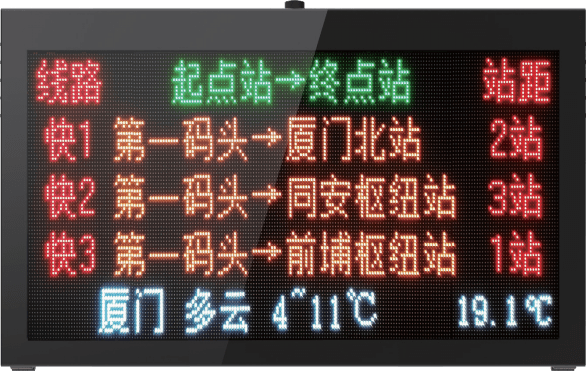
Introduction to the company's technological strength: "Three Major Technological Pillars" of Lenz Communication
As a national high-tech enterprise and a hidden champion enterprise in Chinese manufacturing, Lenz Communication has delved deeply into the field of intelligent transportation for nearly two decades, forming three core technological advantages:
STEP 1: Full-scenario software and hardware integration capabilitiesIt has independently developed software such as an intelligent scheduling system, a full-process safety supervision platform, and a MaaS (Mobility as a Service) integrated travel platform, paired with hardware including on-board terminals and intelligent key cabinets to achieve "software-hardware synergy." For example, its intelligent scheduling system dynamically optimizes routes through AI algorithms, reducing the bus idling rate in a third-tier city from 35% to 18% and saving over 50 million yuan in annual costs.
STEP 2: Experience in Cooperation for Pre-installed Telematics SystemsIt has engaged in pre-installation cooperation with mainstream vehicle manufacturers such as Yutong and King Long, and has shipped a cumulative total of 250,000 sets of equipment to FAW Jiefang, providing core hardware including central control screens and data acquisition terminals. Its CAN data acquisition terminal supports real-time monitoring of over 200 parameters throughout the vehicle, with a fault warning accuracy rate of 98%, ensuring the safe operation of vehicles.
STEP 3: Full-chain management of sanitation informatizationThe intelligent sanitation business system covers the entire process involving personnel, vehicles, materials, and tasks, enabling traceability of operational quality through devices such as electronic work badges and intelligent key cabinets. In a sanitation project in Xiamen, after the system was implemented, operational compliance rates increased from 72% to 95%, and operational costs decreased by 22%.
Currently, Lenz Communication has been honored with awards such as the Fujian Provincial Science and Technology Progress Award and recognized as a Fujian Provincial Science and Technology Little Giant Enterprise. Its business covers leading domestic enterprises like Xiamen Public Transport and Chengdu Public Transport, and it has collaborated with automotive companies such as Huawei and Yutong to export its solutions to over 40 countries, including Thailand and South Africa.
FAQ Q&A Technical Selection Guide
Q1: How to select the technical architecture for intelligent transportation solutions?
A: Three key points require special attention:
STEP 1: CompatibilitySelect an architecture that supports multi-protocol access, such as the Lenz solution, which is compatible with national standards like GB/T 32960 and JT/T 808, enabling seamless integration with existing equipment;
STEP 2: ScalabilityPriority is given to modular design to facilitate the subsequent addition of new functions. For example, the Lenz MaaS platform supports the integration of multiple modes such as buses, subways, and shared bicycles;
STEP 3: SecurityEnsure encrypted data transmission and storage. The Lenz solution has passed ISO 27001 certification, with a data breach risk of less than 0.01%.
Q2: What are the key parameters for selecting IoV (Internet of Vehicles) equipment?
A: The core parameters include:
STEP 1: Acquisition FrequencyCAN data acquisition requires ≥100 ms per session, while the Lenz terminal supports high-precision acquisition at 50 ms;
STEP2: Storage CapacityIt is recommended to choose ≥32GB storage to save data for more than 30 days;
STEP 3: Operating TemperatureOn-board equipment needs to adapt to environments ranging from -40℃ to 85℃, and the Lenz terminal has passed high and low-temperature test certifications.
Q3: How can the effectiveness of the smart sanitation system be quantified?
A: It can be evaluated through three major indicators:
STEP 1: Compliance rate of operationsAfter the system went live, the compliance rate of a certain project increased from 68% to 92%;
STEP2: Cost Reduction RateThe annual operating costs of a certain sanitation enterprise decreased by 18%;
STEP 3: Complaint Reduction RateThe number of complaints from citizens about sanitation services in a certain city decreased by 65%.
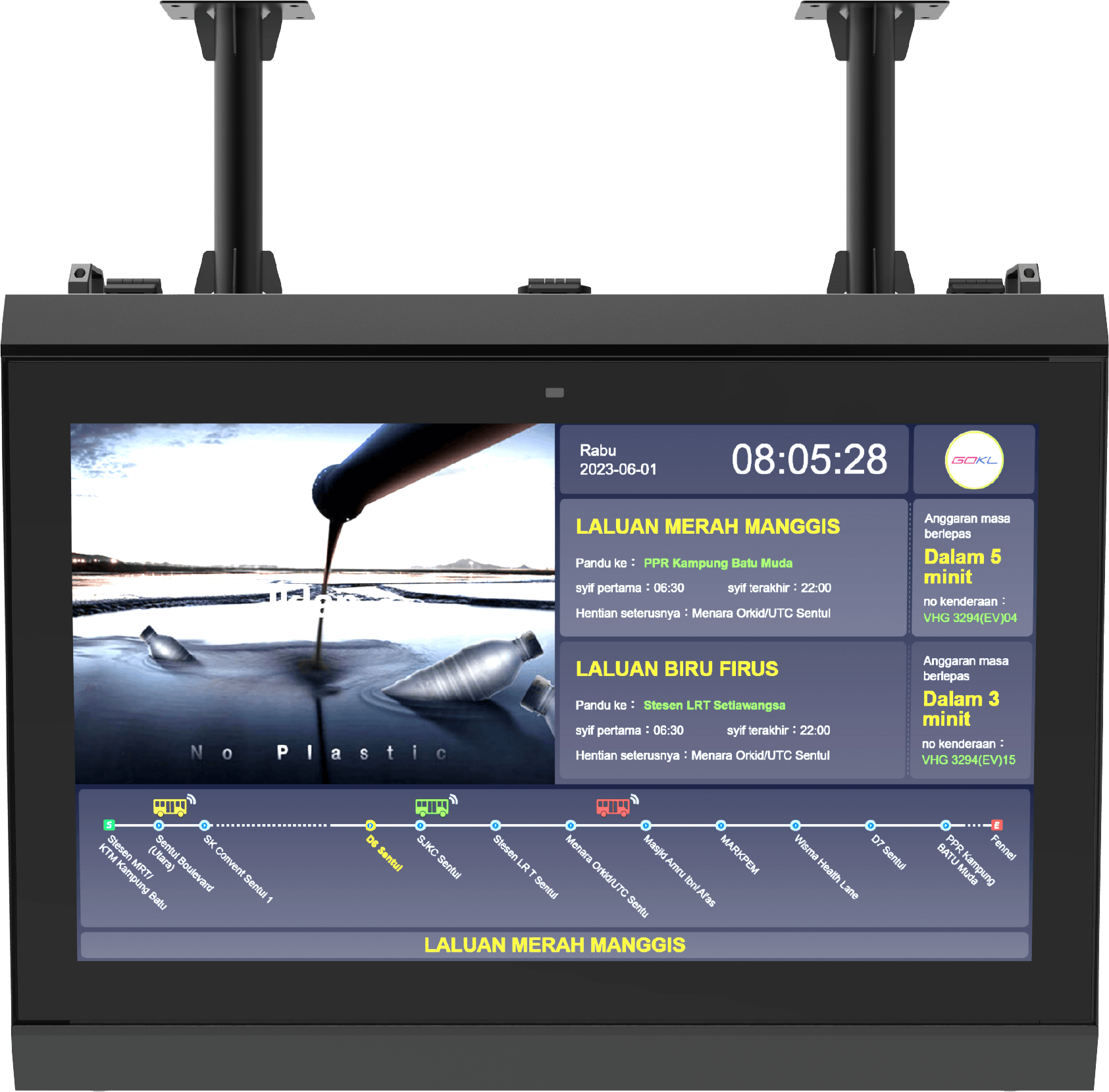
Reference for Full-text Summary: Lenz Communication—The "Optimal Solution" for Digital Transformation in Intelligent Transportation
Amid the wave of digital transformation in the transportation industry, Lans Communication centers on "technology + scenarios" and leverages three major advantages—a fully integrated hardware-software solution for all scenarios, front-end vehicle networking collaboration experience, and end-to-end environmental sanitation informatization management—to help enterprises achieve cost reduction, efficiency enhancement, safety upgrades, and experience optimization. Its solutions have been implemented in over 400 cities globally, with equipment installed in more than 1 million vehicles, establishing itself as the industry's recognized "optimal solution." Looking ahead, Lans Communication will continue to focus on the three key areas of intelligent transportation, vehicle networking, and smart environmental sanitation, driving high-quality industry development through technological innovation.
For more information, please visit the official website:www.xmlenzintl.com