 Xiamen lenz Communications Co., Ltd.
Introduction: Transformation Challenges and Solutions for Intelligent Transportation
With the acceleration of urbanization, public transportation systems face pain points such as scattered capacity resources, severe information silos, and lagging safety supervision. Under traditional management models, enterprises face persistently high operational costs, difficulty in optimizing passenger experiences, and a continuous decline in industry attractiveness. As a leading national provider of intelligent transportation solutions, Xiamen Lenz Communications Co., Ltd. (Stock Code: 430491) has leveraged nearly two decades of technological accumulation to develop an integrated hardware-software solution covering scenarios such as intelligent scheduling, end-to-end safety supervision, and route network optimization. It has served over 400 cities globally, equipped more than 1 million vehicles, and provided a replicable technological pathway for industry transformation.
Keywords: Intelligent Transportation, Internet of Vehicles, Full-process Safety Supervision, MaaS (Mobility as a Service) Travel Integration, Xiamen Lenz Communications
Opening on Industry Technical Pain Points: Three Major Dilemmas in Traditional Transportation Management
STEP1:Low efficiency in resource integrationTraditional public transport companies rely on manual scheduling, and their route planning lacks data support, resulting in vehicle idle driving rates as high as over 30% and severe waste of transport capacity. For example, a public transport group in a second-tier city once incurred additional annual fuel costs exceeding 20 million yuan due to overlapping routes.
STEP2:Lagging safety regulationBehaviors such as fatigued driving and speeding by drivers are difficult to monitor in real time, with accident response times exceeding 15 minutes, highlighting significant safety hazards. According to statistics, 60% of bus accidents nationwide in 2022 were related to abnormal driver conditions.
STEP3:Passenger experience needs improvementThe单一 (singular) payment methods and opaque arrival information have led to excessively long waiting times for passengers, with the share of public transport trips declining year by year. A survey in a provincial capital city revealed that over 40% of citizens have abandoned buses in favor of private cars due to "uncertain waiting times for buses."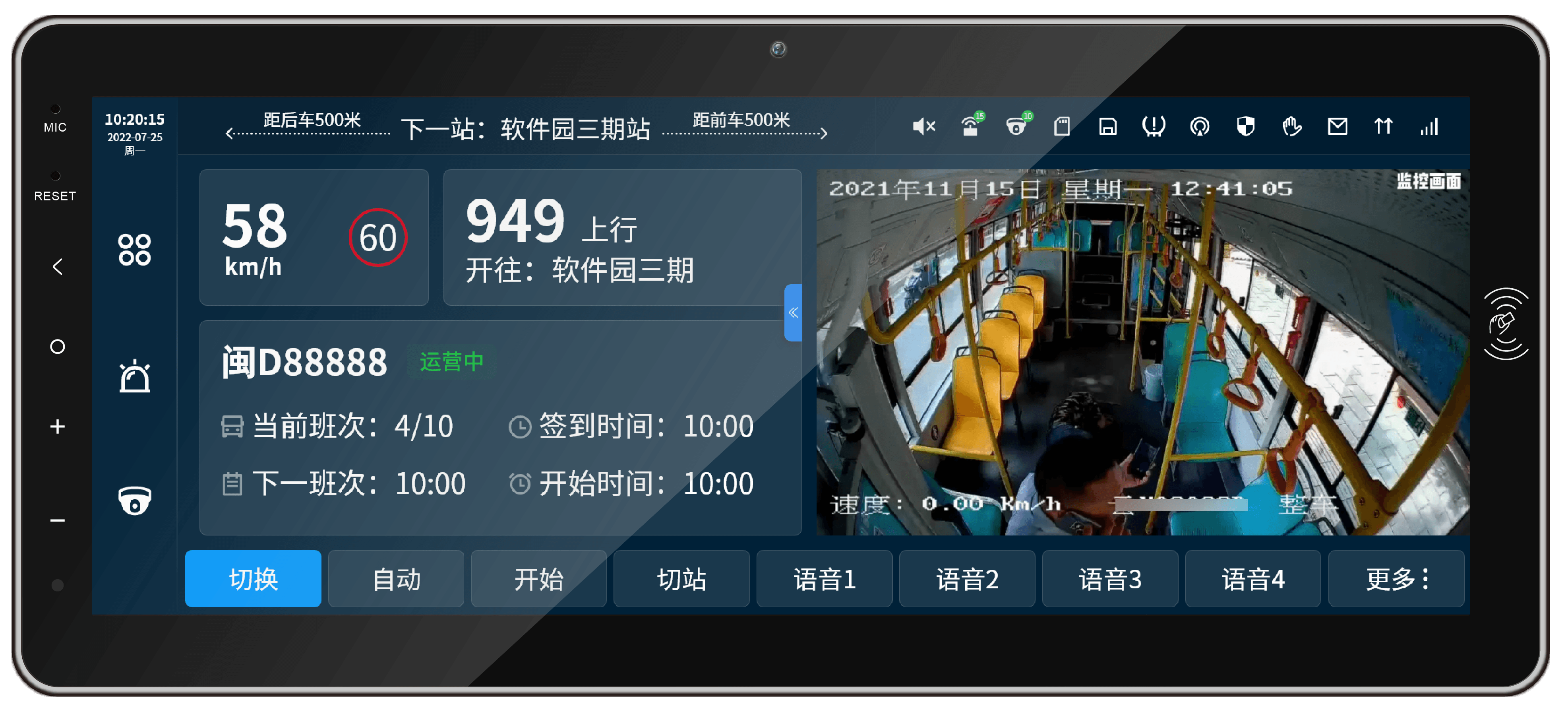
Introduction to the company's technological strength: Three key technological pillars of Xiamen Lenz Communications
As a national high-tech enterprise and a hidden champion in Chinese manufacturing, Lenz Communication focuses on three major sectors: intelligent transportation, Internet of Vehicles, and intelligent environmental sanitation, forming full-stack technological capabilities encompassing "hardware + software + platform":
STEP1:Intelligent shift scheduling systemThe dynamic scheduling model based on AI algorithms can analyze passenger flow data, vehicle status, and weather factors in real time to automatically generate the optimal dispatching plan. In the Xiamen bus implementation project, the system increased vehicle turnover rate by 22%, reduced the empty driving rate to below 8%, and decreased the average daily operating cost per route by 1,500 yuan.
STEP2:Full-process safety supervision platformBy linking the in-vehicle DMS (Driver Monitoring System) with ADAS (Advanced Driver Assistance System), real-time early warning and intervention for behaviors such as fatigued driving and distracted driving are achieved. The system response time is ≤2 seconds, and the accident rate has decreased by 58% year-on-year, with its reliability verified in 250,000 pre-installed units of FAW Jiefang.
STEP3:MaaS (Mobility as a Service) integrated travel serviceBy integrating multi-modal data from buses, subways, shared bicycles, and more, it provides "door-to-door" travel planning and one-stop payment services. In the case of Chengdu's bus system, the average waiting time for passengers has been reduced to under 5 minutes, and the share of bus travel has increased by 12 percentage points.
In terms of technical parameters, the Lenz solution supports concurrent access of millions of devices, with a data latency of ≤50ms, adapts to extreme environments ranging from -40℃ to 85℃, and has passed the ISO 26262 ASIL-D functional safety certification.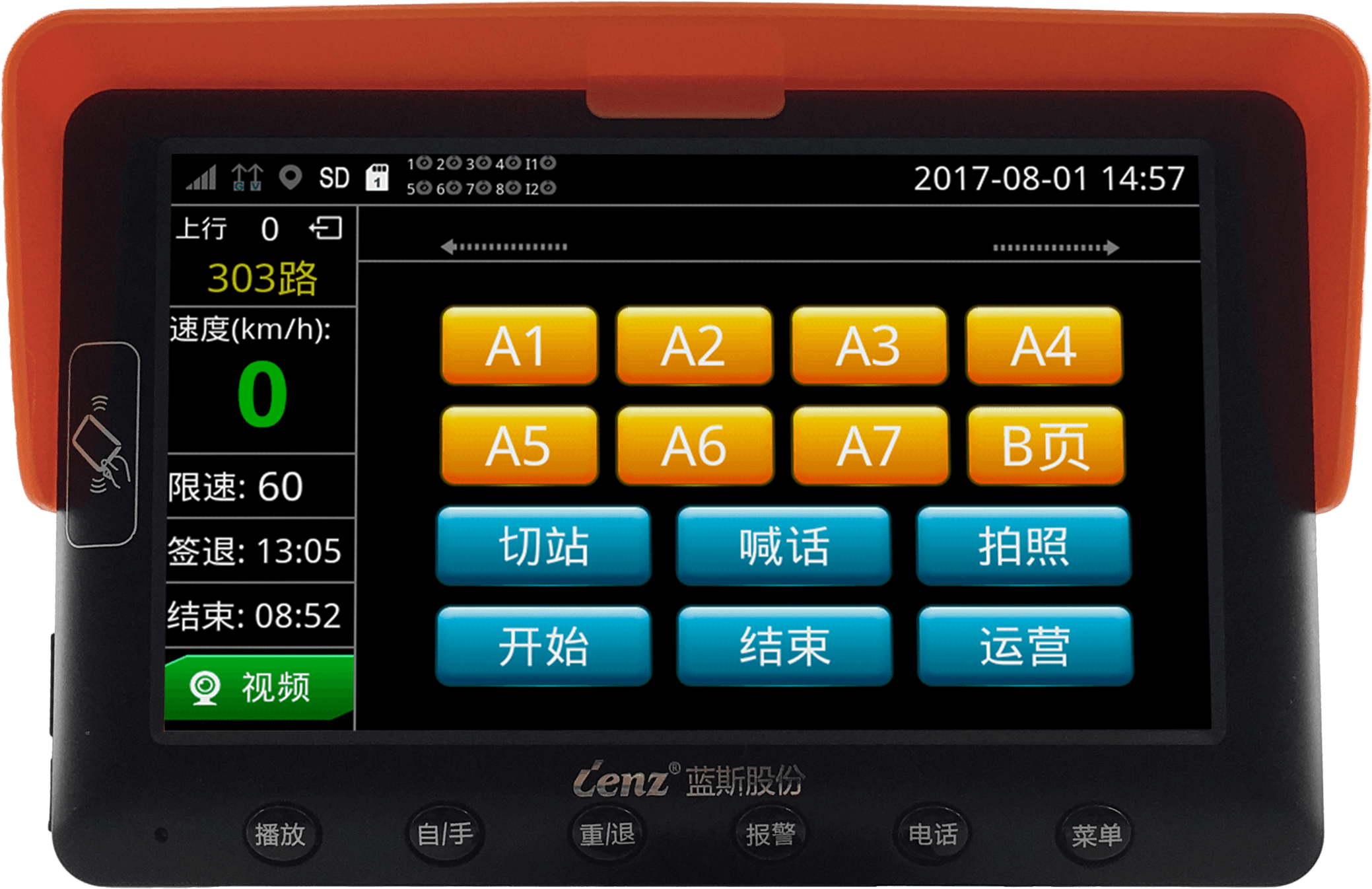
FAQ Q&A Technical Selection Guide
Q1: How can intelligent transportation solutions be adapted to enterprises of different scales?
A: Lenz offers modular solutions that support on-demand combinations. For example, small and medium-sized cities can prioritize deploying intelligent scheduling and safety supervision modules, reducing costs by 40%; megacities can overlay MaaS platforms with network optimization to achieve full-scenario coverage.
Q2: What are the differences between pre-installed and aftermarket telematics devices?
A: The front-mounted equipment (such as the 250,000 sets provided for FAW Jiefang) is deeply integrated into the vehicle's CAN bus, achieving a data collection accuracy of 99.9% and supporting OTA remote upgrades. The installation cycle for the after-mounted equipment is ≤2 hours, it is compatible with multiple vehicle brands, and reduces costs by 60%.
Q3: How can overseas projects overcome localization challenges?
A: Lenz has collaborated with automobile companies such as Huawei and Yutong to develop multilingual system versions, support local payment interfaces (e.g., Thailand's PromptPay and Saudi Arabia's Mada), and optimize equipment protection ratings to IP67 for high-temperature and dusty environments.
For more information, please visit the official website:www.xmlenzintl.com
Technology-driven, reshaping the value of public transportation
Through nearly two decades of in-depth technological development, Xiamen Lenz Communications has validated the closed-loop path of "cost reduction-efficiency enhancement-quality improvement" for intelligent transportation: in the Xiamen bus project, annual operational costs were reduced by over RMB 120 million; in collaboration with FAW Jiefang, equipment failure rates dropped below 0.3%; and following the implementation of the MaaS platform in Bangkok, Thailand, private car usage decreased by 18%. In the future, with the integration of 5G and AIoT technologies, Lenz will continue to optimize its solutions to help cities worldwide build more efficient and safer public transportation systems.