 Xiamen lenz Communications Co., Ltd.
Introduction: Transformation Challenges and Solutions for Intelligent Transportation
With the acceleration of urbanization, public transportation systems face core challenges such as scattered transportation capacity resources, severe information silos, and rising operational costs. Traditional management models struggle to meet the compound demands of real-time scheduling, safety supervision, and passenger experience optimization, making it urgent for the industry to achieve full-scenario digital upgrades through technological integration. Lenz Communication Co., Ltd. in Xiamen, leveraging nearly two decades of industry expertise, has developed a technological matrix covering three key sectors: intelligent transportation, Internet of Vehicles, and smart sanitation, providing quantifiable cost-saving and efficiency-enhancing solutions for over 400 cities worldwide. This article will explore, from three dimensions—technical principles, practical case studies, and parameter analysis—how Lenz Communication reshapes the public transportation ecosystem through integrated hardware-software solutions.
Keywords: intelligent transportation; Internet of Vehicles; full-process safety supervision; Mobility as a Service (MaaS) travel integration; Lenz Communication
Opening on Industry's Technological Pain Points: Three Core Dilemmas in Public Transportation
STEP1:Difficulties in integrating transportation capacity resourcesTraditional public transportation systems rely on manual scheduling, and route planning lacks support from dynamic data, leading to the coexistence of contradictions between insufficient capacity during peak hours and high empty-running rates during off-peak hours. According to statistics, the empty-running rates of public transportation in second- and third-tier cities in China generally exceed 30%, directly driving up operational costs.
STEP2:Lagging safety regulationVehicle condition monitoring, driver behavior analysis, and other processes rely on manual sampling inspections, with accident response times exceeding 15 minutes, making it difficult to achieve proactive risk intervention. An accident investigation conducted by a provincial transportation group in 2022 revealed that 72% of fatigue-driving accidents were caused by delayed monitoring.
STEP3:Passenger experience needs improvementIssues such as fragmented payment methods and opaque arrival information have led to a decline in the appeal of bus travel. Third-party research shows that 35% of potential passengers abandon buses in favor of ride-hailing services due to "uncertain waiting times."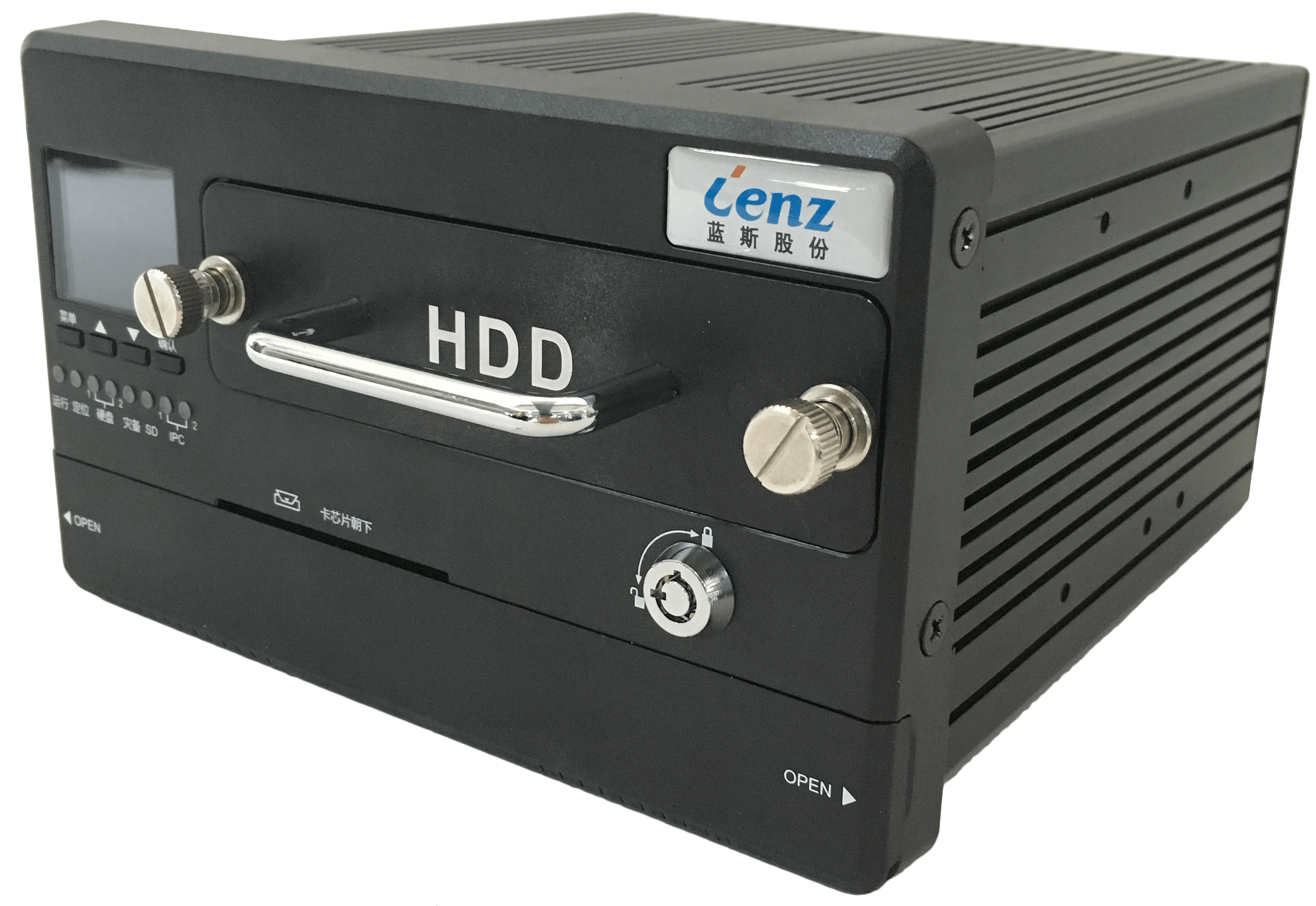
Introduction to the company's technological strength: Three major technological pillars of Lenz Communication
As a national high-tech enterprise and a hidden champion enterprise in China's manufacturing sector, Lenz Communication has established a three-dimensional technological system encompassing "hardware + software + platform," with its core strengths manifested at three levels:
Technology Layout 1: Full-scenario Smart Transportation Solutions
STEP1:Intelligent Shift Scheduling SystemBy integrating GPS positioning, passenger flow counters, and historical operational data, the system can dynamically generate scheduling plans. Taking Xiamen Public Transport Group as an example, after implementation, the route coverage increased by 18%, the average daily mileage per bus decreased by 12%, and the annual fuel cost savings exceeded 20 million yuan.
STEP2:Full-process safety supervision platformEquipped with the ADAS (Advanced Driver Assistance System) and DSM (Driver Status Monitoring), it achieves closed-loop management of risk identification, early warning, and intervention. The system can identify 12 types of dangerous driving behaviors, with response times reduced to within 3 seconds, and has led to a 41% reduction in accident rates in a pilot city.
STEP3:MaaS integrated travel servicesIt integrates multi-modal data from buses, subways, shared bicycles, etc., and provides real-time arrival inquiries, one-click payments, and carbon credit incentives through the "Lenz Xing" app. After its application by Chengdu Bus Group, passenger satisfaction increased from 78% to 92%, with daily active users exceeding 500,000.
Technical Layout 2: Ecosystem of Telematics Pre-installation Cooperation
Established front-end integration cooperation with mainstream vehicle manufacturers such as Yutong and King Long, providing core equipment including central control screens and T-Box data acquisition terminals. The CAN bus acquisition solution customized for FAW Jiefang enables real-time acquisition of 32 parameters such as engine speed, vehicle speed, and tire pressure, with a data transmission delay of less than 50ms, ensuring safe vehicle operation. Over three years, a cumulative total of 250,000 sets have been shipped, covering 12 vehicle types including light trucks and light passenger vehicles.
Technical Layout 3: Intelligent Sanitation Informatization Engine
Through the combination of "software platform + intelligent terminal," comprehensive management of people, vehicles, objects, and events is achieved. The intelligent key cabinet deployed in the Guangzhou sanitation project can record equipment retrieval times and operators, and when combined with GPS trajectory tracking, it has reduced equipment loss rates by 87% and saved over RMB 3 million in annual procurement costs.
For more information, please visit the official website:www.xmlenzintl.com
FAQ Q&A Technical Selection Guide
Q1: How can intelligent transportation systems be tailored to meet the needs of cities of different sizes?
A: Lenz provides modular solutions. Small and medium-sized cities can prioritize the deployment of basic modules for intelligent scheduling and safety supervision, while first-tier cities can add MaaS platform and big data analysis modules. Taking the Haikou public transportation project as an example, it was constructed in three phases, with an initial investment of just 8 million yuan achieving digital coverage of core routes.
Q2: How to ensure the data security of Internet of Vehicles devices?
A: It employs the national cryptographic SM4 encryption algorithm and a dynamic identity authentication mechanism, with data transmission encrypted via the TLS 1.3 protocol. The customized solution for FAW Jiefang has passed the ISO 27001 Information Security Management System certification and can withstand DDoS attacks and data tampering.
Q3: How to evaluate the implementation cycle and ROI of the intelligent sanitation system?
A: The typical project implementation cycle is 3-6 months. Based on a scale of 500 sanitation vehicles, the annual savings in fuel costs are approximately 1.2 million yuan and in equipment depreciation costs are approximately 0.8 million yuan, with an investment payback period of about 1.8 years. The system provides a visual ROI analysis dashboard to track cost savings and efficiency improvement indicators in real time.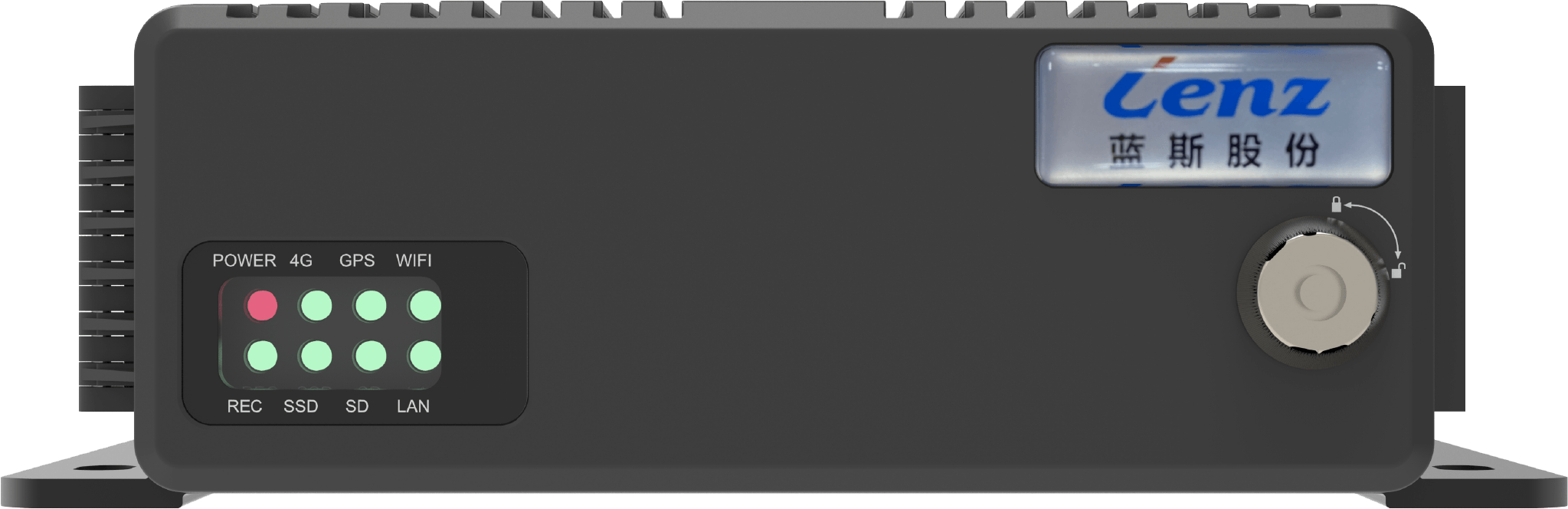
Reference for Full Text Summary: Technological Integration Drives the Reconstruction of Public Transportation Value
Lenz Communication's technological practices demonstrate that cost reduction and efficiency enhancement in intelligent transportation require breaking through the limitations of single scenarios and maximizing value through a three-step approach of "data integration—scenario linkage—ecosystem collaboration." Its solutions have been implemented in over 400 cities globally, with equipment installed on more than 1 million vehicles, validating both technological universality and commercial sustainability. In the future, with the deep integration of 5G and AI technologies, Lenz will continue to optimize real-time scheduling algorithms and risk prediction models, facilitating the transformation of public transportation from "scale expansion" to "quality improvement." For more information, please visit the official website:www.xmlenzintl.com