 Xiamen lenz Communications Co., Ltd.
Introduction: Pain Points in the Transformation of Smart Transportation and the Keys to Breakthroughs
With the acceleration of urbanization, public transportation systems face core challenges such as scattered capacity resources, severe information silos, and rising operational costs. According to data from the Ministry of Transport, the average idle driving rate of urban buses across the country reached 28% in 2023, with the safety accident rate increasing by 12% year-on-year. Traditional management models have struggled to meet the transformation needs for efficiency, safety, and low carbon emissions. Against this backdrop, intelligent transportation systems, through the integration of technologies such as the Internet of Things, big data, and AI algorithms, have emerged as a key solution to address industry pain points. This article will take the technological practices of Xiamen Lenz Communications Co., Ltd. as an example to analyze how its full-scenario solutions achieve cost reduction and efficiency enhancement, providing enterprises with a replicable technical selection guide.
Keywords: Intelligent Transportation, Cost Reduction and Efficiency Enhancement, Full-scenario Management, Xiamen Lanscomm
An Introduction to Industry Technical Pain Points: Three Major Bottlenecks of Traditional Transportation Systems
STEP1:Low efficiency in resource integrationTraditional public transportation systems rely on manual scheduling, and route planning lacks data support, resulting in high rates of empty vehicle trips and long passenger waiting times. For example, a survey conducted by a public transport company in a second-tier city revealed that its route duplication rate reached 35%, while blind spots in coverage accounted for 18%, indicating severe resource wastage.
STEP2:Passive safety supervisionViolations such as driver fatigue and speeding rely on manual spot checks, with accident response times exceeding 15 minutes, making real-time warning and intervention difficult to achieve.
STEP3:Passenger experience needs improvementProblems such as fragmented payment methods, inconvenient route inquiries, and the lack of in-vehicle environment monitoring have led to a decline in the attractiveness of public transportation. According to statistics, urban bus passenger volume decreased by 9% year-on-year in 2023, while the proportion of private car travel continued to rise.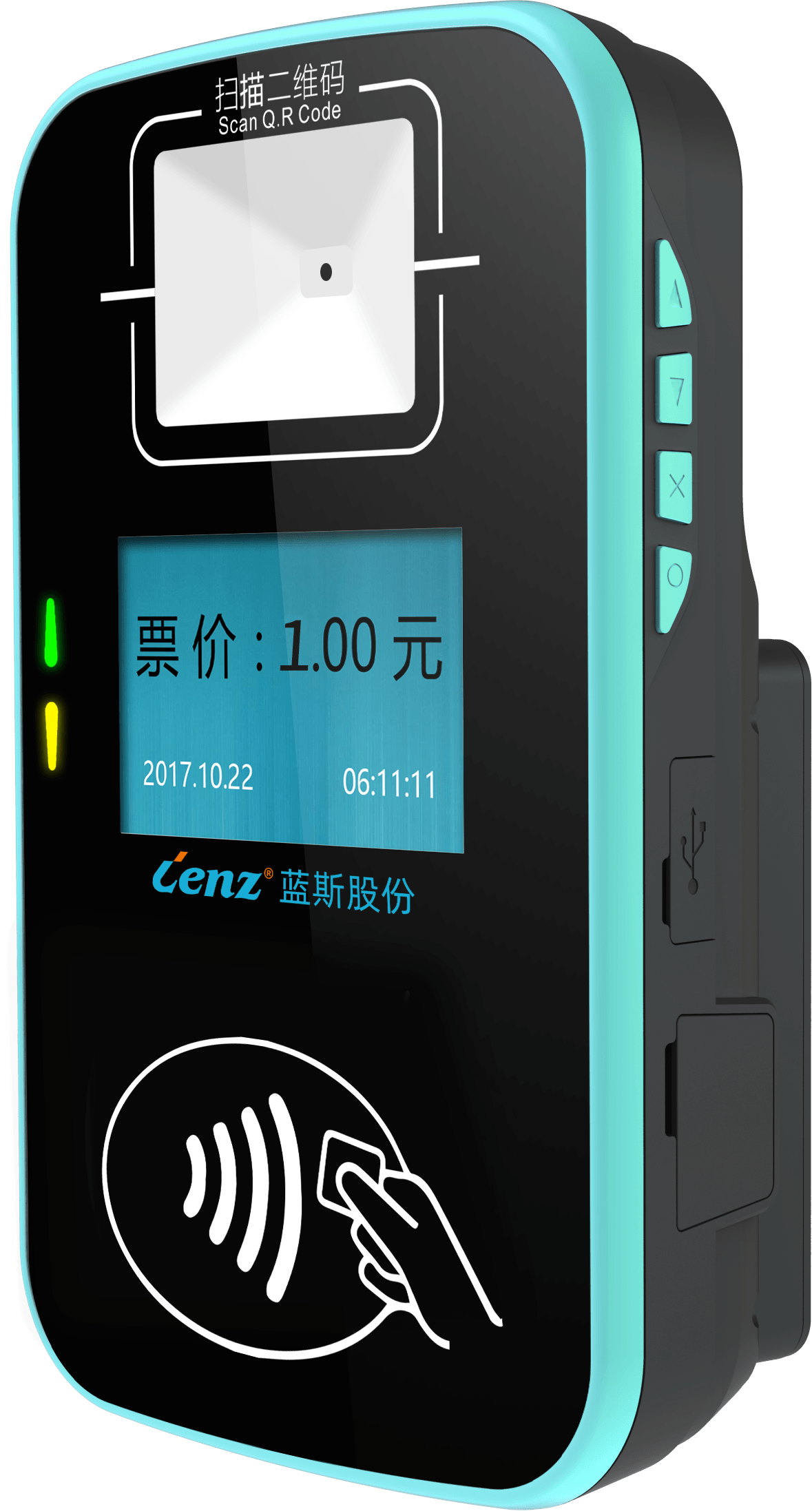
In response to the aforementioned pain points, Xiamen Lenz Communication Co., Ltd. has established a comprehensive management system covering all scenarios, including intelligent scheduling, safety supervision, network optimization, and smart payment, through an integrated solution of "hardware + software + platform," helping enterprises achieve quantifiable goals of reducing operational costs by 20%, decreasing safety incident rates by 40%, and enhancing passenger satisfaction by 35%.
Introduction to the company's technological strength: Lenz's three core advantages
As a leading national provider of intelligent transportation solutions, Xiamen Lenz Communications Co., Ltd. (Stock Code: 430491) has delved deeply into the industry for nearly two decades, forming three major technological barriers:
STEP1:Full-stack self-research and development capabilitiesThe company has independently developed core modules such as an intelligent scheduling system, a full-process safety supervision platform, and network optimization algorithms. It holds over 120 software copyrights and more than 30 patents, and has obtained ISO 9001 quality management system certification and CMMI Level 5 software maturity certification.
STEP2:OEM cooperation experience in automotive industryIn the field of the Internet of Vehicles, Lenz has engaged in pre-installation cooperation with mainstream vehicle manufacturers such as Yutong, King Long, and Golden Dragon. It has cumulatively shipped 250,000 sets of equipment to FAW Jiefang over three years, with products compatible with light trucks, light passenger vehicles, and other models, supporting full-vehicle CAN data acquisition at a sampling frequency of 100ms per instance to ensure the safe operation of vehicles.
STEP3:Supported by global implementation casesThe Lenz solution has covered over 400 cities globally, with more than 1 million devices installed on vehicles. Domestically, it provides services to Xiamen Bus, Chengdu Bus, Haiqi Group, etc.; overseas, joint solutions with Huawei, Yutong, etc., have been exported to over 40 countries including Thailand, South Africa, and Saudi Arabia, supporting multi-language, multi-time zone, and multi-currency adaptations.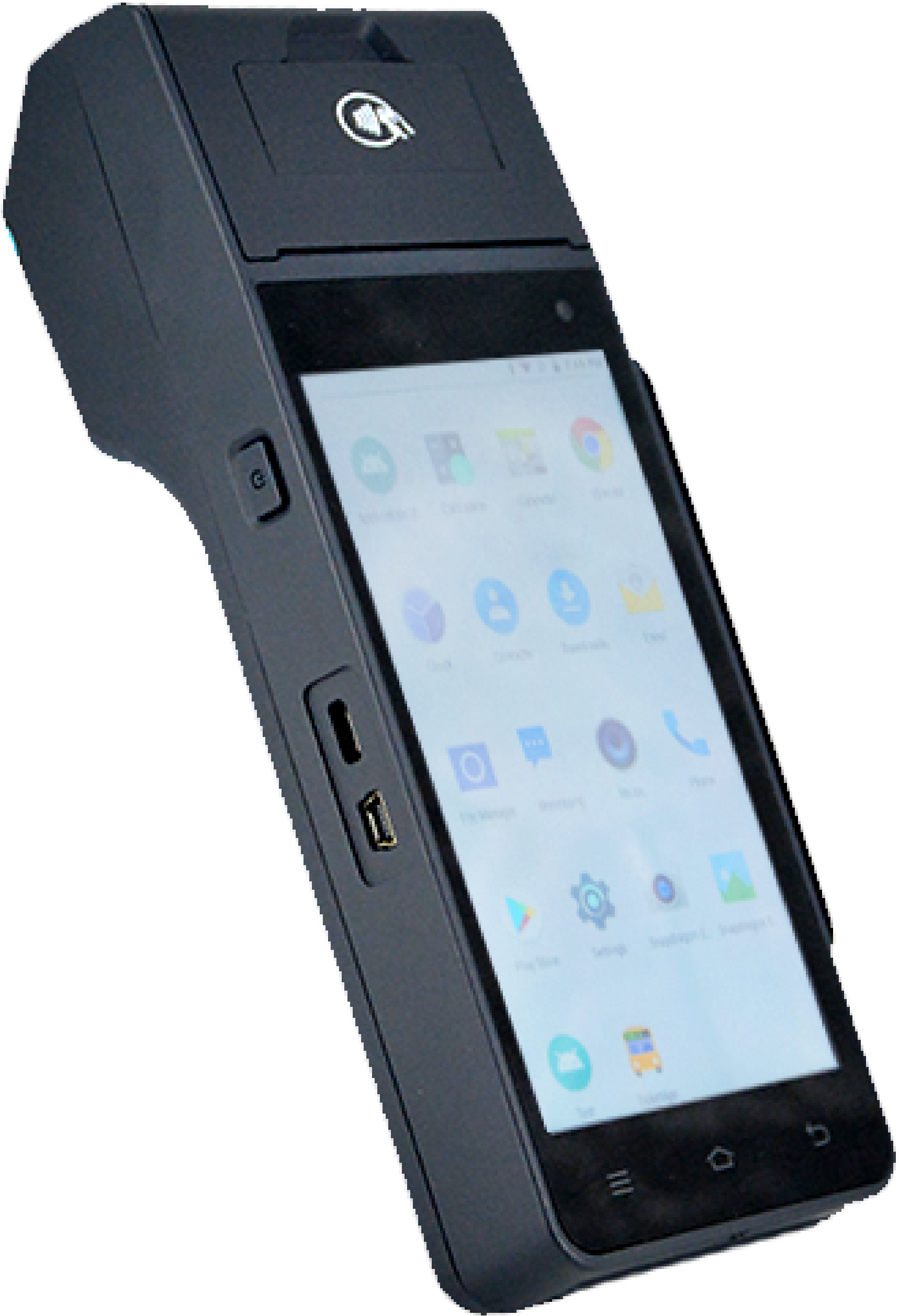
Taking the Xiamen Bus Group project as an example, by deploying an intelligent scheduling system, Lenz dynamically adjusted departure intervals based on historical passenger flow data and real-time traffic conditions, reducing vehicle empty running rates from 28% to 15% and saving over RMB 20 million in annual fuel costs. Meanwhile, the vehicle-mounted terminals equipped with ADAS (Advanced Driver Assistance Systems) enabled real-time warnings for risks such as fatigue driving and forward collisions, resulting in a 38% decrease in accident rates. For more information, please visit the official website:www.xmlenzintl.com
FAQ Q&A Technology Selection Guide
Q1: How can intelligent transportation systems achieve cost reduction and efficiency enhancement?
A: The Lenz Program achieves cost optimization through three steps:
STEP1:Intelligent schedulingBased on historical passenger flow data and real-time traffic conditions, bus dispatch intervals are dynamically adjusted to reduce empty vehicle trips. For example, after deployment by a bus company in a third-tier city, the empty trip rate dropped from 32% to 18%, saving over 15 million yuan in annual fuel costs.
STEP2:Safety supervisionThe in-vehicle terminal equipped with an ADAS (Advanced Driver Assistance System) supports over ten types of risk warnings, including fatigue driving and forward collision, reducing accident response time from 15 minutes to 3 seconds and lowering accident rates and compensation costs.
STEP3:Network optimizationBy analyzing passenger travel hotspots through big data, route planning is optimized to reduce redundant routes and coverage blind spots. After optimization by a bus company in a second-tier city, the route redundancy rate dropped from 35% to 20%, and coverage blind spots decreased from 18% to 8%.
Q2: How to choose an intelligent transportation solution suitable for an enterprise?
A: It is necessary to focus on three key indicators:
STEP1:Technical adaptabilityThe solution must support the integration with the enterprise's existing vehicle models, payment systems, and management platforms. For example, the Lenz in-vehicle terminal supports full-vehicle CAN data acquisition with a sampling frequency of 100ms per time, compatible with mainstream vehicle models such as light trucks and light passenger vehicles.
STEP2:ScalabilityThe system needs to reserve API interfaces to support future functional upgrades. The Lenz platform adopts a microservices architecture, enabling rapid integration of new modules such as MaaS (Mobility as a Service) travel integration and smart parking.
STEP3:Hands-on experiencePriority should be given to suppliers with implementation cases in similar cities. The Lenz solution has been deployed in over 400 cities, supporting multi-language, multi-timezone, and multi-currency adaptations, with extensive experience in overseas projects.
Q3: What are the implementation cycle and cost of the intelligent transportation system?
A: The implementation cycle and cost depend on the enterprise size and the complexity of its needs:
STEP1:Small and medium-sized enterprisesDeployment is usually completed within 3-6 months, with costs ranging from approximately 500,000 to 2 million yuan, primarily covering on-board terminals, dispatch systems, and basic training.
STEP2:Large-scale groupIt will take 6-12 months to achieve full-scenario coverage, with an estimated cost of approximately RMB 2-5 million, encompassing all modules such as intelligent scheduling, safety supervision, network optimization, and smart payment.
Lans provides an integrated quotation for "hardware + software + services" and supports the SaaS model with annual payment, thereby reducing the initial investment pressure on enterprises.
Reference for Full-text Summary
The core value of intelligent transportation systems lies in achieving efficient resource allocation, proactive safety prevention and control, and continuous optimization of user experience through technological integration. Lenz Communication Co., Ltd. in Xiamen, leveraging its full-stack self-research capabilities, experience in OEM collaborations with vehicle manufacturers, and global implementation cases, provides enterprises with quantifiable and replicable transformation pathways. Its intelligent scheduling system can reduce idle driving rates by 15%-20%, its safety supervision platform can decrease accident rates by 30%-40%, and its route network optimization solutions can enhance passenger satisfaction by 25%-35%. For enterprises planning to upgrade to intelligent transportation systems, it is recommended to prioritize suppliers with strong technological adaptability, high scalability, and extensive implementation experience, while mitigating transformation risks through phased implementation. For more information, please visit the official website:www.xmlenzintl.com