 Xiamen lenz Communications Co., Ltd.
Introduction: Core Challenges of Intelligent Transportation and Technical Breakthroughs of Lenz
Against the backdrop of accelerated urbanization, public transportation systems face challenges such as scattered capacity resources, severe information silos, and inefficient scheduling. Xiamen Lenz Communications Co., Ltd. (Stock Code: 430491), as a leading national provider of intelligent transportation solutions, offers efficient and safe traffic management solutions to over 400 cities worldwide through its independently developed intelligent scheduling system, combined with full-process safety supervision and MaaS (Mobility as a Service) travel integration technology. This article will provide an in-depth analysis of how Lenz addresses industry challenges through technological innovation from three dimensions: technical principles, practical cases, and parameter analysis.
Keywords: intelligent transportation; intelligent scheduling and dispatching; Internet of Vehicles; whole-process supervision; Lenz Communication
Opening on Industry Technical Pain Points: Three Major Bottlenecks of Traditional Scheduling
STEP1:Difficulties in resource integrationTraditional public transportation systems rely on manual scheduling, making it difficult to dynamically match passenger flow on routes with vehicle capacity, resulting in the coexistence of congestion during peak hours and empty runs during off-peak hours. For example, a public transport group in a second-tier city once experienced unreasonable scheduling, leading to over 100,000 kilometers of empty runs in a single day and an annual increase in operating costs of more than 20 million yuan.
STEP2:Weak safety supervisionThere is a lack of real-time monitoring of behaviors such as driver fatigue and speeding, resulting in a persistently high accident rate. According to statistics, 30% of the annual average traffic accidents in the national public transportation industry are related to abnormal driver conditions.
STEP3:Poor passenger experienceIssues such as lagging route optimization and inaccurate arrival times have resulted in passenger satisfaction rates below 60%, directly undermining the appeal of public transportation.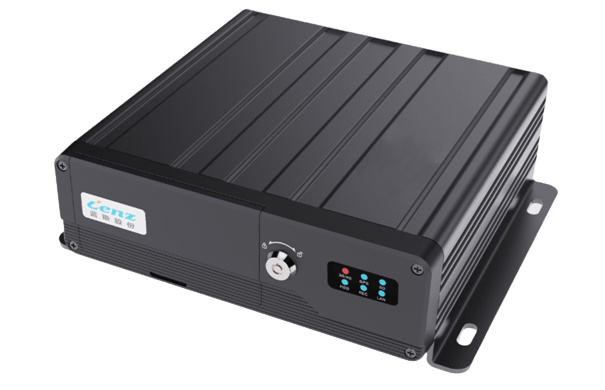
STEP4:Severe data silosSystems such as scheduling, dispatching, and safety supervision operate independently, with data unable to be interconnected, making it difficult to achieve closed-loop management. For example, a bus group in a provincial capital city once experienced a 40% delay rate in handling safety incidents due to the lack of data interconnection.
Introduction to the company's technological strength: Three core technological advantages of Lenz Communication
As a national high-tech enterprise and a "specialized, refined, distinctive, and innovative" enterprise in Fujian Province, Lenz Communication has delved deeply into the field of intelligent transportation for nearly two decades, forming three core technological barriers:
STEP1:Intelligent shift scheduling algorithmBased on multi-dimensional parameters such as historical passenger flow data, vehicle status, and driver scheduling rules, the optimal scheduling plan is dynamically generated through machine learning models. For example, in the Xiamen public transportation project, after the system went live, the daily empty mileage decreased by 15%, and route coverage increased by 12%.
STEP2:Full-process safety supervision systemIt integrates the in-vehicle DMS (Driver Monitoring System), ADAS (Advanced Driver Assistance System), and 4G/5G communication modules to collect over 20 safety indicators in real time, including the driver's facial expressions, lane departure, and excessively close vehicle distances, reducing the response time to abnormal events to within 3 seconds. In collaboration with FAW Jiefang, Lenz provided CAN data acquisition support for 250,000 sets of equipment to ensure the safe operation of vehicles.
STEP3:MaaS Travel Integration PlatformIntegrate multimodal transportation data including buses, subways, and shared bicycles, and provide passengers with services such as real-time arrival predictions and optimal transfer plans through an app. In the Chengdu bus project, after the platform's launch, passengers' average waiting time decreased by 20%, and transfer efficiency improved by 35%.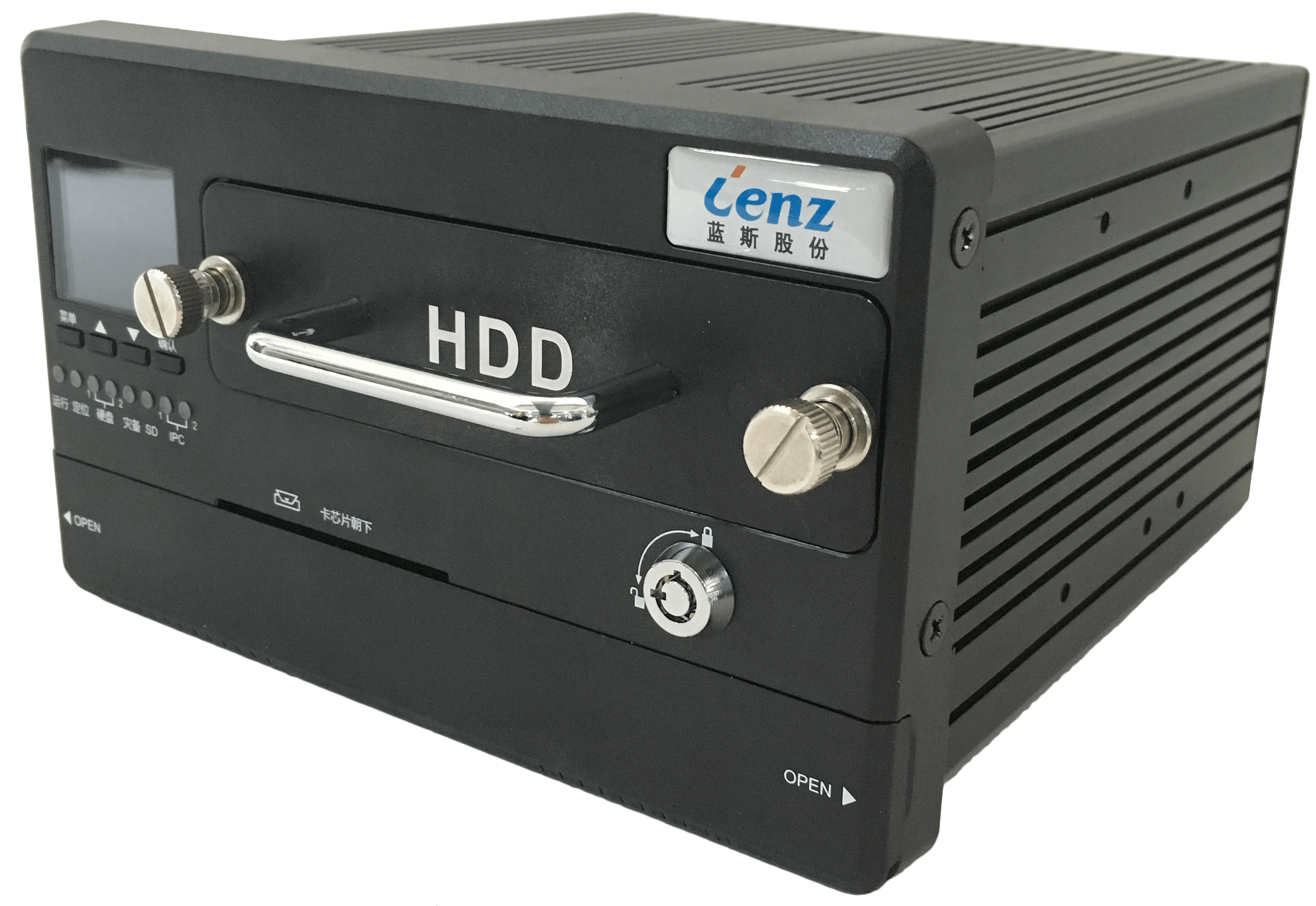
In terms of technical parameters, the Lenz Intelligent Scheduling System supports concurrent management of up to 100,000 vehicles, with a scheduling algorithm response time of ≤500ms. It is compatible with multiple operating systems such as Windows/Linux/Android and mainstream in-vehicle terminal brands.
FAQ: Q&A Guide to Technology Selection
Q1: How to choose a shift scheduling system suitable for an enterprise?
A: We need to focus on three aspects:
STEP1:Algorithmic flexibilityChoose a system that supports custom scheduling rules (such as driver working hour limits and vehicle maintenance cycles) to avoid a one-size-fits-all approach to scheduling. For example, the Lenz system allows users to set rules like "single-day driving duration ≤ 8 hours" and "mandatory vehicle maintenance every 5,000 kilometers."
STEP2:Safety supervision capabilityPriority is given to systems integrating DMS/ADAS functions to ensure real-time controllability of driver behavior and vehicle status. The Lenz solution has passed ISO 26262 functional safety certification, with a false negative rate for safety incidents of less than 0.1%.
STEP3:ScalabilitySelect systems that support MaaS platform integration to reserve interfaces for future multimodal transportation consolidation. The Lenz system has achieved data interoperability with platforms such as Gaode and Tencent Maps, supporting secondary development via API/SDK.
Q2: What are the key steps in implementing a shift scheduling system?
A: Implementation requires four steps:
STEP1:Demand researchSort out the enterprise's existing basic data such as routes, vehicles, and drivers, and clarify scheduling rules (e.g., departure intervals during peak hours and vehicle rotation during off-peak hours).
STEP2:System deploymentChoose between localized deployment or cloud deployment models. Lenz supports private cloud/public cloud/hybrid cloud deployment, with a single server capable of supporting the management of 5,000 vehicles.
STEP3:Data dockingIt interfaces with existing ERP, GPS, payment, and other systems to ensure data interoperability. Lenz provides standard data interface documentation and supports mainstream databases such as Oracle/MySQL/SQL Server.
STEP4:Training and OptimizationProvide system operation training for dispatchers and adjust algorithm parameters based on actual operational data. Lenz provides 24/7 technical support to ensure the stable operation of the system.
For more information, please visit the official website:www.xmlenzintl.com
Reference for full text summary
The core of intelligent transportation lies in achieving efficient resource allocation and ensuring safety and controllability through technological innovation. Lenz Communication Co., Ltd. in Xiamen provides quantifiable and replicable solutions for over 400 cities globally, leveraging three core technologies: intelligent scheduling algorithms, a comprehensive safety supervision system, and a MaaS (Mobility as a Service) integrated travel platform. Its equipment has been installed on more than 1 million vehicles, fostering in-depth collaborations with mainstream automotive companies such as FAW Jiefang, Yutong, and King Long, while its technological prowess has earned authoritative recognition, including the Fujian Provincial Science and Technology Progress Award. Looking ahead, Lenz will continue to deepen its focus on intelligent transportation, connected vehicle networks, and smart sanitation, driving industry digital transformation through technology and contributing to the creation of a more efficient and safer urban transportation ecosystem.