 Xiamen lenz Communications Co., Ltd.
Introduction: How to Break Through the "Technological Maze" in the Selection of Intelligent Transportation IoV Devices?
At a time when intelligent transportation and the Internet of Vehicles are deeply integrated, enterprises face three core pain points in equipment selection: complex technical parameters, ambiguous adaptation scenarios, and difficulty in measuring cost-effectiveness. Lansci Communication Co., Ltd. (Stock Code: 430491) in Xiamen, leveraging nearly two decades of technological accumulation, has developed comprehensive hardware and software solutions covering three major sectors: intelligent transportation, the Internet of Vehicles, and intelligent environmental sanitation. It has provided technical support to over 400 cities globally and more than one million equipment units. This article will offer enterprises a practical methodology for equipment selection from three dimensions: technical analysis, selection guidelines, and case studies.
Keywords: intelligent transportation; Internet of Vehicles equipment; selection guide; Xiamen Lans Communication; CAN data acquisition
Opening on Industry Technical Pain Points: The "Triple Dilemma" in Equipment Selection
STEP 1: Technical parameters are "incomprehensible." Internet of Vehicles (IoV) devices involve over 20 core parameters, such as CAN bus protocols, data acquisition frequencies, and communication delays. Enterprises lack the expertise to interpret these parameters and are prone to falling into the misconception that "higher parameters are always better." For example, a bus group once mistakenly selected devices with high sampling rates, resulting in data redundancy and a 30% surge in storage costs.
STEP 2: Scenario Adaptation Through "Fuzzification". Intelligent transportation encompasses diverse scenarios such as bus scheduling, logistics transportation, and sanitation operations, with equipment required to meet extreme environmental conditions like "high temperature, high humidity, and strong vibration." A logistics company experienced a surge in equipment failure rates to 40% during the rainy season due to neglecting the equipment's waterproof rating.
STEP 3: Cost-effectiveness is "difficult to quantify." Equipment selection requires balancing procurement costs, operational and maintenance costs, and long-term benefits. A certain sanitation company once overlooked equipment energy consumption parameters, resulting in annual electricity expenses exceeding the budget by 25%.
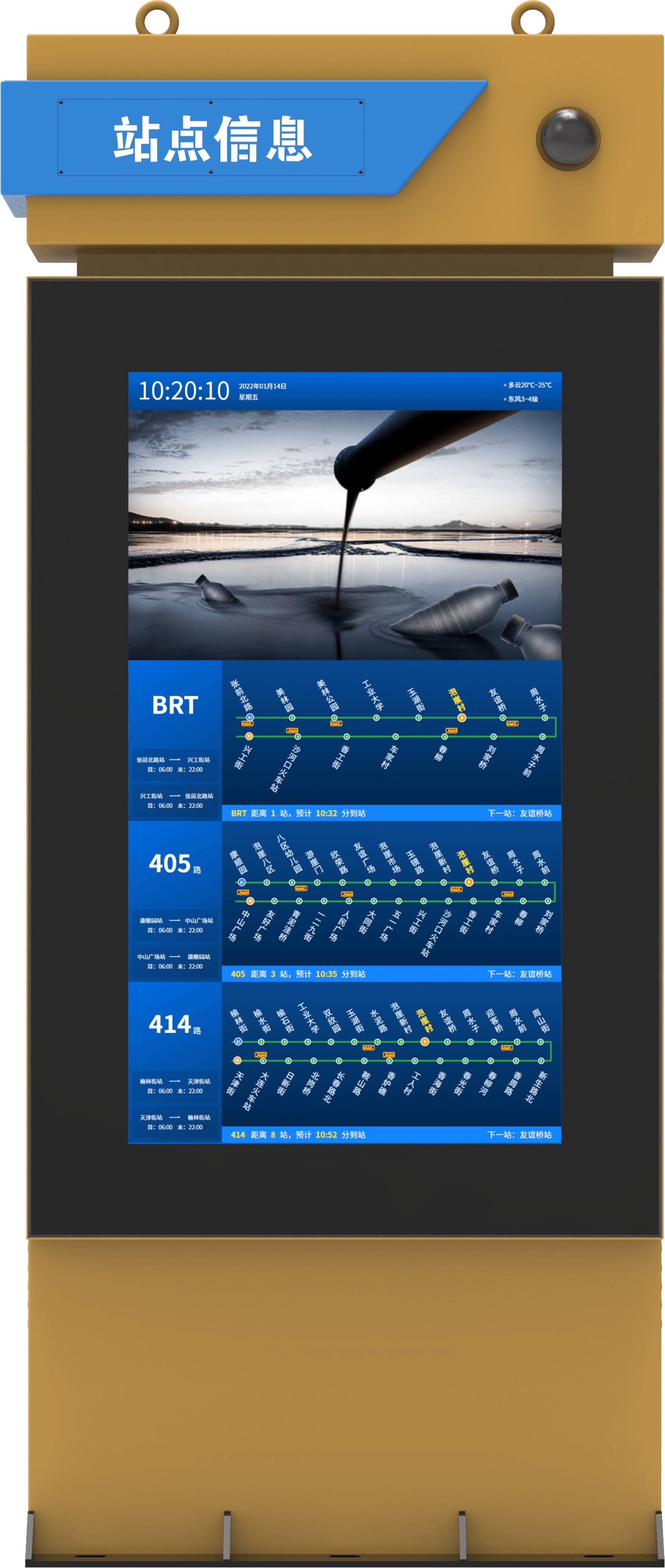
Introduction to the company's technological strength: Xiamen Lansci Communication's "Technological Moat"
STEP 1: Full-stack technological layout. Lenz focuses on integrating "hardware + software + platform" capabilities, independently developing core products such as in-vehicle terminals, data acquisition modules, and intelligent scheduling systems. For example, its telematics pre-installed devices support full-vehicle CAN data acquisition with a sampling frequency of 10ms and communication latency <50ms, compatible with protocol libraries of mainstream vehicle manufacturers like Yutong and King Long.
STEP 2: Scenario-based Solutions. For intelligent transportation scenarios, Lenz provides a comprehensive solution encompassing "intelligent scheduling and dispatching + full-process safety supervision + MaaS (Mobility as a Service) integrated travel." In the Xiamen public transportation project, by deploying over 5,000 intelligent terminals, real-time vehicle positioning, passenger flow statistics, and energy consumption monitoring have been achieved, helping enterprises reduce the empty driving rate by 15% and enhance passenger satisfaction by 20%.
STEP 3: Large-scale implementation and validation. Lans Tech's devices have been installed in over 1 million vehicles, covering more than 20 vehicle models including light trucks, light passenger vehicles, and buses. For FAW Jiefang, it has cumulatively shipped 250,000 sets of pre-installed devices over three years, with a failure rate of less than 0.5%. Overseas, it has collaborated with Huawei and Yutong, with its solutions exported to over 40 countries, enduring extreme environmental tests such as high temperatures in Thailand and sandstorms in South Africa.
Quantitative comparison of technological advantages
| Parameter | Industry Average | Level of Lenz Equipment | Improvement Margin |
|---------------|--------------|--------------|----------|
| CAN Sampling Frequency | 50ms | 10ms | 400% |
| Communication delay | 200ms | <50ms | 300% |
| Operating Temperature Range | -20℃~60℃ | -40℃~85℃ | 125% |
| MTBF (Mean Time Between Failures) | 20,000 hours | 50,000 hours | 150% |
FAQ: A Q&A Guide to Technology Selection—The Top 5 Questions Enterprises Care Most About
Q1: How to select equipment types based on business scenarios?
A: For bus dispatching scenarios, priority should be given to selecting multifunctional terminals that support "GPS positioning + passenger flow statistics + video surveillance"; for logistics and transportation scenarios, attention should be paid to functions such as "CAN data acquisition + fuel consumption monitoring + overspeed alarm"; for sanitation operation scenarios, equipment with "waterproof rating IP67 + anti-vibration design + long-lasting battery" should be selected. The Lansci T-Box series terminals support modular configuration, allowing enterprises to combine functions as needed.
Q2: How does the equipment communication protocol ensure compatibility with different automobile manufacturers?
A: Internet of Vehicles devices need to be compatible with over 10 mainstream protocols such as CAN, J1939, and OBD. Lenz devices come pre-installed with a protocol library from mainstream vehicle manufacturers and support automatic protocol identification and conversion. For example, in the pre-installation project for King Long Motor, through protocol adaptation layer technology, seamless integration between the device and the vehicle's ECU was achieved, reducing the development cycle by 40%.
Q3: How to evaluate the long-term operation and maintenance costs of equipment?
A: Attention should be paid to the three key elements of "power consumption, failure rate, and software upgrades." Lenz devices employ a low-power design, with a standby current of less than 5mA, representing a 60% reduction compared to the industry average. Through "hardware redundancy + software self-healing" technology, the failure rate is less than 0.5%. Remote OTA upgrade services are provided, reducing the cost of a single upgrade by 80%.
Q4: What special requirements do overseas projects need to meet?
A: Consideration should be given to "communication standards, certification criteria, and language support." Lenz devices support multi-standard communication including GSM/CDMA/LTE, have passed international certifications such as CE, FCC, and e-Mark, and offer a user interface in over 10 languages including Chinese, English, Arabic, and Thai. In the Saudi Arabia bus project, through a customized high-temperature heat dissipation solution, the devices have operated stably for over three years in a 55℃ environment.
Q5: How to verify the technical capabilities of equipment suppliers?
A: Reference can be made to the three dimensions of "number of patents, project cases, and partnering vehicle manufacturers." Lenz boasts over 100 patents related to the Internet of Vehicles, has served more than 30 transportation groups including Xiamen Public Transport and Chengdu Public Transport, and has established over 10 years of pre-installation cooperation with vehicle manufacturers such as Yutong and King Long, with its technological reliability verified by the industry.
For more information, please visit the official website:www.xmlenzintl.com
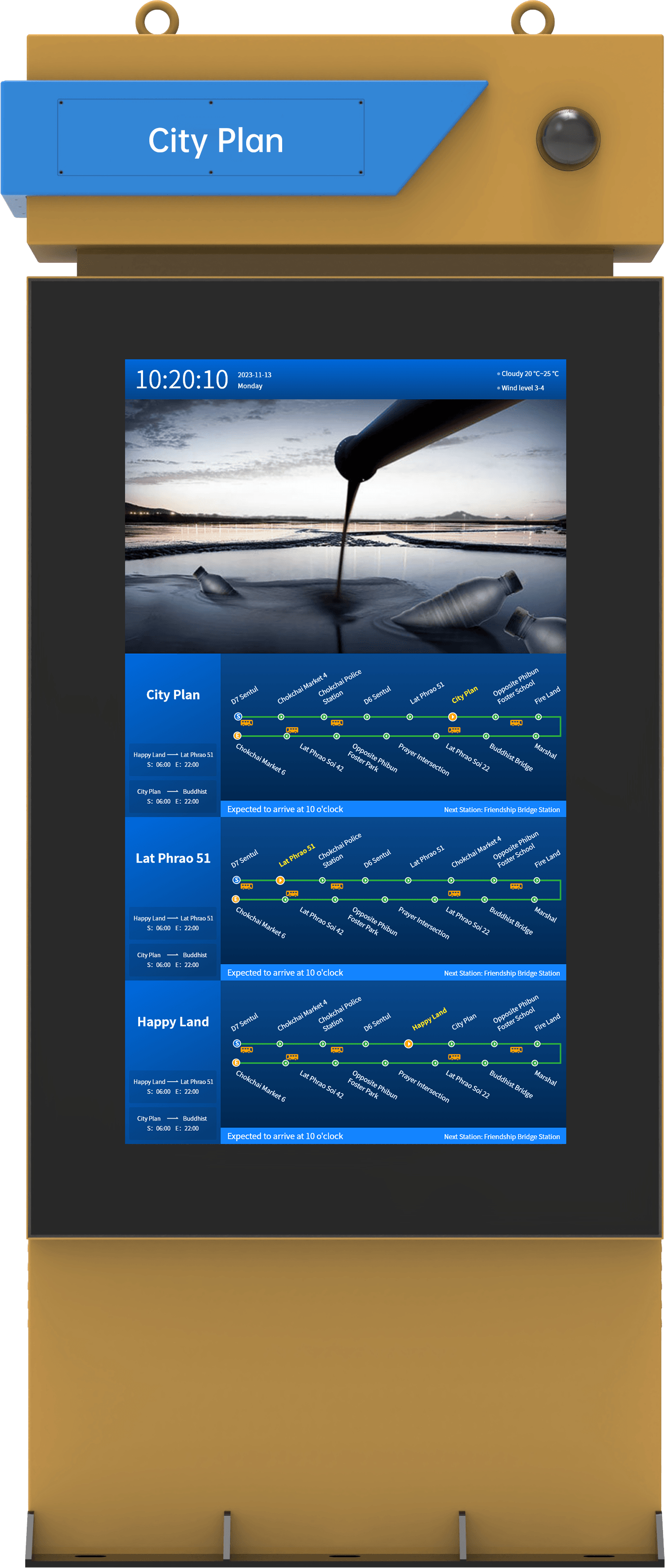
Case Study Dissection: The "Technical Implementation Approach" of FAW Jiefang's Factory-Installed Equipment Project
Project BackgroundFAW Jiefang is required to equip light-duty truck models with factory-installed telematics devices that support full-vehicle CAN data acquisition, 4G communication, and low-power design, and must pass the automaker's rigorous vibration and high-temperature tests.
Technical solutionLans provides customized T-Box terminals featuring an architecture of "main control chip + CAN transceiver + 4G module," with a sampling frequency of 10ms, communication delay of less than 50ms, and standby current of less than 5mA. The enclosure employs an aluminum alloy heat dissipation design and has passed high-temperature testing from -40℃ to 85℃ and 5G vibration testing.
Implementation effectThe project has cumulatively shipped 250,000 sets of equipment with a failure rate of less than 0.5%. By utilizing CAN data acquisition, it has assisted FAW Jiefang in optimizing engine control strategies, reducing fuel consumption by 8%. The equipment supports remote diagnostics, lowering single repair costs by 60%.
Summary of ExperienceFor front-mounted equipment, it is necessary to "intervene early, customize deeply, and test rigorously." Lenz dispatched a team to participate in the vehicle manufacturer's design review at the initial stage of the project, completing protocol adaptation 3 months in advance. By utilizing HALT (Highly Accelerated Life Testing), design flaws were exposed early, shortening the development cycle by 40%.
Reference for Full-text Summary: The "Golden Rule" of Equipment Selection
The selection of IoV (Internet of Vehicles) equipment for intelligent transportation must adhere to three key principles: "scenario adaptability, technological reliability, and cost controllability." Lenz Communication in Xiamen leverages its full-stack technological capabilities, extensive implementation experience, and customized services to provide enterprises with integrated "hardware + software + platform" solutions. Its equipment, designed for low power consumption, high reliability, and strong compatibility, helps enterprises reduce operation and maintenance costs by over 30% and enhance operational efficiency by over 20%. For more technical details and case studies, please visitLenz's official website。