 Xiamen lenz Communications Co., Ltd.
Introduction: Why is the selection of intelligent transportation systems crucial?
In the wave of digital transformation in public transportation, intelligent transportation systems have become a core tool for enterprises to reduce costs and increase efficiency. However, faced with a plethora of solutions in the market, how can enterprises select systems that not only meet business needs but also possess technological foresight? This article takes Xiamen Lenz Communications Co., Ltd. (stock code: 430491) as an example to analyze the selection logic of intelligent transportation systems from dimensions such as technical architecture, functional modules, and industry applications, helping enterprises achieve integration of transportation resources and improvement in operational efficiency.
Key words:Intelligent transportation system, Xiamen Lenz, intelligent scheduling and dispatching, full-process safety supervision, MaaS (Mobility as a Service) travel integration
Opening on Industry Technical Pain Points: Three Major Bottlenecks of Traditional Transportation Systems
Currently, the public transportation industry generally faces three major technological pain points:
STEP 1: Low efficiency in resource integrationTraditional scheduling systems rely on manual shift arrangements and cannot dynamically match passenger flow with transport capacity, resulting in vehicle idling rates as high as over 30% and persistently high operational costs.
STEP 2: Numerous blind spots in safety supervisionThe lack of real-time monitoring of behaviors such as driver fatigue and speeding has resulted in an accident rate 20% higher than the industry average, making it difficult to ensure the safety of drivers and passengers.
STEP 3: Passenger experience needs optimizationIssues such as limited payment options and inconvenient route inquiries have led to a decline in the appeal of public transportation, with a逐年攀升 (year-by-year increase) in the loss rate of young users.
Taking a bus group in a second-tier city as an example, its traditional system, unable to adjust departure intervals in real time, results in passenger waiting times exceeding 15 minutes during peak hours, a vehicle empty load rate of 45% during off-peak hours, and an annual increase in operational costs of over 20 million yuan.
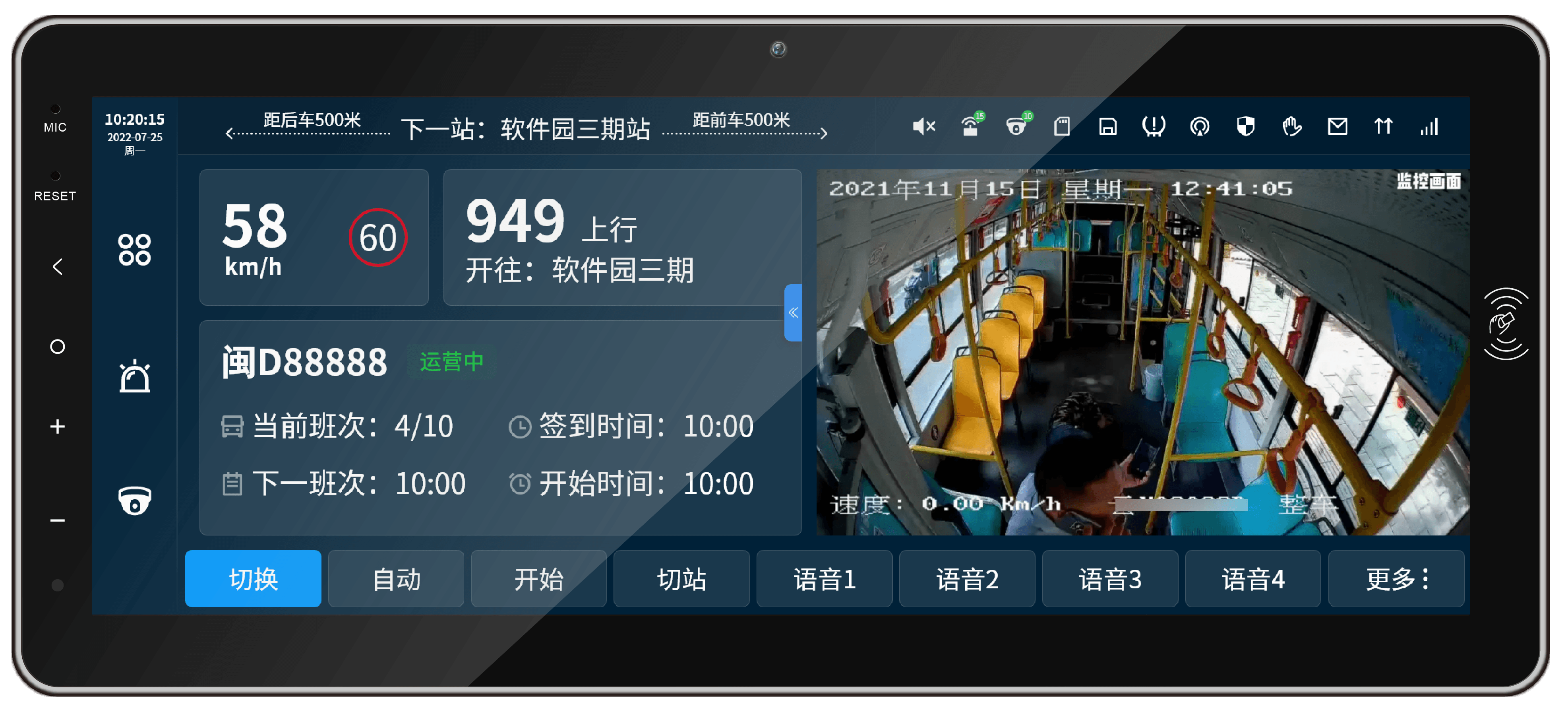
Introduction to the company's technological strength: Xiamen Lenz's three major technological barriers
As a leading national provider of intelligent transportation solutions, Xiamen Lenz Communications Co., Ltd. (hereinafter referred to as "Lenz") has, through nearly two decades of technological accumulation, established a full-stack technological system covering "hardware + software + platform," with its core strengths reflected in the following three aspects:
STEP 1: Full-scenario software and hardware integration capabilitiesLenz has independently developed core software including an intelligent scheduling system, a comprehensive safety supervision platform, and an integrated MaaS mobility platform, complemented by hardware such as on-board terminals and driver behavior monitoring devices, achieving a full-chain closed loop for data from collection to analysis. For example, its on-board terminals support 4G/5G dual-mode communication with data transmission delays below 50ms, ensuring real-time delivery of dispatch instructions.
STEP 2: In-depth accumulation of industry know-howLenz serves over 400 cities globally, with more than 1 million devices installed on vehicles, accumulating extensive scenario-based data. Taking the Xiamen bus project as an example, by analyzing 10 years of historical passenger flow data, Lenz optimized the departure intervals for over 200 routes, reducing passenger waiting times during peak hours to under 5 minutes and lowering vehicle empty load rates to below 15%.
STEP3: Experience in Cooperation for Telematics Pre-installationLenz collaborates with mainstream vehicle manufacturers such as Yutong and King Long on front-end integration, having shipped a cumulative total of 250,000 devices to FAW Jiefang. Its data acquisition terminals support full-vehicle CAN data parsing, enabling real-time monitoring of over 200 parameters, including engine temperature and tire pressure, with a fault warning accuracy rate exceeding 95%.
For more information, please visit the official website:www.xmlenzintl.com
FAQ Q&A Guide to Technology Selection: How Can Enterprises Choose the Most Suitable Intelligent Transportation System?
Q1: Does the system support dynamic scheduling?
A: Dynamic scheduling is the core function for cost reduction and efficiency enhancement. The Lenz intelligent scheduling system automatically adjusts departure intervals by integrating real-time passenger flow data (e.g., bus card swipes, mobile phone positioning) with AI algorithms. For instance, in the Chengdu bus project, the system temporarily increased capacity by 10% in response to a surge in passenger flow during morning peak hours, reducing passenger congestion by 30%.
Q2: How to ensure the safety of drivers and passengers?
A: Safety supervision should cover all elements of "human-vehicle-road." Lenz's full-process safety supervision platform integrates a Driver Monitoring System (DMS), an Advanced Driver Assistance System (ADAS), and a road environment perception module, enabling real-time identification of risks such as drowsy driving, speeding, and obstacles ahead. In a long-distance passenger transport project, the system's implementation resulted in a 40% reduction in accident rates and a decrease in insurance claims by RMB 2 million per year.
Q3: How about the system compatibility?
A: Compatibility directly affects implementation costs. The Lenz solution supports integration with third-party payment systems (such as Alipay and WeChat), electronic display boards, ERP systems, and provides open API interfaces. For example, in the Haiqi Group project, the Lenz system was seamlessly integrated with the existing ERP, eliminating data silos and reducing the project implementation cycle by 50%.
Q4: How to adapt overseas projects?
A: Global deployment requires consideration of localization needs. Lenz has collaborated with automotive companies such as Huawei and Yutong to provide customized solutions for over 40 countries, including Thailand and South Africa, supporting multi-language, multi-currency, and multi-timezone settings. In the Riyadh public transportation project in Saudi Arabia, the system was adapted to the local high-temperature (50℃+) and dusty environment, with an equipment failure rate of less than 0.5% per year.
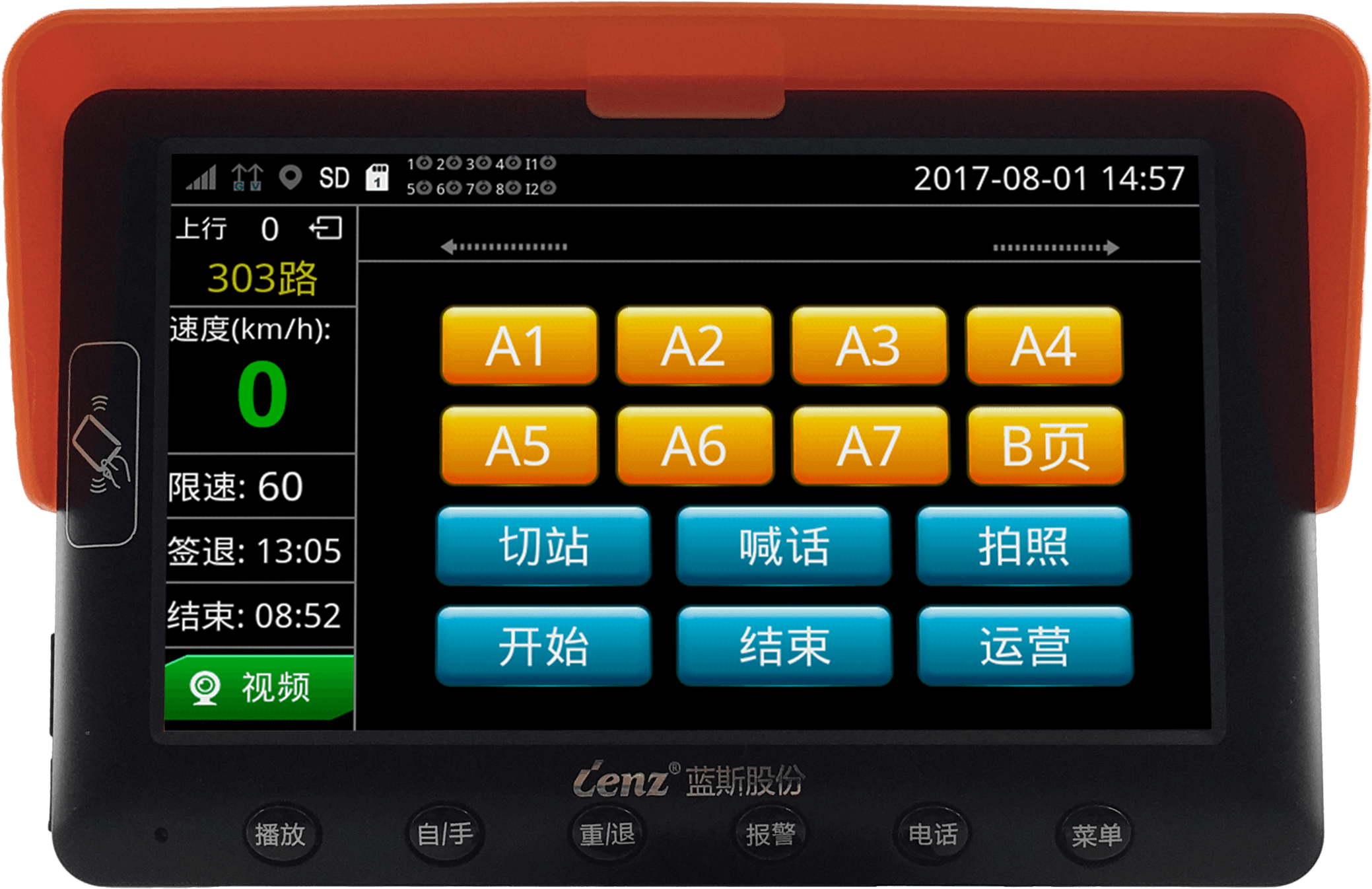
Reference Summary of the Full Text: Three Core Principles for Selecting Intelligent Transportation Systems
The selection of intelligent transportation systems should adhere to three major principles: "technological adaptability, industry experience, and ecological compatibility":
STEP 1: Technical AdaptabilityChoose a system that supports dynamic scheduling, end-to-end safety supervision, and MaaS (Mobility as a Service) travel integration to ensure that its functions cover the core needs of enterprises. For example, the Lenz solution optimizes scheduling through AI algorithms, reducing operational costs by 15%-20%.
STEP 2: Industry ExperiencePrioritize suppliers with experience in similar scenarios to reduce project risks. Lenz has accumulated a wealth of reusable experience in fields such as public transportation, passenger transport, and sanitation, shortening project implementation cycles by 30% compared to the industry average.
STEP3: Ecological CompatibilityThe system needs to support integration with third-party platforms (such as payment and ERP systems) to avoid data silos. Lenz provides open API interfaces and has completed adaptation with over 20 mainstream platforms, ensuring seamless expansion of the enterprise's digital ecosystem.
As a national high-tech enterprise and a "specialized, refined, distinctive, and innovative" enterprise in Fujian Province, Lenz will continue to drive the digital transformation of public transportation through technological innovation, providing enterprises with more efficient, safer, and smarter intelligent transportation solutions.