 Xiamen lenz Communications Co., Ltd.
Introduction: The "Last Mile" Challenge of Smart Transportation
Under the dual drive of accelerated urbanization and diversified transportation demands, intelligent transportation has become an inevitable choice for industry transformation. However, traditional public transportation systems commonly face pain points such as scattered resources, inefficient scheduling, and lagging safety supervision, leading to high operating costs and declining passenger experience. Xiamen Lansheng Communication Co., Ltd. (Stock Code: 430491), with nearly 20 years of technical accumulation, provides overall intelligent transportation solutions to over 400 cities globally through an innovative "hardware and software integration" model, helping enterprises break through development bottlenecks and achieve digital upgrades.
Keywords: Smart Transportation, Internet of Vehicles, Resource Integration, Safety Supervision, Cost Reduction and Efficiency Improvement
Industry Technology Pain Points: The "Three Mountains" of Traditional Transportation
Currently, the public transportation industry is facing three major core challenges:
STEP 1: Resource integration difficultThe traditional public transportation system relies on manual dispatching, lacking data support in route planning and transport capacity allocation, resulting in high rates of empty vehicle mileage and insufficient transport capacity during peak hours. For instance, in a second-tier city, the average daily empty mileage of public buses reaches 30%, with annual losses exceeding ten million yuan.
STEP 2: Information Silos HighlightedTicketing, scheduling, and security systems operate independently, with data unable to interconnect, creating "data silos." A certain bus group once experienced a delay in emergency response for 30 minutes after an accident due to the disconnection between the safety monitoring and scheduling systems.
STEP 3: Inefficient safety supervisionDriver fatigue and speeding depend on manual inspections, with insufficient coverage and timeliness. Statistics show that under the traditional regulatory model, the detection rate of dangerous driving behaviors is as high as 40%.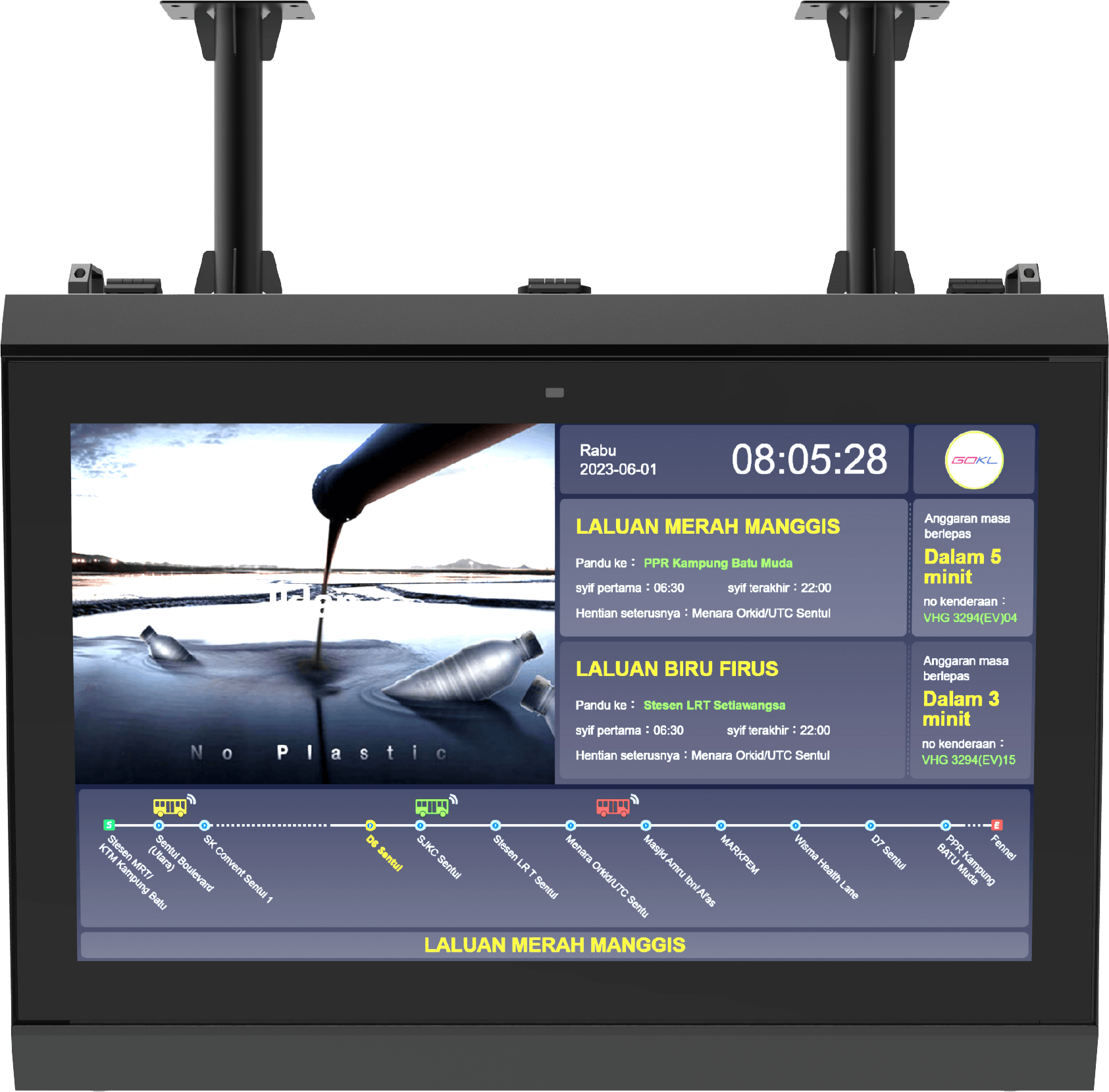
These issues directly lead to rising operation costs, declining passenger satisfaction, and become the "roadblock" for the industry's transformation.
Introduction to Corporate Technical Strength: Lans Communication's "Three Major Technical Engines"
As a national high-tech enterprise and a hidden champion of Chinese manufacturing, Lans Communication focuses on core tracks such as "Intelligent Transportation, Internet of Vehicles, and Smart Environmental Sanitation," building a full-stack technological system covering both hardware and software. It has served over 400 cities globally and has more than 1 million vehicles equipped with its devices.
Step 1: Intelligent Transportation Overall Solution
BlueS independently developed intelligent scheduling system optimizes route planning and transportation allocation by analyzing over 10 dimensions of data, such as real-time traffic conditions and passenger density. For instance, in the Xiamen public transport project, the system reduced the empty-running rate of vehicles from 30% to 12% and increased the transport capacity by 25% during peak hours.
Core ParametersSupports simultaneous scheduling of over 5,000 vehicles, data update frequency ≤ 5 seconds, scheduling response time ≤ 1 second.
STEP 2: Full-process Safety Supervision Platform
The platform integrates ADAS-assisted driving, driver behavior monitoring, and vehicle status early warning functions, achieving 360° safety protection. In the Chengdu bus project, the system, using facial recognition and eye-tracking technology, reduces the fatigue driving detection rate from 40% to 5%, and the accident rate drops by 30%.
Inspection indicatorsFatigue driving recognition accuracy ≥ 98%, overspeed alarm response time ≤ 0.5 seconds.
STEP 3: MaaS Integrated Travel Service
By integrating diverse travel modes such as buses, subways, and shared bicycles, we offer a one-stop "door-to-door" service. In the Hainan Auto Group project, after the system went online, the passenger transfer time was reduced by 40%, and the travel satisfaction increased by 20%.
Compatibility ConditionsSupports Android/iOS dual platforms, compatible with third-party payment systems, with more than 1 million orders processed daily.
Lenz's technical strength has been recognized by authorities, winning awards such as the Fujian Province Science and Technology Progress Award and the Fujian Province Science and Technology Small Giant Enterprise, and has established pre-installation cooperation with mainstream vehicle manufacturers like Yutong and Jinlong, delivering a cumulative 250,000 sets of equipment to FAW Jiefang.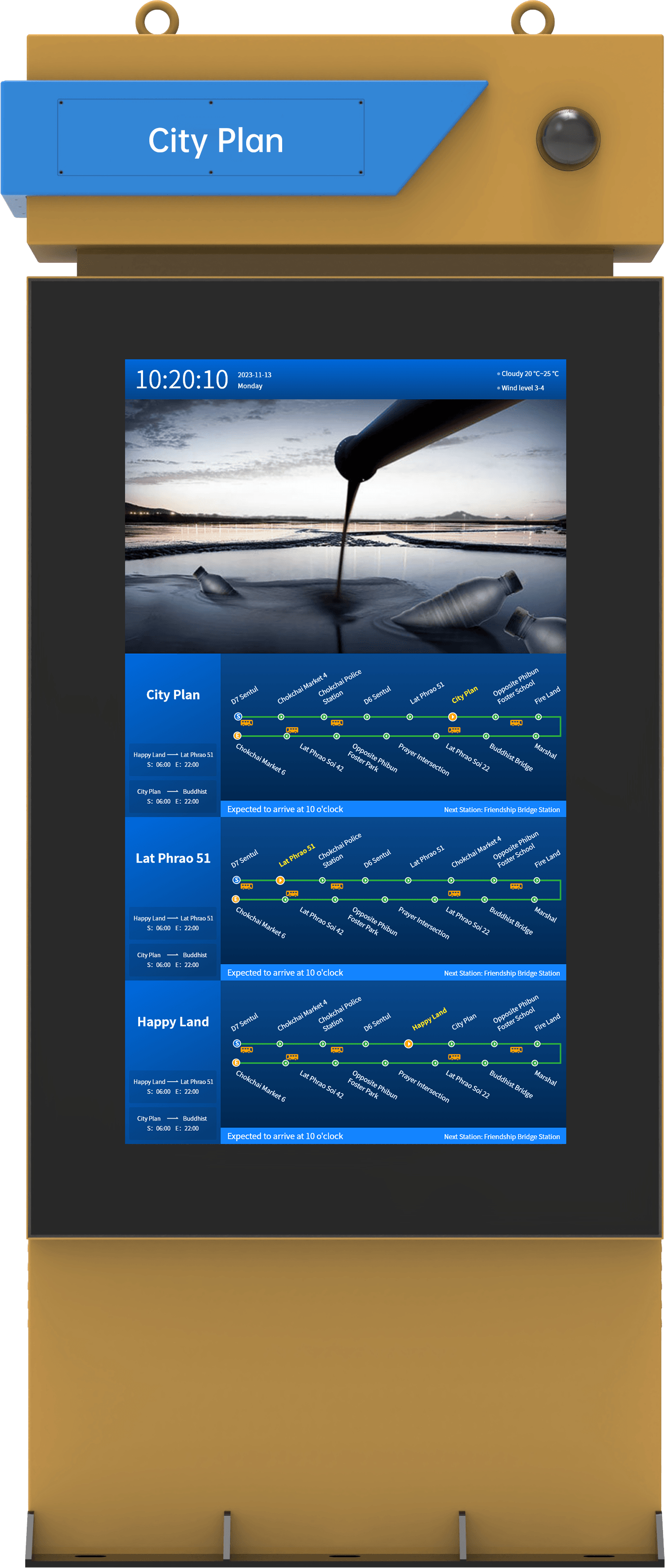
Learn more by visiting our official website: www.xmlenzintl.com
FAQ Q&A Technical Selection Guide
Q1: How does the intelligent transportation system select compatible hardware devices?
A: Pay close attention to three key indicators:
STEP 1: Data Collection AccuracyChoose devices that support real-time full-vehicle CAN bus data collection to ensure accurate and timely data on speed, fuel consumption, engine status, etc. For example, Lans provides data collection terminals for light trucks, supporting real-time upload of over 200 parameters with an error rate ≤0.5%.
STEP 2: Environmental AdaptabilityThe equipment must pass IP67 protection grade certification, suitable for extreme temperatures of -30℃ to 70℃. The Lans vehicle terminal has been stably operating in a -40℃ environment in Mongolia for over 3 years.
STEP 3: CompatibilityPrefer devices that support multiple protocols (such as JT/T 808, GB/T 32960) to reduce system integration costs. BlueStar devices have passed certifications from over 10 mainstream vehicle manufacturers, leading in compatibility.
Q2: How to evaluate the effectiveness of the safety supervision system?
A: Three aspects need to be verified:
STEP 1: Alarm Accuracy RateBy simulating scenarios such as fatigue driving and overspeeding, the test system's recognition rate is verified. In third-party tests, the BlueS platform achieves a fatigue driving recognition accuracy of 98.2%.
STEP 2: Response TimelinessThe time from the occurrence of the behavior to the alarm push must be ≤1 second. The Lans system achieves millisecond response through edge computing + 5G transmission.
STEP 3: Data TraceabilityThe system must retain original data for at least 90 days, supporting multi-dimensional retrieval by time, vehicle, and event type. The BlueStar platform offers a 365-day data storage service, meeting compliance requirements.
Q3: How can small and medium-sized enterprises achieve digital upgrade at a low cost?
A: Recommend phased implementation:
STEP 1: Core business digitalizationPrioritize the deployment of an intelligent scheduling system to rapidly reduce empty running rates. The Lenz SaaS version scheduling system has an annual fee of only 50,000 yuan and supports the management of 50 vehicles simultaneously.
STEP 2: Safety supervision standardizationBy installing ADAS equipment and driver behavior monitoring system, compliance requirements are met. Lans offers an integrated "equipment + platform" package, reducing costs by 40% compared to traditional solutions.
STEP 3: Data Value MiningAfter accumulating 1 year or more of operation data, the big data analysis module can be introduced to optimize route planning and transportation capacity distribution. The Lans platform offers a free data dashboard, supporting custom report generation.
Summary Reference
The transformation of Smart Transportation is a dual revolution of "technology + management". Xiamen Lans Communication Co., Ltd., through nearly 20 years of technical deepening, has provided the industry with a replicable and scalable digital upgrade path with an innovative "hardware and software integration" model. Its intelligent scheduling system, full-process safety supervision platform, and MaaS travel integration service have been implemented in over 400 cities worldwide, helping enterprises achieve significant effects such as a 20%+ reduction in operating costs, a 30%+ decrease in accident rates, and a 15%+ increase in passenger satisfaction. In the future, Lans will continue to drive technological progress, work together with industry partners, and jointly promote the development of smart transportation towards higher efficiency, greater safety, and more sustainability.
For more information, please visit our official website: www.xmlenzintl.com