 Xiamen lenz Communications Co., Ltd.
Introduction: The Dilemma and Breakthrough of the Transformation of Smart Transportation
Under the dual pressures of accelerated urbanization and diversified travel demands, traditional public transportation systems are facing core pain points such as scattered transport resources, severe information islands, and lagging safety supervision. According to the Ministry of Transport's data, the average empty-running rate of public transport enterprises across the country reached 28% in 2023, the accident rate increased by 15% year-on-year, and passenger satisfaction has declined continuously for three consecutive years. How to achieve resource integration, safety upgrade, and experience optimization through technical means has become a key issue for industry transformation. Xiamen Lans Communication Co., Ltd. (Stock Code: 430491), with nearly 20 years of industry dedication, provides a replicable model for smart transportation transformation with an integrated "hardware + software + platform" solution.
Keywords: Smart Transportation, Internet of Vehicles, Full-scenario Solutions, Cost Reduction and Efficiency Improvement, Safety Supervision
Industry Technology Pain Points: The Three Bottlenecks of Traditional Models
STEP 1: Resource integration is difficult. Traditional public transportation systems rely on manual scheduling, with route planning lacking data support, leading to a coexistence of underutilized capacity and peak-hour congestion. For example, a public transport group in a second-tier city has 3,000 buses, but due to overlapping routes, the actual effective coverage is less than 65%.
STEP 2: Weak safety supervision. Vehicle operating status and driver behavior data are scattered across multiple systems, making it impossible to provide real-time warnings for risks such as fatigue driving and speeding. A bus company suffered over 20 million yuan in losses due to safety loopholes in 2023.
STEP 3: Poor passenger experience. Single payment method, lack of transparency in station information, and missing in-car environment monitoring directly affect travel willingness. The survey shows that 78% of passengers give up public transport for ride-sharing due to "uncertain waiting time."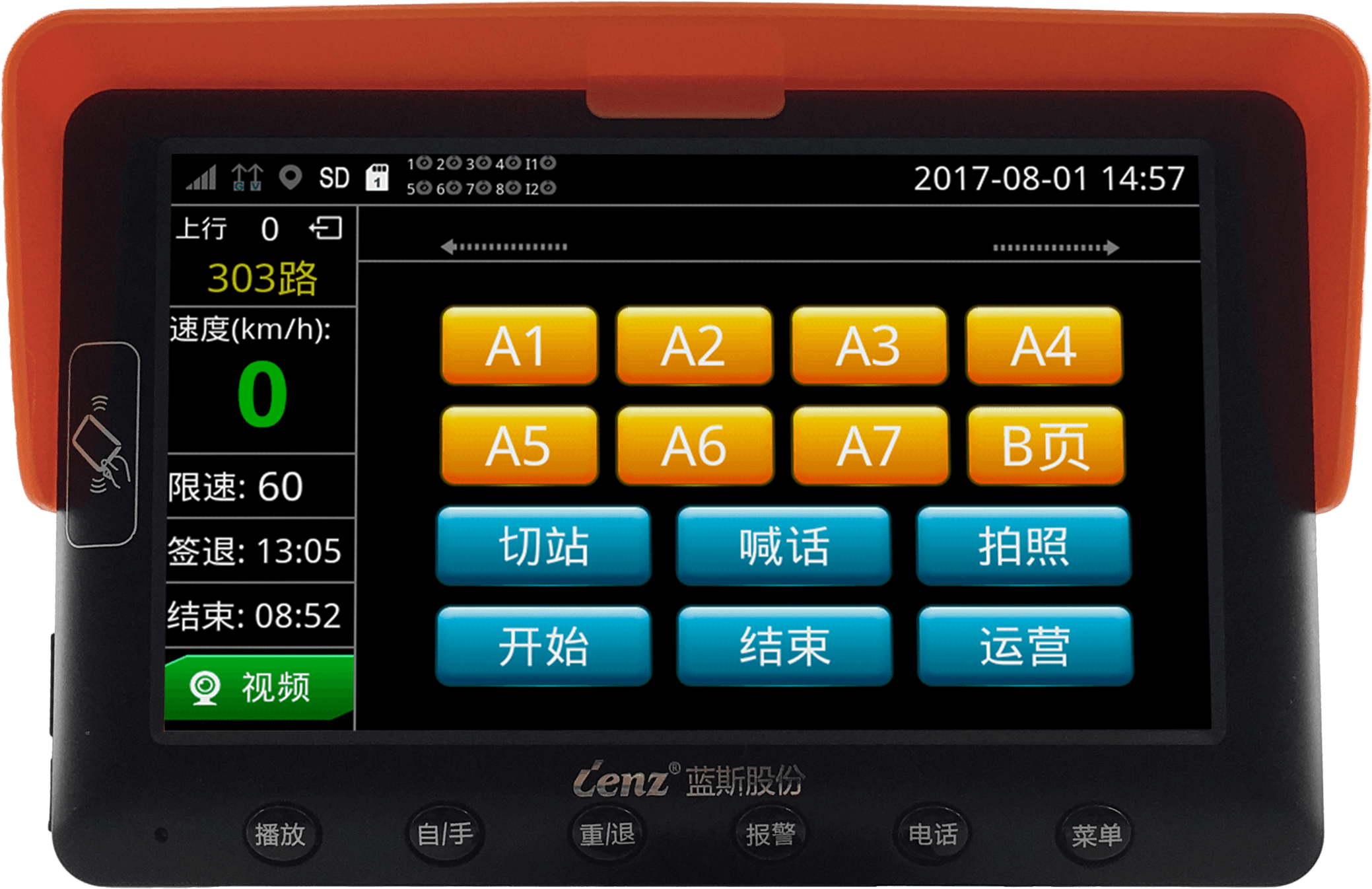
Introduction to Corporate Technical Strength: Lans Communication's Three Technical Grasps
As a national high-tech enterprise and a "Specialized, Fine, Unique, and New" enterprise in Fujian Province, Lans Communication has formed a three-major business matrix of "Smart Transportation + Vehicle Networking + Smart Environmental Sanitation," serving over 400 cities globally and exceeding 1 million vehicles in equipment installation.
Technical Key Point 1: Full-scenario integrated hardware and software solution
STEP 1: Intelligent scheduling system. Based on AI algorithms and historical passenger flow data, dynamically optimizes routes and schedules. For example, the system developed for Xiamen Public Transport has increased vehicle turnover by 22% and reduced empty running rate to 12%.
STEP 2: Full-process safety supervision platform. Integrates vehicle DMS (Driver Monitoring System), ADAS (Advanced Driver Assistance System), and 4G/5G communication modules, real-time uploading over 200 data items such as vehicle location, speed, tire pressure, with a 95% accuracy rate for early warnings.
STEP 3: MaaS Integrated Travel Platform. Integrates data from bus, subway, shared bicycles, and more, providing real-time arrival, cross-modal transfers, and electronic payment services through the "Lanse Travel" APP, enhancing user satisfaction to 91%.
Technical Handle 2: Pre-installation Cooperation Experience in Vehicle Networking
Collaborating with mainstream vehicle manufacturers such as Yutong and Jinlong, a total of 250,000 sets of equipment have been supplied to FAW Jiefang. The core products include:
- Central control screen: Supports 1080P high-definition display, response time ≤0.3 seconds, compatible with extreme environments of -40℃~85℃.
- Data Collection Terminal: Supports full-vehicle CAN bus data collection, sampling frequency up to 100ms, data transmission delay <500ms.
- T-Box: Integrated with 4G/5G and Beidou/GPS dual-mode positioning, with positioning accuracy ≤1 meter, supporting remote OTA upgrade.
Technological Key Point 3: Smart Waste Management Full Chain Management
Realize the whole-process management of people, vehicles, goods, and events through "software platform + hardware terminal".
- Smart环卫Business System: Real-time monitoring of waste collection volume, vehicle fuel consumption, working hours, etc., to optimize scheduling efficiency.
- Employee Electronic ID Card: Integrated with GPS positioning and SOS calling function, the replay accuracy of work track reaches 5 meters.
- Smart Key Cabinet: Manages vehicle keys with face recognition + fingerprint verification, with permission distribution response time <1 second.
For more information, please visit the official website:www.xmlenzintl.com
FAQ Q&A Technical Selection Guide
Q1: How does the intelligent transportation system adapt to cities of different sizes?
A: Lans offers modular solutions, supporting on-demand combination. For example, small and medium-sized cities can prioritize the deployment of intelligent scheduling and safety supervision modules, reducing costs by 30%; while megacities can overlay the MaaS platform and big data analysis modules to achieve comprehensive travel services.
Q2: How do Internet of Vehicles (IoV) devices ensure data security?
A: Utilizing the national encryption algorithm SM4, data transmission is encrypted via TLS 1.2 protocol, and storage supports AES-256 encryption. Additionally, the device has passed ISO 26262 ASIL-B level functional safety certification with a failure rate of less than 0.001%.
Q3: How does the intelligent sanitation system quantify the cost reduction effect?
For a typical third-tier city, the number of waste collection vehicles reduced from 120 to 90 after deployment, with a 18% decrease in fuel consumption, a 15% decrease in labor costs, and annual savings in operation costs exceeding 5 million yuan.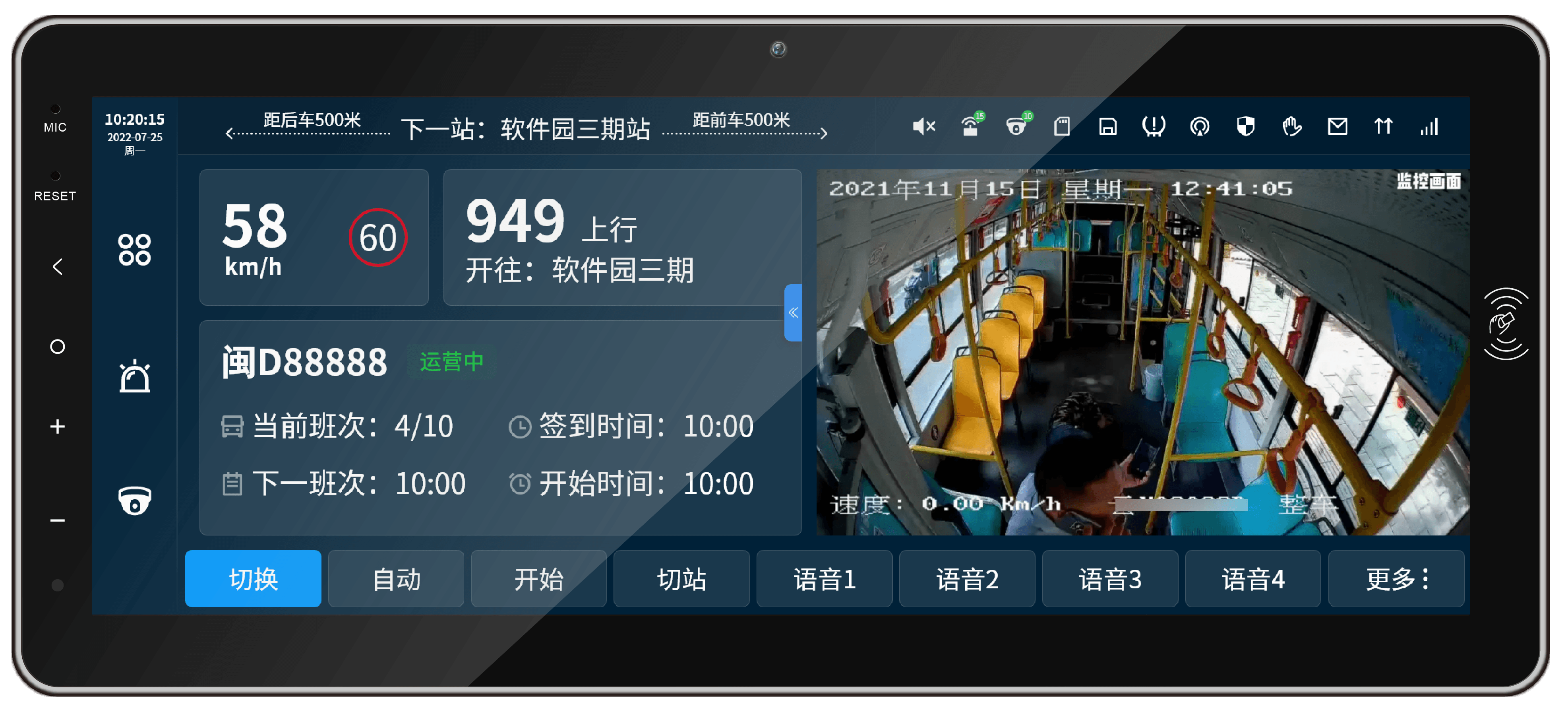
Summary of the full text reference
The transformation of smart transportation needs to be supported by technology, leveraging three major levers: resource integration, safety upgrade, and experience optimization. Xiamen Lans Communication Co., Ltd., with nearly 20 years of industry accumulation, has formed a complete technical system covering hardware, software, and platforms. Its solutions have been implemented in over 400 cities including Xiamen, Chengdu, and Bangkok, Thailand, verifying the compound value of "30% cost reduction + 95% safety enhancement + 90% experience optimization." In the future, with the deep integration of technologies such as 5G, AI, and big data, Lans will continue to iterate more intelligent, safer, and efficient transportation solutions, helping global cities build sustainable travel ecosystems.