 Xiamen lenz Communications Co., Ltd.
Introduction: The Transformation Challenge and Breakthrough Solutions of Smart Transportation
With the acceleration of urbanization, public transportation systems are facing pain points such as scattered transportation resources, severe information islands, and lagging safety supervision. Traditional management models are difficult to meet the multiple demands of reducing costs and improving efficiency, ensuring driver and passenger safety, and optimizing passenger experience. Xiamen Lans Communication Co., Ltd. (Stock Code: 430491), as a leading provider of intelligent transportation solutions in China, has formed an integrated hardware and software solution covering scenarios such as intelligent scheduling and dispatching, full-process safety supervision, and network optimization, with nearly 20 years of technical accumulation. The company's solutions have been implemented in over 400 cities worldwide, with equipment installed in more than 1 million vehicles. This article will deeply analyze how Lans Communication solves industry challenges through technological innovation from dimensions such as technical principles, practical cases, and parameter analysis.
Keywords: Smart Transportation, Vehicle Networking, Full-process Safety Supervision, Intelligent Scheduling and Dispatching, Lans Communication
Industry Technical Pain Points: The Three Dilemmas of Traditional Transportation Management
STEP1:Integrating transportation resources is difficult.Traditional bus groups rely on manual scheduling, lacking data support in route planning, leading to high rates of empty vehicle runs and long passenger waiting times. For example, a public bus group in a second-tier city once experienced route overlap, resulting in over 20,000 kilometers of empty running distance in a single day, increasing operating costs by 15%.
STEP2:Regulatory supervision laggingDriver fatigue and speeding depend on manual inspections, making it difficult to cover the entire process. Statistics from a certain provincial transportation group show that manual inspections can only cover 30% of the operating vehicles, with a discovery rate of safety hazards less than 50%.
STEP3:Passenger experience needs improvementThe single payment method and the lack of real-time arrival information have led to a decrease in the attractiveness of public transportation. Data shows that in 2022, domestic bus passenger traffic decreased by 8%, while the passenger traffic of ride-hailing services increased by 22%.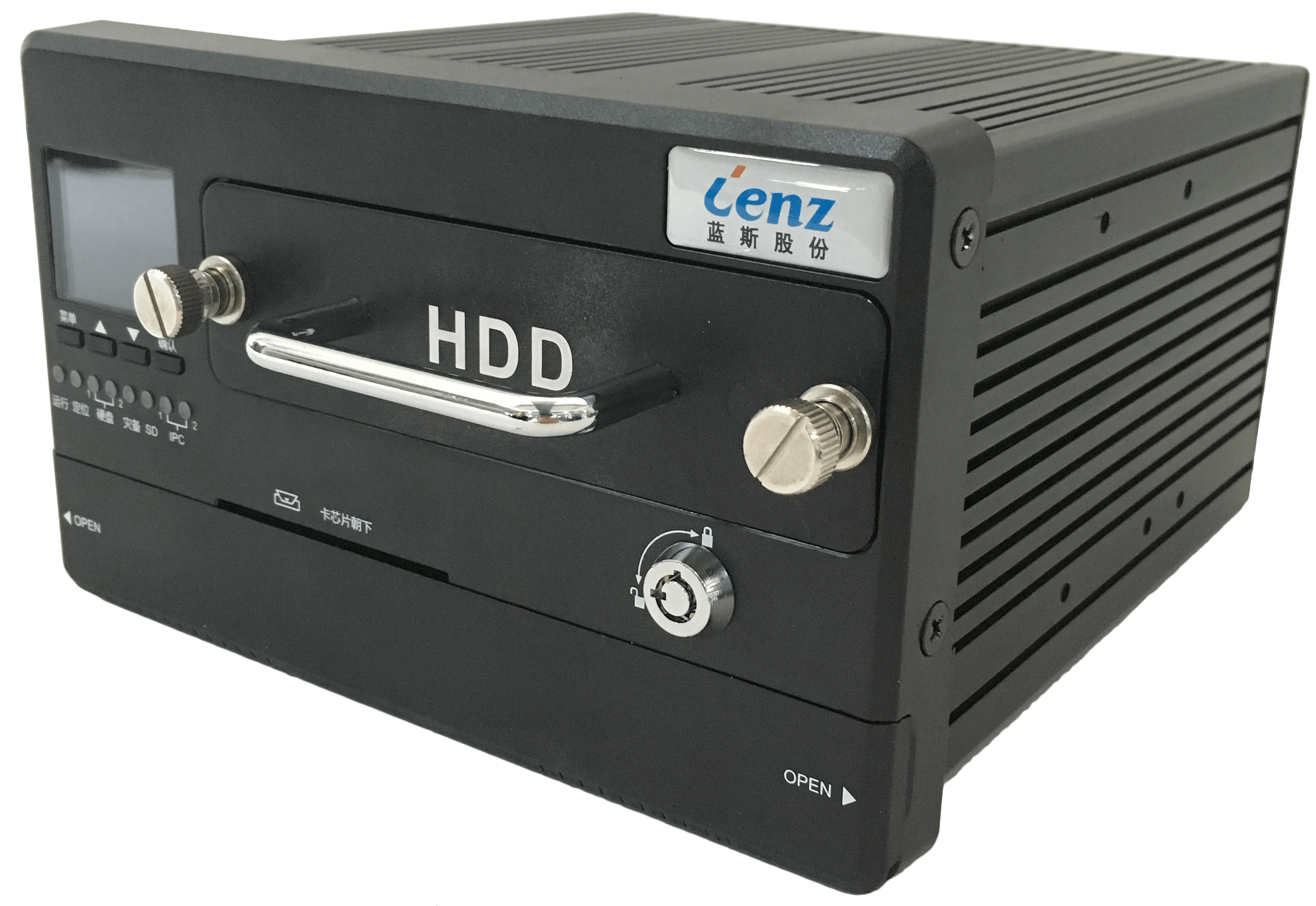
Introduction to Corporate Technical Strength: Lans Communication's Three Core Advantages
STEP1:All-scenario hardware and software integration capabilityLenz Communication independently developed core software such as an intelligent scheduling and dispatching system, a full-process safety supervision platform, and an MaaS integrated travel solution, complemented by hardware devices like in-vehicle terminals and smart key cabinets, to achieve "software-defined transportation." For instance, its intelligent scheduling and dispatching system supports dynamic adjustment of inter-departure intervals, automatically optimizes routes based on real-time passenger flow data, and can reduce the empty-running rate of vehicles to below 8%.
STEP2:Experience in pre-installation of vehicle networkingAs a pre-installation partner of mainstream vehicle manufacturers such as Yutong, Jinlong, and Jinli, Lans Communication has supplied 250,000 sets of equipment to FAW Jiefang, providing core devices like central control screens and data collection terminals for light trucks and mini buses. Its vehicle-mounted terminals support the collection of full-vehicle CAN data with a sampling frequency of 100ms per time, enabling real-time monitoring of over 200 parameters such as engine speed and oil temperature, ensuring safe vehicle operation.
STEP3:Sewage treatment information engineIn the intelligent sanitation field, Lans Communication achieves the whole-process management of people, vehicles, goods, and affairs through software platforms such as business systems, evaluation systems, and ERP management systems, along with equipment like vehicle terminals and personnel electronic badges. For example, after the application of a sanitation project in a third-tier city, the pass rate of operational quality assessment increased from 75% to 92%, and operating costs were reduced by 18%.
Technical Parameter AnalysisThe Lans Communication vehicle terminal supports wide temperature operation of -40℃ to 85℃, has a protection level of IP67, is compatible with 12V/24V vehicle power systems, and ensures data transmission latency ≤500ms, meeting stable operation requirements under complex environments.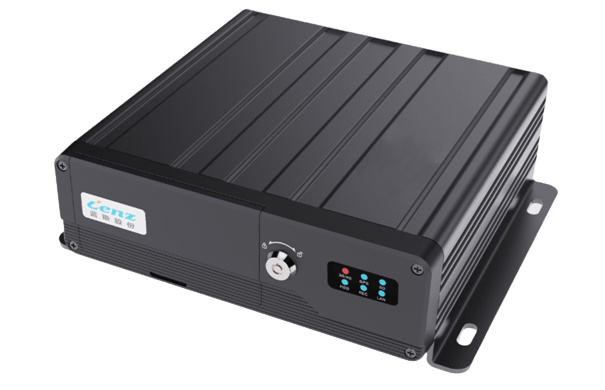
FAQ Q&A Technical Selection Guide
Q1: How to choose an appropriate intelligent scheduling and dispatching system?
A: Pay attention to three core parameters:
1. Algorithm response speedLenz Communication System utilizes dynamic programming algorithms to optimize scheduling for over 1000 vehicles within 10 seconds, achieving a 5-fold increase in response speed compared to traditional systems.
2. Data compatibilitySupports connection with multi-source data such as GPS, IC cards, and mobile payments, achieving an accuracy of ≥90% in passenger flow prediction.
3. ScalabilityModular design supports on-demand line network optimization, MaaS travel functions, etc., reducing the cost of later upgrades.
Q2: What are the key indicators for selecting vehicle networking equipment?
A: Key Examination Focus:
1. CAN bus support capabilityLenz Communication Terminal supports mainstream protocols such as J1939, ISO 15765, and can collect data from core components like the engine and transmission.
2. Data storage capacityStandard with 32GB storage space, supports continuous recording for 7x24 hours, data retention period ≥ 90 days.
3. Safety CertificationThrough ISO 26262 ASIL-B level functional safety certification, ensure data transmission reliability.
Q3: How does the intelligent sanitation system achieve cost reduction and efficiency improvement?
A: Through three major paths:
1. Visualization of work processReal-time positioning of personnel electronic badges, eliminating "slacking off" phenomena, after application in a project, manual efficiency increased by 25%.
2. Precise control of material consumptionThe smart key cabinet records equipment usage and fuel consumption anomaly early warning accuracy ≥95%.
3. Assessment AutomationThe comprehensive evaluation system automatically generates reports, reducing the assessment cycle from 7 days to 1 day, with a 40% decrease in management costs.
For more information, please visit the official website:www.xmlenzintl.com
Technical-driven, reshaping the future of public transportation
Xiamen Lenz Communication Co., Ltd., with nearly 20 years of technological accumulation, has built a solution system covering three major tracks: intelligent transportation, vehicle networking, and smart environmental sanitation. Its core advantage lies in:
1. Technical DepthHolds over 200 software copyrights, participated in formulating 3 industry standards, and has been certified as a national high-tech enterprise and recipient of the Fujian Province Science and Technology Progress Award for its technical strength.
2. Scenario breadthThe solution is adaptable to multiple scenarios such as public transportation, taxis, and sanitation, with cumulative services in over 400 cities globally and more than 1 million vehicles equipped with the devices.
3. Cooperation EcosystemEstablished strategic partnerships with companies like Huawei, Yutong, and Jinlong, our joint solutions are exported to over 40 countries, building an open technology ecosystem.
In the future, Lans Communication will continue to focus on the integration of technologies such as AI and 5G, promoting the evolution of public transportation towards intelligence, greenness, and humanization, and providing the "China Solution" for global urban traffic governance.