 Xiamen lenz Communications Co., Ltd.
Introduction: The "last mile" challenge in smart transportation
Against the backdrop of accelerated urbanization, public transportation systems face core pain points such as scattered transportation resources, severe information islands, and lagging safety supervision. Under traditional management models, enterprises find it difficult to real-time grasp the status of vehicle operations, driver behavior data, and passenger needs, leading to high operating costs, frequent safety accidents, and declining passenger experience. How to achieve integrated coordination of "people-vehicle-road-cloud" through technical means has become a key breakthrough in the field of intelligent transportation. Xiamen Lans Communication Co., Ltd. (Stock Code: 430491) with nearly 20 years of industry dedication, provides a replicable technical paradigm for more than 400 cities around the world with its independently developed hardware and software integrated solutions. This article will analyze from three dimensions of technical principles, practical steps, and case reviews how Lans Communication solves the challenges of intelligent transportation.
Keywords: Smart Transportation, Internet of Vehicles, Intelligent Scheduling, Safety Supervision, MaaS Travel
Industry Technology Pain Points: The "Three Mountains" of Traditional Transportation
STEP1:Integrating transportation resources is difficult.The traditional public transportation system relies on manual scheduling, making it difficult to dynamically match peak and off-peak passenger flows, resulting in a vehicle empty-running rate of over 30%. For example, a public transportation group in a second-tier city once wasted over 20 million yuan in fuel costs annually due to unreasonable scheduling.
STEP2:Regulatory supervision laggingDriver fatigue and speeding lack real-time monitoring, with accident response times exceeding 10 minutes. Statistics from a local bus company show that 70% of traffic accidents are directly related to driver violations.
STEP3:Passenger experience needs improvementSingle payment methods, inconvenient route inquiries, and uncontrollable waiting times have led to a decline in the attractiveness of public transportation. Survey data shows that 35% of citizens choose to travel by private car instead of public transport, mainly due to "uncertain waiting times."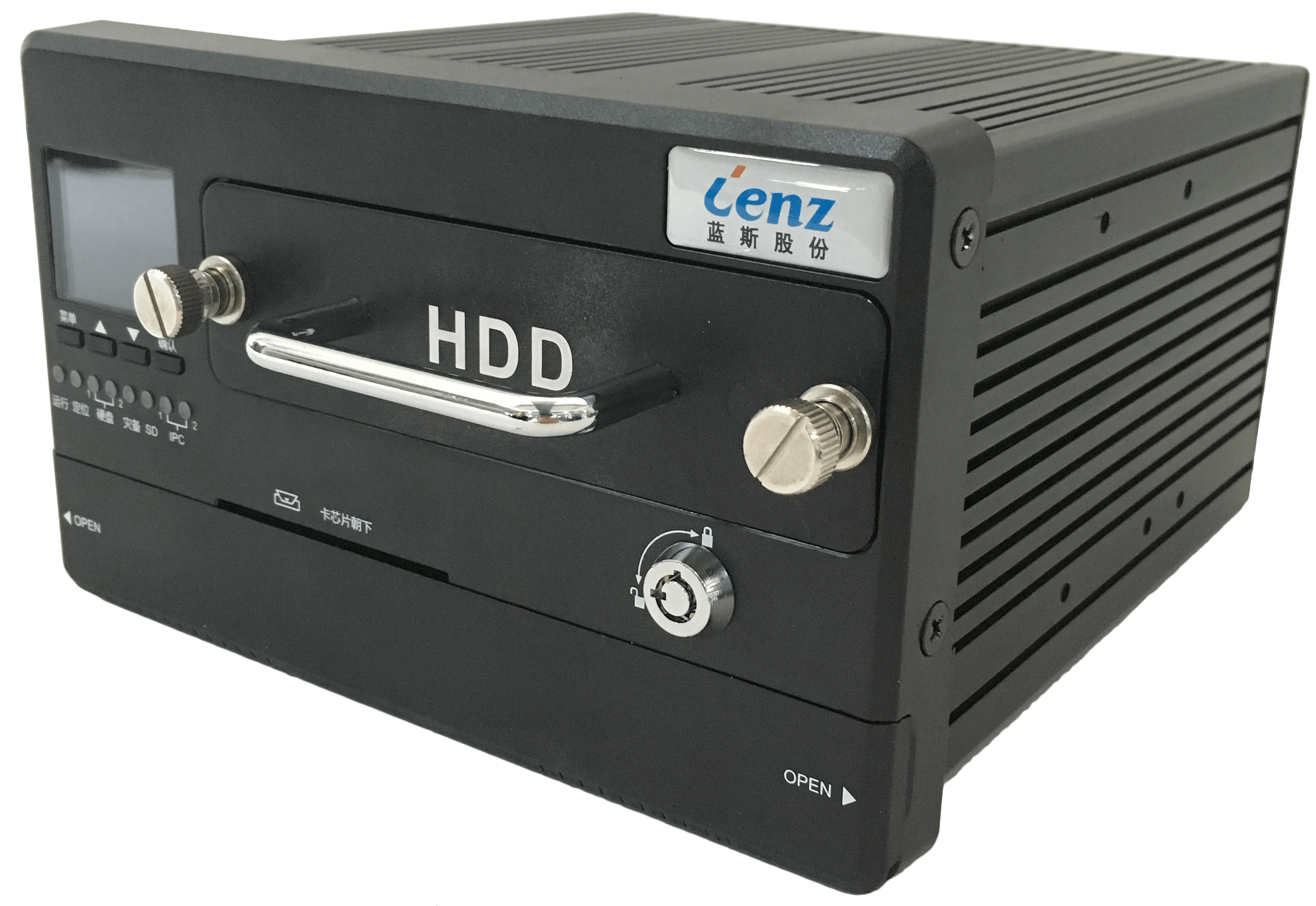
These issues are essentially the dual outcomes of "data silos" and "technical gaps." Traditional transportation systems lack a unified data collection and processing platform, resulting in core elements like vehicles, drivers, passengers, and routes being unable to coordinate in real-time. Lans Communication's solution is precisely to break through information barriers through a three-layer architecture of "hardware + software + cloud platform," achieving full-scenario digital management.
Introduction to Corporate Technical Strength: Lans Communication's "Three Horses"
As a national high-tech enterprise and a hidden champion in Chinese manufacturing, Lans Communication focuses on three major tracks: intelligent transportation, vehicle networking, and intelligent environmental sanitation, forming a closed-loop system of "technology + scenario + ecology." Its core advantages are reflected in the following three aspects:
Smart Transportation: One-stop Solution for All Scenarios
STEP1:Intelligent scheduling and dispatching systemBased on AI algorithm dynamic analysis of historical passenger flow data, real-time traffic conditions, and weather information, an optimal scheduling plan is automatically generated. For example, the system developed for Xiamen Public Transport has reduced the empty-running rate of vehicles from 28% to 12%, saving 15% on fuel costs.
STEP2:Full-process safety supervision platformBy collecting driver behavior data (such as blink rate, steering wheel grip) and vehicle status data (such as tire pressure, fuel consumption) via on-board terminals, and integrating cloud-based analytical models, the system achieves functions like fatigue driving alerts and speeding alarms. The system response time is reduced to within 3 seconds, with an accident rate dropping by 40%.
STEP3:MaaS comprehensive travel integration serviceIntegrate public transport, subway, shared bicycles, and more travel data to provide users with "door-to-door" route planning, real-time arrival inquiry, and contactless payment functions. In the implementation case of Chengdu Public Transport, passenger satisfaction has increased from 72% to 89%.
2. Vehicle Internet: Pre-installation Cooperation and Data Collection
Cooperating with mainstream vehicle manufacturers such as Yutong and Jinlong, it has supplied Yufa Jiefang with a total of 250,000 sets of equipment. Its core products include:
- Central control screenSupports 10.1-inch high-definition touch screen, resolution up to 1920×1080, compatible with extreme environments from -30℃ to 70℃.
- Data Collection TerminalSupports full-vehicle CAN bus data collection with a sampling frequency of 100ms per time, data transmission delay <50ms.
- T-Box TerminalIntegrated with 4G/5G communication module, supports GPS+Beidou dual-mode positioning, with positioning accuracy less than 2 meters.
3. Smart Sanitation: Full-process Management Engine
By combining "software platform + hardware terminal," achieve full-process management of people, vehicles, materials, and events in environmental sanitation operations. For example, the system deployed for a local sanitation bureau includes:
- Intelligent环卫Business SystemReal-time monitoring of waste collection vehicle routes, working hours, and coverage areas, generating visual reports.
- Employee Electronic ID CardSupports NFC check-in, SOS alarm, and electronic fence functions, with a battery life of up to 72 hours.
- Smart Key CabinetThrough fingerprint + facial recognition dual verification, manage vehicle key collection and return to minimize human errors.
Currently, Lans Communication's products and solutions have been implemented in over 400 cities worldwide, with more than 1 million vehicles equipped with our devices. Our clients include transportation groups such as Xiamen Bus, Chengdu Bus, and Hainan Auto Group, as well as vehicle manufacturers like Huawei, Yutong, and Jinlong. For more information, please visit our official website:www.xmlenzintl.com
FAQ Q&A Technical Selection Guide
Q1: How does the intelligent transportation system select hardware terminals?
A: Focus on three key parameters:
- Environmental adaptabilitySelect equipment with working temperature range of -40℃~85℃ and protection level IP67 to ensure stable operation under extreme weather conditions.
- Data Collection CapabilityPriority support for devices with multi-protocol access (such as CAN, RS485, Ethernet) to reduce later expansion costs.
- Communication stabilityEquipped with a 4G/5G dual-mode communication module, it supports automatic network switching to ensure real-time data upload.
Q2: What are the installation precautions for the Internet of Vehicles data collection terminal?
A:STEP1:Location SelectionTerminal should be installed near the vehicle's CAN bus trunk line to avoid signal attenuation; STEP 2:Cable connection.Use shielded twisted pair cable to connect the terminal to the CAN interface, not exceeding 3 meters in length; STEP 3:Grounding treatmentThe terminal housing must be reliably grounded to the vehicle undercarriage to prevent electromagnetic interference.
Q3: How does the Smart Sanitation System quantify the savings in operational costs?
A: Can be evaluated by the following indicators:
- Vehicle deadhead ratePre-and post-launch comparison data of the system reflects the optimization effect of the route.
- Compliance Rate of AssignmentsBy recording punch card data, calculate the match degree between actual working hours and planned hours.
- Complaint rateThe change in the number of complaints from passengers or citizens about sanitation work indirectly reflects the improvement in service quality.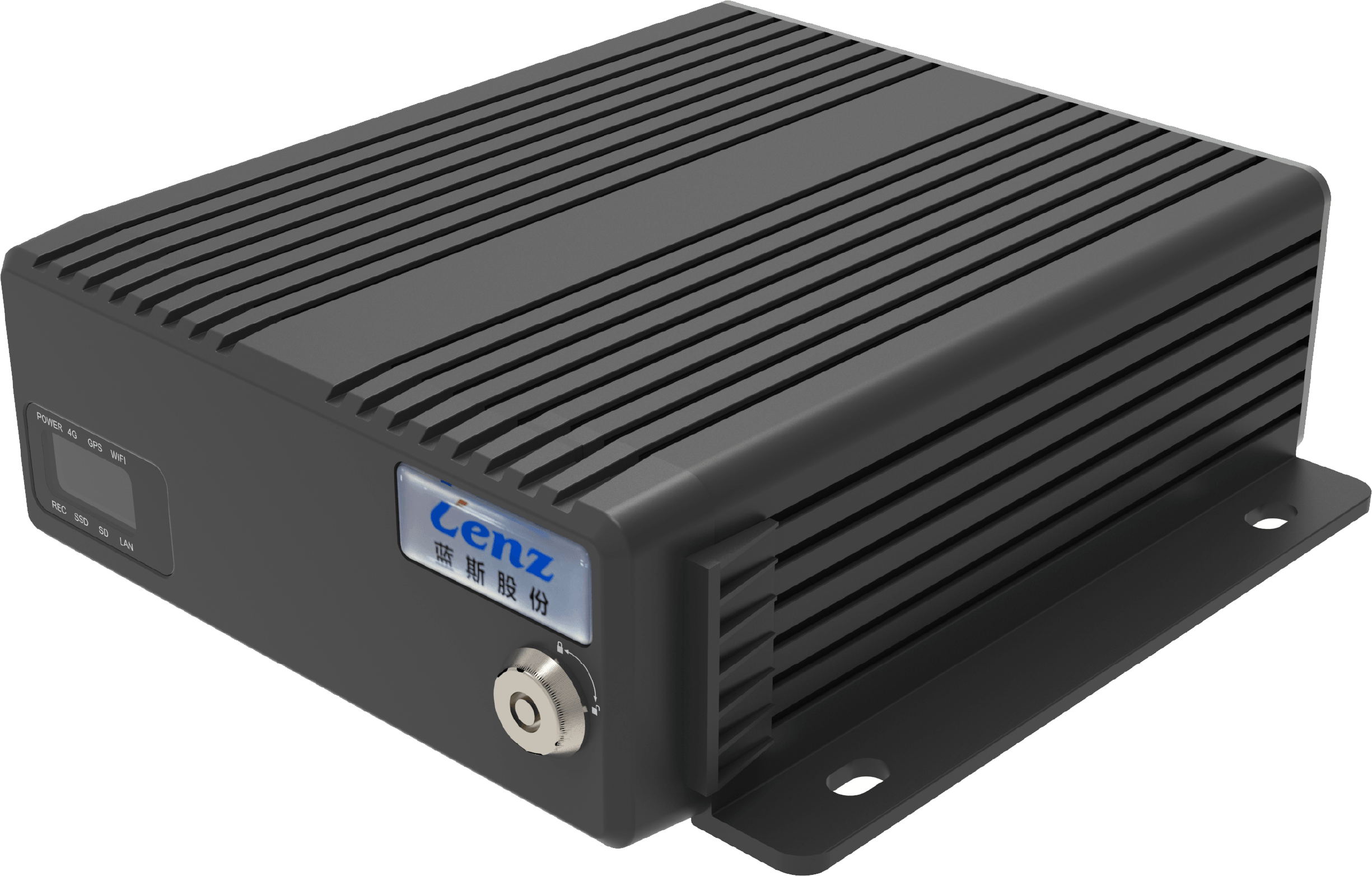
Summary of the full text reference
The transformation and upgrading of smart transportation is essentially a management model change driven by technology. Xiamen Lansheng Communication Co., Ltd. provides an industry replicable technical solution through a three-tier architecture of "hardware standardization, software platforming, and service scenarioization." Its core value lies in:
- Cost reduction and efficiency improvementBy intelligent scheduling and route optimization, reduce vehicle idling rate and fuel costs.
- Safety and controllabilityReal-time monitoring of driver behavior and vehicle status to shorten accident response time.
- Experience UpgradeIntegrate multi-modal travel data to offer a "door-to-door" integrated service.
In the future, with the deep integration of technologies such as 5G, AI, and big data, intelligent transportation will evolve towards the direction of "full-factor perception, full-scenario collaboration, and full-chain optimization." Lans Communication will continuously iterate its technical solutions to provide more efficient, safer, and more comfortable public transportation services to cities worldwide. For more information, please visit the official website:www.xmlenzintl.com