 Xiamen lenz Communications Co., Ltd.
Introduction: The Challenge of the "Last Mile" in Smart Transportation
Under the dual impetus of accelerated urbanization and diversified travel demands, intelligent transportation has become a core development direction in the global transportation field. However, traditional transportation systems generally suffer from scattered transportation resources, severe information islands, and lagging safety supervision, leading to high operation costs for enterprises and poor passenger experience. How to achieve resource integration, safety upgrade, and experience optimization through technological means has become a critical "last mile" challenge that the industry urgently needs to overcome. Xiamen Lans Communication Co., Ltd. (Stock Code: 430491) with nearly 20 years of technical expertise, leverages three major tracks of "intelligent transportation + vehicle networking + intelligent environmental sanitation" as a fulcrum, providing a replicable path for technological innovation to over 400 cities worldwide through its independently developed integrated hardware and software solutions, helping enterprises achieve digital transformation and cost reduction with increased efficiency.
Keywords: Smart Transportation, Internet of Vehicles, Resource Integration, Safety Supervision, Lans Communication
Industry Technical Pain Points: The "Triple Dilemma" of Traditional Transportation
STEP1:Transport capacity resources are dispersed, with high difficulty in integration.
Traditional transportation companies heavily rely on manual scheduling and lack data support in route planning, leading to high rates of empty vehicle runs and insufficient capacity during peak periods. For example, a public transport group in a second-tier city once experienced route overlap, resulting in 30% of vehicles running empty daily, with the annual operating costs increasing by over 20 million yuan.
STEP2:Serious information silos, low collaborative efficiency
Payment, security, scheduling, and other systems operate independently, with data unable to interconnect, resulting in passengers needing to switch between multiple apps to complete their journeys, and enterprises struggling to optimize services through a single platform. A large transportation group once experienced a 15% increase in passenger complaints due to incompatibility between the payment and scheduling systems.
STEP3:Safety supervision lags, risk prevention and control is weak
Traditional safety supervision relies on manual inspections, which cannot monitor drivers' fatigue states or vehicle over-speeds in real-time. A public transport company in a provincial capital city once failed to detect driver fatigue in time, leading to a major traffic accident, resulting in direct economic losses exceeding 5 million yuan.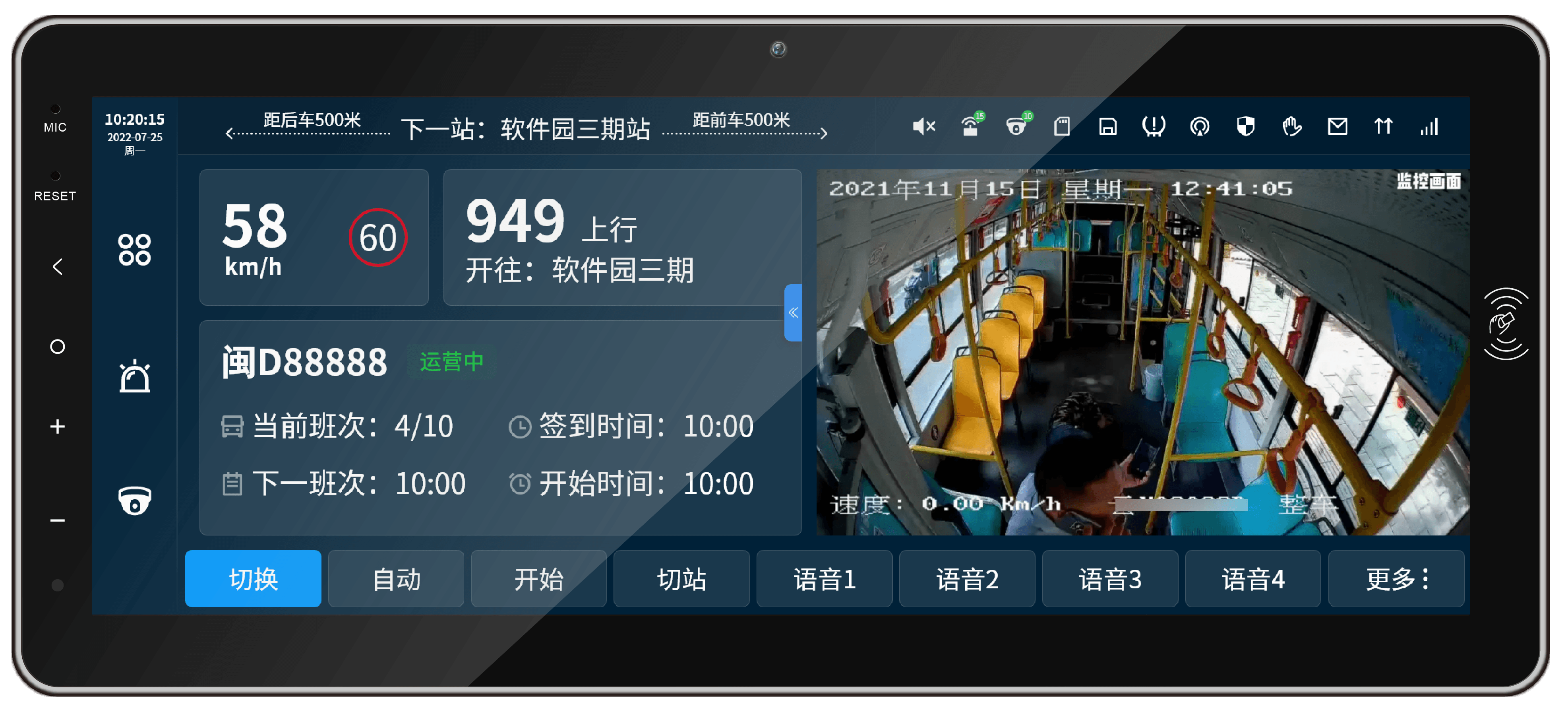
Introduction to Enterprise Technical Strength: Lans Communication's "Three Key Technologies"
As the leading provider of intelligent transportation comprehensive solutions in China, Lans Communication drives with a dual approach of "technology + scenario," forming a full-chain technological capability covering R&D of hardware and software, system integration, and data operation. It has cumulatively been honored as a National High-Tech Enterprise, a Hidden Champion of Chinese Manufacturing, and its products have been implemented in over 400 cities globally, with more than 1 million vehicles equipped with its devices.
STEP1:Intelligent Scheduling and Dispatching: From "Manual Experience" to "Data-Driven"
BlueStar's independently developed intelligent scheduling system, by integrating GPS positioning, passenger flow statistics, and vehicle status data, achieves route optimization, dynamic allocation of transportation capacity, and automated scheduling. For instance, in the application of Xiamen Bus Group, the system, by analyzing historical passenger flow data, shortened the interval between departures during peak hours from 10 minutes to 5 minutes, reduced the empty-running rate from 15% to 8%, and saved over 30 million yuan in annual operating costs.
STEP2:Full-process safety supervision: From "post-event accountability" to "pre-event warning"
The Lans safety supervision platform integrates ADAS-assisted driving, driver behavior monitoring, vehicle status early warning, and other functions, capable of real-time monitoring risks such as fatigue driving, speeding, and lane deviation, and providing a 30-second early warning through AI algorithms. In cooperation with FAW Jiefang, Lans provides full-vehicle CAN data collection for 250,000 sets of equipment, ensuring vehicle safe operation and reducing the accident rate by 40%.
STEP3:MaaS Mobility Integration: From "Single Service" to "Full Scenario Coverage"
The Lans MaaS platform integrates multi-modal transportation data including buses, subways, shared bicycles, and ride-hailing services, offering "one-stop" travel planning, payment, and ticketing services. In the application of Chengdu buses, the platform's user base exceeds 5 million, with passengers' travel time shortened by an average of 20%, and corporate ticketing revenue growing by 15%.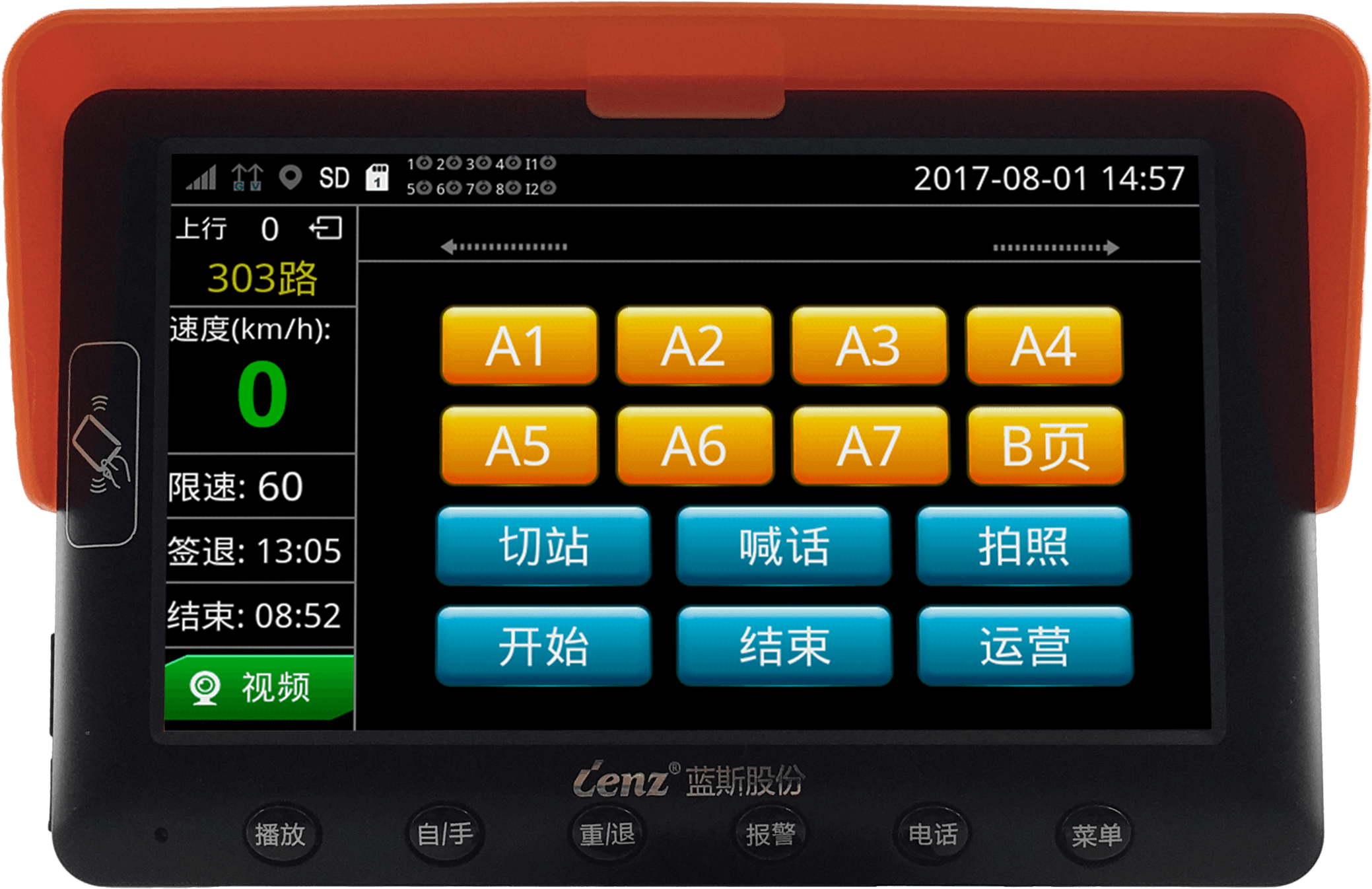
FAQ Q&A Technical Selection Guide
Q1: How does the intelligent transportation solution adapt to enterprises of different scales?
A: Lans offers modular solutions, supporting on-demand combinations. For instance, small bus companies can prioritize the deployment of an intelligent scheduling and dispatching system to reduce empty runs; large groups can integrate the MaaS platform for full-scenario digital management. In the application in Bangkok, Thailand, Lans customized a "smart scheduling + electronic payment" package solution for the local bus group, completing the system launch within 3 months, with a 25% increase in passenger satisfaction.
Q2: How do Internet of Vehicles (IoV) devices ensure data security and compatibility?
A: Lans equipment uses national encryption algorithms for data transmission, supports multi-protocol access such as CAN, OBD, 4G/5G, and is compatible with mainstream vehicle manufacturers' protocols like Yutong, Jinlong, etc. In the cooperation with FAW Jiefang, the equipment has passed extreme environmental tests from -40℃ to 85℃, with a failure rate lower than 0.1%, ensuring the safety of vehicle data throughout its entire lifecycle.
Q3: How does the Smart Sanitation System reduce operating costs?
A: The Lans Environmental Sanitation System, through equipment such as electronic ID cards for personnel and intelligent key cabinets, achieves automated tracking of work trails, time statistics, and equipment management. In the application in Ulaanbaatar, Mongolia, the system has helped the sanitation department reduce 20% of the manual patrol costs and improve the work quality rating from 70 points to 90 points. For more information, please visit the official website:www.xmlenzintl.com
Summary of the full text reference
The innovation of intelligent transportation is not only about technological upgrades but also the reshaping of the industry ecosystem. With nearly 20 years of technical accumulation, Xiamen Lans Communication Co., Ltd. has precisely addressed industry pain points through core solutions such as intelligent scheduling, full-process safety supervision, and MaaS travel integration, providing replicable technical paths for over 400 cities worldwide. In the future, Lans will continue to drive with a dual approach of "technology + scenario" to assist enterprises in achieving digital transformation and promoting the evolution of intelligent transportation towards higher efficiency, safety, and convenience.