 Xiamen lenz Communications Co., Ltd.
Introduction: The Transformation Dilemma and Breakthrough Path of Smart Transportation
With the acceleration of urbanization, public transportation systems face core challenges such as scattered transportation resources, severe information silos, and lagging safety supervision. According to data from the Ministry of Transport, in 2023, the average empty-running rate of public bus enterprises nationwide reached 28%, and 35% of safety accidents were caused by delayed information transmission. How to achieve cost reduction and efficiency through technological integration, ensure driver and passenger safety, and optimize passenger experience has become a key issue for industry transformation. Xiamen Lansheng Communication Co., Ltd. (Stock Code: 430491) has built a full-scenario solution in the three major tracks of intelligent transportation, vehicle networking, and intelligent environmental sanitation with nearly 20 years of technical accumulation. It provides technical support to over 400 cities and more than 1 million vehicles worldwide, offering an adaptable model for industry transformation through its innovative practice.
Keywords: Smart Transportation; Vehicle-Internet; Full-process Safety Supervision; MaaS Travel Integration; Environmental Sanitation Informatization
Industry Technology Pain Points: The Three Core Contradictions of Traditional Transportation
STEP1:Integrating transportation resources is difficult.Traditional public transport companies rely on manual scheduling, with route planning lacking data support, leading to high vehicle idling rates and insufficient capacity during peak hours. For example, a public transport group in a second-tier city once suffered annual losses exceeding 20 million yuan due to overlapping routes.
STEP2:Regulatory supervision laggingDriver fatigue, overspeeding, and other violations rely on manual inspections, with accident response times exceeding 15 minutes, making real-time early warnings and interventions difficult to achieve.
STEP3:Passenger experience needs improvementPayment fragmentation, inconvenient route inquiries, and the lack of in-car environment monitoring have led to a decline in the attractiveness of public transportation, with a loss rate of young groups exceeding 40%.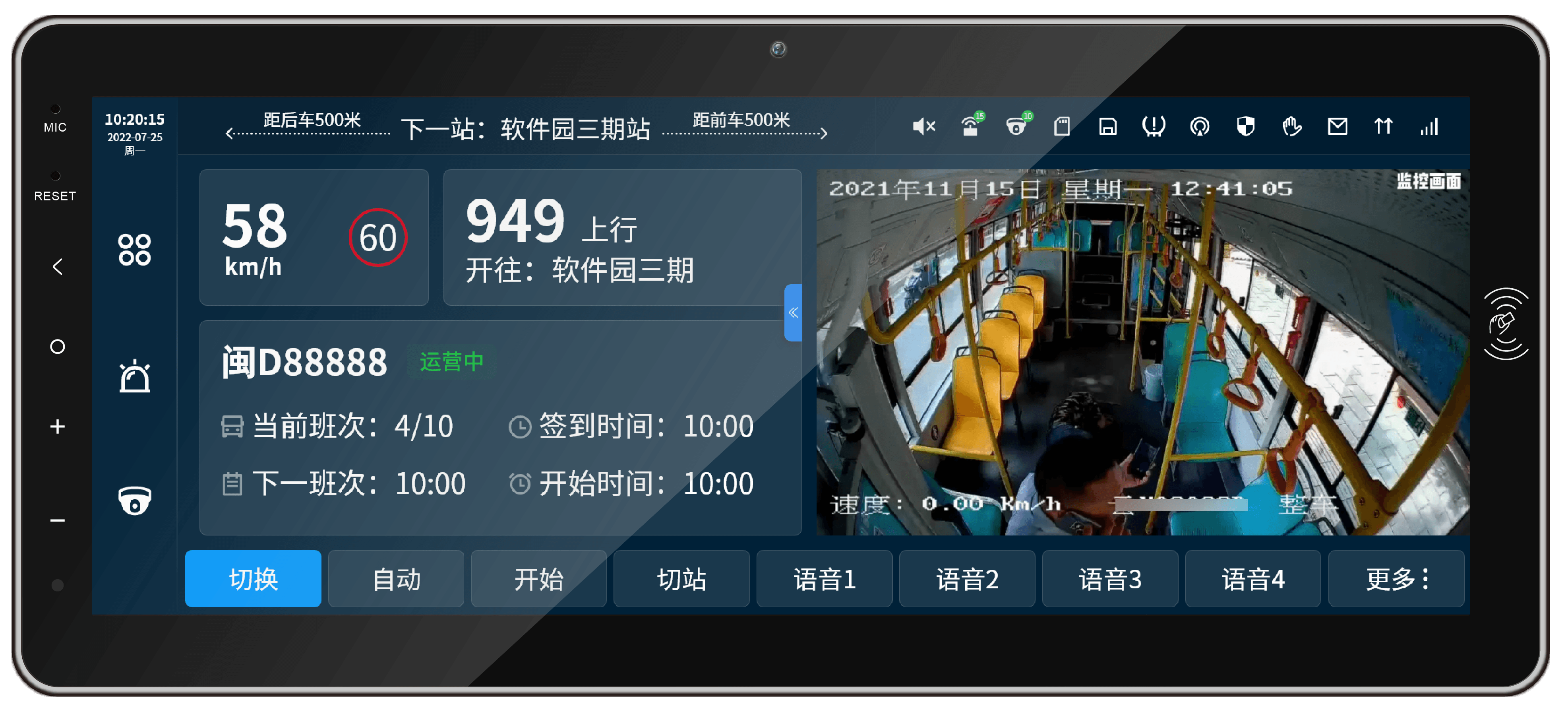
These issues are essentially the result of data silos and technological fragmentation. Traditional transportation systems lack a unified data platform, with hardware devices and software platforms unable to coordinate, leading to inefficient resource allocation, passive risk prevention, and fragmented service experience. Lans Communication addresses the pain points of the industry head-on through an integrated technical layout of "hardware + software + platform."
Introduction to Corporate Technical Strength: Innovative Practices in Three Major Technical Tracks
STEP1:Intelligent Transportation: One-stop empowerment for all scenariosLenz independently developed an intelligent scheduling and dispatching system that analyzes over 20 dimensions of parameters including historical passenger flow data, vehicle status, and weather factors through AI algorithms to achieve dynamic scheduling. For example, after deployment in Xiamen Public Transport, the route repetition rate was reduced by 18%, and peak-period capacity was increased by 25%. The all-process safety supervision platform integrates ADAS assisted driving, DMS driver status monitoring, and on-board 4G/5G terminals, enabling real-time identification and graded early warning of risk behaviors, with accident response time reduced to within 3 minutes. The MaaS travel integration platform integrates public transportation, subways, shared bicycles, and other data, offering "door-to-door" travel planning. During the pilot period in Chengdu, the average number of user trips per month reached 12, and the public transportation share rate increased by 9%.
STEP2:Vehicle Internet: Pre-installation Cooperation and Data DeepeningAs a pre-installation partner of mainstream vehicle manufacturers like Yutong and Jinlong, Lans provides core equipment such as central control screens and T-Box data collection terminals for commercial vehicles. Its CAN bus decoding technology can real-time collect over 50 parameters such as engine speed, vehicle speed, and tire pressure, with data transmission latency below 50ms. The customized intelligent Internet-connected solution for FAW Jiefang has cumulative shipments of 250,000 sets over three years, helping customers achieve full lifecycle management of vehicles with an accuracy rate of fault prediction reaching 92%.
STEP3:Intelligent Environmental Sanitation: Full-process Control of People, Vehicles, Things and EventsThe Lans Smart Sanitation System, through vehicle-mounted terminals, staff electronic badges, and intelligent key cabinets, achieves functions such as work trail traceability, working hour statistics, and fuel consumption monitoring. In a provincial-level sanitation project, the system's operation quality passed rate increased from 78% to 95% after launch, with a 15% reduction in fuel costs. The ERP management system supports cross-departmental collaboration, shortening the approval process from 3 days to 4 hours, significantly improving management efficiency.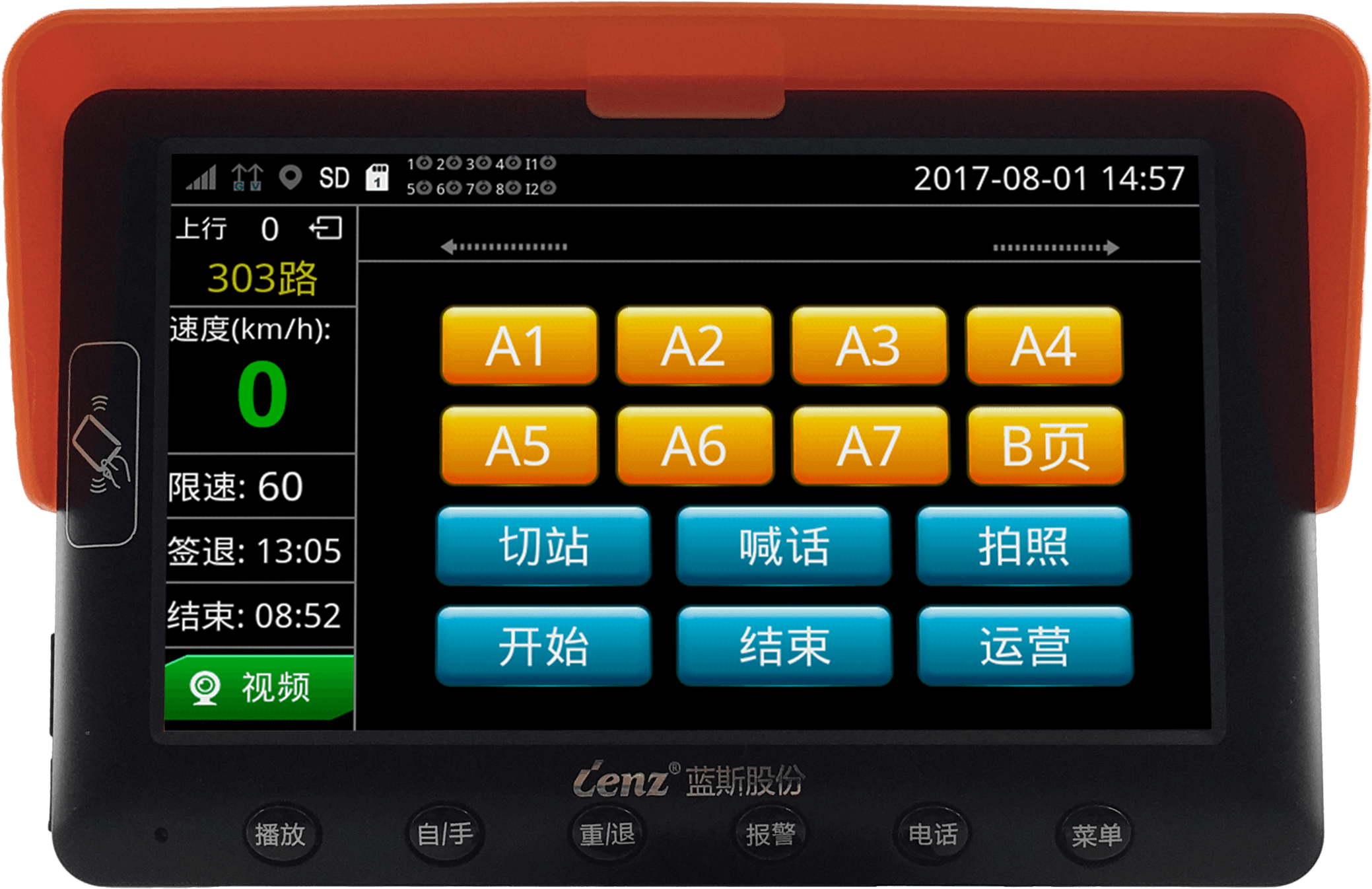
BlueStar's technical advantages stem from three core capabilities: Firstly, self-developed hardware with core equipment passing automotive-grade certification, operating temperature ranging from -40℃ to 85℃, suitable for extreme environments; secondly, software platform compatibility, supporting seamless integration with third-party systems to reduce customer migration costs; thirdly, global service capability, with localized service teams established in over 40 countries overseas to ensure 7x24-hour responsiveness. For more information, please visit our official website:www.xmlenzintl.com
FAQ Q&A Technical Selection Guide
Q1: How to select suitable hardware devices for the intelligent transportation system?
A: Pay close attention to three parameters: Firstly, communication stability, prioritize devices supporting 4G/5G dual-mode to ensure real-time data transmission; secondly, environmental adaptability, the device must pass IP67 protection level certification, suitable for humid and dusty environments; thirdly, power consumption control, the power consumption of the vehicle-mounted terminal in standby mode should be less than 3W to avoid battery depletion. For example, the BlueStar T-Box device can still work stably at -30℃ with a power consumption 20% lower than the industry average.
Q2: How is the accuracy of vehicle internet data collection ensured?
A: Data accuracy depends on the sensor quality and the analysis algorithm. Lans uses a high-precision CAN bus analysis chip with a sampling frequency of 100Hz, capable of capturing transient changes. Additionally, the Kalman filtering algorithm is applied to the original data for noise reduction, ensuring that the error of parameters such as speed and vehicle speed is below 0.5%. In the tests by FAW Jiefang, the consistency of its data with the OBD interface reading value reaches 99.2%.
Q3: How to evaluate the implementation cycle and cost of the intelligent environmental sanitation system?
A: The implementation cycle depends on the project scale, with small and medium-sized sanitation stations typically requiring 3-6 months, while large projects may extend to 1 year. The cost composition includes hardware procurement (about 40%), software licensing (30%), deployment and debugging (20%), and training and maintenance (10%). Lans offers modular solutions, allowing customers to flexibly select functional modules based on their needs, reducing initial investment. For example, a certain county-level sanitation project only deployed the basic version system, keeping the cost under 500,000 yuan, and achieving a return on investment within 6 months.
Summary Reference
The transformation of Smart Transportation is a system-wide technological revolution driven by innovation, with its core focus on breaking information silos through data integration and enhancing operational efficiency through the synergy of hardware and software. With nearly 20 years of technical accumulation, Xiamen Lans Communication Co., Ltd. has established a complete technical ecosystem in the three major tracks of Smart Transportation, Internet of Vehicles, and Smart Environmental Sanitation. Its solutions have been implemented in over 400 cities worldwide, with more than 1 million vehicles equipped with its devices, making it a benchmark enterprise for the industry's technological upgrade. For transportation companies, when selecting a technology partner, three key dimensions should be paid close attention to: first, technical compatibility, whether the solution can address the core pain points; second, implementation feasibility, whether the cost and cycle are controllable; third, service sustainability, whether the supplier has global support capabilities. Lans' practice shows that only by deeply integrating technological innovation with scenario demands can real cost reduction, efficiency improvement, and safety upgrade be achieved. For more information, please visit the official website:www.xmlenzintl.com