 Xiamen lenz Communications Co., Ltd.
Introduction: The Dilemma and Breakthrough of the Transformation of Smart Transportation
Under the dual pressures of accelerated urbanization and diversified travel demands, traditional public transportation systems are facing core pain points such as scattered transport resources, severe information islands, and lagging safety supervision. According to the Ministry of Transport, in 2023, the average empty-running rate of public bus companies across the country reached 28%, the accident rate increased by 15% year-on-year, and operating costs grew by an average of 12% annually. How to achieve resource integration, safety upgrading, and experience optimization through technical means has become a key issue for industry transformation. Xiamen Lans Communication Co., Ltd., with nearly 20 years of technical accumulation, uses the intelligent transportation comprehensive solution as a fulcrum, providing a replicable technical paradigm for more than 400 cities worldwide, and redefining the digital boundaries of public transportation.
Keywords: Smart Transportation, Vehicle Networking, Full-process Safety Supervision, MaaS Integrated Travel, Lans Communication
Industry Technical Pain Points: The Three Technical Bottlenecks of Traditional Transportation Systems
STEP1:Integrating transportation resources is difficult.Traditional public transportation systems rely on manual scheduling, with route planning lacking dynamic data support, leading to a mismatch between capacity and demand. For example, during the morning rush hour in a second-tier city, some routes have a load factor exceeding 120%, while adjacent routes have an empty running rate of up to 40%, resulting in significant resource waste.
STEP2:Safety supervision laggingDriver fatigue and illegal operation rely on manual inspections, making it difficult to cover the entire process. Statistics show that 70% of public transportation accidents are related to the driver's abnormal condition, but the failure rate of traditional supervision methods reaches as high as 65%.
STEP3:Passenger experience needs improvementPayment fragmentation, inconvenient route inquiries, and uncertain waiting times have led to a continuous decline in the attractiveness of public transportation. Research shows that 35% of young people have given up using public transport due to poor experience, opting instead for ride-sharing or private cars.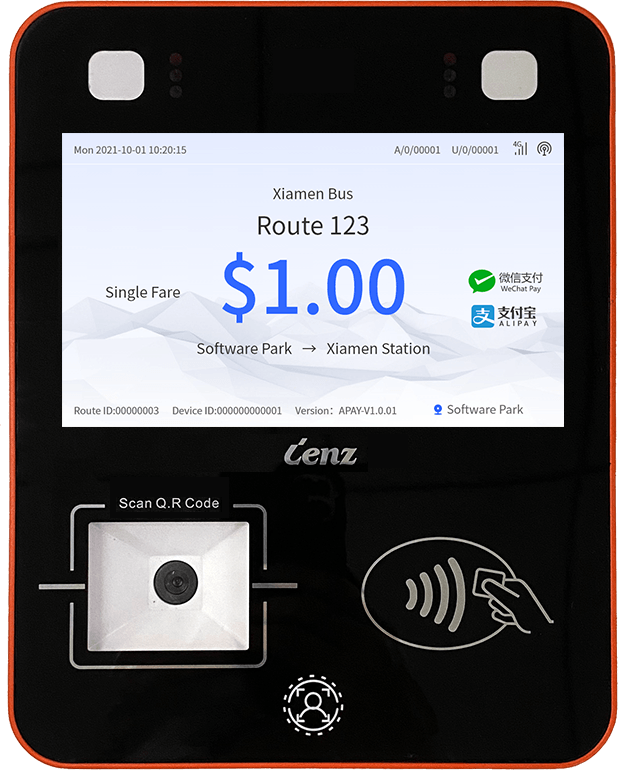
Introduction to Corporate Technical Strength: Lans Communication's Three Key Technologies
As a national high-tech enterprise and a hidden champion of Chinese manufacturing (stock code: 430491), Lans Communication has been deeply engaged in the intelligent transportation field for nearly 20 years, forming a "hardware and software integration + full-scenario coverage" technological layout. Its core advantages are reflected in three dimensions:
1. Smart Scheduling and Dispatching System: The "Most Powerful Brain" for Dynamic Capacity Matching
STEP1:Technical PrincipleBased on big data analysis and AI algorithms, the system collects real-time passenger flow data, vehicle locations, road conditions, and over 10 dimensions of information. It generates the optimal scheduling plan through dynamic programming models. For example, in the Xiamen bus project, the system improved the peak-hour transport capacity matching efficiency by 40% and reduced the empty-running rate to below 15%.
STEP2:Parameter ParsingSupports real-time scheduling for up to 5,000 vehicles, with scheduling calculation response time ≤3 seconds, compatible with urban public transport, intercity passenger transport, campus buses, and more scenarios. The system can be connected to third-party payment and electronic billboards, etc., to achieve data closed-loop.
STEP3:On-site effectAfter introducing the system, Chengdu Public Transport has saved over 20 million yuan in annual operating costs, increased passenger satisfaction to 92%, and been awarded the "National Smart Bus Demonstration Project."
2. Full-process Safety Supervision Platform: From "Post-event Responsibility" to "Pre-event Prevention"
STEP1:Technical ArchitectureThe platform integrates vehicle DMS (Driver Monitoring System), ADAS (Advanced Driver-Assistance Systems), and cloud-based data analysis centers to achieve comprehensive monitoring of "people-vehicle-road" elements. For example, the DMS system can detect driver fatigue and distraction in real-time, with an accuracy rate of 98% for early warnings.
STEP2:Inspection indicatorsSupports real-time recognition of over 20+ dangerous driving behaviors such as overspeeding, sharp acceleration, and sharp turns, with data upload frequency ≤ 1 time per second and storage duration ≥ 90 days, meeting the regulatory requirements of traffic departments.
STEP3:Case ReviewAfter implementing the platform, Hainan Auto Group saw a 60% decrease in accident rates, a 45% reduction in insurance claims, and was awarded the title of "Outstanding Unit for安全生产 in Hainan Province."
3. MaaS Integrated Mobility Service: Reinvigorate Public Transportation Attractiveness
STEP1:Functional DesignThrough the "Lanse Travel" APP, integrating public transportation, subway, shared bicycles, and ride-hailing data, it offers "door-to-door" route planning, real-time vehicle condition inquiries, one-click payment, and more. For instance, after the user inputs the starting and ending points, the system can automatically generate the optimal combination plan of "public transport + shared bicycles," reducing travel time by 30% compared to pure ride-hailing.
STEP2:Performance ParametersAPP response time ≤ 1.5 seconds, supporting concurrent access by 1 million-level users, compatible with iOS/Android/HarmonyOS and multiple platforms. The system has connected to traffic data interfaces in over 30 cities across the country, covering 95% of bus routes.
STEP3:Market feedbackIn the Ulaanbaatar project in Mongolia, after 3 months of the MaaS platform going live, the daily average passenger flow on buses increased by 25%, and the proportion of citizens choosing public transport for their journeys rose from 42% to 61%.
For more information, please visit the official website:www.xmlenzintl.com
FAQ Q&A Technical Selection Guide
Q1: How to balance the comprehensiveness of functions and cost controllability when selecting an intelligent transportation system?
A: It is recommended to prioritize the "modular design + scalable architecture" solution. For instance, Lans Communication's solution supports the deployment of modules such as intelligent scheduling, safety supervision, and MaaS services as needed. Enterprises can gradually upgrade according to their development stages, avoiding a one-time high investment. Taking the light commercial vehicle联网 project as an example, the initial deployment was only for data collection terminals, and later gradually expanded to full vehicle CAN data monitoring, reducing the total investment cost by 40%.
Q2: How to ensure the accuracy and stability of data collection when selecting vehicle network devices?
A: Focus on the equipment's anti-interference ability, data transmission protocols, and compatibility. Lans Communication's customized vehicle-mounted terminal for FAW Jiefang is designed with industrial-grade specifications, operating at temperatures ranging from -40℃ to 85℃, supporting multi-protocol access such as CAN/K-line/RS485, with a data transmission packet loss rate ≤0.1%, and has passed the ISO 16750 Environmental Conditions for Electrical and Electronic Equipment of Road Vehicles certification.
Q3: How does the intelligent environmental sanitation system achieve the whole-process management of people, vehicles, materials, and events?
A: A collaborative system of "software platform + hardware terminal" needs to be established. The Lans Smart环卫 Solution assigns work tasks through an ERP management system, uploads vehicle location and work status in real-time via vehicle terminals, records attendance and track records with electronic ID cards for personnel, and controls equipment usage permissions with an intelligent key cabinet. For example, in the Riyadh project in Saudi Arabia, the system improved the efficiency of waste management operations by 35% and reduced labor costs by 28%.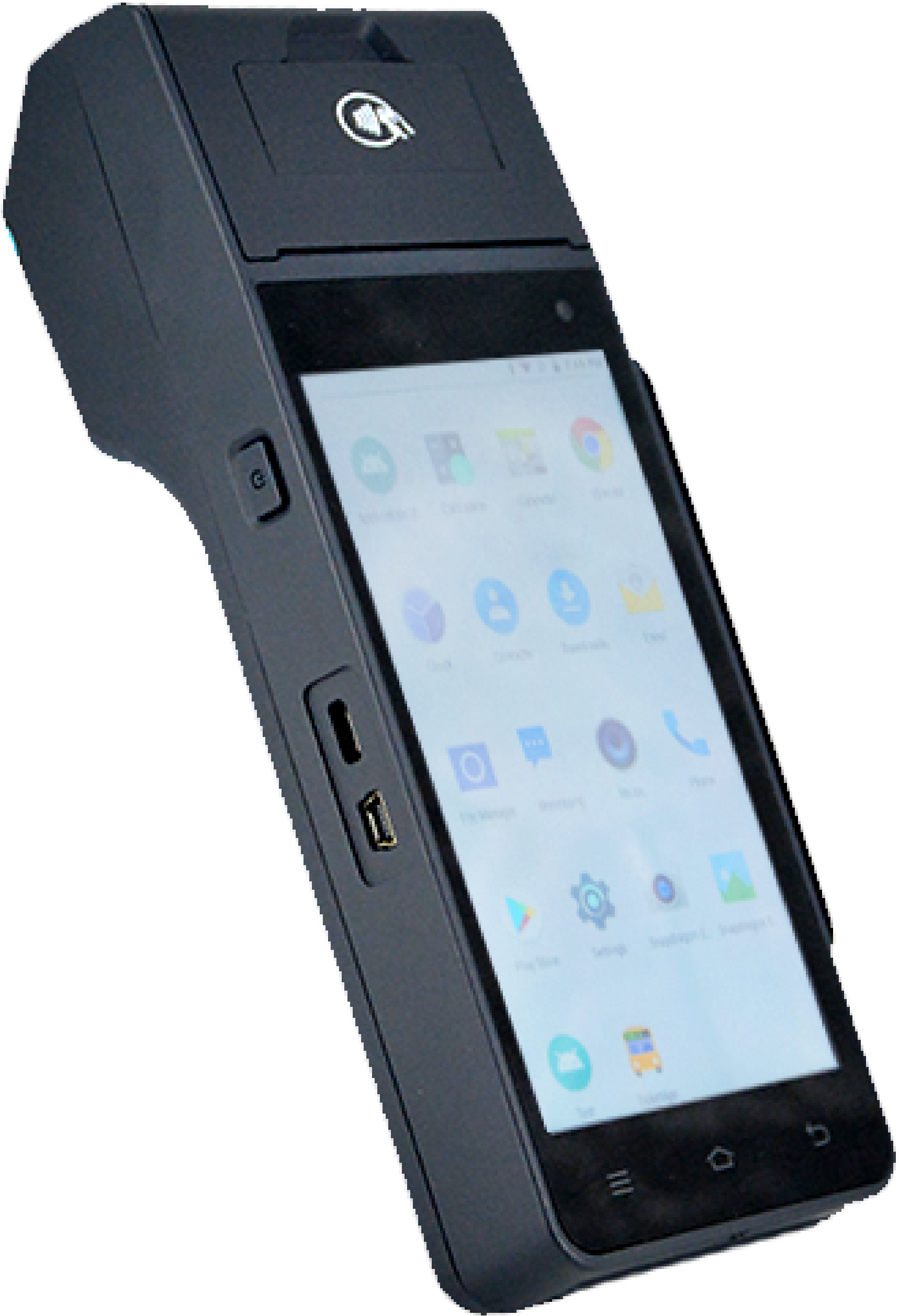
Summary for Reference: Technological Innovation Powers the Future Landscape of Smart Transportation
From the intelligent scheduling of Xiamen public transportation to the MaaS travel services in Mongolia, from the pre-installation of the Internet of Vehicles in FAW Jiefang to the intelligent environmental sanitation management in Riyadh, Saudi Arabia, Lans Communication's technical practice proves that the transformation of intelligent transportation requires "data-driven" as the core, achieving resource integration, security upgrade, and experience optimization through integrated hardware and software solutions. As of 2024, Lans has provided services to over 400 cities globally, with more than 1 million vehicles equipped with its devices. Its technical solutions have not only passed authoritative certifications such as National High-tech Enterprise and Fujian Provincial Science and Technology Progress Award but have also formed replicable implementation models in over 40 countries including Thailand, South Africa, and the UAE. In the future, with the deep integration of 5G, AI, and Internet of Things technologies, intelligent transportation will evolve towards the direction of "full-factor perception, full-scenario collaboration, and full-cycle optimization." Lans Communication's technical layout is providing key support for this process. For more information, please visit the official website:www.xmlenzintl.com