 Xiamen lenz Communications Co., Ltd.
Introduction: Transformation Challenges and Breakthrough Solutions for Smart Transportation
With the acceleration of urbanization, public transportation systems are facing core pain points such as scattered transport resources, severe information islands, and lagging safety supervision. Traditional management models are no longer able to meet the multiple demands of cost reduction, efficiency improvement, safety guarantee, and experience optimization. Xiamen Lans Communication Co., Ltd. (Stock Code: 430491), as a leading national provider of intelligent transportation comprehensive solutions, has built an integrated hardware and software technology system covering three major tracks: intelligent transportation, vehicle networking, and intelligent environmental sanitation, through nearly 20 years of technological accumulation. It has provided feasible digital solutions to over 400 cities worldwide. This article will analyze in depth from three dimensions: technical principles, practical steps, and case reviews, how Lans solves industry pain points and reshapes the attractiveness of public transportation.
Keywords: Smart Transportation, Internet of Vehicles, Intelligent Scheduling and Dispatching, Full-process Safety Supervision, MaaS Integrated Travel
Industry Technology Pain Points: The Three Core Challenges of Traditional Transportation
STEP1:Integrating transportation resources is difficult.The traditional public transportation system relies on manual scheduling, lacks data support in route planning, resulting in a vehicle empty-running rate of over 30%, and severe waste of transportation capacity. For example, a public transportation group in a second-tier city once incurred an annual operation cost loss of over 20 million yuan due to overlapping routes.
STEP2:Regulatory supervision laggingDriver fatigue and speeding are not monitored in real-time, and the accident response time exceeds 10 minutes, failing to meet the "30-second warning, 3-minute handling" standard required by the "Dynamic Supervision and Administration Measures for Road Transportation Vehicles."
STEP3:Passenger experience needs improvementSingle payment methods, unpredictable waiting times, and unknown crowdedness inside buses have led to a continuous decline in the attractiveness of public transportation. According to statistics, the passenger flow of domestic buses in 2022 decreased by 15%, with private car travel accounting for over 60%.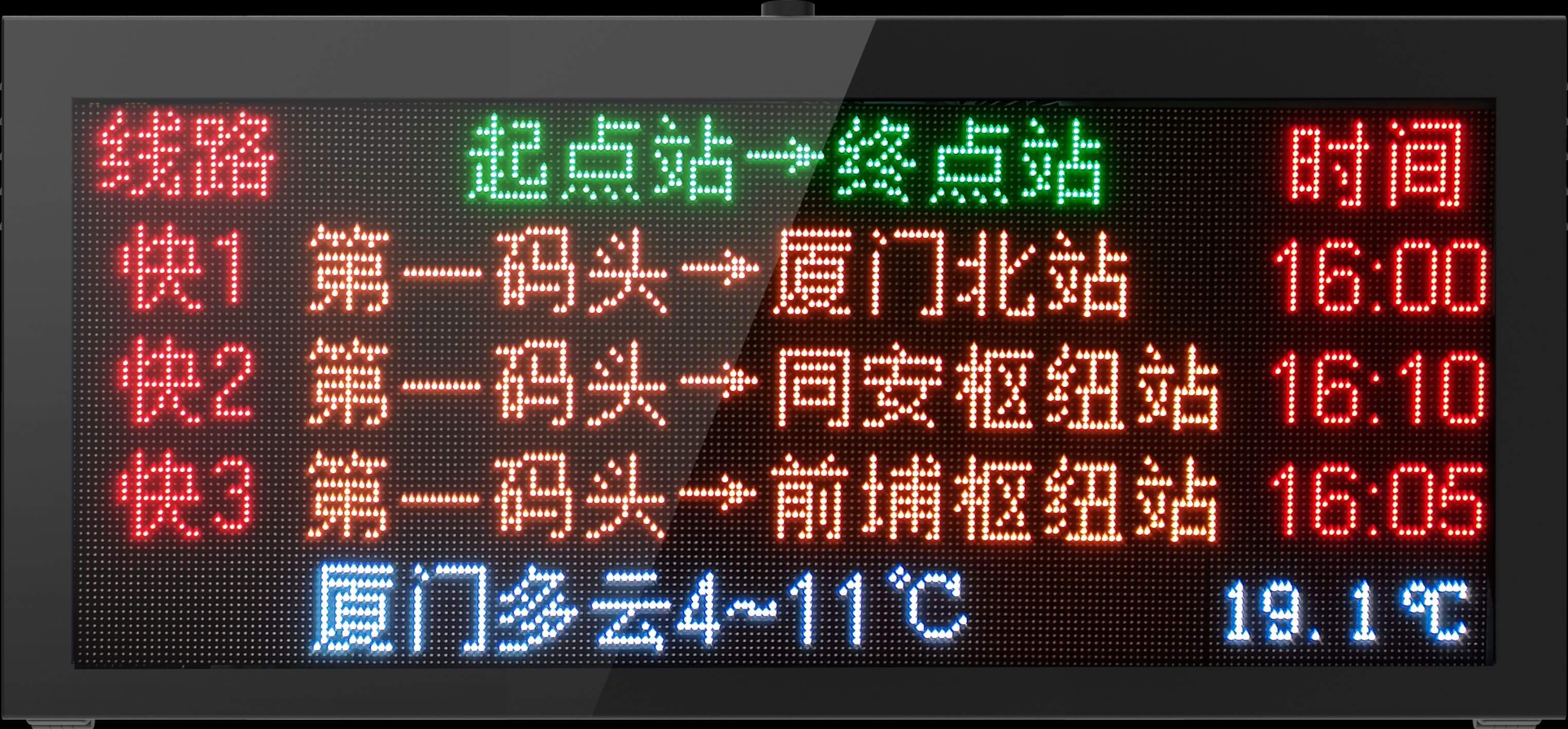
Introduction to Corporate Technical Strength: Lans Communication's Three Key Technical Grasps
As a national high-tech enterprise and a "Hidden Champion" in Chinese manufacturing, Lans Communication has constructed a three-in-one technological system centered around the needs of the transportation industry: hardware + software + platform.
STEP1:Intelligent Scheduling and Dispatching SystemBased on GIS geographic information system and big data analysis, the system achieves route optimization, dynamic scheduling adjustment, and real-time vehicle tracking. It supports simultaneous dispatching of over 100,000 vehicles, enhancing scheduling efficiency by 80% and reducing empty-running rates to below 10%. For example, after deployment for Xiamen Bus Group, the annual operation cost savings exceeded 50 million yuan.
STEP2:All-process safety supervision platformThrough the Vehicle DMS (Driver Monitoring System) and ADAS (Advanced Driver-Assistance Systems), it achieves real-time warnings for 12 types of risk behaviors such as fatigue driving, distracted driving, and lane departure, with response time shortened to within 5 seconds. The platform has passed the ISO 26262 functional safety certification, with a false alarm rate below 0.5%.
STEP3:MaaS comprehensive travel integration serviceIntegrate public transportation, subway, shared bicycles, and more travel modes, offering real-time bus inquiries, congestion predictions, one-click payment, and more. The system supports API interface integration for quick connection to third-party platforms. After its launch in Chengdu, passenger satisfaction rose to 92%, with daily usage exceeding 2 million people.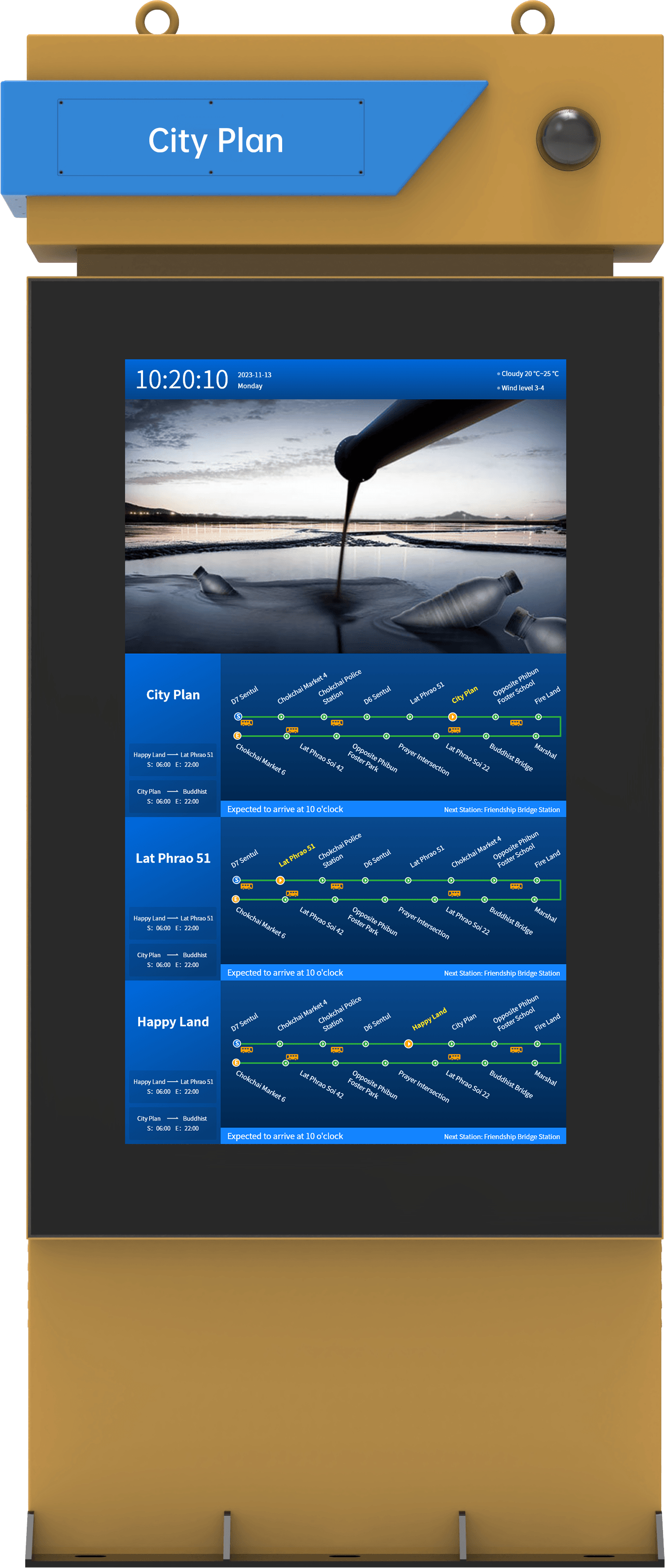
FAQ Q&A Technical Selection Guide
Q1: How to choose an appropriate intelligent scheduling system?
A: Pay close attention to three key parameters:
- Vehicle capacity: The system must support over 100,000 vehicles online simultaneously, ensuring stability in large-scale scenarios.
- Dispatch Algorithm: Prioritize dynamic optimization algorithms based on AI over fixed rule scheduling.
- Scalability: Supports integration with ERP and financial systems, achieving full-process digitalization.
Q2: What are the core detection indicators of the safety supervision platform?
A: The following standards must be met:
- Warning accuracy: ≥99.5% (based on ISO 26262 functional safety certification)
- Response Time: ≤5 seconds (from risk occurrence to system alert)
- Data Storage Period: ≥3 years (compliant with the requirements of the "Regulations for Dynamic Supervision and Administration of Road Transport Vehicles").
Q3: How does the MaaS platform achieve integration of multi-modal travel data?
A: The following steps must be followed:
- STEP1: Standardize data format (e.g., GTFS standard).
- STEP2: Establish an API interface library, supporting connection with platforms such as subways and shared bicycles.
- STEP3: Deploy edge computing nodes to achieve real-time data cleaning and fusion.
For more information, please visit the official website:www.xmlenzintl.com
Technically driven, reshaping the future of public transportation
Xiamen Lans Communication Co., Ltd., through nearly 20 years of technical dedication, has formed a technological layout covering three major tracks: intelligent transportation, Internet of Vehicles, and intelligent sanitation. Its independently developed hardware and software integrated solutions not only address core pain points such as transport integration, safety supervision, and experience optimization, but also have been verified for their reliability and replicability through the deployment of over 400 cities globally and more than 1 million devices. In the future, Lans will continue to drive with a dual approach of "technology + scenario," helping enterprises accelerate their digital transformation and upgrade, and providing strong technical support for the construction of smart cities.