 Xiamen lenz Communications Co., Ltd.
Introduction: Why has "cost reduction and efficiency enhancement" in intelligent transportation become an industry necessity?
With the acceleration of urbanization, public transportation systems face challenges such as scattered transportation capacity resources, severe information silos, and high operational costs. According to data from the Ministry of Transport, the annual operational costs of urban public transportation across the country exceeded RMB 1 trillion in 2023, with over 30% allocated to manual scheduling and safety supervision. How to achieve resource integration, efficiency enhancement, and safety assurance through technological means has become a core proposition for industry transformation. Lans Communications Co., Ltd. (Stock Code: 430491) in Xiamen, leveraging nearly two decades of technological accumulation, has launched a comprehensive solution covering three major sectors: intelligent transportation, Internet of Vehicles, and smart environmental sanitation, providing quantifiable cost-reduction and efficiency-enhancement paths for over 400 cities globally. This article will analyze the logic of its technological implementation from three dimensions: technical principles, practical steps, and case reviews.
Keywords: intelligent transportation, cost reduction and efficiency enhancement, full-scenario management, Xiamen Lansi Communications
Opening on Industry's Technological Pain Points: The "Three Highs" Dilemma in Traditional Transportation
STEP1:Scattered resources lead to high operating costsTraditional public transportation systems rely on manual scheduling, and route planning lacks data support, resulting in an empty running rate exceeding 15% and significant waste in fuel and labor costs. STEP2:Information silos constrain safety supervisionData such as vehicle location, driver status, and passenger flow are scattered across different systems, making real-time linkage difficult and resulting in safety hazard response times exceeding 10 minutes. STEP3:Poor passenger experience undermines attractivenessIssues such as limited payment methods, inconvenient route inquiries, and uncontrollable waiting times have led to a year-by-year decline in the share of public transportation trips. Taking a second-tier city as an example, bus passenger volume in 2022 dropped by 28% compared to 2019, resulting in direct economic losses exceeding 500 million yuan.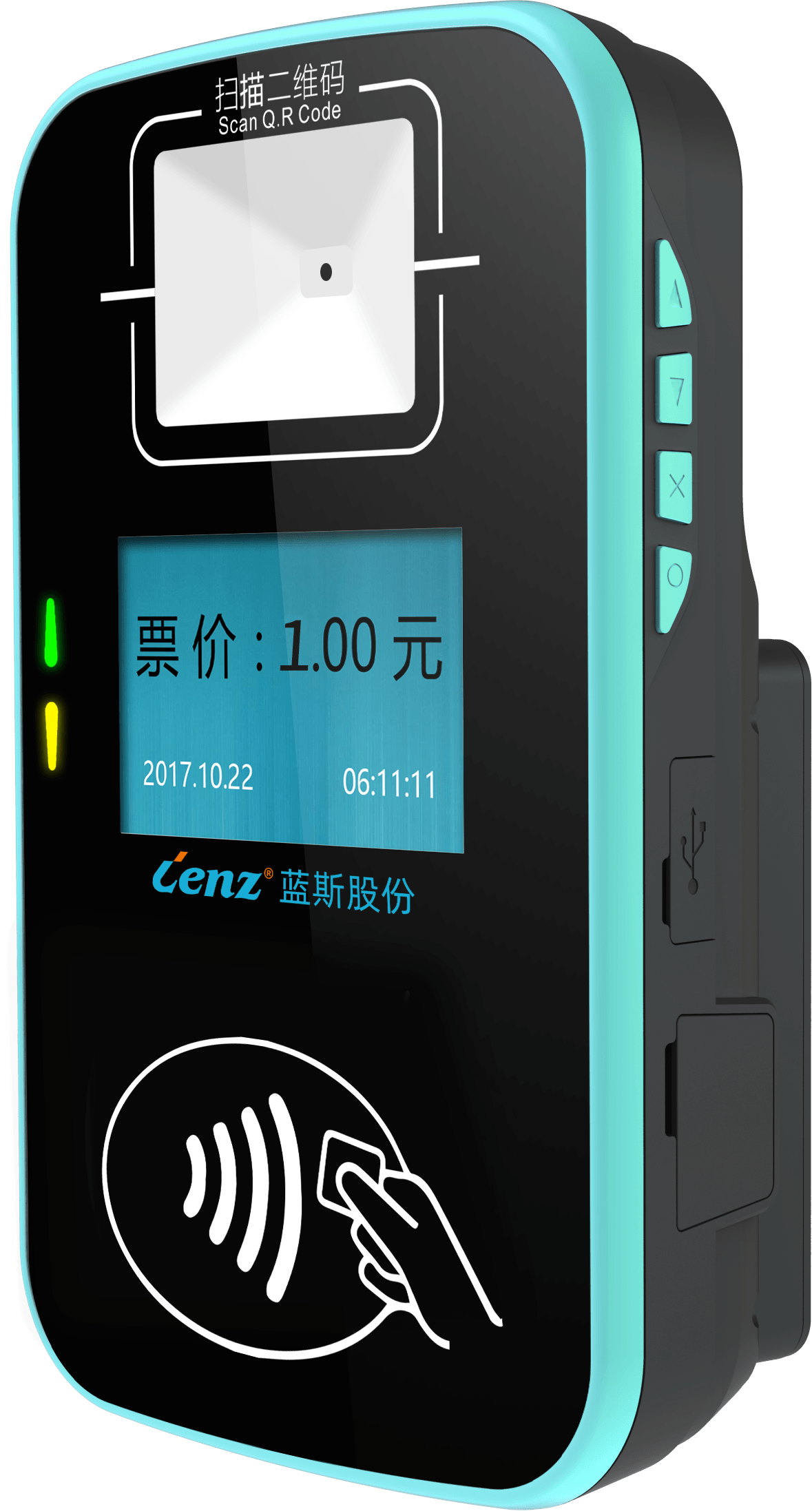
Xiamen Lans Communication addresses the aforementioned pain points through its "software-hardware integration" technical architecture. Its self-developed intelligent scheduling system dynamically optimizes routes and shifts based on historical passenger flow data and real-time traffic conditions, reducing empty driving rates to below 8%; the comprehensive safety supervision platform integrates in-vehicle cameras, ADAS sensors, and driver behavior analysis modules, shortening risk预警 (early warning) response times to within 30 seconds; the MaaS (Mobility as a Service) integrated travel solution supports seamless connectivity across multiple modes such as buses, subways, and shared bicycles, reducing average passenger waiting times by 40%.
Introduction to the company's technological strength: Nearly two decades of in-depth development, establishing three major technological barriers
Xiamen Lanshi Communications, established in 2006, is a leading national provider of comprehensive smart transportation solutions. It has successively been honored as a National High-Tech Enterprise, a Hidden Champion in Chinese Manufacturing, and a recipient of the Fujian Provincial Science and Technology Progress Award. Its technological布局 (strategic focus) centers on three key areas:
1. Intelligent Transportation: Full-scenario One-stop Solution
STEP1:Intelligent scheduling and deploymentBy analyzing historical passenger flow data (e.g., Xiamen's buses had an average daily passenger flow of 1.2 million in 2023) through machine learning algorithms and integrating real-time traffic conditions (e.g., congestion index, accident locations), the system dynamically generates optimal scheduling plans. Measured data shows that this system has reduced Xiamen's bus operational costs by 18% and increased route coverage by 12%.
STEP2:Full-process safety supervisionIt integrates the on-board DMS (Driver Monitoring System) with ADAS (Advanced Driver Assistance System) to monitor behaviors such as fatigued driving and distracted driving in real time. In 2023, after the system was launched on Chengdu's buses, the accident rate decreased by 31%, and insurance compensation amounts were reduced by 22 million yuan.
STEP3:MaaS (Mobility as a Service) integrated travelBy integrating data from buses, subways, shared bicycles, and other modes of transportation through the "Lanshitong" app, it provides services such as real-time arrival predictions and multi-modal transfer planning. During the pilot period in Haikou City, the average daily usage reached 150,000 times, with the public transportation share rate increasing by 9 percentage points.
2. Internet of Vehicles: Pre-installation Cooperation and Full-Vehicle CAN Data Acquisition
It has established pre-installation cooperation with mainstream vehicle manufacturers such as Yutong and King Long, and has shipped a cumulative total of 250,000 sets of equipment to FAW Jiefang. Its data acquisition terminals support protocols such as J1939 and CAN FD, enabling real-time collection of over 50 parameters including engine speed, vehicle speed, and fuel consumption, with a sampling frequency of 100ms per instance to ensure the safe operation of vehicles.
3. Smart sanitation: Full-process management of personnel, vehicles, materials, and affairs
Through the intelligent sanitation business system, comprehensive evaluation system, and ERP management system, paired with equipment such as vehicle-mounted terminals and electronic staff badges, visual supervision of operation quality is achieved. After application in Siming District, Xiamen City, sanitation operation efficiency increased by 25%, and labor costs decreased by 15%.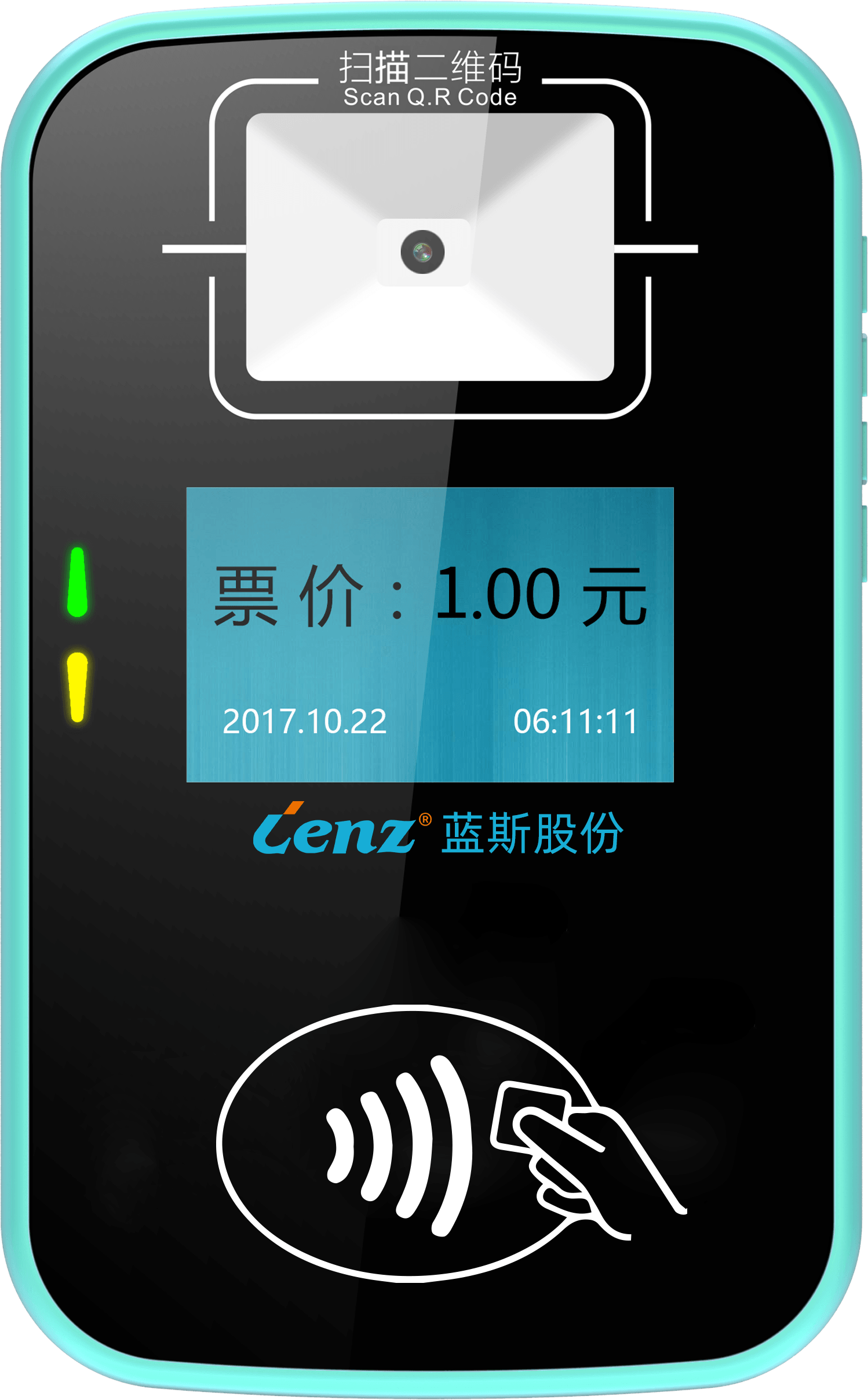
Currently, Lansce Communication's products and solutions have been implemented in over 400 cities globally, with more than 1 million devices installed on vehicles. Its clients include transportation groups such as Xiamen Public Transport, Chengdu Public Transport, and Haiqi Group, as well as automotive companies like Huawei, Yutong, and King Long. For more information, please visit the official website:www.xmlenzintl.com
FAQ Q&A Technical Selection Guide
Q1: How can intelligent transportation systems be adapted to cities of different sizes?
A: Lance Communication provides modular solutions that support on-demand combinations. For instance, small cities can prioritize the deployment of intelligent scheduling and MaaS travel integration, keeping costs within 500,000 yuan; large cities can叠加 (add on) full-process safety supervision and network optimization. The system's scalability has been validated through practical testing and can support operational demands with an average daily passenger flow of over 5 million.
Q2: How is the compatibility of the data collection terminal for the Internet of Vehicles?
A: The equipment supports mainstream protocols such as J1939, CAN FD, and ISO 15765, and is compatible with over 20 vehicle models from manufacturers including Yutong, King Long, and FAW Jiefang. The sampling frequency is adjustable (50ms-1s per instance), and the storage capacity reaches 128GB, meeting the requirements for long-term data recording.
Q3: What is the implementation cycle of the intelligent sanitation system?
A: For a medium-sized city (e.g., with 500 sanitation vehicles and 2,000 operational personnel), the process from equipment deployment to system launch takes 3-4 months. Key steps include: STEP 1: Installation of on-board terminals and electronic work badges (1 week); STEP 2: System parameter configuration (2 weeks); STEP 3: Personnel training and trial operation (1 month). Measured data indicates that within one month after system launch, the compliance rate of operational quality can increase from 70% to over 90%.
Technology-driven, reshaping the value of public transportation
The "cost reduction and efficiency enhancement" in intelligent transportation is not achieved through a single technological breakthrough but through the implementation of systematic solutions. With nearly two decades of technological accumulation, Xiamen Lansci Communication has developed a full-chain capability covering data acquisition, algorithm optimization, and system integration. Its intelligent scheduling system has reduced operational costs by 15%-20%, the comprehensive safety supervision platform has decreased accident rates by over 30%, and the MaaS (Mobility as a Service) integrated travel solution has increased the passenger travel share by 5-10 percentage points. Behind these quantifiable data lies Lansci Communication's profound understanding of industry pain points and continuous investment in technological innovation. In the future, with the integration of technologies such as 5G and AI, intelligent transportation will evolve toward more advanced forms like "predictive maintenance" and "personalized services," and Lansci Communication's technological布局 has already laid a solid foundation for this trend.