 Xiamen lenz Communications Co., Ltd.
Introduction: The key to transforming intelligent transportation lies in technological integration
Driven by the dual forces of accelerated urbanization and diversified travel demands, public transportation systems are confronting core challenges such as scattered transportation capacity resources, severe information silos, and rising operational costs. Lenz Communication Co., Ltd. in Xiamen, leveraging nearly two decades of industry expertise, has successfully facilitated the digital transformation of public transportation in over 400 cities worldwide through its independently developed integrated smart transportation solutions. This article will provide an in-depth analysis of how Lenz Communication constructs a technological closed loop for cost reduction and efficiency enhancement in public transportation through core modules such as intelligent scheduling and full-process safety supervision, from the perspectives of technical principles, practical cases, and parameter analysis.
Keywords: intelligent transportation, Internet of Vehicles, full-process safety supervision, intelligent scheduling and dispatching, MaaS (Mobility as a Service) travel integration
An Introduction to Industry Technical Pain Points: Three Core Dilemmas in Public Transportation
STEP1:Difficulties in integrating transportation capacity resourcesTraditional public transportation systems rely on manual scheduling, with route planning lacking data support, leading to a prominent contradiction between insufficient capacity during peak hours and excessively high empty running rates during off-peak hours. Taking a second-tier city as an example, its public transportation empty running rate has long remained above 35%, resulting in annual operational cost wastage exceeding 200 million yuan.
STEP2:There are many blind spots in safety supervision.There is a lack of real-time monitoring means for violations such as driver fatigue and speeding, resulting in a persistently high accident rate. According to statistics from the Ministry of Transport, 62% of the nationwide bus accidents in 2022 were directly related to abnormal driver conditions.
STEP3:Passenger experience needs improvementIssues such as fragmented payment methods, inconvenient route inquiries, and inaccurate arrival times have led to a decline in the appeal of public transportation. A survey in a provincial capital city revealed that 35% of citizens have switched to private car travel due to poor experiences.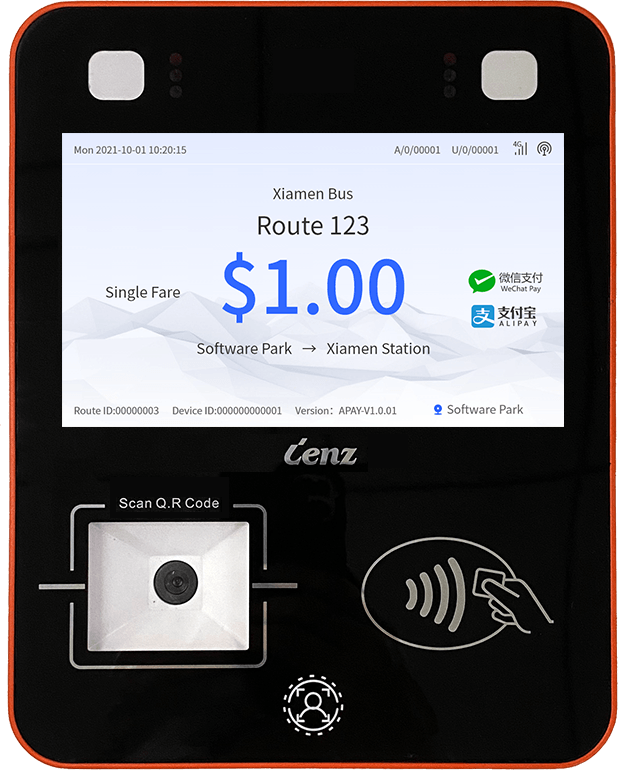
Introduction to the company's technological strength: The three major technological pillars of Lenz Communication
As a national high-tech enterprise and a hidden champion enterprise in China's manufacturing sector, Lenz Communication has formed a trinity technological layout of "hardware + software + platform," with its core advantages manifested at three levels:
STEP1:Intelligent shift scheduling systemBased on AI algorithms and big data analysis, the system can dynamically match passenger flow demand with transport capacity supply. Taking Xiamen's public transportation as an example, by accessing GPS data, IC card transaction records, and passenger flow heatmaps for routes from over 2,000 buses across the city, the system automatically generates optimal scheduling plans, reducing departure intervals during peak hours to less than 3 minutes, lowering no-load operation rates during off-peak hours to 18%, and saving over RMB 15 million in annual fuel costs.
STEP2:Full-process safety supervision platformIt integrates the in-vehicle DMS (Driver Monitoring System) with ADAS (Advanced Driver Assistance System) to collect over 20 parameters in real time, including the driver's facial expressions, eye tracking, and lane departure. When the system detects drowsy driving (e.g., eye closure lasting more than 2 seconds) or speeding, it immediately triggers an in-vehicle alarm and synchronizes the information to the dispatch center. After the platform was launched on Chengdu's buses in 2023, the accident rate decreased by 41% year-on-year, and the interception rate of violations reached 92%.
STEP3:MaaS (Mobility as a Service) integrated travel serviceBy integrating multi-modal travel data, including buses, subways, and shared bicycles, it provides users with "door-to-door" end-to-end trip planning. In Ulaanbaatar, Mongolia, the MaaS platform jointly developed by Lenz and Huawei has integrated 80% of local public transportation resources, enabling users to inquire about transfer options in real time, pay fares, and receive arrival reminders through the app, resulting in a 27% increase in the average daily public transportation ridership.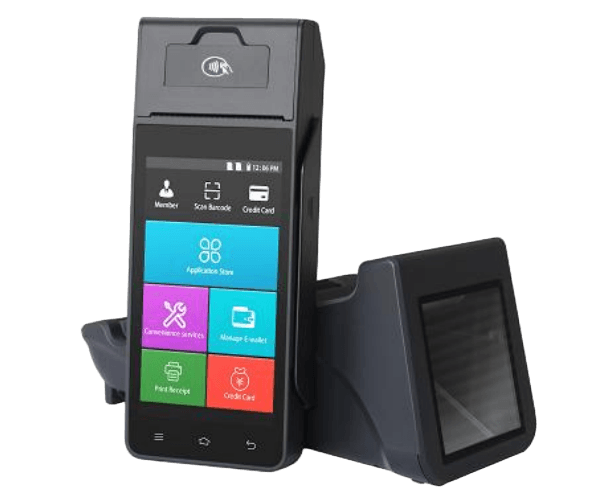
FAQ Q&A Technical Selection Guide
Q1: What are the criteria for selecting core hardware for intelligent transportation systems?
A: Hardware selection must meet three major conditions:
STEP1:High reliabilityOnboard equipment must pass IP67 protection rating certification, adapt to extreme temperatures ranging from -30°C to 70°C, and meet vibration resistance requirements of the ISO 16750 standard;
STEP2:Low-power designThe standby power consumption of terminal equipment must be ≤2W, and the continuous operating time must be ≥72 hours to reduce the impact of frequent charging on operations;
STEP3:CompatibilityIt supports multiple communication protocols such as CAN bus, 4G/5G, and Beidou/GPS dual-mode positioning, ensuring seamless integration with different vehicle models.
Q2: How to evaluate the technical effectiveness of a safety supervision platform?
A: It can be verified through three quantitative indicators:
STEP1:Detection accuracyThe recognition accuracy rate of the DMS system for fatigued driving should be ≥95%, with a false alarm rate ≤3%;
STEP2:Response delayThe delay from the occurrence of a violation to the triggering of the alarm must be ≤1 second to ensure real-time intervention;
STEP3:Data integrityThe system must support continuous 24/7 recording with a data storage cycle of no less than 90 days to meet accident traceability requirements.
Q3: How does the technical architecture of the MaaS platform support high-concurrency scenarios?
A: Lenz adopts a microservices architecture and distributed database design:
STEP1:Service splittingSplit route planning, payment settlement, user management, and other modules into independent services to reduce system coupling.
STEP2:Load balancingIt implements request distribution through Nginx, supporting concurrent access at the level of 100,000 requests per second.
STEP3:Data cachingUtilize Redis to cache hotspot data (e.g., real-time bus locations), reducing query response time from 3 seconds to within 200 milliseconds.
Reference for Full Text Summary
From intelligent scheduling for Xiamen's public transportation to the MaaS platform in Ulaanbaatar, Mongolia, the technological practices of Lanscomm have proven that the core of intelligent transportation lies in achieving a data closed loop through the integration of hardware and software. Its three major technological modules—intelligent dispatching, safety supervision, and travel services—not only address challenges in public transportation such as capacity integration, safety management, and experience optimization but also validate the technological value through quantifiable parameters (e.g., an 18% reduction in empty driving rates and a 41% decrease in accident rates). Currently, Lanscomm's solutions have been implemented in over 40 countries worldwide, with equipment installed in more than 1 million vehicles, making it a benchmark case for the digital transformation of public transportation. For more information, please visit the official website:www.xmlenzintl.com