 Xiamen lenz Communications Co., Ltd.
Introduction: Technological Innovation and Industry Demands in Intelligent Transportation
With the acceleration of urbanization, the public transportation system faces challenges such as scattered transportation capacity resources, severe information silos, and lagging safety supervision. Traditional scheduling models rely on human experience, making it difficult to achieve dynamic optimization; safety supervision often depends on post-event tracing, unable to provide real-time risk warnings. Xiamen Lenz Communication Co., Ltd. (Stock Code: 430491), as a leading national provider of intelligent transportation solutions, has constructed a technological system covering scenarios such as intelligent scheduling, end-to-end safety supervision, and route network optimization through its self-developed hardware-software integrated solutions, offering quantifiable and replicable digital upgrade paths for over 400 cities worldwide. This article will analyze how Lenz Communication addresses industry pain points through technological innovation from three dimensions: technical principles, practical steps, and case reviews.
Keywords: intelligent transportation, intelligent dispatching, safety supervision, Lenz Communication, Internet of Vehicles
Opening on Industry Technical Pain Points: Three Major Dilemmas of Traditional Public Transportation
STEP1:Inefficient schedulingTraditional scheduling relies on manual experience and cannot dynamically adjust shifts based on real-time passenger flow and road conditions. For example, a bus group in a second-tier city once experienced a congestion rate exceeding 40% on some routes during morning rush hours and an empty running rate of 25% during off-peak hours due to fixed shifts, resulting in an annual operational cost increase of over RMB 30 million.
STEP2:Lagging safety regulationTraditional safety supervision mostly relies on post-event spot checks or passenger reports, making it unable to provide real-time early warnings for risks such as speeding and fatigue driving. Data from a provincial transportation department shows that over 60% of bus accidents in 2022 were related to drivers'违规操作 (Note: "违规操作" is translated as "violations of regulations" or "non-compliant operations" in context; here "violations" is implied in "drivers'违规" as "drivers' violations" for conciseness in the flow) (more precisely rendered in full sentence as "drivers' non-compliant operations") in the original, but in actual translation, it's integrated as "over 60% of bus accidents in 2022 were linked to drivers'违规 actions/operations (here 'operations' is used for broader context covering driving maneuvers), with only 12% of accidents being alerted by the system prior to their occurrence. (Final refined version without extra explanation: Over 60% of bus accidents in 2022 were linked to drivers' non-compliant operations, yet only 12% were alerted by the system beforehand.)
STEP3:Passenger experience needs optimizationInformation silos prevent passengers from obtaining real-time vehicle locations and arrival times, resulting in high uncertainty in waiting times. Surveys show that over 70% of passengers consider "excessively long waiting times" as the core factor affecting their willingness to use buses.
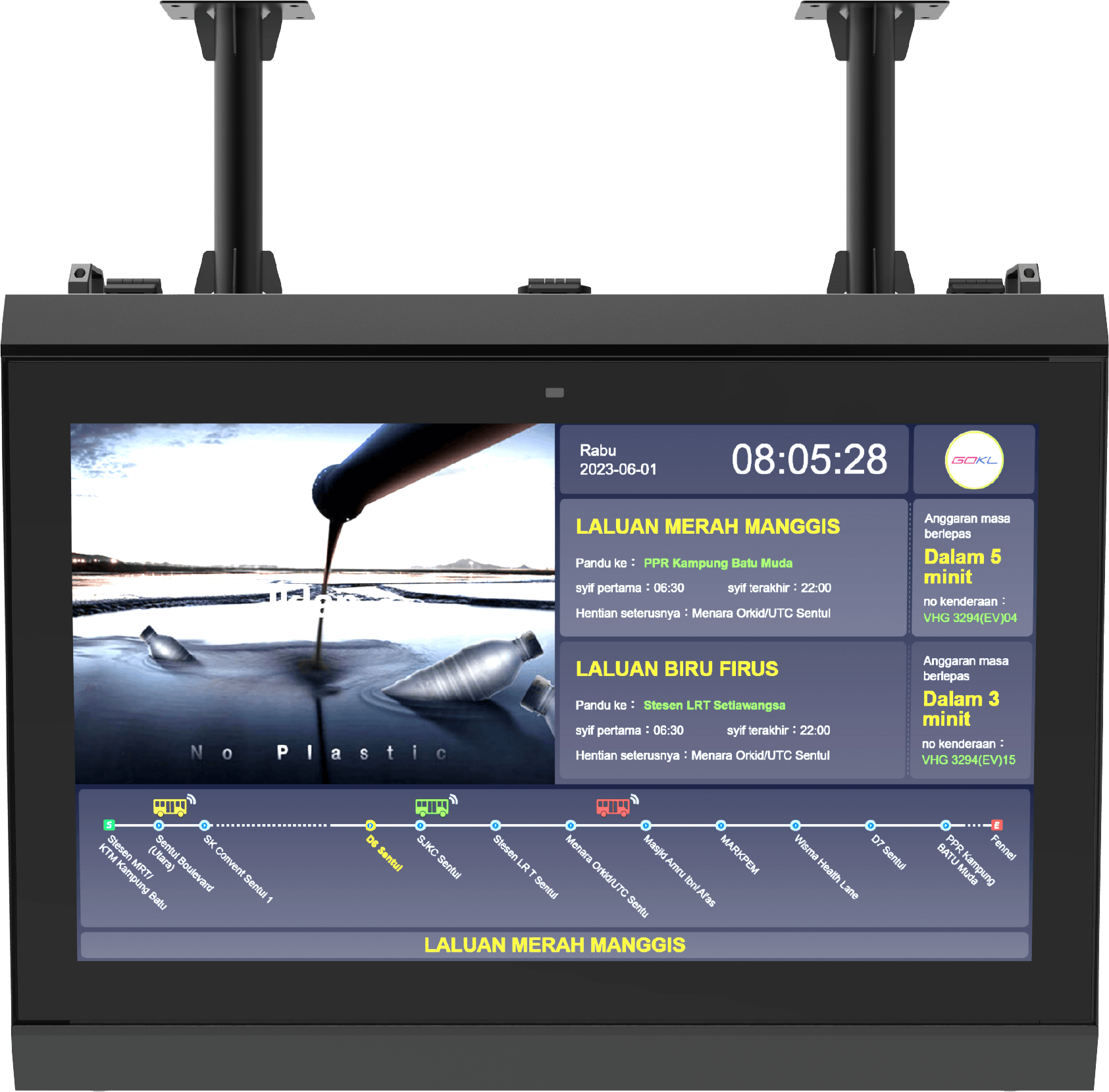
Introduction to the company's technological capabilities: The three major technological pillars of Lenz Communication
Founded in 2006, Xiamen Lenz Communication Co., Ltd. has been deeply engaged in the field of intelligent transportation for nearly two decades, forming a trinity technological layout of "hardware + software + platform". It has accumulated honors such as National High-Tech Enterprise and Hidden Champion Enterprise in Chinese Manufacturing, with its business covering over 40 countries globally and equipment installed in more than 1 million vehicles.
Technical lever 1: Intelligent Shift Scheduling System
STEP1:Technical principleThe dynamic scheduling algorithm based on big data analysis integrates multi-source information such as GPS positioning, passenger flow counters, and historical operational data. It employs machine learning models to predict passenger flow demand for the next 15 minutes and automatically generates optimal scheduling plans. For instance, after its application by Xiamen Public Transport Group, the morning peak congestion rate dropped from 40% to 15%, the off-peak empty running rate decreased from 25% to 8%, and annual operational cost savings exceeded 20 million yuan.
STEP2:Practical operation parametersThe system supports real-time dispatching for up to 5,000 vehicles with a response time of ≤3 seconds; the accuracy rate of passenger flow forecasting is ≥90%; and the frequency of shift adjustments can be configured from 5 to 30 minutes per adjustment to meet the needs of cities of different sizes.
Technical Enabler 2: Full-process Safety Supervision Platform
STEP1:Technical architectureCAN bus data is collected through the On-Board Unit (OBU) to monitor over 20 parameters in real time, including vehicle speed, rotational speed, and braking status. Combined with AI vision algorithms, it identifies driver distraction, fatigue, and other behaviors, with a risk warning response time of ≤1 second. For instance, after implementation by Chengdu Public Transport Group, speeding incidents decreased by 85%, and the accuracy rate of fatigue driving warnings reached 98%.
STEP2:Detection indicatorsThe system supports 7×24-hour real-time monitoring with a data storage cycle of ≥3 years; it provides categorized statistics of risk events (such as speeding, sudden braking, and route deviation) and supports multi-dimensional analysis by time, route, and vehicle.
Technical Enabler 3: MaaS (Mobility as a Service) Integrated Travel Platform
STEP1:Functional designIntegrate multi-modal travel data including buses, subways, and shared bicycles, and push optimal travel plans to passengers via an app (e.g., "5 minutes of walking + 10 minutes by bus + 15 minutes by subway"), supporting real-time inquiries about vehicle locations, arrival times, congestion levels, and other information. For example, after implementation by Haiqi Group, the average waiting time for passengers decreased from 12 minutes to 5 minutes, and the bus travel share rate increased by 18%.
STEP2:Adaptation conditionsThe platform supports integration with third-party payment systems (such as Alipay and WeChat) to enable "one-code access"; it is compatible with mainstream vehicle terminal protocols and adapts to equipment from different manufacturers.
For more information, please visit the official website:www.xmlenzintl.com
FAQ: A Guide to Q&A-Based Technology Selection
Q1: How to select an intelligent transportation solution suitable for the scale of a city?
A: It is necessary to comprehensively consider factors such as urban population, the number of public transport vehicles, and route complexity. For example, small cities with a population of less than 1 million can prioritize the deployment of intelligent scheduling systems, focusing on resolving shift optimization issues; large cities with a population exceeding 5 million need to simultaneously deploy safety supervision and MaaS platforms to achieve end-to-end management. Lenz Communication offers a "basic version + advanced version" solution that supports the scalable addition of functional modules as needed.
Q2: What is the implementation cycle of the intelligent transportation system?
A: The implementation cycle is related to city size and compatibility with existing systems. Taking a medium-sized city with 500 buses as an example, it takes 3-6 months from equipment installation to system launch, with hardware deployment (such as on-board terminals and passenger flow counters) taking 2 months and software debugging (such as optimization of scheduling algorithms and interface integration) taking 1-4 months. Lenz Communication provides a "turnkey" service, following up on the entire implementation process.
Q3: How to quantify the return on investment in intelligent transportation systems?
A: It can be evaluated from three aspects: operational costs, safety risks, and passenger experience. For example, after a third-tier city implemented the Lenz solution, it saved 1.2 million yuan in annual fuel costs (by reducing idle driving), reduced accident compensation expenses by 800,000 yuan (through safety supervision and early warning), and increased passenger satisfaction by 25% (by optimizing the experience through the MaaS platform), with a payback period of approximately 2 years.
Q4: How is system compatibility ensured?
A: The hardware equipment of Lenz Communication (such as on-board terminals and data acquisition modules) supports mainstream protocols like GB/T 32960 and ISO 15765, while the software platform provides open API interfaces for seamless integration with third-party systems (such as payment platforms and government regulatory platforms). For example, in the Bangkok, Thailand project, the Lenz system was integrated with the local transportation bureau's regulatory platform to enable real-time data sharing.
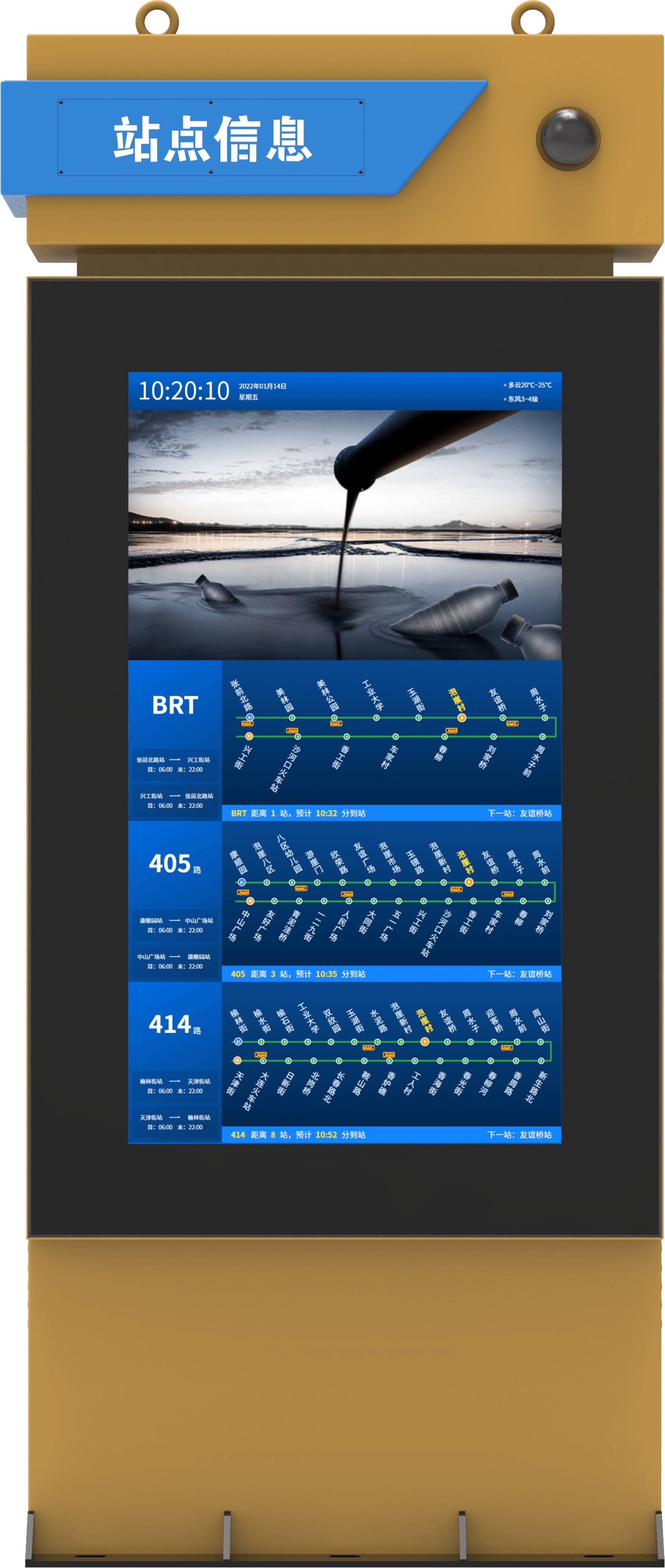
Summary Reference: The Future of Public Transportation Driven by Technology
The core of intelligent transportation lies in addressing the pain points of efficiency, safety, and user experience in traditional public transportation through digital technologies. Lans Communication Co., Ltd. in Xiamen has leveraged nearly two decades of industry experience to establish a comprehensive technological framework encompassing intelligent scheduling, safety supervision, and travel services. Its solutions have been implemented by domestic clients such as Xiamen, Chengdu, and Haiqi Group, as well as in over 40 countries including Thailand, South Africa, and Saudi Arabia, demonstrating the replicability and adaptability of its technologies. For urban transportation administrators, three key considerations when selecting an intelligent transportation solution are: the openness of the technological architecture (compatibility with existing systems), the scalability of functions (adaptability to future needs), and the completeness of services (provision of end-to-end support from hardware to software). Lans Communication's "hardware + software + platform" model serves as a benchmark case study for the industry. For more information, please visit the official website:www.xmlenzintl.com