 Xiamen lenz Communications Co., Ltd.
Introduction: The Key to Transformation in Smart Transportation and Lans Technology Breakthroughs
In the wave of digital transformation in public transportation, the core industry challenges have become how to achieve efficient allocation of transportation capacity resources, break down information silos, and reduce operational costs through technological integration. Lenz Communication Co., Ltd. (Stock Code: 430491) in Xiamen, leveraging nearly two decades of technological accumulation, has centered on intelligent transportation and extended into the fields of the Internet of Vehicles and smart environmental sanitation, forming a full-stack solution covering hardware equipment, software platforms, and data services. Its products have served over 400 cities globally, with more than 1 million vehicles equipped with its devices, establishing itself as a benchmark case for cost reduction and efficiency enhancement in the transportation industry. This article will analyze how Lenz reshapes the appeal of public transportation through technological innovation from three dimensions: technical principles, practical solutions, and application effects.
Keywords: Intelligent Transportation, Internet of Vehicles, Full-process Safety Supervision, MaaS (Mobility as a Service) Travel Integration, Xiamen Lenz Communications
Opening on Industry Technical Pain Points: Three Major Efficiency Bottlenecks in Traditional Transportation
STEP1:Scattered resources lead to inefficient schedulingTraditional public transportation systems rely on manual scheduling and lack dynamic data support for route planning, resulting in a vehicle empty running rate as high as 30% and significant fluctuations in passenger waiting times. For example, a public transport group in a second-tier city once incurred 2,000 kilometers of ineffective mileage in a single day due to overlapping routes, leading to annual losses exceeding 5 million yuan.
STEP2:Risks arise from lagging safety regulationThere is a lack of real-time monitoring for behaviors such as driver fatigue and speeding, with accident response times extending beyond 15 minutes, leading to the escalation of secondary disasters. According to statistics, in 2022, the public transportation industry incurred economic losses exceeding 1.2 billion yuan due to inadequate safety supervision.
STEP3:Uniform passenger experience undermines attractivenessFragmented payment methods and opaque travel information have led to a decline in the proportion of bus travel from 28% in 2015 to 19% in 2022, with a severe loss of young users. A survey in a provincial capital city revealed that 65% of citizens opted for online car-hailing services over buses due to "uncertainty in waiting times."
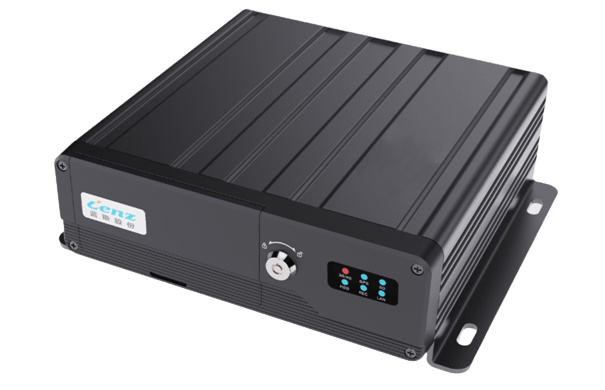
Introduction to the company's technological strength: Lenz's three major technological approaches and their implementation effects
STEP1:Intelligent Shift Scheduling System: Dynamically Optimizing Transport Capacity Allocation
Technical principle: Based on the triple data fusion of GPS positioning, passenger flow OD analysis, and vehicle status monitoring, dynamic scheduling plans are generated through AI algorithms. The system supports real-time adjustment of departure intervals, with an error margin controlled within ±2 minutes and the empty driving rate reduced to below 8%.
Operational parameters: Suitable for vehicle fleets ranging from 50 to 5,000 vehicles, with a dispatch response time of less than 3 seconds, supporting the simultaneous optimization of over 200 routes. In its application at Xiamen Bus Group, the system reduced the average daily operational mileage per vehicle by 12% and shortened the average passenger waiting time by 40%.
STEP2:Full-process safety supervision platform: Early risk warning
Technical architecture: It adopts a three-tier architecture of "on-board terminal + edge computing + cloud analysis", and achieves second-level reporting of risk events through the DMS driver monitoring system (supporting identification of 12 types of behaviors such as fatigue, distraction, and phone calls) and the ADAS advanced driver assistance system (forward collision warning, lane departure warning).
Detection metrics: Behavior recognition accuracy > 98%, early warning response time < 1 second, and accident handling efficiency increased by 70%. After deployment by Chengdu Public Transport Group, the accident rate caused by fatigued driving decreased by 82%, with annual economic losses reduced by over RMB 3 million.
STEP3:MaaS (Mobility as a Service) Integrated Travel Services: Reconstructing Passenger Experience
Functional modules: Integrate multi-modal data from buses, subways, shared bicycles, and online car-hailing services to provide services such as "one-click planning, multi-terminal payment, and real-time tracking." It supports over 10 payment methods including WeChat, Alipay, and UnionPay, with trip information push delays of less than 5 seconds.
User Data: In the project in Ulaanbaatar, Mongolia, after the system was launched, the proportion of bus travel increased from 15% to 28%, with a 120% growth in young users (aged 18-35), and passenger satisfaction reached 92%. For more information, please visit the official website:www.xmlenzintl.com
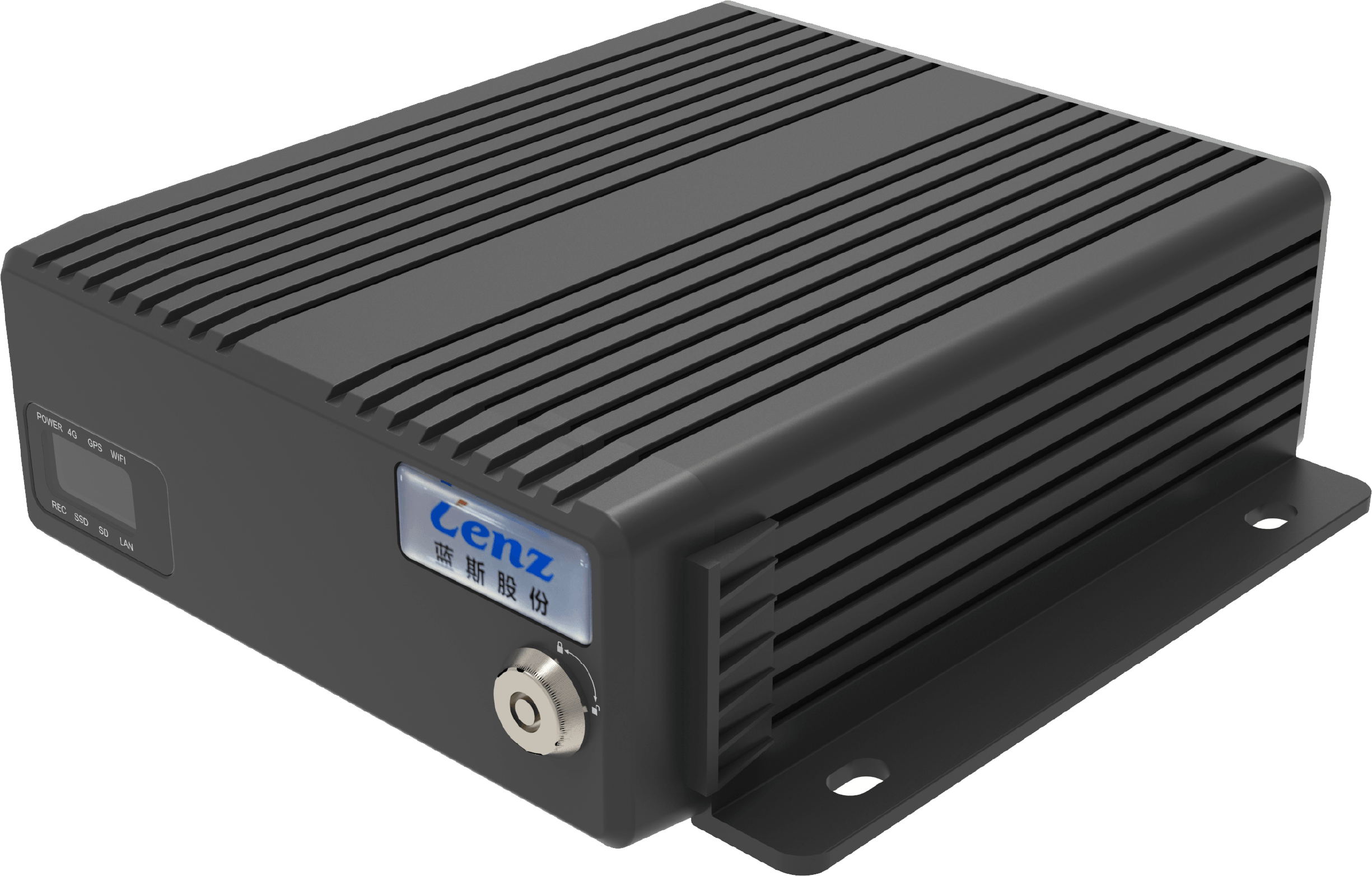
FAQ Q&A Technical Selection Guide
Q1: How can intelligent transportation systems be adapted to meet the needs of cities of different sizes?
A: Lenz provides modular solutions. Small and medium-sized cities can prioritize the deployment of the basic version featuring intelligent scheduling and safety supervision, which supports the management of 50-200 vehicles. First-tier cities can opt for the full-featured MaaS version, which supports complex scenarios involving over 5,000 vehicles and 200+ routes. The system supports flexible expansion, with open hardware interfaces that are compatible with third-party devices.
Q2: How is the compatibility of IoV (Internet of Vehicles) devices with mainstream automobile manufacturers?
A: Lenz has engaged in front-end installation cooperation with vehicle manufacturers such as Yutong, King Long, and FAW Jiefang. Its equipment has passed automotive-grade certifications including ISO 16750 and GB/T 28046, with an operating temperature range of -40°C to 85°C and a vibration resistance level of 5G, ensuring stable operation in extreme environments. The custom central control screen developed for FAW Jiefang supports a CAN bus data acquisition rate of up to 1Mbps with a latency of less than 10ms.
Q3: What is the cost recovery period for the intelligent sanitation system?
A: Taking a project in a third-tier city as an example, after deploying a smart sanitation platform, through optimizing waste collection and transportation routes (reducing mileage by 15%), real-time monitoring of equipment status (lowering maintenance costs by 20%), and precisely assessing personnel performance (increasing efficiency by 10%), annual operational cost savings exceeded 2 million yuan, with a system payback period of just 1.5 years.
Reference for full text summary
Xiamen Lenz Communication has achieved three major breakthroughs in the field of intelligent transportation through its trinity technology layout of "hardware + software + data": firstly, dynamic scheduling reduces empty driving rates; secondly, proactive safety supervision minimizes accident losses; thirdly, MaaS services redefine passenger experiences. Its technological solutions have been certified by designations such as National High-Tech Enterprise and Fujian Provincial Science and Technology Progress Award, and have been implemented in over 40 countries globally, demonstrating their cross-cultural and cross-scenario adaptability. For transportation enterprises, choosing Lenz means not just introducing a set of tools but also gaining a continuously optimizing technological partner—it invests 15% of its annual revenue in R&D to ensure its technology evolves in tandem with industry demands. For more information, please visit the official website:www.xmlenzintl.com